

Kansai Travel Guide: Osaka, Kyoto, Nara – The Cultural Heart of Japan
A comprehensive Kansai travel guide covering vibrant Osaka, historic Kyoto, peaceful Nara, Kobe, and Koyasan; ICOCA card, Kansai travel passes, and a recommended 5-day itinerary.
Aug 8, 2026·✍️ olablog·⏱ 9 min read
A comprehensive Kansai travel guide covering vibrant Osaka, historic Kyoto, peaceful Nara, Kobe, and Koyasan; ICOCA card, Kansai travel passes, and a recommended 5-day itinerary.
Tap a region to browse articles
If you could pick only one region to experience Japan "from its stomach to its soul," many travelers would unhesitatingly point to 関西(Kansai). Within less than an hour's train ride from one another, you have neon-drenched 大阪(Osaka) with its legendary street food, contemplative 京都(Kyoto) adorned with thousands of temples and shrines, ancient 奈良(Nara) where sacred deer roam freely through parklands, cosmopolitan 神戸(Kobe) perched gracefully along the bay, and the mystical, mountain-bound 高野山(Koyasan). This incredible density of unique experiences makes Kansai one of the most value-packed destinations in Japan for first-timers and seasoned travelers alike. Join OlaChill as we explore every corner of this remarkable region.
Kansai Overview: The Big Picture
- 大阪(Osaka) – "Japan's Kitchen": The epicenter is the 道頓堀(Dotonbori) district, famous for its iconic グリコサイン(Glico Running Man sign), shimmering canal waters at night, and endless rows of street food stalls. Other major highlights include 大阪城(Osaka Castle), retro 新世界(Shinsekai), and ユニバーサル・スタジオ・ジャパン(Universal Studios Japan - USJ)—home to スーパー・ニンテンドー・ワールド(Super Nintendo World) and the Wizarding World of Harry Potter, making it one of Asia's premier theme parks.
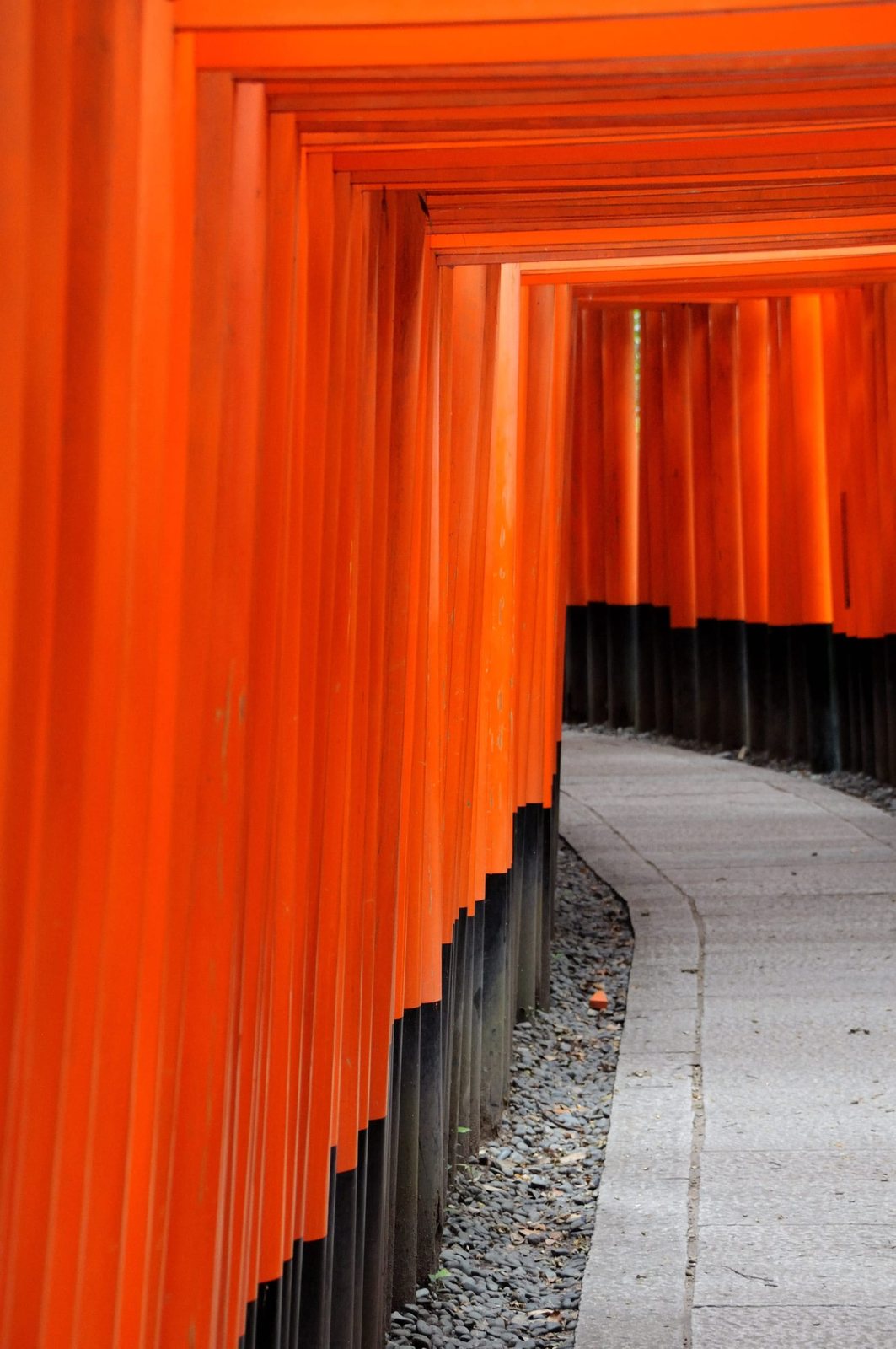
- 京都(Kyoto) – The Ancient Imperial Capital: Marvel at 伏見稲荷大社(Fushimi Inari Taisha) with thousands of bright vermilion torii gates winding up the mountainside, walk through the lush 嵐山竹林(Arashiyama Bamboo Grove), visit the shimmering 金閣寺(Kinkakuji Temple / Golden Pavilion), dramatic 清水寺(Kiyomizudera Temple), and the atmospheric geisha district of 祇園(Gion), where you might spot a maiko stepping along cobble alleys in the late afternoon.
- 奈良(Nara) – Japan's First Permanent Capital: Explore 奈良公園(Nara Park), home to over a thousand friendly deer that bow for senbei (rice crackers), and visit 東大寺(Todaiji Temple), housing a giant bronze Buddha inside one of the world's largest wooden structures.
- 神戸(Kobe) – Elegant Port City: World-famous as the home of premium Kobe beef, Kobe features the Western-style residences of 北野異人館街(Kitano Foreign Residences), vibrant 南京町(Nankinmachi Chinatown), and breathtaking nocturnal vistas from 六甲山(Mount Rokko) or ハーバーランド(Kobe Harborland).
- 和歌山(Wakayama) – 高野山(Koyasan): A sacred mountain sanctuary and the headquarters of Shingon Buddhism. Here, visitors can experience a temple stay (shukubo), savor traditional Buddhist vegetarian cuisine (shojin ryori), and stroll through 奥の院(Okunoin Cemetery), a mesmerizing burial ground surrounded by centuries-old cedar trees.
Best Time to Visit

Kansai welcomes travelers year-round, but key seasons offer distinct atmospheres:
- Spring (Late March – Early April): Cherry blossoms transform the 哲学の道(Philosopher's Path) in Kyoto, 大阪城公園(Osaka Castle Park), and Nara Park into seas of pink. It is the most beautiful time of the year, but also the busiest and most expensive—book your accommodations 3 to 4 months in advance.
- Autumn (Mid-November – Early December): Fiery red Japanese maple leaves adorn Kyoto's temples, such as 東福寺(Tofukuji Temple) and 永観堂(Eikando Temple), while Koyasan turns into a stunning fall wonderland. Crisp, pleasant air makes this season perfect for extensive walking.
- Summer (June – August): Hot and humid, yet offset by thrilling cultural spectacles like the 祇園祭(Gion Matsuri) in July in Kyoto and the 天神祭(Tenjin Matsuri) in July in Osaka—two of Japan's top three festivals—along with lively summer fireworks displays.
- Winter (December – February): Thinner crowds and lower travel costs; a rare dusting of light snow over Kyoto creates magical moments for photography enthusiasts.
If comfortable weather and avoiding massive crowds are your priorities, late May and late October represent two ideal "sweet spots" that many visitors overlook.
Regional Culinary Highlights
Osaka locals coined the term kuidaore—meaning "eat until you drop" (or ruin yourself financially through eating)—and the broader Kansai region fully earns its reputation as a food lover's paradise:
- たこ焼き(Takoyaki) & お好み焼き(Okonomiyaki) [Osaka]: Sizzling octopus balls and savory Japanese cabbage pancakes form the culinary heart of Dotonbori. A tray of fresh takoyaki costs around 500–700 JPY ($3.30–$4.60 USD).
- 串カツ(Kushikatsu) [Osaka]: Deep-fried skewered meat and vegetables served in the retro Shinsekai neighborhood. Remember the cardinal rule: no double-dipping into the communal sauce bin!
- Kyoto Cuisine: Savor delicate yudofu (simmered tofu), elegant multi-course kaiseki banquets, and authentic matcha desserts in 宇治(Uji), widely recognized as the birthplace of Japanese green tea.
- Kobe Beef: Melt-in-your-mouth marbled beef cooked on a teppan iron grill; a lunch set runs about 6,000–15,000 JPY ($40–$100 USD), offering significantly better value than dinner service.
- Nara Specialties: Taste kakinoha-zushi (sushi wrapped in persimmon leaves) and fresh, hand-pounded mochi from the famous artisan shop near 東向商店街(Higashimuki Shopping Street).
- Shojin Ryori (Koyasan): Zen Buddhist vegetarian temple cuisine—a mindful, serene dining experience rarely found anywhere else.
Getting Around: ICOCA and Travel Passes
Kansai boasts an exceptionally dense railway network operated by JR alongside private railway companies (Hankyu, Keihan, Kintetsu, and Nankai):
- ICOCA Card: The regional tap-and-go contactless IC card (equivalent to Tokyo's Suica or Pasmo). Use it on almost all trains, subways, city buses, and even for quick purchases at convenience stores (konbini). Picking up an ICOCA card (or adding a digital card to your mobile wallet) should be your first task upon landing at 関西国際空港(Kansai International Airport - KIX).
- JR Kansai Area Pass: A great choice if you plan to travel extensively on JR lines between Osaka, Kyoto, Nara, Kobe, and KIX Airport aboard the Haruka Express. Available in 1 to 4-day options, costing under 2,800 JPY ($18.50 USD) per day depending on duration.
- Kansai Thru Pass: Covers private railways and subways (excluding JR lines). Ideal if your itinerary relies heavily on Hankyu, Keihan, Kintetsu, or Nankai lines (such as heading up to Koyasan).
- Pass Selection Tip: Travel times between key cities are surprisingly short: Osaka to Kyoto takes only 15–30 minutes (410–580 JPY / $2.70–$3.80 USD), Osaka to Nara is about 45 minutes, and Osaka to Kobe takes roughly 20–30 minutes. If you only make one round trip per day, paying per ride with an ICOCA card can be cheaper than purchasing a multi-day pass—tally up your expected fares before deciding!
For local transit inside cities: Kyoto is best navigated using a combination of buses, subways, and walking; in Osaka, the subway network is king; and Nara is so compact that you can walk to almost all major attractions.
Recommended 5-Day Kansai Itinerary
- Day 1 – Osaka: Arrive at KIX Airport, grab your ICOCA card, and check in to your hotel in the 難波(Namba) area. In the afternoon, explore Osaka Castle, then spend your evening indulging in the street food and shopping along Dotonbori and 心斎橋(Shinsaibashi).
- Day 2 – Osaka (Universal Studios Japan or In-Depth City Sightseeing): Spend the entire day at Universal Studios Japan (be sure to reserve admission tickets and Express Passes in advance). If theme parks aren't your style, visit 海遊館(Kaiyukan Aquarium), Shinsekai, and catch the sunset from the top of the 梅田スカイビル(Umeda Sky Building).
- Day 3 – Kyoto: Head early to Fushimi Inari Taisha (arrive before 8:00 AM to beat the crowds), wander up to Kiyomizudera and the atmospheric 産寧坂(Sannenzaka) slopes by midday, and spend the evening strolling through Gion and along the 鴨川(Kamo River). Overnight in Kyoto.
- Day 4 – Kyoto (Arashiyama) + Nara: Morning at Arashiyama Bamboo Grove and 渡月橋(Togetsukyo Bridge); take an early afternoon train to Nara to feed the deer and tour Todaiji Temple; return to Osaka for the evening.
- Day 5 – Kobe or Koyasan: Choose Kobe for a Kobe beef lunch and sparkling harbor views if you prefer urban energy; alternatively, wake up early for Koyasan if you crave a tranquil, spiritual mountain escape. Return to Osaka in the evening to pick up souvenirs in Namba before flying home the next day.
Have 7 days? Add an overnight stay at a temple lodging (shukubo) in Koyasan and a half-day trip to Uji—two experiences that will elevate your Kansai trip far beyond the standard tourist track. If you prefer a pre-designed package with expert guided service, check out the Japan travel tours from OlaChill.
Practical Travel Tips for Kansai
- Using Osaka as a central "base camp" while making day trips to neighboring cities is the most convenient and cost-effective strategy; however, staying at least one night in Kyoto allows you to experience its tranquil streets early in the morning before daytime tour buses arrive.
- Book USJ tickets and popular Kobe beef teppanyaki restaurants well in advance online.
- Nara deer can be very bold—keep paper maps and loose food items zipped inside your bag unless you want an affectionate "mugging."
- Explore more detailed guides on specific attractions across Kyoto and Osaka in the OlaChill blog section to optimize every segment of your journey.
Kansai is like a lavish feast where every single dish is irresistible: a short trip leaves you wanting more, while a longer stay makes you never want to leave. We wish you an unforgettable, kuidaore-style journey through this extraordinary region!
More from this region — Osaka
View all →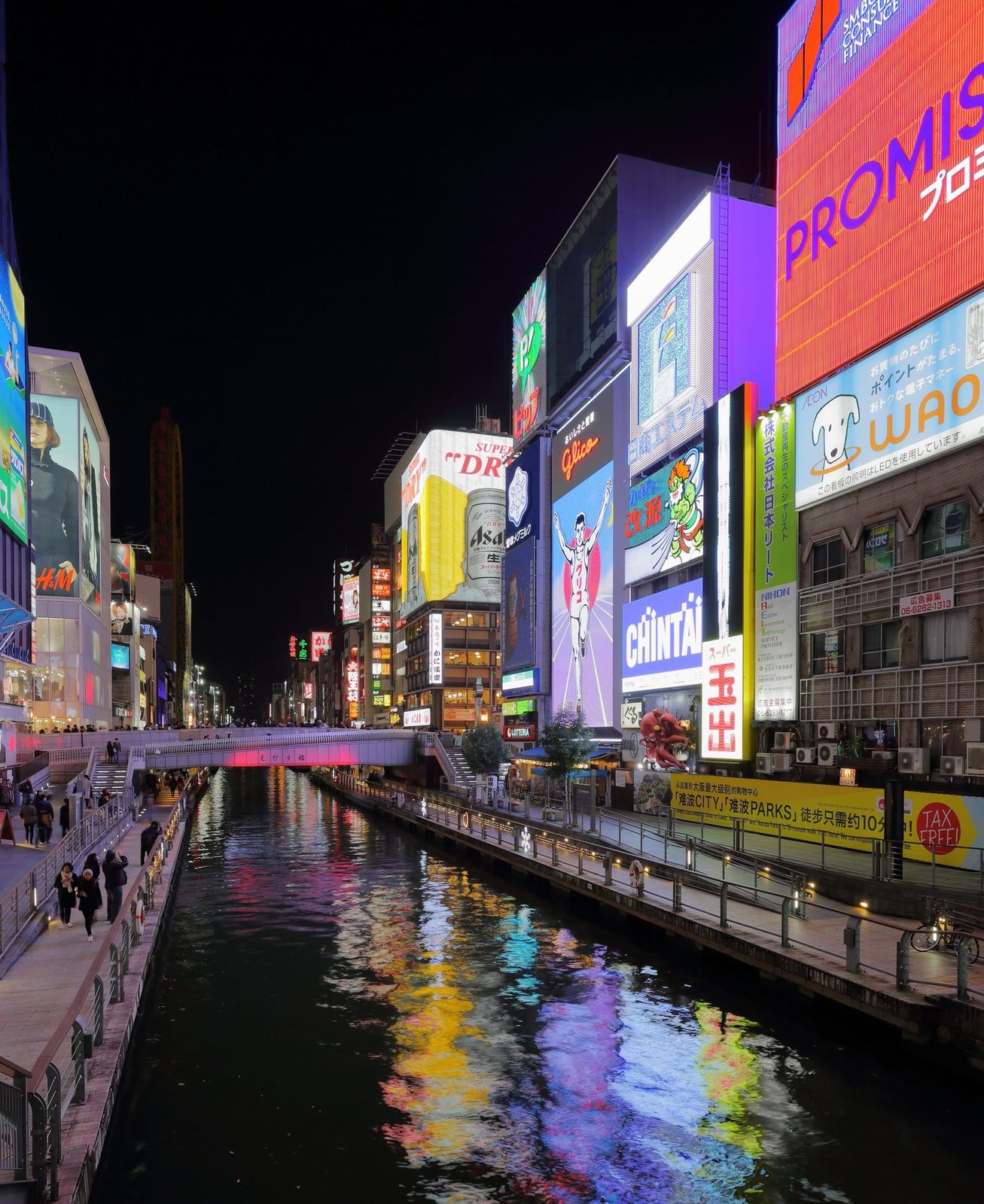
Kimono in Osaka: Where to Wear It, Best Photo Spots and How to Plan the Day
7 min · culture

7-Day Kansai Itinerary: Osaka, Kyoto, Nara, and Kobe in One Trip
7 min · itineraries
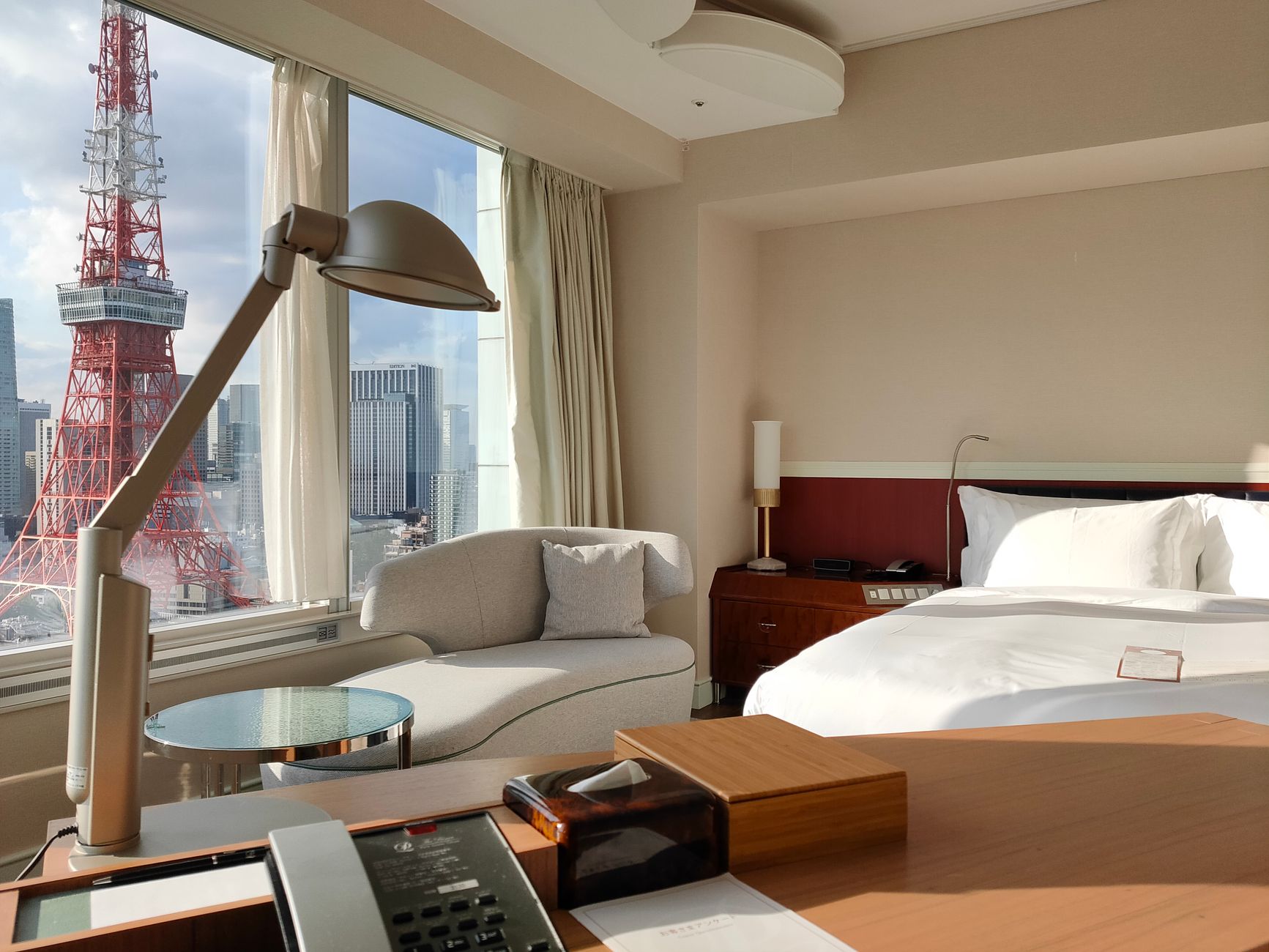
Choosing a Long-Stay Hotel Near a Hospital in Tokyo or Osaka
6 min · tips
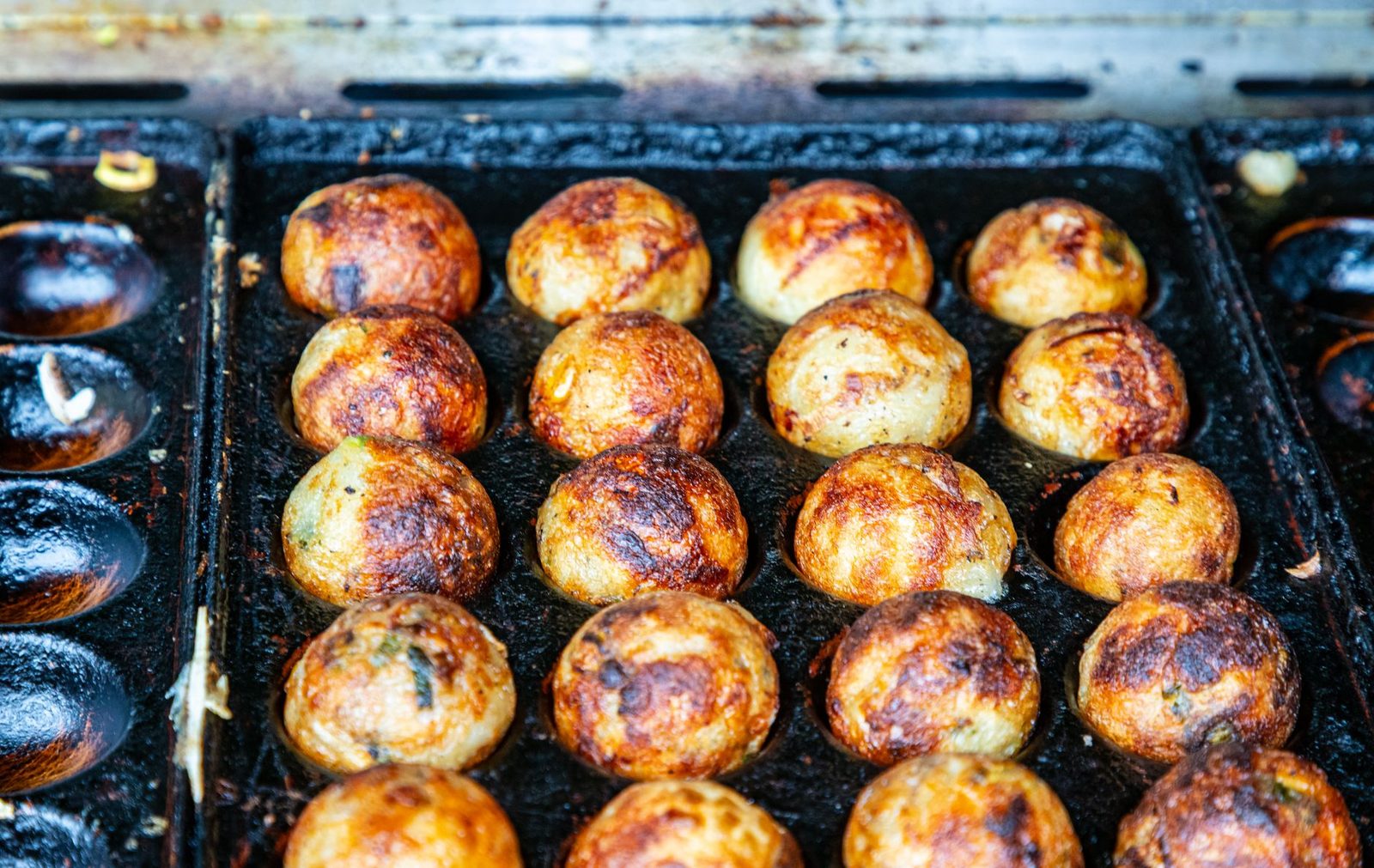
Osaka — 10 Street Foods You Absolutely Must Try in Dotonbori
4 min · destinations