
Tokyo Yakitori: From Casual Local Spots to Fine-Dining Restaurants
A comprehensive guide to the depth and appeal of yakitori in Tokyo. Learn the basics of classic cuts, discover lively casual spots and hard-to-book fine-dining restaurants, and pick up smart reservation tips—all with the latest information as of July 2026.
Jul 24, 2026·✍️ olablog·⏱ 10 min read
A comprehensive guide to the depth and appeal of yakitori in Tokyo. Learn the basics of classic cuts, discover lively casual spots and hard-to-book fine-dining restaurants, and pick up smart reservation tips—all with the latest information as of July 2026.
Tap a region to browse articles
When it comes to the foods that define Tokyo nightlife, few are more iconic than yakitori, with its enticing smoky aroma. The world of yakitori is surprisingly deep and diverse, ranging from casual neighborhood spots where you can drop in spontaneously to exclusive, reservation-only restaurants where you can watch master chefs at work. In this guide, the OlaChill editorial team introduces the essential knowledge you need to fully enjoy yakitori in Tokyo, along with recommended restaurants and tips for making reservations, based on the latest information as of July 2026.
Yakitori Basics: Know the Cuts and Double Your Enjoyment!
One of yakitori’s greatest appeals is the variety of cuts that allow you to enjoy every part of the chicken. Once you understand the distinctive textures and flavors of each cut, your appreciation of yakitori will expand dramatically.
Classic Cuts
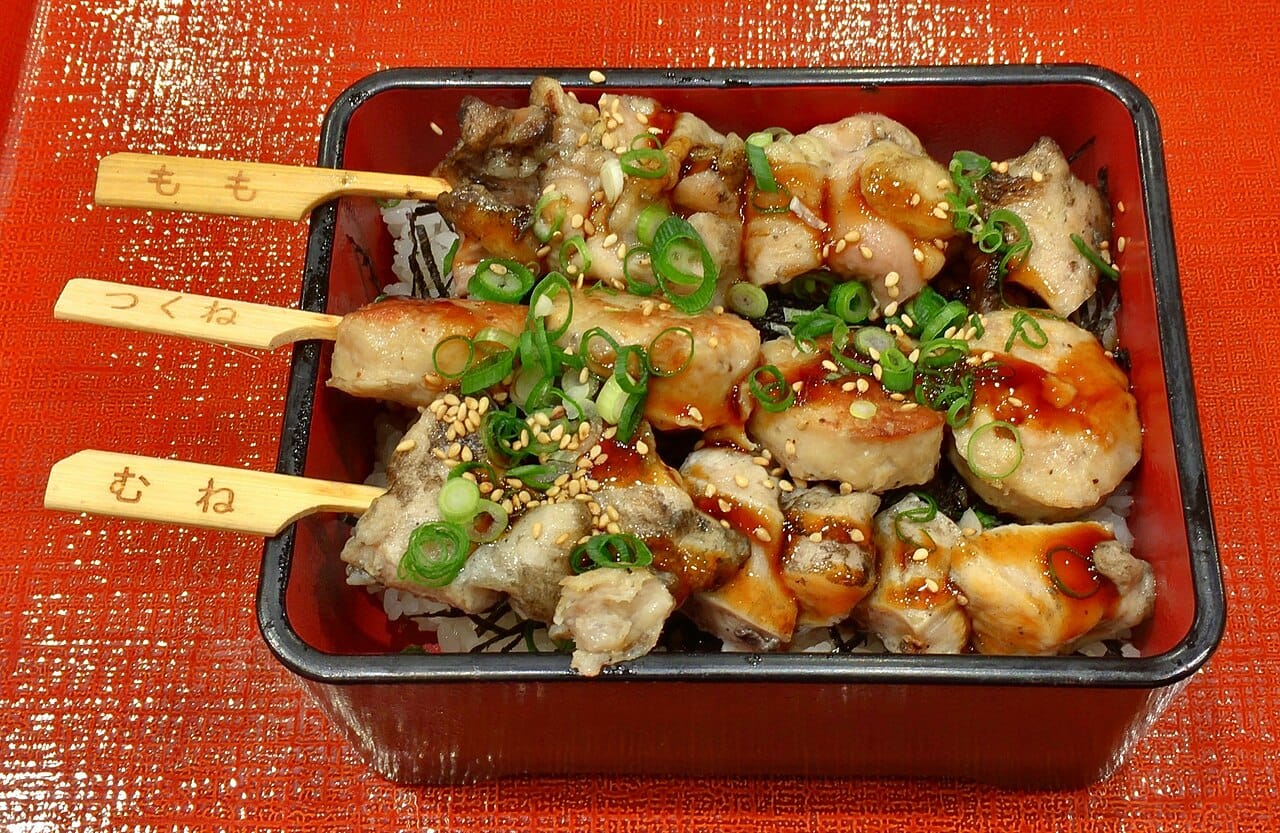
- Momo: Chicken thigh meat, known for its juicy texture and rich, savory flavor. If you are not sure where to start, this is the classic choice.
- Negima: Chicken thigh and long green onion threaded alternately onto a skewer, creating a perfect harmony between the chicken’s savory flavor and the onion’s sweetness.
- Tsukune: A popular preparation made from seasoned ground chicken, served in a variety of shapes and styles. Each restaurant has its own take, and it is also commonly served with an egg yolk for dipping.
- Kawa: Usually made with the skin from the neck, this cut is prized for its crisp texture and rich, melt-in-your-mouth fat.
- Reba: Chicken liver, which is rich in iron. Its distinctive flavor and exceptionally soft, almost creamy texture make it a cut that divides opinion.
- Sunagimo: Part of the chicken’s stomach, with an appealingly firm, crunchy texture. Relatively light in flavor, it is especially good with salt.
- Nankotsu: Chicken cartilage, characterized by its satisfyingly crunchy texture. Varieties include “yagen nankotsu,” from the tip of the breastbone, and “hiza nankotsu” (genkotsu), from the knee.
Rare Cuts
Because only small amounts can be taken from each chicken, there are many rare cuts that are well worth trying if you come across them.
- Seseri: Neck meat with a pleasing balance of fat and a springy texture.
- Bonjiri: Meat from the chicken’s tailbone area, known for its generous fat content and juicy flavor.
- Furisode: The area where the wing connects to the body. Its excellent balance of skin and meat makes it a popular, juicy cut.
- Chochin: Unfertilized yolk (kinkan) and oviduct (himo) threaded together. The rich yolk melts in your mouth, making this a truly special skewer.
Tokyo’s Yakitori Culture: The Appeal of Casual and Fine-Dining Restaurants
Yakitori restaurants in Tokyo can broadly be divided by style into “casual” and “fine-dining” establishments. Each offers a different experience, so you can choose according to the occasion.
The Appeal of Casual Restaurants
Lively casual spots are perfect for an after-work drink or a bustling meal with friends. You can enjoy classic yakitori to your heart’s content at affordable prices. Another highlight is being able to watch the chefs expertly grill the skewers right in front of you amid clouds of smoke. Many restaurants accept walk-ins, although popular establishments may have lines.
The Appeal of Fine-Dining Restaurants
Fine-dining restaurants, on the other hand, use carefully selected regional chicken and rare cuts, which skilled chefs grill one skewer at a time using distinctive techniques such as “近火の強火” (“high heat close to the flame”). Counter seating is the norm, and guests typically enjoy an omakase course featuring seasonal ingredients and inventive small dishes while chatting with the grill chef. These restaurants are often chosen for special occasions, such as anniversaries or important business entertaining. Tokyo is also home to many acclaimed establishments that have earned Michelin stars.
A Selection of Tokyo’s Top Restaurants: Casual Edition
Tokyo is home to numerous beloved casual yakitori restaurants frequented by locals. Here are a few places where you can drop in and enjoy delicious yakitori with ease. (Information current as of July 2026)
Toriyu Ichiban-dori (とり勇)
This standing-style restaurant is an easygoing place to enjoy freshly grilled skewers. In its nostalgic atmosphere, you can savor delicious yakitori alongside a cold beer.
Toritake Sohonten
A long-established casual yakitori restaurant in Shibuya, known for its generously sized skewers and consistently delicious food. It is recommended for anyone who wants to enjoy hearty yakitori in an interior steeped in the atmosphere of the Showa era.
Ogawa
This popular Ningyocho restaurant operates as a fine-dining yakitori establishment at night, but at lunchtime it serves an exceptional yakitori rice box at an affordable price. The box may look small at first glance, but it is packed with chicken thigh meat coated in sauce, making it surprisingly satisfying.
- Hours: [Mon–Fri] Lunch: 11:30〜13:30
- Lunch budget: Around 1,000円 (regular portion)
Takeout-Only Yakitori Shikishima SHIKISHIMA
A takeout-only yakitori restaurant in Yotsuya. Using fresh domestic ingredients and a specially designed yakitori grill, it serves juicy skewers. It is ideal for anyone who wants to enjoy yakitori at home at a leisurely pace.
These casual restaurants offer a food experience woven into the everyday life of Tokyo. Why not enjoy delicious yakitori while taking in the city’s vibrant energy? See day trips from Tokyo
A Selection of Tokyo’s Top Restaurants: Fine-Dining Edition
Tokyo also has many high-end yakitori restaurants capable of impressing even the most discerning food lovers. Many are difficult to book, but the exceptional experiences they offer make the effort worthwhile.
Torishiki (Meguro)
Meguro’s Torishiki is often described as “the hardest yakitori restaurant in Japan to get a reservation at.” It is also the first yakitori restaurant to receive a Michelin star. Owner Yoshiteru Ikegawa uses his distinctive “近火の強火” grilling technique to draw out the maximum flavor of Date chicken. In the counter-only dining room, guests can watch the chef’s almost miraculous control of the fire from just a few feet away.
- Estimated budget: 31,000円 (seating fee on the OMAKASE reservation site)
- Reservations: Extremely difficult. Reservations are accepted on the first business day of each month through the end of the month two months later. Online reservations through the “OMAKASE” booking site are the standard method.
- Hours (as of July 2026): Tue–Sat 17:00~22:00 (L.O.21:00)
Yakitori Omino Shizuku (Tokyo Station)
A new branch of Yakitori Omino, the Michelin one-star restaurant in Oshiage, is scheduled to open on 2026年9月10日 at Tofrom Yaesu, directly connected to Tokyo Station. The refined space includes private rooms, making it well suited to business meals and special occasions.
Yakitori Takahashi
A yakitori restaurant that has earned one Michelin star. It is recommended for anyone who wants to enjoy high-quality yakitori in a calm, relaxed setting.
- Estimated budget: 12,000円 (information from the OMAKASE reservation site)
These fine-dining restaurants offer more than just a meal—they provide an experience akin to an artwork appreciated with all five senses. Why not visit one to create lasting memories on a special occasion? Book sightseeing tickets and passes
Reservation Tips and Dining Etiquette
When visiting a popular yakitori restaurant, making arrangements in advance and observing proper etiquette are essential.
Reservation Tips
- Fine-dining restaurants: For hard-to-book restaurants such as Torishiki, use an online reservation service such as OMAKASE and complete the booking quickly when reservations open. It is not unusual for tables to be fully booked several months in advance.
- Casual restaurants: Even at casual restaurants, it is best to make a reservation for weekends, public holidays, or visits with a large group. Use telephone reservations or booking sites such as Hot Pepper Gourmet.
- Check the cancellation policy: Fine-dining restaurants in particular may have strict cancellation policies. Always check the terms when booking, and contact the restaurant as soon as possible if your plans change.
Dining Etiquette
- Avoid wearing perfume: Yakitori is a cuisine that places great importance on delicate aromas. Avoid strong fragrances so you do not interfere with the food’s aroma.
- Eat it as soon as it is served: Yakitori is at its best fresh off the grill. Enjoy it while it is still hot.
- Whether to remove it from the skewer: Opinions vary depending on the restaurant and situation as to whether yakitori should be removed from the skewer before eating. In general, eating it directly from the skewer is recommended because it helps retain the juices and keeps the meat from cooling too quickly. However, if appearance is a concern, such as for women or on a date, you may prefer to remove the pieces one at a time. If you are unsure, ask the restaurant staff or observe what those around you are doing.
- Start with lighter flavors: When ordering several skewers, it is generally best to eat them from lighter flavors, such as salt-seasoned skewers, to stronger ones, such as sauce-seasoned skewers.
The Perfect Drink with Yakitori: Pairing Suggestions
The right drink can bring out the flavor of yakitori even further.
- Beer: The combination of smoky, charcoal-grilled yakitori and refreshing beer is hard to beat. It is especially classic at casual restaurants.
- Sake: You can enjoy a wide range of sake depending on the cut and seasoning. Light, dry sake refreshes the palate after fatty cuts, while junmai sake and similar styles enhance the savory richness of sauce-seasoned skewers.
- Shochu: Sweet-potato and barley shochu pair well with yakitori, whether served on the rocks, with hot water, or with cold water.
- Wine: More restaurants, especially high-end yakitori establishments, now offer wine pairings. Choosing red or white wine according to the type of chicken and cooking method is also highly recommended.
Frequently Asked Questions
Q. Can I get yakitori to go?
A. Yes, many yakitori restaurants offer takeout. Plenty of casual establishments let you purchase skewers easily at the counter, while some fine-dining restaurants, such as Kyobashi Isehiro Honten, offer assorted yakitori platters by reservation.
Q. Are there restaurants that serve yakitori at lunchtime?
A. Yes, Tokyo has many yakitori restaurants that open for lunch. Many serve yakitori rice boxes or oyakodon, offering the appeal of enjoying the cuisine at a more affordable price than in the evening.
Q. Can I visit a yakitori restaurant with children?
A. Some casual restaurants have an atmosphere that is suitable for families with children, but fine-dining establishments often cater to guests seeking a quiet environment, so it is best to check with the restaurant in advance. Choosing a restaurant with private rooms can provide extra peace of mind.
Q. Which yakitori cuts do you recommend?
A. For first-time visitors, we recommend the tender, flavorful “momo,” the easy-to-eat ground-meat “tsukune,” and “negima,” which offers a good balance of chicken and green onion. If you enjoy contrasting textures, “kawa” and “sunagimo” are also excellent choices.
Q. I am worried about smoke and odors getting on my clothes when eating yakitori. Is there anything I can do?
A. At charcoal-grilled yakitori restaurants, smoke and odors can easily cling to clothing. If this concerns you, consider what you wear to the restaurant and bring a deodorizing spray. Some high-end restaurants take special care with ventilation, but if you are worried, it is best to check in advance.
Tokyo’s yakitori continues to captivate visitors with its diversity and depth. We hope this guide helps make your yakitori experience in Tokyo even more enjoyable.
More from this region — Tokyo & Kanto
View all →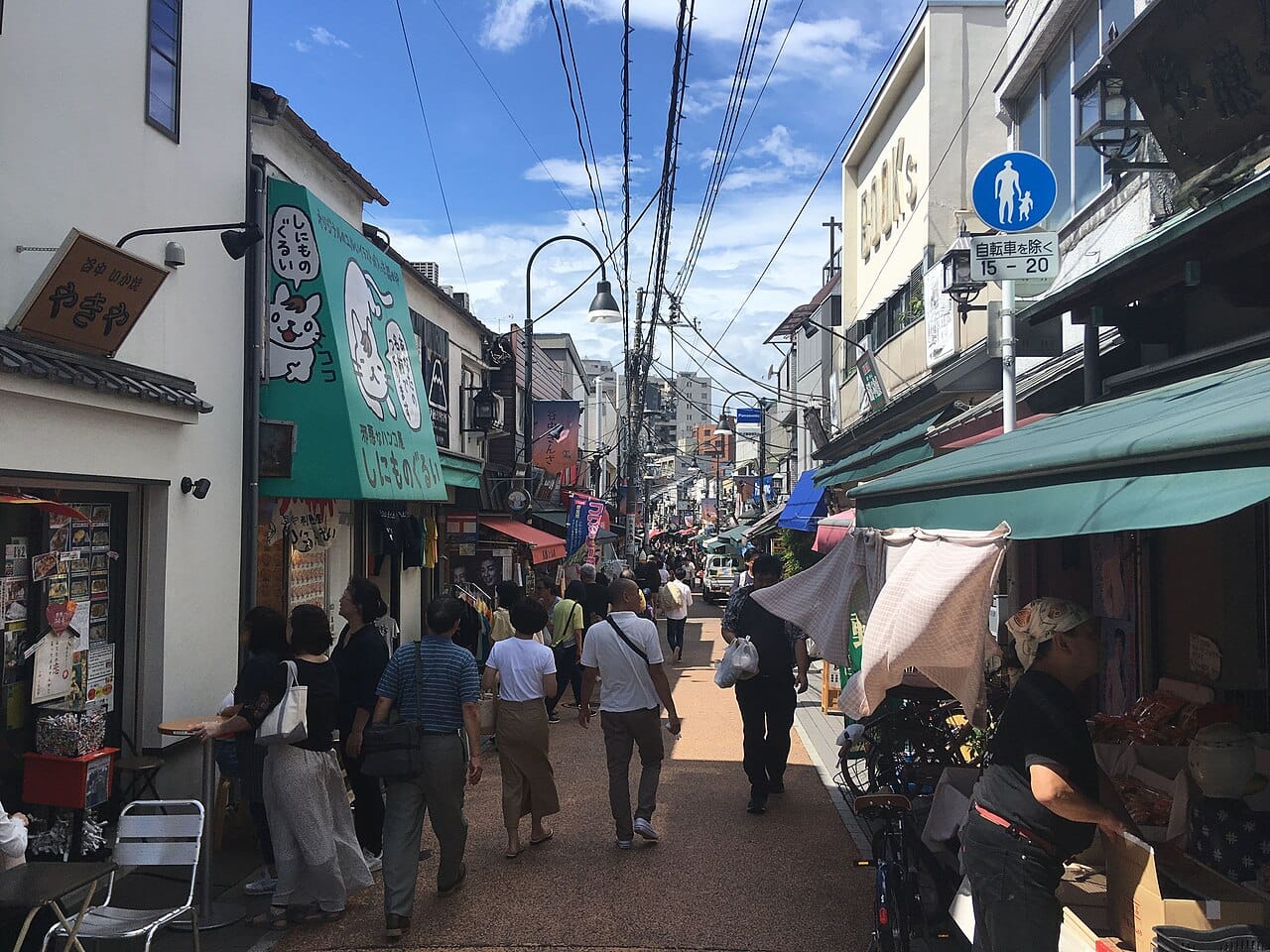
Yanaka, Nezu, and Sendagi: A Retro Downtown Stroll
10 min · destinations
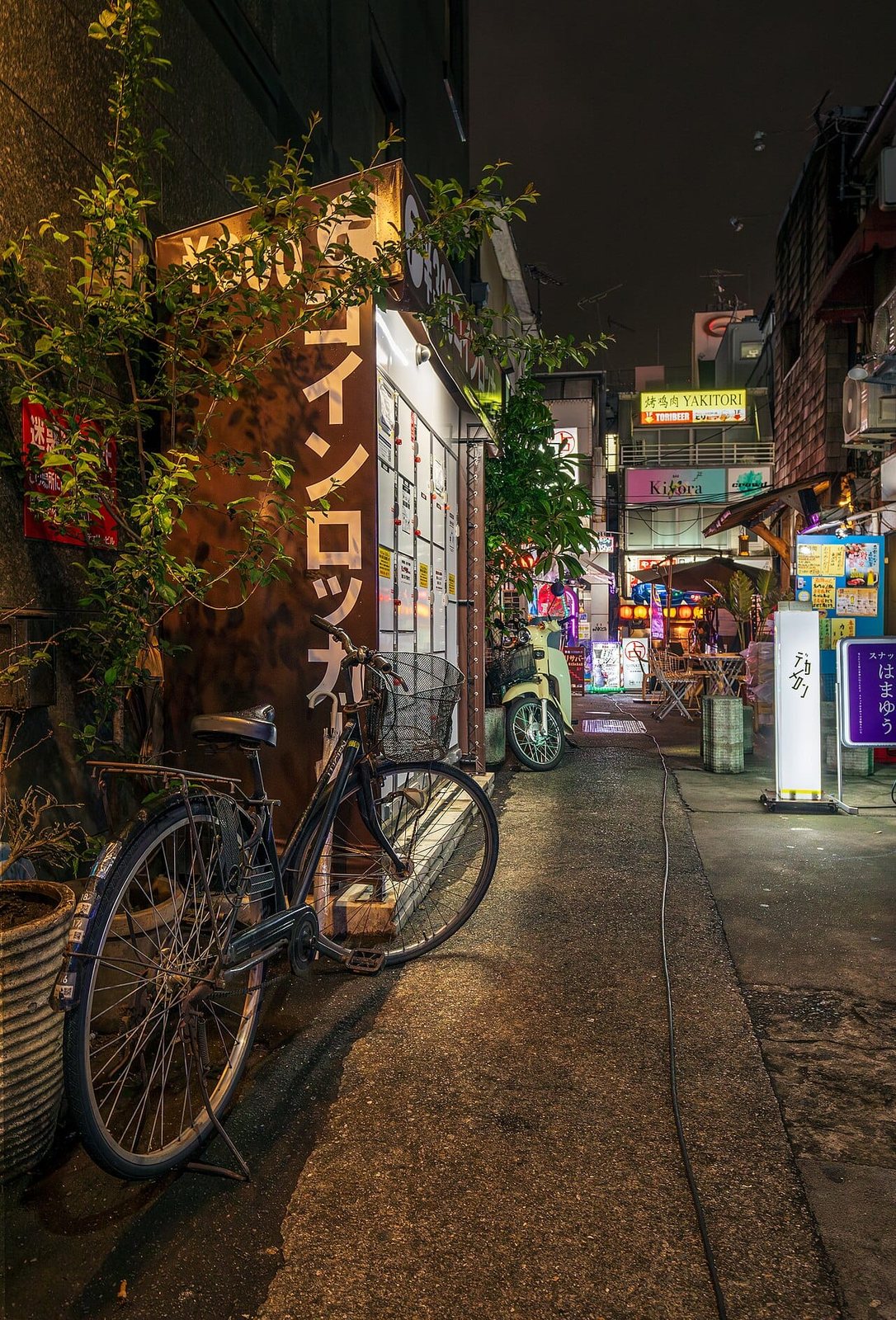
Neo Yokocho Guide: How to Enjoy Shibuya Yokocho and Toranomon Yokocho
8 min · food
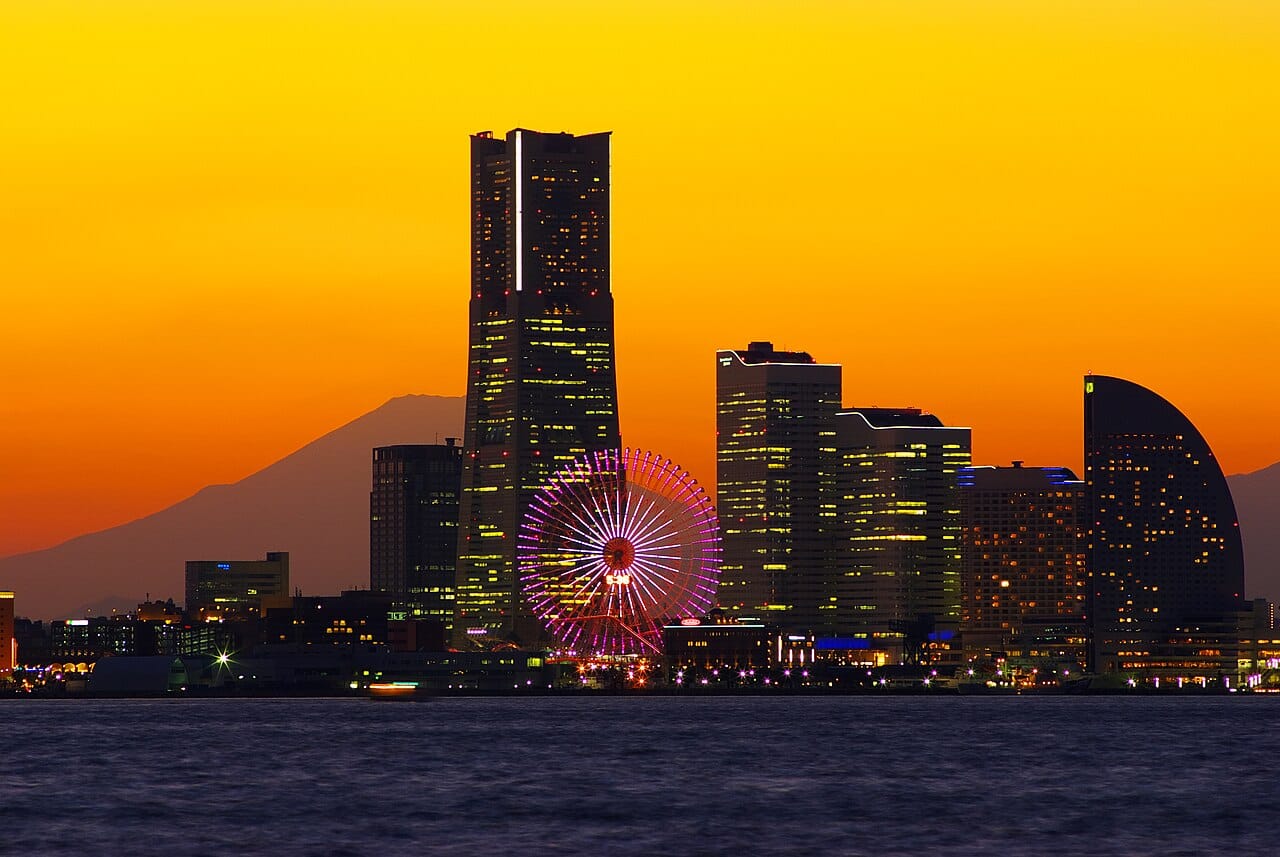
Half-Day Trip from Tokyo to Yokohama: Chinatown, Minato Mirai, and Red Brick Warehouse
12 min · destinations
Kamakura & Enoshima Private Day Trip by Minivan
9 min · tips