
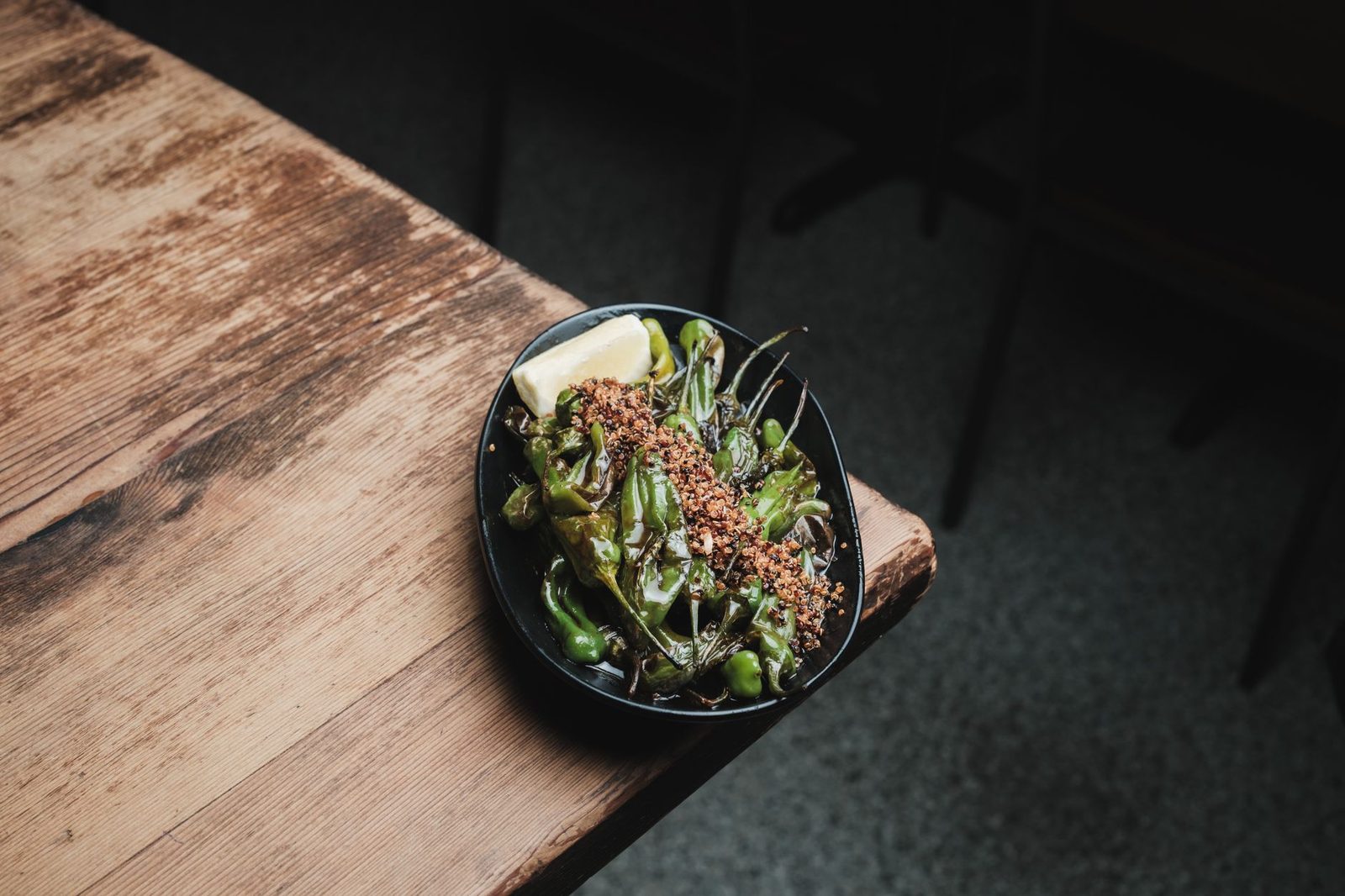
Tokyo Vegan & Halal Restaurant Guide
For travelers who want to enjoy vegan and halal-friendly meals during their trip to Tokyo. This comprehensive guide covers restaurants by area, how to read food labels, and tips for making selections at convenience stores. Enjoy Japan’s food culture with confidence.
Jul 24, 2026·✍️ olablog·⏱ 10 min read
For travelers who want to enjoy vegan and halal-friendly meals during their trip to Tokyo. This comprehensive guide covers restaurants by area, how to read food labels, and tips for making selections at convenience stores. Enjoy Japan’s food culture with confidence.
Tap a region to browse articles
Tokyo is a diverse city that attracts travelers from around the world. As interest in dietary diversity has grown in recent years, so too has the number of restaurants offering vegan and halal-friendly options. This guide provides information to help you dine with confidence in Tokyo.
Finding Vegan-Friendly Restaurants in Tokyo
As health-conscious dining becomes more popular, the number of restaurants serving vegan food in Tokyo continues to grow. The greatest variety of options can be found in the central parts of the city.
Shibuya and Harajuku Area
As hubs of youth culture, Shibuya and Harajuku are dotted with stylish, healthy vegan cafés and restaurants.
- Vegan Café & Restaurant AIN SOPH. ripple (アインソフ リプル)
- Genre: Burgers, sweets, and more.
- Features: Every item on the menu is vegan. The generously sized burgers and pancakes are especially popular.
- Address: 東京都渋谷区神宮前2-19-14。
- Hours: As of 2026年7月, the hours are reportedly weekdays 11:30~17:00 (L.O. 16:30) and weekends and holidays 11:30~18:00 (L.O. 17:30), but please check with the restaurant for the latest information.
- Trueberry (トゥルーベリー)
- Genre: Smoothies, salads, vegan bento, and more.
- Features: The menu includes a wide selection of dishes made with organic vegetables and superfoods, and the restaurant is also convenient for takeout.
- Address: 東京都渋谷区神宮前5-3-13。
- Hours: As of 2026年7月, the hours are reportedly weekdays 9:00~19:00 and weekends and holidays 10:00~19:00, but please check with the restaurant for the latest information.
Shinjuku Area
Although Shinjuku is a business district, it also attracts many tourists and has a range of vegan-friendly restaurants serving cuisine from around the world.
- T'sたんたん (also located inside JR Tokyo Station)
- Genre: Vegan ramen.
- Features: The restaurant serves ramen made without any animal-derived ingredients, concentrating the rich umami of vegetables into every bowl. Its direct connection to Shinjuku Station makes it exceptionally accessible.
- Address: 東京都新宿区新宿3-38-1 ルミネエスト新宿B2F。
- Hours: As of 2026年7月, the hours are reportedly weekdays 11:00~22:00 (L.O. 21:30) and weekends and holidays 10:30~22:00 (L.O. 21:30), but please check with the restaurant for the latest information.
Asakusa Area
Even in Asakusa, where you can experience a traditional Japanese atmosphere, the number of vegan-friendly restaurants continues to increase.
- Veganic to go (ヴィーガニック トゥーゴー)
- Genre: Vegan burgers, curry, sweets, and more.
- Features: The restaurant specializes in dishes made with carefully selected organic ingredients, and takeout is also available.
- Address: 東京都台東区浅草1-10-5。
- Hours: As of 2026年7月, the hours are reportedly Tuesday~Sunday 11:00~20:00 (L.O. 19:30), but please check with the restaurant for the latest information.
Finding Halal-Friendly Restaurants in Tokyo
To help Muslim travelers dine with peace of mind, Tokyo has seen a growing number of halal-certified restaurants and halal-friendly establishments.
Ueno and Asakusa Area
Ueno and Asakusa are home to many halal-friendly restaurants, partly because the area has mosques and other Islamic-related facilities.
- サカエヤ (Sakae-ya)
- Genre: Japanese barbecue.
- Features: The restaurant serves halal-certified Wagyu, allowing guests to enjoy Japan’s yakiniku culture in a halal-friendly setting.
- Address: 東京都台東区上野4-5-9。
- Hours: As of 2026年7月, the hours are reportedly weekdays 17:00~23:00 and weekends and holidays 12:00~23:00, but please check with the restaurant for the latest information.
- 浅草ハラールレストラン ラーマヤン (Asakusa Halal Restaurant Ramayan)
- Genre: Indian and Nepalese cuisine.
- Features: Every item on the menu is halal-friendly, and guests can enjoy authentic curry and naan.
- Address: 東京都台東区浅草1-10-4。
- Hours: As of 2026年7月, the hours are reportedly Monday~Sunday 11:00~23:00 (L.O. 22:30), but please check with the restaurant for the latest information.
Shinjuku Area
Shinjuku has many restaurants serving international cuisine, including a wide range of halal-friendly options.
- 新宿御苑ハラールレストラン (Shinjuku Gyoen Halal Restaurant)
- Genre: Indian and Pakistani cuisine.
- Features: Using halal-certified ingredients, the restaurant serves authentic dishes prepared with a variety of spices.
- Address: 東京都新宿区新宿2-14-6。
- Hours: As of 2026年7月, the hours are reportedly Monday~Sunday 11:00~23:00 (L.O. 22:30), but please check with the restaurant for the latest information.
How to Read Vegan and Halal Labels
When identifying vegan and halal-friendly foods and restaurants in Japan, it is useful to know a few common labeling practices.
Vegan Labels
Vegan products and menu items may display labels such as the following:
- Clearly labeled “ヴィーガン” or “Vegan”: This is the clearest indication.
- “動物性原料不使用”: This indicates that no animal-derived ingredients—including meat, seafood, eggs, dairy products, or honey—are used.
- Allergen information: It is important to check whether allergens such as “eggs” or “milk” are listed, but the absence of these allergens does not guarantee that a product is vegan.
- Vegan certification marks: Some products carry marks issued by international certification organizations.
Halal Labels
Halal products and menu items may display labels such as the following:
- Halal certification marks: There are several halal certification organizations in Japan, each with its own certification mark. Examples include marks from the Japan Halal Association and the Islamic Center of Japan. These marks indicate that a product or service has been produced or provided in accordance with Islamic law.
- Clearly labeled “ハラール” or “Halal”: This may be displayed on a restaurant sign or menu.
- Muslim Friendly / Muslim Welcome: These labels may be used for facilities or products that accommodate Muslim needs without having received halal certification. For example, they may avoid pork and alcohol or use dedicated cooking utensils, meeting certain standards. However, these labels are not equivalent to certification marks, so it is recommended that you confirm the details with the restaurant.
How to Choose Products at Convenience Stores
Japanese convenience stores are extremely convenient, but finding vegan and halal-friendly products can be somewhat difficult. Still, knowing what to look for can help you find suitable items with confidence.
Choosing Vegan-Friendly Products
- Onigiri and bread: Carefully check the ingredients to make sure they do not contain meat, seafood, eggs, or dairy products. Onigiri filled with pickled plum, kombu, or vegetables, as well as simple sliced bread, may be good options.
- Salads and cut vegetables: Be careful to check whether the dressing contains animal-derived ingredients. Oil-free dressings, or items that can be seasoned with salt and pepper, are safer choices.
- Snacks and desserts: Some simple snacks, such as potato chips and senbei, may be vegan-friendly. Look for the phrase “動物性原料不使用” in the ingredient list.
- Beverages: Water, tea, coffee (black), 100% fruit juice, and soy milk are generally vegan-friendly.
- Checking the ingredient list: Be sure to check for terms such as “肉エキス,” “魚介エキス,” “ゼラチン,” “乳化剤(乳由来),” and “卵白.”
Choosing Halal-Friendly Products
Halal-certified products are uncommon at convenience stores, but you can make more informed choices by paying attention to the following:
- No alcohol or pork: The most important thing is to ensure that the product contains no alcohol, pork, or pork-derived ingredients. Check the ingredient list carefully.
- Foods centered on seafood and vegetables: Onigiri, bento, and prepared foods made primarily with seafood or vegetables are relatively safe choices. However, seasonings may contain alcohol or pork-derived ingredients, so caution is still necessary.
- Beverages: Water, tea, and 100% fruit juice are generally fine.
- Halal certification marks: If you find one, the product should be safe to purchase with confidence. However, these marks are not yet common in convenience stores.
- Muslim-friendly labels: Some convenience stores may carry products labeled as Muslim-friendly.
To make your stay in Tokyo even more enjoyable, consider booking sightseeing tickets and passes and visiting popular attractions at great prices. More than 300 types of admission tickets, cruises, and passes can be arranged with instant confirmation.
Things to Keep in Mind When Dining at Restaurants
When visiting vegan or halal-friendly restaurants, keeping a few points in mind can make your dining experience smoother and more comfortable.
Reservations and Advance Confirmation
- Mention your requirements when booking: Especially at halal-friendly restaurants, telling the staff when making your reservation that you require vegan or halal options can help ensure a smooth experience.
- Check the menu: Look at the menu on the restaurant’s website in advance and confirm whether suitable dishes are available.
- Check allergen information: Even vegan or halal-friendly dishes may contain allergens. If you have a serious allergy, it is recommended that you confirm this again when making the reservation and upon arrival.
Communication
- Explain clearly: If you are not comfortable speaking Japanese, use a translation app or written communication to clearly explain your dietary restrictions.
- Do not be afraid to ask questions: If anything is unclear, feel free to ask the staff. Many restaurants will do their best to accommodate their customers’ needs.
Tokyo is well prepared to welcome a diverse range of food cultures. Finding vegan and halal-friendly meals has become much easier than it was in the past. Use this guide as a reference and make the most of your culinary adventure in Tokyo. If you are also considering a trip around the Tokyo area, you may want to see day tours from Tokyo. With a guided tour, you can explore the best of Japan in depth and with peace of mind.
Frequently Asked Questions
Q. Are there vegan-friendly Japanese restaurants in Tokyo? A. Yes. The number of vegan restaurants serving Japanese cuisine is growing, including restaurants near temples that serve shojin ryori and vegan-friendly izakayas. For example, you can find vegan-friendly Japanese restaurants in the Asakusa area.
Q. What is the difference between halal certification and Muslim-friendly? A. Halal certification means that a third-party organization guarantees that a product has been manufactured or provided in strict accordance with Islamic law. Muslim-friendly, on the other hand, indicates that a service accommodates Muslim needs without having received halal certification. Such establishments often meet certain standards, such as avoiding pork and alcohol, but they are not held to the same strict requirements as certified establishments.
Q. How can I find vegan and halal-friendly restaurants near Tokyo’s major tourist attractions? A. Searching Google Maps for terms such as “ヴィーガンレストラン 渋谷” or “ハラールレストラン 浅草” is an efficient way to find them. Specialized apps and websites such as HappyCow and Halal Gourmet Japan are also extremely useful.
Q. How can I explain in Japanese that I am vegan or need halal food at a restaurant? A. If you are vegan, you can say: “私はヴィーガンです。動物性の食材(肉、魚、卵、乳製品、はちみつなど)は食べられません。” If you require halal food, you can say: “私はムスリムです。ハラールの食事をお願いします。豚肉とアルコールは食べられません。” This should help make your needs clear.
More from this region — Tokyo & Kanto
View all →
Tokyo Vintage Shopping Guide: A Comparison of Shimokitazawa, Koenji, and Harajuku
8 min · tips
Tokyo Yakiniku Guide: Recommendations by Price Range
10 min · food
Tokyo Yakitori: From Casual Local Spots to Fine-Dining Restaurants
10 min · food
Yanaka, Nezu, and Sendagi: A Retro Downtown Stroll
10 min · destinations