Reading Japanese Food Labels
Navigate Japan's food labels with this essential guide for Indian/Bangladeshi travelers. Identify hidden gelatin, alcohol, pork, and fish.
Jul 10, 2026·✍️ olablog·⏱ 23 min read
Navigate Japan's food labels with this essential guide for Indian/Bangladeshi travelers. Identify hidden gelatin, alcohol, pork, and fish.
Navigating Japan's culinary landscape is an adventure, but for many travelers from India and Bangladesh, dietary restrictions around pork, fish, alcohol, and even gelatin can transform excitement into anxiety. With numerous delicious-looking packaged foods and restaurant dishes, the challenge often lies in deciphering what's truly inside. This guide will equip you with the tools to confidently read Japanese food labels and make informed choices, ensuring your trip is as delicious as it is worry-free, potentially saving you from accidental consumption or unnecessary expenses on specialty meals. For instance, a typical convenience store snack might cost ¥200 (approx. ₹112), but unknowingly containing an animal-derived ingredient could lead to discomfort.
Why Japanese Food Labels Are Tricky (and Crucial for You)
Japanese cuisine, while globally celebrated, frequently incorporates ingredients that are not immediately obvious from a dish's appearance or a label's English translation. This is especially true for those adhering to vegetarian, vegan, or halal diets. The culinary bedrock of Japan, dashi (出汁), a savory broth, is a prime example. While vegetable-based dashi exists, the most common form is katsuobushi dashi, made from bonito flakes (dried, fermented, and smoked skipjack tuna). This means many seemingly vegetarian dishes, like miso soup, often contain fish. Similarly, mirin (みりん), a sweet rice wine, and sake (酒), rice wine, are fundamental to marinades, sauces, and cooking, often reducing to a point where their alcoholic content is negligible but still present as an ingredient.
Beyond these, gelatin (ゼラチン) is a ubiquitous thickening agent in desserts, jellies, yogurts, and even some candies, almost exclusively derived from pork or beef in Japan. Animal fats, including lard (ラード) and various forms of shortening (ショートニング), are also common in baked goods, instant noodles, and fried foods. Unlike in India or Bangladesh, where "vegetarian" or "halal" certifications are more widespread and clearly marked on packaged foods, such labels are rarer in mainstream Japanese supermarkets. This necessitates a proactive approach to label reading, making it crucial for first- and second-time visitors to Japan to understand the nuances of these hidden ingredients. Ignoring these details can lead to unintended dietary violations, potentially impacting your comfort and peace of mind during your trip.
Your Essential Kanji Cheat Sheet: Identifying Animal-Origin Ingredients
To confidently navigate Japanese food labels and menus, memorizing or having quick access to a few key Kanji and Katakana characters is indispensable. This cheat sheet focuses on ingredients of particular concern for vegetarian, vegan, and halal diets. Remember, Katakana is used for foreign loan words, so many modern ingredients like "gelatin" will be in Katakana.
| Kanji/Katakana | Hiragana/Romaji | English Meaning | Notes for Dietary Restrictions |
|---|---|---|---|
| 豚肉 | ぶたにく / butaniku | Pork meat | Halal/Vegetarian/Vegan avoid. Very common. |
| 豚 | ぶた / buta | Pork (general) | Often used in ingredient lists. |
| ラード | らーど / rādo | Lard | Halal/Vegetarian/Vegan avoid. Pork fat, found in processed foods, bread. |
| 牛肉 | ぎゅうにく / gyūniku | Beef meat | Halal avoid unless explicitly halal certified. Vegetarian/Vegan avoid. |
| 鶏肉 | とりにく / toriniku | Chicken meat | Halal avoid unless explicitly halal certified. Vegetarian/Vegan avoid. |
| 魚 | さかな / sakana | Fish | Vegetarian/Vegan avoid. Ubiquitous in dashi, sauces. |
| 魚介 | ぎょかい / gyokai | Seafood | Vegetarian/Vegan avoid. Includes shellfish, etc. |
| 貝 | かい / kai | Shellfish | Vegetarian/Vegan avoid. Common in snacks, soups. |
| ゼラチン | ぜらちん / zerachin | Gelatin | Halal/Vegetarian/Vegan avoid. Almost always animal-derived (pork/beef) in Japan. Found in sweets, yogurts, processed foods. |
| 動物性油脂 | どうぶつせいゆし / dōbutsuseiyushi | Animal Fat/Oil | Halal/Vegetarian/Vegan avoid. Could be from any animal source. |
| ショートニング | しょーとにんぐ / shōtoningu | Shortening | Can be animal or vegetable-derived. Caution: Vegetarian/Vegan check further. Often animal-derived in Japan. |
| アルコール | あるこーる / arukōru | Alcohol | Halal/Vegan avoid. Used as a preservative or flavor enhancer. |
| 酒 | さけ / sake | Sake (rice wine) | Halal/Vegan avoid. Cooking sake (料理酒, ryōrishu) is common. |
| みりん | みりん / mirin | Mirin (sweet rice wine) | Halal/Vegan avoid. Essential cooking ingredient. |
| だし / 出汁 | だし / dashi | Broth/Stock | Vegetarian/Vegan avoid unless specified vegetable. Most commonly bonito (かつお / katsuo). |
| かつお | かつお / katsuo | Bonito fish | Vegetarian/Vegan avoid. Key ingredient in dashi. |
| 卵 | たまご / tamago | Egg | Vegan avoid. Used widely in baking, noodles, breakfast. |
| 乳製品 | にゅうせいひん / nyūseihin | Dairy Products | Vegan avoid. Includes milk (牛乳, gyūnyū), cheese (チーズ, chīzu), butter (バター, batā). |
Keep this table handy on your phone or printed out. It's your first line of defense against hidden ingredients.
Navigating the Supermarket Aisle: Practical Tips for Shopping
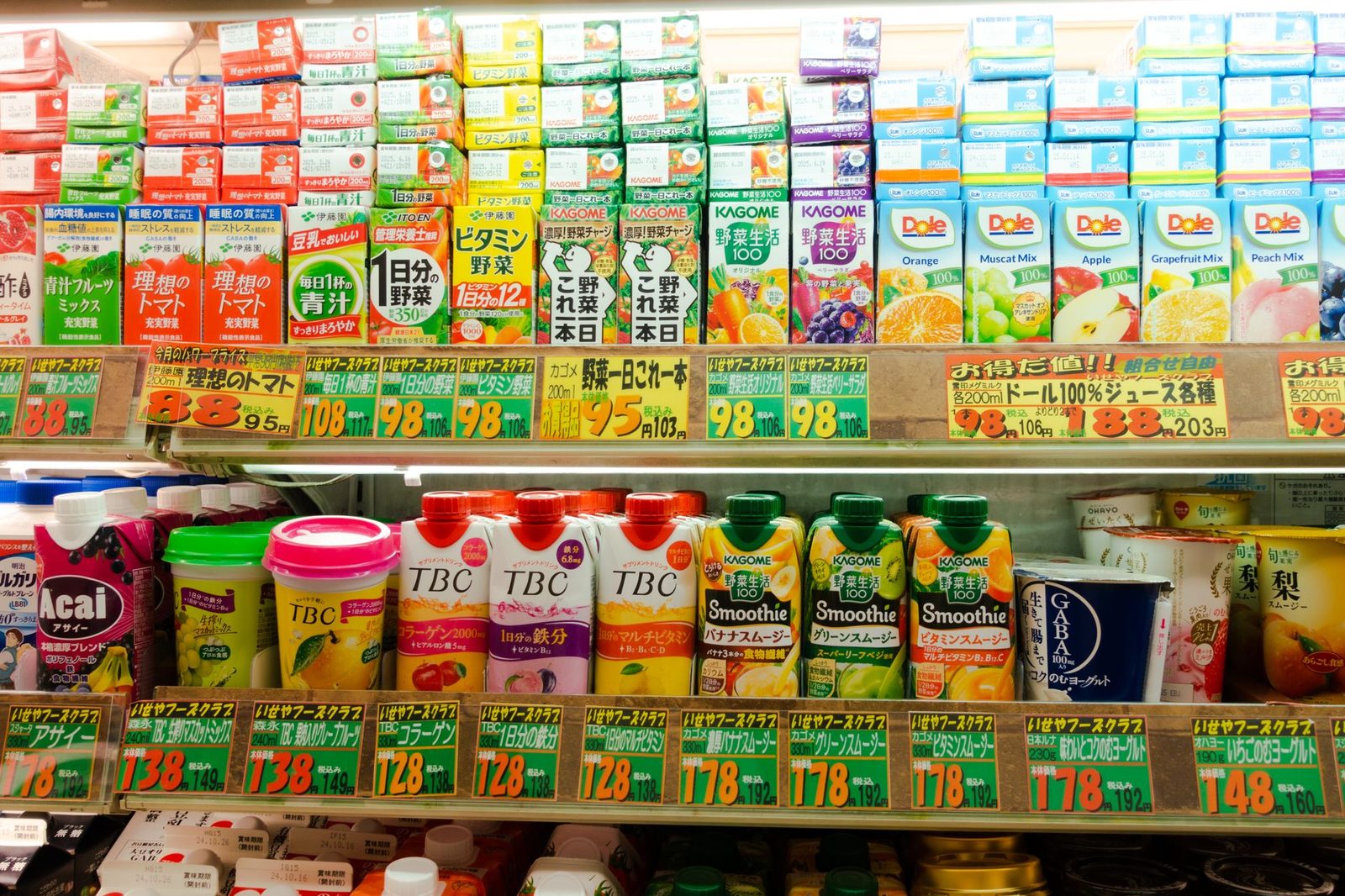
Supermarkets and convenience stores (like 7-Eleven, FamilyMart, Lawson) are your allies for budget-friendly meals and snacks in Japan. However, they are also where hidden ingredients are most prevalent. A basic cup of instant noodles, for example, might cost around ¥150-300 (approx. ₹84-168), but almost certainly contains pork, fish, or beef extracts.
Look for Clear Labels (but don't rely solely): While rare, some products might carry "vegetarian" (ベジタリアン) or "vegan" (ヴィーガン) labels, especially in larger cities like Tokyo or Osaka. Halal-certified products (ハラール) are even less common in mainstream stores but can be found in specialty shops or international aisles. Always cross-reference with the ingredient list, as these labels are not as standardized or prevalent as in India.
Focus on Whole, Unprocessed Foods: Your safest bets are fresh produce. Fruits, vegetables, and rice are naturally free from animal-derived additives. Look for:
- Fresh Fruits: Apples, bananas, mandarins are readily available and affordable.
- Plain Rice: Many convenience stores sell plain steamed rice (ご飯, gohan).
- Packaged Salads: Check dressings carefully; often they contain fish or meat extracts. Opt for plain salads and bring your own dressing if possible.
- Nuts and Seeds: Unflavored varieties are usually safe.
- Tofu: Plain tofu (豆腐, tōfu) is an excellent protein source.
- Bread: Be cautious. Many breads contain milk, eggs, or even lard/shortening. Look for simple French bread (フランスパン) or check ingredient labels meticulously.
Beware of Common Culprits:
- Instant Noodles: Almost all contain pork, chicken, or seafood extracts in their soup base.
- Snacks (Chips, Crackers): Many savory snacks use flavoring agents derived from meat or fish. Sweet snacks often contain gelatin.
- Bento Boxes: Pre-made lunch boxes are very convenient (¥400-800, approx. ₹224-448), but virtually all contain fish dashi, meat, or other non-vegetarian/non-halal ingredients.
- Sauces and Dressings: Teriyaki, soy sauce (some brands), mayonnaise, and many salad dressings contain mirin, sake, or fish extracts.
- Yogurt and Desserts: Gelatin is incredibly common.
- "Vegetable" Products: A product labeled "vegetable curry" might still have meat extracts in the roux or dashi in its base. Always check the full ingredient list.
Reading the Ingredient List (原材料名, genzairyōmei): The ingredient list is typically found on the back or side of the package, usually starting with 原材料名. Ingredients are listed in descending order by weight. Your cheat sheet will be invaluable here. Look for the Kanji or Katakana for pork, beef, chicken, fish, gelatin, and alcohol. If you see them, avoid the product.
Dining Out Safely: Beyond the Labels
Eating out in Japan can be a delightful experience, but it requires careful communication. While food labels are absent, understanding restaurant types and carrying an allergy card are your best strategies.
Seek Out Specific Restaurant Types:
- Indian/Halal Restaurants: Major cities like Tokyo, Osaka, and Kyoto have a growing number of Indian and Halal restaurants. These are your safest bets for guaranteed vegetarian or halal meals. A meal might cost ¥1000-2000 (approx. ₹560-1120). Search online for "Halal Japan" or "Indian restaurant Tokyo."
- Buddhist Vegetarian (Shōjin Ryōri, 精進料理): This traditional cuisine, served primarily at temples or specialized restaurants (especially around Kyoto, Nara, and Mount Koya), is strictly vegan, avoiding all meat, fish, eggs, and dairy, as well as pungent ingredients like garlic and onion. It's often an elaborate, multi-course meal and can be pricey (¥3000-8000+, approx. ₹1680-4480+), but offers an authentic and safe dining experience.
- Vegan/Vegetarian Cafes: The number of dedicated vegan and vegetarian cafes is increasing in urban centers. These are excellent choices, often clearly labeling their dishes.
- Falafel/Middle Eastern Restaurants: Also a growing presence in cities, these often offer reliable halal and vegetarian options.
Communicating Your Dietary Needs (The Allergy Card is Key): Most Japanese restaurant staff may not fully understand the nuances of "vegetarian" or "halal" in an Indian/Bangladeshi context. Simply saying "no meat" might still result in dishes with fish dashi or alcohol. This is where a well-prepared allergy card (discussed in detail below) becomes invaluable. Present it clearly to the staff.
Useful Phrases to Learn (and write on your card):
- 豚肉抜きでお願いします。(Butaniku nuki de onegaishimasu.) - Please remove pork.
- 牛肉抜きでお願いします。(Gyūniku nuki de onegaishimasu.) - Please remove beef.
- 鶏肉抜きでお願いします。(Toriniku nuki de onegaishimasu.) - Please remove chicken.
- 魚抜きでお願いします。(Sakana nuki de onegaishimasu.) - Please remove fish.
- だし抜きでお願いします。(Dashi nuki de onegaishimasu.) - Please remove dashi (broth).
- アルコール抜きでお願いします。(Arukōru nuki de onegaishimasu.) - Please remove alcohol.
- ゼラチン抜きでお願いします。(Zerachin nuki de onegaishimasu.) - Please remove gelatin.
- 肉、魚、卵、乳製品、だし、アルコール、ゼラチンは食べられません。(Niku, sakana, tamago, nyūseihin, dashi, arukōru, zerachin wa taberaremasen.) - I cannot eat meat, fish, eggs, dairy products, dashi, alcohol, or gelatin. (For strict vegans/Jain vegetarians).
Dishes Often Safe (with caution):
- Plain Rice (ご飯, gohan): Always safe.
- Edamame (枝豆): Boiled soybeans, usually safe.
- Some Tempura (天ぷら): If fried in vegetable oil and without dashi in the batter or dipping sauce. Ask for "yasai tempura" (野菜天ぷら - vegetable tempura) and confirm the oil and dipping sauce (つゆ, tsuyu).
- Pickles (漬物, tsukemono): Most are vegetable-based, but some might contain dashi or mirin. Simple salted pickles are usually safe.
- Zaru Soba/Udon (ざるそば・うどん): Cold noodles. The noodles themselves are usually fine, but the dipping sauce (つゆ, tsuyu) almost always contains dashi and mirin. Ask if a plain soy sauce option is available, or avoid the sauce.
Technology to Your Aid: Scanning Apps and Translation Tools
In the age of smartphones, technology can be a powerful ally in deciphering Japanese food labels. However, it's crucial to understand their capabilities and limitations.
Google Translate (Camera Feature):
- How it works: Open the Google Translate app, select the camera icon, and point it at the text. It will attempt to overlay a real-time translation onto the image. You can also take a photo and highlight text for a more precise translation.
- Pros: Free, widely available, and surprisingly effective for simple, clear text. Can quickly give you an idea of what an ingredient might be.
- Cons: Not always accurate with complex sentences or stylized fonts. It might misinterpret Kanji or Katakana, especially if the lighting is poor or the text is small. It translates literally, so it won't inherently tell you if "shortening" is animal or vegetable-based, or if "dashi" is fish-based. It also requires an internet connection (or downloaded language packs).
- Utility for you: Excellent for quickly spotting keywords from your Kanji cheat sheet (e.g., 豚肉, ゼラチン).
Papago:
- How it works: Similar to Google Translate, Papago by Naver offers real-time camera translation. Many users find its translations for East Asian languages to be slightly more nuanced.
- Pros: Often provides better contextual translations for Japanese. Also free.
- Cons: Same limitations as Google Translate regarding accuracy with complex labels and the need for further interpretation for dietary needs.
- Utility for you: A good alternative to Google Translate, potentially offering clearer translations for some ingredient names.
Specialized Food Scanning Apps: While there are apps marketed as "food scanners" for dietary restrictions, many are not specifically tailored for the Japanese market or for the specific nuances of halal/vegetarian needs.
- Example (Hypothetical, as specific reliable ones are rare for Japan): An app might allow you to scan a barcode and get dietary information.
- Pros: If a reliable one existed with a comprehensive Japanese food database and dietary filters for India/Bangladesh, it would be ideal.
- Cons: Most are not robust enough for the vast array of Japanese products and the specific cultural dietary concerns. Relying solely on these can be risky. Always cross-reference with manual label reading and your cheat sheet.
General Advice for App Use:
- Don't rely 100%: Use apps as a helpful tool, but always combine them with your Kanji cheat sheet and common sense. An app might translate "lard" but won't explain its implications for your diet unless you already know.
- Offline Mode: Download language packs for Google Translate or Papago if you anticipate limited internet access in certain areas.
- Double-check: If an ingredient seems questionable or the translation is ambiguous, err on the side of caution and avoid the product.
Crafting Your Personalized Allergy Card (with Templates)
An allergy card is the single most effective tool for communicating your dietary restrictions in Japanese restaurants, especially since English proficiency varies. It helps bridge the language barrier and ensures your needs are understood clearly and concisely. Print several copies and keep them handy.
Why it's crucial:
- Clarity: It provides precise Japanese phrasing for complex dietary needs.
- Efficiency: Saves time and avoids miscommunication with busy staff.
- Respect: Shows you've made an effort to communicate in their language.
Template Structure: Your card should clearly state:
- Who you are (a visitor)
- What you cannot eat (specific ingredients)
- Why (for health/religious reasons, if you wish to add context)
- A polite request for assistance.
Example Allergy Card Templates (Choose the one that best fits your needs):
Template 1: Strict Vegetarian (No Meat, Fish, Eggs, Dairy, Dashi, Alcohol, Gelatin)
日本語 (Japanese):
私はインドからの旅行者です。 私と私の家族は厳格な菜食主義者です。 私たちは肉(豚肉、牛肉、鶏肉など)、魚、魚介類、卵、乳製品、動物性のだし(魚のだしを含む)、アルコール、ゼラチンを一切食べることができません。 これらの成分が含まれていない料理をお願いできますでしょうか? ご迷惑をおかけしますが、ご協力をお願いいたします。 ありがとうございます。
English Translation:
I am a traveler from India. My family and I are strict vegetarians. We cannot eat any meat (pork, beef, chicken, etc.), fish, seafood, eggs, dairy products, animal-based dashi (including fish dashi), alcohol, or gelatin. Could you please provide dishes that do not contain these ingredients? We apologize for any inconvenience and appreciate your cooperation. Thank you very much.
Template 2: Halal (No Pork, Alcohol, Non-Halal Meat/Gelatin)
日本語 (Japanese):
私はバングラデシュからの旅行者です。 私はハラール食を厳守しています。 豚肉、豚肉由来の成分(ラード、ゼラチンなど)、アルコール(みりん、酒を含む)、ハラール認証のない肉(牛肉、鶏肉など)、魚介類は食べることができません。 これらの成分が含まれていない料理をお願いできますでしょうか? ご迷惑をおかけしますが、ご協力をお願いいたします。 ありがとうございます。
English Translation:
I am a traveler from Bangladesh. I strictly adhere to a halal diet. I cannot eat pork, pork-derived ingredients (like lard, gelatin), alcohol (including mirin and sake), non-halal certified meat (beef, chicken, etc.), or seafood. Could you please provide dishes that do not contain these ingredients? We apologize for any inconvenience and appreciate your cooperation. Thank you very much.
How to Use Your Card:
- Print several copies: On sturdy paper, if possible. Laminate them if you're feeling proactive.
- Present it politely: When ordering at a restaurant, hand the card to the server. You can say: "すみません、このカードを読んでいただけますか?" (Sumimasen, kono kādo o yonde itadakemasu ka?) - "Excuse me, could you please read this card?"
- Be prepared for limitations: Some small establishments, particularly those specializing in one type of cuisine (e.g., ramen shops), may genuinely be unable to accommodate complex dietary needs due to their limited ingredient stock or preparation methods. Be understanding if they decline.
Budgeting for Dietary Needs: Costs and Considerations
For travelers from India and Bangladesh, cost is often a significant factor in trip planning. While Japan can be expensive, navigating dietary restrictions doesn't have to break the bank if you plan smartly.
General Cost Overview (approximate):
- Convenience store meal: ¥400-800 (approx. ₹224-448)
- Casual restaurant meal: ¥800-1500 (approx. ₹448-840)
- Mid-range restaurant meal: ¥1500-3000 (approx. ₹840-1680)
- Specialty vegetarian/halal restaurant: ¥1500-4000+ (approx. ₹840-2240+)
- Shōjin Ryōri: ¥3000-8000+ (approx. ₹1680-4480+)
Impact of Dietary Restrictions on Budget: Generally, adhering to strict vegetarian or halal diets can be slightly more expensive, primarily because:
- Fewer readily available cheap options: Many of the cheapest and quickest meal options (instant noodles, convenience store bentos, ramen) are off-limits.
- Specialty restaurants: Dedicated vegetarian, vegan, or halal restaurants often cater to a niche market and may have slightly higher price points than a standard Japanese eatery.
- Grocery shopping: While fresh produce is reasonably priced, specialty items (e.g., specific halal meats, vegan cheeses) can be imported and expensive.
Strategies to Save Money:
- Self-Catering: Renting accommodation with a kitchenette (e.g., Airbnb, some hotels) allows you to cook your own meals using ingredients from supermarkets. This is by far the most budget-friendly option. A week's groceries for basic meals could be around ¥3000-5000 (approx. ₹1680-2800).
- Convenience Store Staples (with caution):
- Plain Onigiri (おにぎり): Rice balls. Look for plain salt (塩, shio) or umeboshi (梅干し, pickled plum) fillings. Avoid tuna (ツナ), salmon (鮭, sake), or other fish/meat fillings. Cost: ¥100-150 (approx. ₹56-84).
- Salads: Opt for plain green salads, bringing your own dressing if possible.
- Fruits: Pre-cut fruit cups or whole fruits are excellent snacks.
- Plain bread: Check labels for milk/egg/lard.
- Tofu: Packaged tofu can be eaten as is or with soy sauce.
- Indian/Halal Restaurant Lunch Deals: Many Indian and Halal restaurants offer excellent lunch sets (ランチセット, ranchi setto) that are significantly cheaper than dinner menus, often including rice, naan, and a choice of curries for around ¥800-1200 (approx. ₹448-672).
- Embrace Fresh Produce: Supermarkets often have good deals on seasonal fruits and vegetables. A pack of tomatoes might be ¥200-300 (approx. ₹112-168).
- Look for "Veggie" Options in Regular Restaurants (with allergy card): While challenging, some regular eateries (e.g., Italian, some cafes) might have simple pasta dishes (without meat/fish/dashi) or plain salads that can be made safe with careful communication using your allergy card.
By combining self-catering, strategic convenience store purchases, and occasional specialty restaurant meals, you can manage your budget effectively while sticking to your dietary needs. For Bangladeshi travelers, the costs in Taka would be roughly 0.70 times the Rupee equivalent for a similar purchasing power.
Mistakes to Avoid and Pro Tips for a Smooth Trip
Traveling with specific dietary needs requires diligence, but a few common pitfalls can be easily avoided with foresight.
Mistakes to Avoid:
- Assuming "Vegetable" Means Vegetarian: As discussed, a "vegetable curry" or "vegetable stir-fry" in Japan often contains meat extracts, dashi, or even small pieces of meat. Always assume otherwise unless explicitly stated or confirmed.
- Relying Solely on English Menus: English menus are helpful, but they often simplify ingredient lists or omit crucial details for those with restrictions. For example, "soup" might not specify bonito dashi.
- Being Shy to Ask/Present Your Card: Your health and comfort are paramount. Don't hesitate to politely show your allergy card or ask questions, even if there's a language barrier. Most Japanese people are very kind and will try to help.
- Not Researching in Advance: Walking into a random restaurant, especially outside major cities, and expecting them to cater to complex dietary needs can lead to disappointment. Plan your meals, especially for dinner.
- Forgetting to Pack Snacks: Jet lag and long days of sightseeing can make you hungry at unexpected times. Always carry a few safe snacks from home (e.g., energy bars, nuts, dried fruit) as a backup.
- Underestimating the Ubiquity of Dashi/Mirin: These are foundational to Japanese cooking. Do not assume any traditional Japanese dish is safe without explicit confirmation.
Pro Tips for a Smooth Trip:
- Download Offline Maps and Translation Apps: Essential for navigating and understanding labels on the go.
- Stay Near Supermarkets/Convenience Stores: Choose accommodation close to these for easy access to safe food options.
- Learn Basic Japanese Food Phrases: Even a few polite phrases beyond your allergy card can go a long way in showing respect and facilitating communication.
- Pack Essential Spices/Ready-to-Eat Items: If you're particularly strict or worried, bring a small pack of your favorite spices, some instant poha, or ready-to-eat curries from India/Bangladesh. Check customs regulations for food imports before you travel.
- Join Online Japan Travel Groups: Many Facebook groups for "Halal Japan" or "Vegetarian Japan" travelers offer real-time advice and recommendations from fellow visitors.
- Embrace Japanese Hospitality (with caution): While Japanese hosts are incredibly hospitable, they may not always understand the depth of dietary restrictions. Politely reiterate your needs, even if they initially seem to understand.
- Consider a SIM Card with Data: This makes using translation apps and researching restaurants on the fly much easier than relying on patchy public Wi-Fi. A 7-day unlimited data SIM typically costs around ¥3000-5000 (approx. ₹1680-2800).
By following these tips, you'll be well-prepared to enjoy the culinary delights of Japan without compromising your dietary principles.
Key Takeaways
- Japanese food labels often hide animal-derived ingredients like pork, fish, and gelatin, as well as alcohol, which are crucial for Indian and Bangladeshi travelers to identify.
- Mastering a basic Kanji cheat sheet for ingredients such as 豚肉 (pork), 魚 (fish), ゼラチン (gelatin), and アルコール (alcohol) is essential for safe food choices.
- Supermarket shopping requires vigilance; prioritize fresh produce and scrutinize ingredient lists, as dedicated "vegetarian" or "halal" labels are uncommon.
- Dining out safely means researching specialty restaurants (Indian, Halal, Buddhist Vegetarian) and effectively using a personalized allergy card written in Japanese to communicate your dietary needs.
- Technology like Google Translate's camera feature can assist with label reading but should not be solely relied upon due to potential inaccuracies and lack of nuanced dietary understanding.
- Budgeting for dietary needs involves a mix of self-catering, careful convenience store choices, and seeking out lunch deals at specialty restaurants to manage costs effectively.
- Avoid common mistakes like assuming "vegetable" means entirely vegetarian or relying only on English menus; always be proactive and prepared with snacks and research.
FAQ
Q. Is dashi always made from fish? A. No, but the most common form of dashi, particularly in restaurant cooking and packaged foods, is katsuobushi dashi, made from bonito fish flakes. Vegetable-based dashi (e.g., konbu dashi from kelp, or shiitake dashi from mushrooms) exists, but you must explicitly confirm its use.
Q. Can I find halal meat in Japan easily? A. Halal-certified meat is not widely available in regular supermarkets across Japan. You can find it in specialty halal shops, international supermarkets in larger cities, or at dedicated halal restaurants. It's best to plan ahead if you intend to cook halal meat.
Q. Are there any truly vegetarian instant noodles in Japan? A. Finding instant noodles that are completely free from all animal products (including dashi, meat extracts, and sometimes even dairy or eggs) is extremely challenging in mainstream Japanese stores. Some brands might market "vegetable" flavors, but these often still contain fish or meat derivatives. Look for specific vegan brands in specialty stores or online, or consider bringing your own from India/Bangladesh.
Q. How much does a typical vegetarian/halal meal cost in a dedicated restaurant? A. A meal at a dedicated vegetarian, vegan, or halal restaurant (e.g., Indian, Middle Eastern) typically ranges from ¥1500 to ¥3000 (approx. ₹840-1680) for dinner. Lunch sets are often more economical, costing around ¥800 to ¥1200 (approx. ₹448-672).
Q. What's the best way to handle breakfast with dietary restrictions? A. For breakfast, consider purchasing fruits, plain bread (checking ingredients for milk, egg or lard), and plain onigiri with salt (塩, shio) or umeboshi (梅干し) fillings from a supermarket or convenience store. Be careful with yogurts and desserts, as gelatin is very common. If your accommodation has a kitchenette, preparing a simple breakfast with supermarket ingredients is the easiest and most budget-friendly way to stay in control of what you eat.