Highway Bus Luggage Rules
A comprehensive guide to highway bus luggage rules. We'll detail everything from suitcase limits, size, and weight restrictions to carrying special items like skis and musical instruments, based on the latest information as of July 2026. Master these luggage preparation tips for a comfortable bus journey.
Jul 18, 2026·✍️ olablog·⏱ 12 min read
A comprehensive guide to highway bus luggage rules. We'll detail everything from suitcase limits, size, and weight restrictions to carrying special items like skis and musical instruments, based on the latest information as of July 2026. Master these luggage preparation tips for a comfortable bus journey.
When planning a trip or business travel by highway bus, luggage rules are often a concern. Specifically, the number of suitcases, size, and weight restrictions can vary depending on the bus company and route, so it's important to check in advance. This article provides a detailed explanation of highway bus luggage rules based on the latest information as of July 2026, along with tips for a comfortable bus journey.
Highway Bus Luggage Rules Basics: Underfloor Trunk and Onboard Carry-on
Luggage on highway buses is primarily divided into two types: "luggage checked into the underfloor trunk" and "luggage carried onboard." Different rules apply to each, so be sure to confirm which category your luggage falls into.
Underfloor Trunk Basic Rules
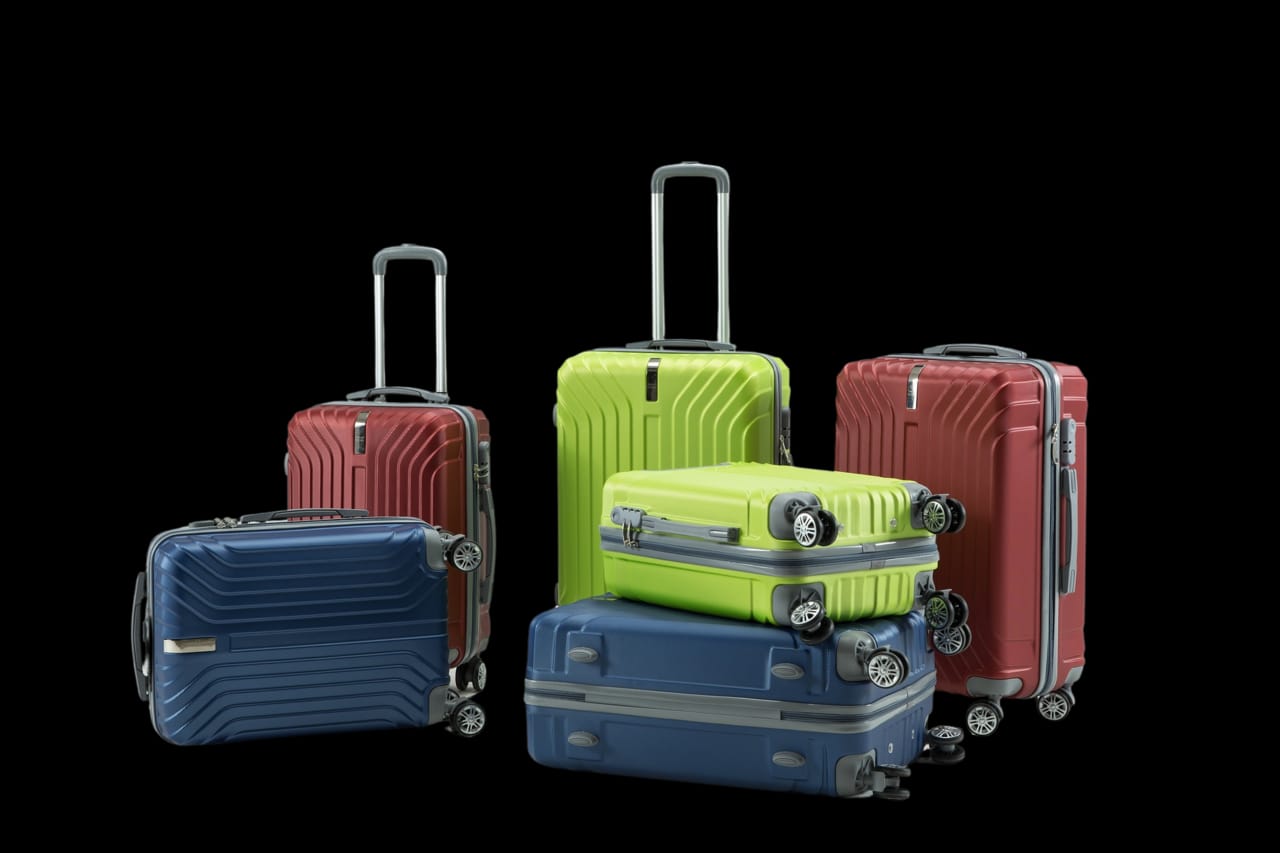
Most highway bus companies generally allow "one item per person" for luggage checked into the underfloor trunk. However, some routes or bus companies may allow up to two items. Regarding size, many companies set a standard of a total of three dimensions (length, width, height) within 120cm to 160cm, and a weight limit of 10kg to 30kg.
For example, JRバス関東(JR Bus Kanto)'s Kanto-Keihanshin Line (関東~京阪神線) stipulates a total weight of up to 10kg, a total of three dimensions up to 1.5m, and a length of up to 1.5m. JR東海バス(JR Tokai Bus) may allow relatively larger luggage, with a total of vertical, horizontal, and height dimensions up to 250cm and a maximum side length of 200cm. However, these are merely guidelines, and depending on the bus type (such as a double-decker bus) or seating capacity, it may not be possible to load luggage even if it falls within the specified size, so caution is advised.
Onboard Carry-on Basic Rules
Carry-on luggage allowed inside the bus usually includes personal belongings and one additional item per person. The size is limited to what can be managed on the overhead rack or at your feet under the seat. Specifically, many companies set a guideline of a total of three dimensions within 100cm and a weight of up to 10kg.
Placing luggage in the aisle is prohibited for safety reasons, and you must use the overhead rack or manage it at your feet or on your lap. Especially heavy luggage is encouraged to be managed at your feet rather than on the overhead rack, due to the risk of falling during travel.
For valuables, fragile items, and precision equipment, it is strongly recommended to carry them onboard and manage them yourself, rather than checking them into the underfloor trunk, in case of damage or loss. Mobile batteries also pose a fire risk, so they should not be placed in the trunk but carried onboard.
Suitcase Quantity, Size, and Weight Restrictions
The most common concern regarding highway bus luggage rules is the handling of suitcases. While many bus companies have common standards, there are subtle differences, so checking the official website of the bus company you are using is the most reliable method.
General Quantity Restrictions
As a general rule, most bus companies allow "one suitcase per person" to be checked into the underfloor trunk. However, on some services, such as VIPライナー(VIP Liner)'s Grancia First (グランシアファースト) (Tokyo ⇔ Osaka), up to two items of luggage within the specified size may be accepted. Airport limousine buses and other specific routes often allow up to two items as well.
If you have multiple pieces of luggage, consider using a delivery service to send them to your destination in advance.
Size Restriction Guidelines
The size of suitcases that can be checked into the underfloor trunk varies by bus company, but generally, a "total of three dimensions (length, width, height) within 120cm to 160cm" is a common guideline. For the longest side, limits of 1m to 1.5m are often seen.
Onboard carry-on luggage is limited to compact sizes that can fit on the overhead rack or under the seat. A total of three dimensions within 100cm, or approximately 45cm (height) x 30cm (width) x 20cm (depth) (total volume of 0.027 cubic meters), is a common guideline.
Weight Restriction Guidelines
Luggage weight restrictions also vary by bus company, but for luggage checked into the underfloor trunk, "10kg to 30kg" is a common standard. For onboard carry-on luggage, many companies set a limit of 10kg.
Handling of Overweight/Oversized Luggage
Luggage exceeding the specified size or weight may be refused for check-in. Especially during overnight bus services or peak seasons, luggage acceptance standards tend to be stricter. You may need to arrange for a delivery service on the spot, which could cause delays in your departure, so please be aware.
Carrying Special Luggage: Skis, Musical Instruments, Bicycles, etc.
For carrying large or special luggage such as skis, musical instruments, or bicycles, beyond regular suitcases, rules are even more specific. Many bus companies restrict such items or require certain conditions to be met.
Skis and Snowboards
Skis and snowboards are generally not allowed on most highway buses. It is often difficult to bring them, especially on buses other than "ski buses" that go directly to ski resorts.
However, some routes or bus companies may allow them if they are stored in a dedicated case. For example, オリオンバス(Orion Bus) allows skis and snowboards to be loaded free of charge but requires them to be in a case to prevent damage. Companies like 南海バス(Nankai Bus) explicitly state that skis and snowboards cannot be carried or loaded.
Due to the risk of damage and trunk space limitations, it is strongly recommended to send them via a delivery service in advance.
Musical Instruments
The handling of musical instruments also varies by bus company. Many companies refuse to accept instruments in the underfloor trunk, treating them as valuables or fragile items.
However, if carried onboard, small instruments that can be managed at your seat may be allowed. For large instruments, purchasing an additional seat to place the instrument on is an option, but prior confirmation with the bus company is necessary.
Some instruments, like those on WILLER TRAVEL(Willer Travel), have been allowed in the trunk since April 15, 2019, but they must be in a case, and care must be taken with packaging to prevent damage from shaking. バスのる.jp(Bus-noru.jp) offers a plan that allows instruments up to 150cm in length, in a hard or semi-hard case, to be loaded for an additional fee (1,500 JPY or approximately $10 per instrument, as of July 2026). However, 3-row seat buses may not be eligible.
Bicycles
Bicycles, including folding bicycles, are also restricted on many highway buses.
However, if stored in a Rinko bag (輪行袋 - a special bag for carrying bicycles), some routes or bus companies may allow them. On some routes of JRバス関東(JR Bus Kanto) (Kusatsu Onsen Line (草津温泉線), Sano Line (佐野線), Komoro Line (小諸線), Tateyama Line (館山線)), bicycles can be stored in the trunk as paid luggage (500 JPY or approximately $3, as of July 2026), but there are limits on the number that can be loaded. JR東海バス(JR Tokai Bus) may allow folding bicycles in dedicated cases to be stored in the trunk, but only on day buses.
WILLER TRAVEL offers a "Bicycle Loading Plan," allowing one bicycle stored in a Rinko bag per person, with a maximum of two bicycles per bus. This plan is limited to specific routes and requires advance reservation. バスのる.jp also has a plan that allows folding bicycles, with one side up to 2m and a total of three dimensions up to 250cm, to be loaded in a Rinko bag.
Other Large/Special Luggage
Golf bags and surfboards are also restricted by many bus companies. For these items, it is advisable to send them via a delivery service in advance.
Prohibited Items
For safe operation, highway buses prohibit certain items from being carried onboard or in the trunk.
Dangerous Goods
Explosives, flammable liquids (gasoline, kerosene, alcohol, etc.), combustible materials, explosive materials, radioactive materials, corrosive materials, high-pressure gases, and substances that may generate toxic gases are strictly prohibited by law. Blades are also not allowed unless packaged in a way that poses no harm to other passengers.
Valuables and Fragile Items
High-value items such as cash, precious metals, jewelry, securities, art, and antiques, as well as fragile items like watches, cameras, personal computers, glass products, precision equipment, and perishable foods, cannot be checked into the trunk. These must always be carried onboard and managed by yourself.
Other Items
Items that may disturb other passengers, soil the interior of the bus, emit foul odors, or are unsanitary may also be refused. Regarding pets, most bus companies generally do not allow them onboard or in the trunk, but some day services may permit small pet animals in a storage case to be carried onboard. However, wild animals or snakes are not allowed.
Tips for a Comfortable Bus Journey: Luggage Preparation
To ensure a comfortable journey by highway bus, luggage preparation is crucial.
Keeping Essentials Handy
Items you'll frequently use on the bus (smartphone, charger, drinks, snacks, reading material, regular medication, etc.) should be gathered into a small bag and carried onboard so they can be easily accessed. It's always safest to keep valuables on your person.
Thorough Management of Valuables and Precision Equipment
As mentioned, do not check valuables or precision equipment into the underfloor trunk; always keep them with you. In most cases, bus companies are not responsible for damage, loss, or theft of checked luggage. If you are concerned, consider a travel insurance plan that includes luggage coverage.
Pre-checking and Compacting Luggage
Always check the latest luggage regulations on the official website of the bus company you are using in advance to ensure your luggage complies with the rules. Especially for overnight and long-distance buses, trunk space is limited, so it is recommended to pack your luggage as compactly as possible. Attaching a distinctive tag to your luggage can also help prevent mix-ups.
Book Your Comfortable Highway Bus Trip with OlaChill!
By understanding highway bus luggage rules and preparing accordingly, you can ensure a more secure and comfortable journey. OlaChill offers a variety of highway bus routes tailored to your needs.
For example, on overnight buses connecting Tokyo and Osaka, you can enjoy comfortable vehicles with standard 4-row seating. We offer convenient bus times, such as departures from Tokyo Disneyland (東京ディズニーランド) at 9:10 PM heading to Namba (なんば), or departures from Kobe Sannomiya (神戸三宮) at 8:15 PM heading to Tokyo Yaesu (東京八重洲). Reservations are required up to two days in advance and are subject to availability, so we recommend booking early.
Book Tokyo ⇄ Osaka Overnight Bus
Travelling as a group of 15 or more? A private charter bus in Japan (29, 45 or 60 seats, with driver) keeps everyone and their bags on one vehicle, straight from the hotel to each stop.
Why not plan a memorable highway bus trip with OlaChill? Experience the charm of highway buses, where you can travel comfortably without worrying about your luggage.
Book Tokyo ⇄ Osaka Overnight Bus
Frequently Asked Questions
Q. Are there additional fees for luggage on highway buses?
A. Generally, there are no additional fees for standard-sized luggage (one item for the underfloor trunk, one item for onboard carry-on). However, if your luggage exceeds the specified size or weight, or if you are carrying special items like skis or bicycles, additional fees may apply, or the item may not be allowed at all. Be sure to check the regulations of the bus company you are using in advance.
Q. Can I access my luggage during the trip?
A. The underfloor trunk of a highway bus is usually not opened until the final destination. Whether you can access your luggage during rest stops depends on the bus company and the driver's discretion, but it's generally best to assume it will be difficult. Please carry everything you need inside the bus with you.
Q. Is there compensation if my luggage is damaged or lost?
A. Most highway bus companies do not offer compensation for damage, loss, or theft of checked luggage. Passengers are responsible for managing their own luggage. Always carry valuables and fragile items onboard and manage them yourself. If you are concerned, it may be a good idea to consider a travel insurance plan that includes luggage coverage.
Q. Where should I keep my valuables?
A. Valuables and precision equipment such as cash, passports, smartphones, and cameras must always be carried onboard and managed by you within your sight. It is safest to keep them on your person or close at hand, rather than in seat-back pockets.
Q. Can I bring two carry-on suitcases?
A. Most highway bus companies generally allow "one item per person" for luggage checked into the underfloor trunk. However, some routes or bus companies (e.g., specific VIP Liner services, airport limousine buses) may allow up to two items if they are within the specified size. If you have more than two items, it is recommended to use a delivery service in advance or contact the bus company directly to confirm.