Japan With Elderly Parents
Plan an unforgettable Japan trip with elderly parents from India/Bangladesh. Master accessibility, pace, and comfort for a smooth journey.
Jul 10, 2026·✍️ olablog·⏱ 21 min read
Plan an unforgettable Japan trip with elderly parents from India/Bangladesh. Master accessibility, pace, and comfort for a smooth journey.
Japan, with its blend of ancient traditions and futuristic convenience, offers a truly unique travel experience. However, when planning a trip with elderly parents from India or Bangladesh, the usual approach needs careful recalibration. This guide focuses on ensuring comfort, managing pace, and leveraging Japan's excellent infrastructure to create a memorable, stress-free journey, keeping costs in mind. Expect to budget at least ¥15,000 (approx ₹8,400) per person per day for comfortable accommodation and transport in major cities.
Navigating Japan's Public Transport: A Gentle Approach
Japan's public transportation system is renowned for its efficiency and punctuality, but its sheer scale, especially in cities like Tokyo and Osaka, can be daunting. For elderly travelers, the key is to prioritize comfort over speed and strategic planning over spontaneous exploration. Think of Tokyo's intricate subway system not as a race, but as a well-oiled machine that rewards patience. Unlike the often-crowded Delhi Metro or Kolkata Metro, Japanese urban trains, while busy during peak hours, are generally orderly, and personal space is more respected.
The Shinkansen, or bullet train, is undoubtedly the most comfortable way to travel long distances between cities like Tokyo, Kyoto, and Hiroshima. Consider the Japan Rail Pass (JRP) if your itinerary involves multiple long-distance trips. For an elderly parent, a Green Car (first-class) JRP might be a worthwhile splurge. These cars offer larger, more comfortable seats, more legroom, and often a quieter environment, akin to Executive Class on Indian Railways. An Ordinary Car seat might cost around ¥10,000 (approx ₹5,600) for a Tokyo-Kyoto one-way trip, while a Green Car seat could be ¥13,000 (approx ₹7,280) or more. The 7-day Green Car JRP is around ¥65,000 (approx ₹36,400), which pays off if you travel extensively. Always check the latest JRP prices and eligibility requirements on the official JR website, as they can change.
When using local trains and subways, elevator access is paramount. Most major stations in Japan are incredibly well-equipped with elevators and escalators. However, finding them can sometimes require navigating longer routes within the station. This is where planning ahead with station maps becomes crucial. Apps like Japan Transit Planner (Jorudan Co.,Ltd.) or Google Maps are invaluable; they often provide platform numbers and transfer information. For specific accessibility routes within larger stations, look for "Elevator Route Maps" (エレベーターマップ) which are often displayed prominently or available online. These maps detail the path to escalators and elevators, bypassing stairs entirely. Always allow at least 15-20 minutes extra for transfers, especially in large hubs like Shinjuku or Tokyo Station. This buffer prevents rushing and allows for unexpected detours. Avoiding peak hours (roughly 7:00-9:00 AM and 5:00-7:00 PM) is also highly recommended to ensure a more relaxed journey and easier access to seats.
Taxi Economics and Convenience: When to Splurge
While Japan's public transport is excellent, there are specific situations where a taxi becomes an indispensable luxury, especially when traveling with elderly parents. Think of taxis not as an everyday expense, but a strategic tool for comfort and efficiency, much like booking an Ola or Uber during heavy rain in Mumbai or Dhaka.
When to Use a Taxi:
- Short Hops with Luggage: Moving between your hotel and a nearby train station, especially if you have several bags.
- Late Evenings: After a long day of sightseeing, when tired parents need to return directly to the hotel without navigating multiple transfers or crowded trains.
- Direct Access: For destinations not directly served by public transport, or those requiring a significant walk from the nearest station (e.g., some temples in Kyoto, specific restaurants).
- Bad Weather: During rain (Japan's "tsuyu" monsoon season can be quite wet, similar to the Indian subcontinent's monsoon but generally less intense) or extreme heat.
- Medical Emergencies: For quick and direct transport to a clinic or hospital.
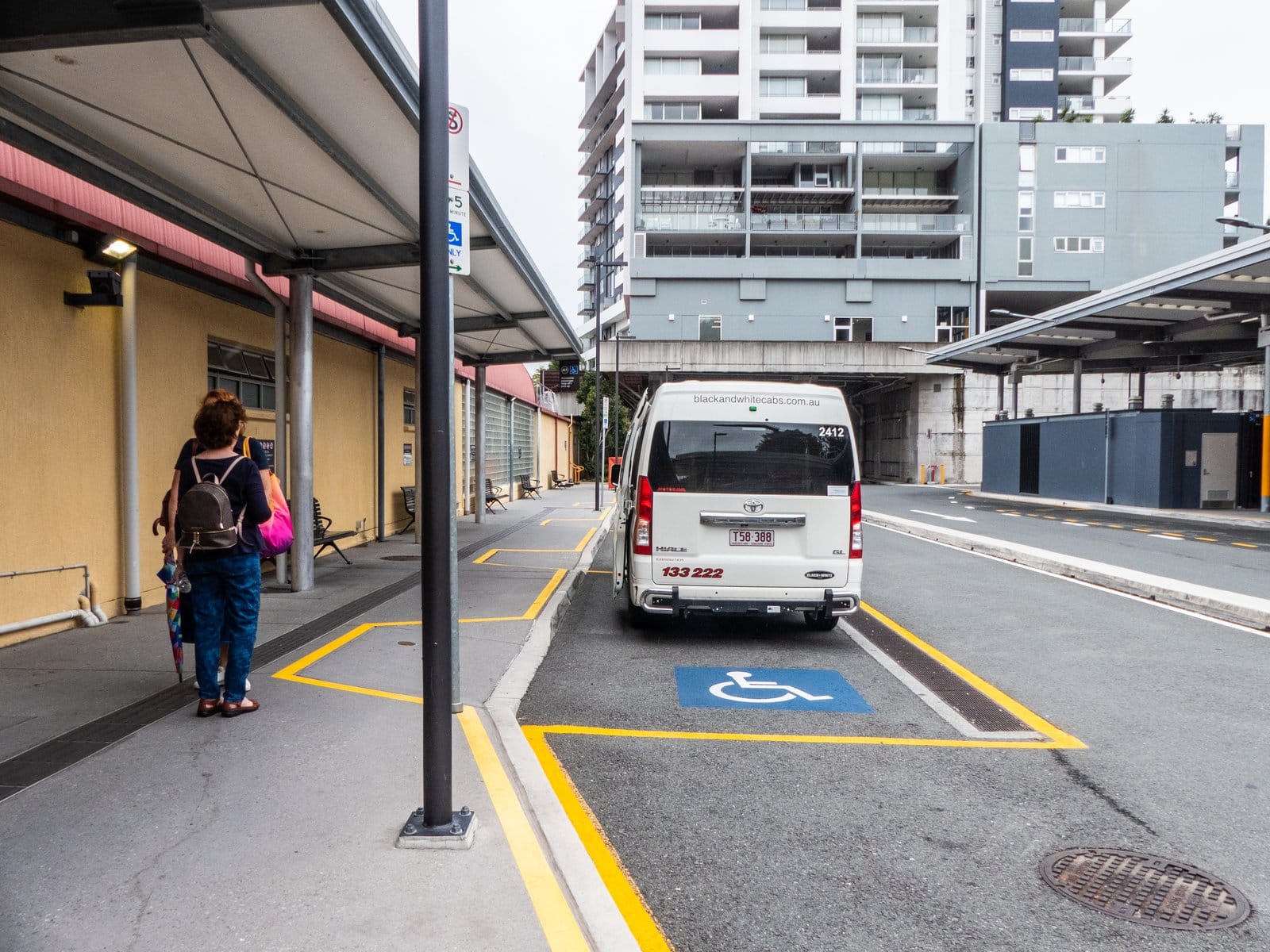
Japanese taxis are impeccably clean, and drivers are professional and courteous. They are typically sedans, but larger van-style taxis are increasingly available for groups or those with wheelchairs. You can hail taxis on the street (look for a lit sign on the roof; red indicates available, green indicates occupied), find them at designated taxi stands outside stations and major hotels, or book through apps. The most popular taxi apps in Japan are JapanTaxi and Go Taxi. These are similar to ride-sharing apps in India/Bangladesh but primarily dispatch licensed taxis rather than private vehicles. They allow you to input your destination and get an estimated fare, which can be reassuring.
Cost Considerations:
Japanese taxi fares start with a base fare, typically around ¥420-¥500 (approx ₹235-₹280) for the first 1-1.2 kilometers, then increase by roughly ¥80-¥100 (approx ₹45-₹56) for every subsequent 250-300 meters. There's also a waiting charge if the taxi is stuck in traffic. Late-night surcharges (usually 20% extra) apply between 10:00 PM and 5:00 AM. For example, a 3-kilometer ride in Tokyo might cost around ¥1,200-¥1,500 (approx ₹670-₹840). A longer ride from Tokyo Station to Shinjuku (about 6-7 km) could be ¥2,500-¥3,500 (approx ₹1,400-₹1,960) depending on traffic. While this is significantly more expensive than an auto-rickshaw in India or a CNG in Bangladesh, the comfort, safety, and directness can be invaluable for elderly travelers. Always have your destination written in Japanese or show it on a map app, as not all drivers speak English. It’s also good practice to have exact change or smaller notes, though most taxis accept credit cards.
Mistakes to Avoid: Underestimating the walking distance from a station to an attraction or your hotel. A seemingly short 10-minute walk on a map can feel much longer with tired feet, especially on uneven pavements or uphill stretches. Don't hesitate to opt for a taxi for these short, crucial segments.
Mobility Aids: Wheelchair Rental and Accessible Facilities
Japan has made significant strides in accessibility, particularly in urban centers and major tourist sites. However, for parents who might struggle with extensive walking, considering a wheelchair or other mobility aids can drastically enhance their comfort and experience.
Wheelchair Rental: Renting a wheelchair in Japan is a straightforward process. Several options are available:
- Airports: Major international airports like Narita (NRT) and Kansai (KIX) often have temporary wheelchair loans for use within the airport, and sometimes connections to longer-term rental services.
- Hotels: Many larger hotels, especially those catering to international tourists, offer complimentary wheelchairs for guest use. It's always best to inquire when booking.
- Local Medical Equipment Stores: Companies like "Paramount Bed" or "Fuji Medical" have retail outlets in major cities where you can rent manual or even electric wheelchairs. This usually requires a reservation. Manual wheelchairs typically cost around ¥500-¥1,000 (approx ₹280-₹560) per day, or ¥3,000-¥5,000 (approx ₹1,680-₹2,800) for a week. Electric wheelchairs are more expensive, ranging from ¥2,000-¥3,000 (approx ₹1,120-₹1,680) per day. Some shops may require a Japanese guarantor or a substantial deposit, so check their terms in advance.
- Tourist Information Centers: In some cities, particularly Kyoto, tourist information centers might offer short-term wheelchair rentals or guidance on where to find them.
- Online Rental Services: A quick Google search for "wheelchair rental Japan" will bring up several English-language services that deliver to your hotel, though these might be pricier.
When renting, specify whether you need a manual or electric wheelchair, and consider the size and weight capacity. A lightweight, foldable manual wheelchair is often the most practical for travel, as it can be easily stored in car trunks or train luggage areas.
Accessible Toilets (Multi-Purpose Restrooms): Japan excels in providing accessible restrooms, often referred to as "Multi-Purpose Toilets" (多目的トイレ, tamokuteki toire) or "Accessible Toilets." These are found in almost all train stations, department stores, shopping malls, larger convenience stores, parks, and tourist attractions. They are generally spacious, equipped with grab bars, often have automatic doors, and sometimes include adult changing tables or ostomy facilities. Look for the universal accessibility symbol (a person in a wheelchair). The cleanliness is usually impeccable, a stark contrast to public restrooms in many parts of the world, including India and Bangladesh.
Navigating Terrain: While major cities are largely flat and well-paved, some popular tourist spots, particularly older temples, shrines, and castles, may have uneven stone paths, gravel, or gentle slopes. Kyoto's Kiyomizu-dera Temple, for instance, involves a significant uphill walk, though ramps are available for much of the path. Consider these factors when planning daily itineraries. For areas with challenging terrain, a combination of taxis to get close and a portable wheelchair can be effective. Many attractions now have dedicated accessible routes, so it's worth checking their official websites beforehand.
The Art of Rest-Stop Planning: Pacing Your Journey
One of the most common mistakes travelers make when visiting Japan with elderly parents is over-scheduling. The temptation to see as much as possible is strong, but a rushed pace leads to exhaustion, reducing enjoyment for everyone. Successful travel with seniors hinges on meticulous rest-stop planning. Think of it as building in "decompression time" throughout your day.
Frequent Breaks Are Essential: Aim for a significant break every 1.5 to 2 hours of active sightseeing. This could be a 15-minute sit-down with a cup of tea, a 30-minute stop for a light snack, or an hour-long break for coffee and people-watching.
Where to Find Comforting Rest Stops:
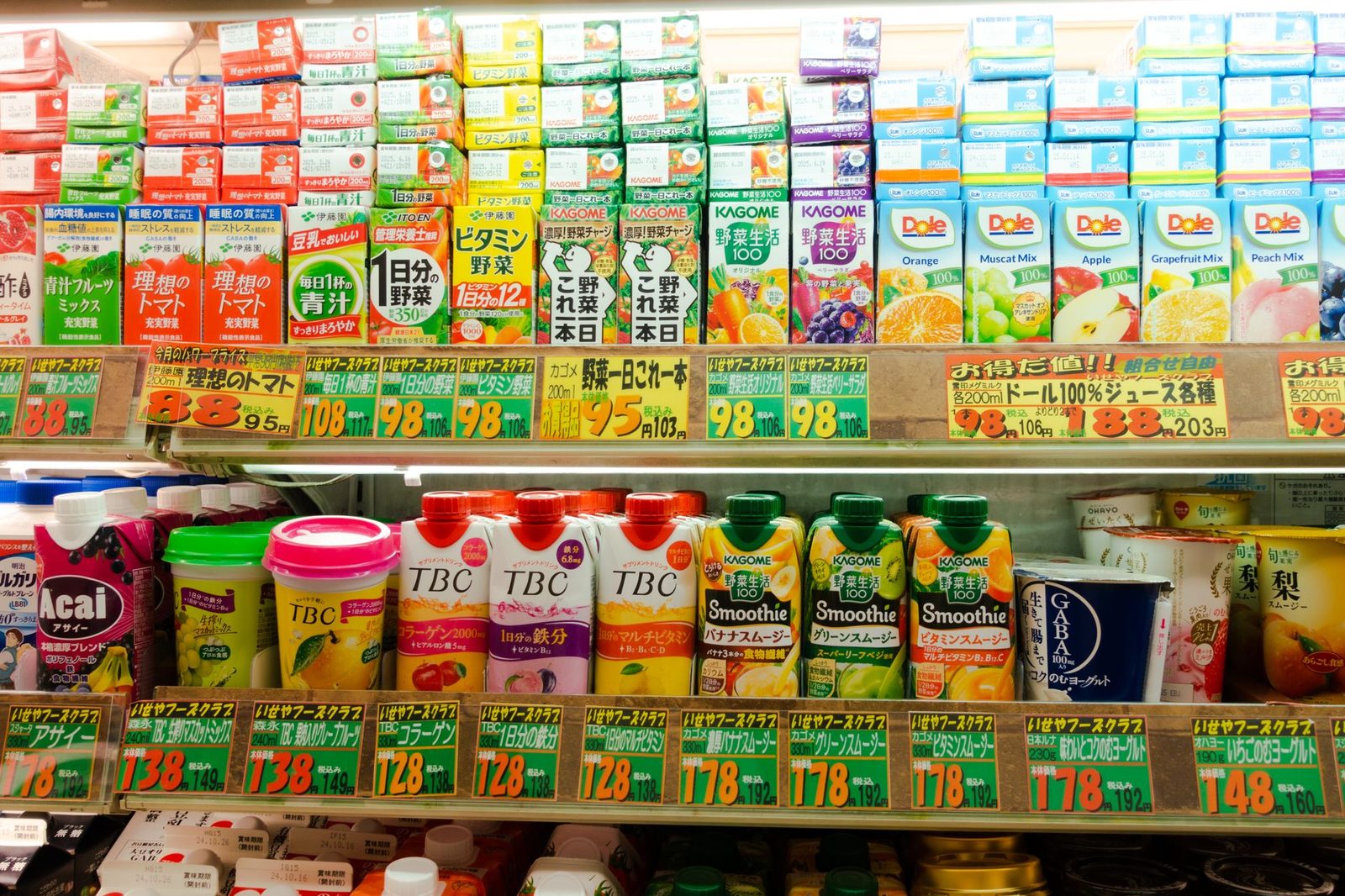
- Convenience Stores (Konbini): Japan's ubiquitous konbini like 7-Eleven, FamilyMart, and Lawson are lifesavers. They offer clean restrooms, a vast array of affordable snacks (onigiri, sandwiches, pastries), hot and cold beverages, and often a small seating area. They are excellent for quick, budget-friendly breaks. A cup of coffee might cost ¥150-¥250 (approx ₹84-₹140).
- Department Store Cafes: Major department stores (e.g., Isetan, Takashimaya, Daimaru) often have elegant cafes on various floors, particularly in the basement food halls (depachika) or on upper levels. These offer comfortable seating, quality refreshments, and a more refined atmosphere than a konbini.
- Station Waiting Rooms and Cafes: Large train stations often have dedicated waiting rooms, sometimes with benches, or numerous cafes and restaurants. These are perfect for resting between train rides or before heading out to your next destination.
- Parks and Gardens: Japan's meticulously maintained parks and gardens, such as Ueno Park in Tokyo or Maruyama Park in Kyoto, provide tranquil settings with benches and often public restrooms. These are ideal for a leisurely sit-down amidst nature.
- Museums and Galleries: Most museums and art galleries have benches throughout their exhibition spaces and dedicated cafe areas. They offer an excellent opportunity to rest tired feet while still engaging with culture.
- Michi-no-Eki (Roadside Stations): If you venture outside major cities and consider renting a car for a day trip (less common for first-time visitors from India/Bangladesh but an option), Michi-no-Eki are fantastic. These government-designated roadside stations offer clean restrooms, local produce, souvenir shops, and often restaurants, acting as comprehensive rest points.
A Sample Day with Planned Rest Stops (Kyoto Example):
- 9:00 AM: Arrive at Arashiyama Bamboo Grove. Enjoy a gentle stroll.
- 10:30 AM: Stop for tea and a traditional sweet at a cafe near Tenryu-ji Temple. (~¥800-¥1,200 / approx ₹450-₹670 per person).
- 11:30 AM: Visit Tenryu-ji Temple and its garden.
- 1:00 PM: Lunch at a restaurant in Arashiyama.
- 2:30 PM: Take a taxi back to your hotel for an hour-long rest/nap.
- 4:00 PM: Head to Nishiki Market for a leisurely exploration, trying small snacks.
- 5:30 PM: Find a cafe within the market or a nearby department store for coffee/tea.
- 7:00 PM: Dinner.
- 8:30 PM: Return to hotel.
This pacing ensures that parents are not overly fatigued and can genuinely enjoy each experience. Always carry a small water bottle (refillable at most hotels and some public facilities) and a few energy bars or dry fruits from home, especially if dietary restrictions are a concern.
Culinary Comfort: Navigating Vegetarian and Halal Options
For travelers from India and Bangladesh, food is often a major concern in non-vegetarian-dominant countries. Japan's traditional cuisine heavily features fish and dashi (a stock often made with bonito flakes), making vegetarian and halal options seem challenging. However, with planning and awareness, delicious and suitable meals are absolutely achievable.
Vegetarian Food Reliability: The perception that Japan has no vegetarian food is a myth, but understanding the nuances is key.
- Dashi is Ubiquitous: Many broths, sauces, and even seemingly innocent vegetable dishes contain dashi. Simply asking for "vegetarian" (ベジタリアン, bejitarian) might not suffice, as the concept of "pure vegetarian" as understood in India (no meat, no fish, no eggs, no dairy, no root vegetables like onion/garlic for some) is not universally understood.
- Phrases to Learn:
- "Niku nashi" (肉なし) - no meat
- "Sakana nashi" (魚なし) - no fish
- "Dashi nashi" (だしなし) - no dashi (crucial for gravies/soups)
- "Tamago nashi" (卵なし) - no egg
- "Gyūnyū nashi" (牛乳なし) - no dairy
- Shojin Ryori (Buddhist Temple Cuisine): This is your most reliable bet for authentically vegetarian food. Served at temple lodging (shukubo) or dedicated temple restaurants (especially in Kyoto, Nara, and Mount Koya), shojin ryori is strictly vegan, prepared without meat, fish, or any animal products, and often without pungent vegetables like garlic or onion. It's a culinary experience in itself, though often pricier (¥3,000-¥7,000 / approx ₹1,680-₹3,920 per person for a set meal).
- International Cuisine: Major cities have a growing number of Indian, Nepalese, Italian, and other international restaurants that are more familiar with vegetarian requirements. Google Maps and apps like HappyCow are excellent resources for finding these.
- Supermarkets and Konbini: These are your best friends for snacks and simple meals. Look for:
- Fruits, salads (check dressing ingredients), plain rice balls (onigiri) (careful with fillings), bread.
- Tofu and soy products.
- Instant noodles (read ingredients carefully for dashi/meat extracts).
- Packaged curries (some are vegetarian, check labels).
- Freshly prepared items from department store depachika often have clearer ingredient lists.
- Mistake to Avoid: Assuming that a "vegetable tempura" is vegetarian. The batter often contains egg, and it's fried in the same oil as fish or meat. Always ask if they have a dedicated fryer or a completely plant-based option.
Halal Food Options: Japan has seen a significant increase in halal-certified restaurants, particularly in major cities, catering to the growing Muslim tourist population.
- Dedicated Halal Restaurants: Look for "Halal Restaurant Japan" online or use apps like HalalGourmet Japan. Many are clustered around tourist hubs like Shinjuku, Shibuya, and Asakusa in Tokyo, and Dotonbori in Osaka. They often serve Indian, Pakistani, Turkish, or Southeast Asian cuisine.
- Halal-Friendly Menus: Some mainstream restaurants, particularly ramen or sushi establishments, might offer specific halal-certified dishes or menus. Always look for the halal logo or ask staff.
- Prayer Spaces: Some larger hotels and airports now offer dedicated prayer rooms.
- Supermarket Finds: Halal meat is becoming more available in larger supermarkets, but for immediate consumption, dedicated halal restaurants are more reliable. Some convenience stores carry snack items that are generally considered halal (e.g., certain biscuits, drinks), but always check ingredients if unsure.
For both vegetarian and halal needs, carrying small, laminated Japanese phrase cards explaining your dietary restrictions can be incredibly helpful. OlaChill provides such resources on its website.
Medical-Emergency Preparedness: A Safety Net
While Japan is an incredibly safe country, being prepared for potential medical emergencies, especially when traveling with elderly parents, is non-negotiable. The healthcare system is excellent, but costs can be substantial without proper insurance.
Travel Insurance: Non-Negotiable: This is perhaps the single most important aspect of medical preparedness. Ensure your travel insurance policy specifically covers:
- Medical Emergencies: Hospitalization, doctor's visits, prescription medications.
- Emergency Evacuation: In case a parent needs to be transported back to India or Bangladesh for critical care.
- Pre-existing Conditions: Declare any existing medical conditions your parents have to ensure they are covered. Many policies have age limits or specific clauses for elderly travelers, so read the fine print carefully.
- Repatriation of Remains: While grim, it's a necessary coverage. A comprehensive travel insurance policy for a multi-week trip could cost ₹5,000-₹15,000 (approx ¥900-¥2,700) per person from an Indian provider, or slightly more from an international insurer. For Bangladeshi travelers, similar plans are available from local and international insurers.
Medications and Prescriptions:
- Carry Essential Medications: Pack all necessary prescription medications in their original packaging, clearly labeled. Carry enough for the entire trip, plus a few extra days' supply.
- Doctor's Letter: Obtain a letter from your parents' doctor, translated into English (and ideally, a brief summary in Japanese), detailing their medical conditions, prescribed medications (generic and brand names), and dosages. This is crucial for customs (some medications might require special permits, check Japan's Ministry of Health, Labour and Welfare guidelines) and for any medical consultations in Japan.
- First-Aid Kit: Include basic over-the-counter medications like pain relievers, antacids, bandages, antiseptic wipes, and any personal comfort items.
Locating Medical Facilities:
- Hotel Staff: Your hotel concierge is the best first point of contact for locating nearby clinics or hospitals that may have English-speaking staff.
- Google Maps: Search for "hospital" (病院, byōin) or "clinic" (クリニック, kurinikku) near your current location.
- Emergency Numbers:
- 119: For ambulance (救急車, kyūkyūsha) or fire. This is equivalent to India's 102 for ambulance.
- 110: For police.
- Japan National Tourism Organization (JNTO) Website: JNTO provides a list of medical institutions with English-speaking staff.
- Medical Interpreters: In a serious emergency, hospitals may have access to translation services or interpreters.
Communication in Emergencies: While Japanese medical professionals are highly skilled, language can be a barrier.
- Translation Apps: Have a reliable translation app (e.g., Google Translate, DeepL) downloaded and ready for offline use.
- Phrasebook: A small phrasebook with common medical terms can be useful.
- Pre-written Notes: Prepare notes in Japanese detailing key medical information for your parents, such as allergies, existing conditions, and emergency contact numbers.
Remember, prevention is better than cure. Maintain a reasonable pace, ensure adequate hydration and rest, and be vigilant about any signs of discomfort or illness.
Accommodation Choices for Comfort and Accessibility
Choosing the right accommodation is paramount for a comfortable trip with elderly parents. While Japan offers a wide range of options, from traditional ryokans to modern hotels, not all are equally suitable. The primary considerations should be accessibility, room size, and location.
Western-Style Hotels vs. Ryokans:
- Western-Style Hotels: Generally the best choice for elderly travelers.
- Beds: Most offer comfortable Western-style beds, which are easier to get in and out of than futons on the floor.
- Accessible Bathrooms: Many international and higher-end Japanese hotel chains offer accessible rooms with roll-in showers, grab bars, and wider doorways. Always specify these needs when booking.
- Larger Rooms: While Japanese hotel rooms can be notoriously compact, Western-style hotels tend to have slightly more spacious options, allowing for easier movement and luggage storage.
- Amenities: Lobbies, elevators, and common areas are typically designed for easy navigation.
- Ryokans (Traditional Japanese Inns): While offering a unique cultural experience, ryokans can be challenging for elderly guests.
- Futons on Tatami Mats: Sleeping on a futon directly on the floor can be difficult for those with knee or back issues. Some ryokans might offer low beds, but these are not standard.
- Communal Onsen (Hot Springs): Many ryokans feature public onsen. While a wonderful experience, navigating communal bathing, slippery floors, and sitting on low stools can be a concern. Private onsen rooms (kashikiri buro) are a good alternative if available, but they are often booked well in advance and come at a premium.
- Stairs: Older ryokans may have multiple staircases and limited elevator access.
Room Size and Layout: Japanese hotel rooms, especially in budget and mid-range categories, are often smaller than what travelers from India or Bangladesh might be accustomed to. A standard "double" room might be around 15-18 square meters. For comfort, consider booking a "twin" room (two single beds) or a "deluxe double" which often offers more space. If budget allows, connecting rooms or a suite can provide invaluable extra space and privacy. Always check room dimensions before booking.
Location, Location, Location: Choose hotels located within a 5-10 minute walk of a major train or subway station. This minimizes walking distances to public transport and makes returning to the hotel for a rest stop much easier. Look for hotels near stations that are major hubs, reducing the need for multiple transfers. For example, in Tokyo, hotels near Shinjuku, Tokyo Station, or Shinagawa offer excellent connectivity. In Kyoto, staying near Kyoto Station or Karasuma-Oike is highly convenient.
Booking Accessible Rooms: When booking, do not simply rely on checking a box for "accessible." It is crucial to directly contact the hotel (via email or phone) and clearly articulate your specific needs:
- Roll-in shower with a seat
- Grab bars in the bathroom
- Wheelchair accessible room dimensions
- Proximity to elevators
- Bed height preferences Confirmation in writing is always best. Most major hotel booking platforms (Booking.com, Agoda, Expedia) allow you to filter for accessible rooms, but direct communication ensures your requirements are understood.
Consider hotels like the "Universal Room" concept in some chains, specifically designed for accessibility. While potentially slightly more expensive, the peace of mind and comfort they offer are priceless. Expect to pay ¥15,000-¥25,000 (approx ₹8,400-₹14,000) per night for a comfortable, mid-range hotel room in a good location in major cities.
Key Takeaways
- Pace is Paramount: Build ample rest stops into your itinerary and avoid over-scheduling to prevent exhaustion.
- Embrace Taxis Strategically: Use taxis for short distances, late-night returns, or when navigating with heavy luggage to prioritize comfort.
- Leverage Accessibility Infrastructure: Utilize elevator maps in stations and inquire about accessible rooms and facilities at your accommodation.
- Plan Your Meals: Research vegetarian shojin ryori and halal restaurants, and carry essential Japanese dietary phrases. Konbini are great for safe snacks.
- Prioritize Medical Preparedness: Comprehensive travel insurance is essential. Carry a doctor's letter for medications and know emergency contacts.
- Choose Accommodation Wisely: Opt for Western-style hotels with accessible rooms and convenient locations near major transport hubs.
- Allow for Flexibility: Be ready to adjust plans based on your parents' energy levels and comfort.
FAQ
Q. How much luggage can we carry on the Shinkansen (bullet train)? A. Each passenger can generally carry up to two pieces of luggage, not exceeding a total weight of 60kg and total dimensions (length + width + height) of 250cm, with each piece no longer than 200cm. For oversized luggage (sum of dimensions 160-250cm), you might need to reserve a special "Oversized Baggage Area" seat. For elderly travelers, it's often more practical to use luggage forwarding services (takuhaibin) for larger bags, sending them directly between hotels. This costs around ¥1,500-¥2,500 (approx ₹840-₹1,400) per bag.
Q. Is it easy to find vegetarian food in smaller towns outside of Tokyo or Kyoto? A. It becomes progressively more challenging outside major cities. While konbini are everywhere, dedicated vegetarian restaurants are rare. Your best bets are to seek out shojin ryori at local temples (if available), look for Indian/Nepalese restaurants, or rely on simple dishes like plain rice, grilled vegetables (confirming no dashi or meat oil), or bringing some instant meals/snacks from home or a larger city. Always have your Japanese dietary phrases ready.
Q. What is the best way to get around Tokyo with elderly parents without too much walking? A. A combination of the Tokyo Metro/JR lines and taxis. For attractions clustered together, the subway is efficient if you plan elevator routes. For shorter distances, or when tired, taxis are invaluable. Consider using a "Tokyo Wide Pass" if you plan to visit areas slightly outside the city for a few days, but for within central Tokyo, individual tickets or a Suica/Pasmo IC card are typically sufficient. Always factor in transit time and allow for buffer for transfers.
Q. Are public places like museums and gardens generally accessible for wheelchairs? A. Most modern public places, including museums, major shopping centers, and newly renovated parks, are highly accessible with ramps, elevators, and accessible restrooms. Older temples, shrines, and traditional gardens might have some challenging areas with gravel paths, steps, or uneven surfaces. However, many popular sites have created specific accessible routes or offer assistance. Always check the official website of the attraction beforehand for specific accessibility information.
Q. How can we manage costs effectively while ensuring comfort for our parents? A. Prioritize spending on crucial comfort factors: strategic taxi rides, comfortable accommodation with accessible rooms near major transport hubs, and comprehensive travel insurance. Save elsewhere by using Japan's excellent public transport for longer, easier journeys and konbini for simple, affordable snacks, and keep taxis for the short, tiring segments where they matter most.