Golden Week Group Transport Survival Guide for Japan
Plan smoother Golden Week travel in Japan with route tips, booking timelines, date-shifting strategies, and vehicle advice for every group size.
Aug 21, 2026·✍️ olablog·⏱ 9 min read
Plan smoother Golden Week travel in Japan with route tips, booking timelines, date-shifting strategies, and vehicle advice for every group size.
Golden Week is one of Japan’s busiest travel periods. The holiday stretch runs from late April into early May, combining several national holidays with school breaks and annual leave. Domestic travelers head to the same famous destinations as international visitors, so trains, airports, hotels, attractions, and roads can all become extremely busy.
For groups, transport planning matters even more. A public train journey may be manageable for a couple with light luggage, but moving a family, sports team, wedding party, or company group between airports, hotels, and sightseeing areas requires more coordination.
This guide explains which routes are most likely to slow down, how far ahead to reserve a charter bus, and how to make Golden Week easier by shifting your travel dates.
When Golden Week gets busiest
The individual public holidays include Showa Day on April 29, Constitution Memorial Day on May 3, Greenery Day on May 4, and Children’s Day on May 5. When these dates connect with weekends or substitute holidays, the busiest travel pattern can change from one year to the next.
In general, expect the heaviest movement during:
- The first major departure wave, when residents leave large cities for holidays
- The middle of the holiday period, when popular attractions reach peak capacity
- The final return wave, when travelers head back to Tokyo, Osaka, Nagoya, and other urban centers
- Late afternoon and evening on the day before a holiday
- Morning departures from major cities on the first day of a long break
Road congestion can begin earlier than expected, especially around expressway interchanges, service areas, airports, and popular sightseeing towns. A short journey on the map may take much longer once parking, drop-off restrictions, and local traffic are included.
Routes and destinations most likely to slow down
Golden Week traffic is not limited to one highway. Congestion usually builds where major cities connect with resort areas, theme parks, mountain destinations, and coastal attractions.
Tokyo and the Fuji–Hakone area
The Tomei Expressway and Shin-Tomei Expressway corridors can become very busy between Tokyo, Yokohama, Gotemba, Mount Fuji, and Nagoya. The Chuo Expressway is another important route for groups traveling from Tokyo toward Lake Kawaguchi, Fuji Five Lakes, and the Japanese Alps.
Hakone and the Fuji Five Lakes region often experience additional local congestion because roads are narrower and sightseeing traffic gathers around the same stations, lakes, ropeways, and viewpoints. Even if the expressway journey is moving normally, the final section into a resort area may take extra time.
Tokyo Disney Resort and surrounding Chiba
Roads around Tokyo Disney Resort, Maihama, and the wider Tokyo Bay area can be crowded throughout the day. Airport transfers involving Haneda or Narita may also take longer when they overlap with theme-park traffic or holiday departures.
For groups visiting a theme park, confirm the correct bus drop-off point in advance. Large vehicles may not be able to stop directly outside every hotel or attraction entrance.
Kansai: Osaka, Kyoto, Nara, and Kobe
The Meishin Expressway, Shin-Meishin Expressway, Chugoku Expressway, and Hanshin Expressway network carry heavy traffic around Kansai. Kyoto is particularly challenging during holiday periods because sightseeing buses, taxis, private cars, and pedestrians share a limited urban road network.
Trips combining Osaka, Kyoto, and Nara should allow flexibility for hotel access and sightseeing stops. A group bus can be more convenient than changing trains with luggage, but the itinerary should avoid packing too many distant locations into one day.
Chubu and mountain routes
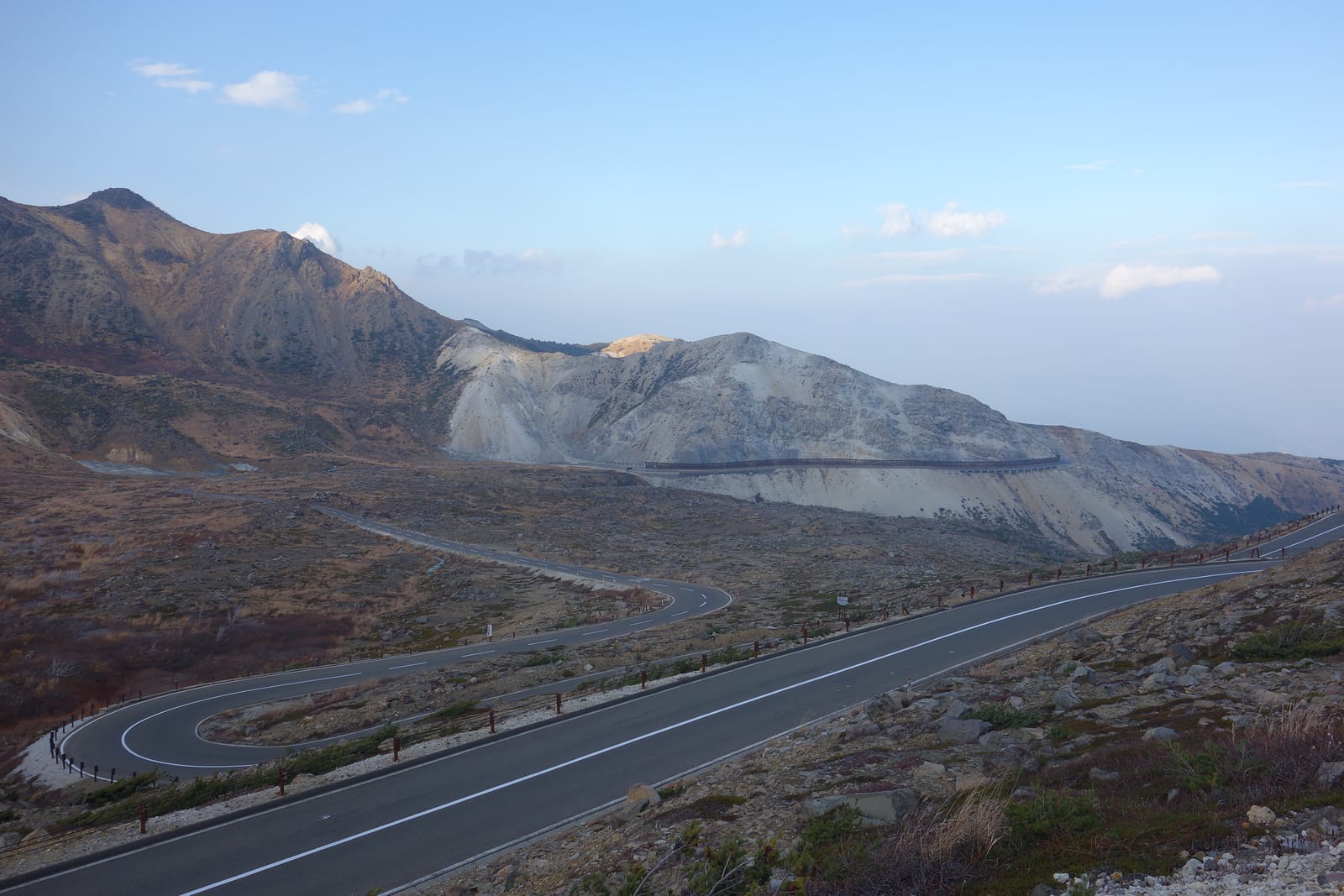
Nagoya is a central transport hub, so roads toward Takayama, Shirakawa-go, Kanazawa, the Japanese Alps, and the Ise-Shima area can become crowded. Mountain roads may also be slower because of bends, limited passing opportunities, construction, or weather conditions.
If your route includes rural destinations, ask your operator to review the planned roads and vehicle suitability. A large coach may be comfortable for long-distance travel but less flexible on narrow local streets.
How early should you reserve a charter vehicle?
For Golden Week, reserve as soon as your dates and approximate itinerary are known. Two to three months ahead is a practical target for many groups, while larger vehicles and popular routes should be requested even earlier when possible.
Early planning is especially important if you need:
- A 29-seat or 45-seat coach
- Airport transfers during peak arrival and departure times
- Multiple vehicles traveling together
- A Japanese-speaking licensed operator familiar with the route
- Child seats, wheelchair access, or unusual luggage requirements
- Several consecutive days of service
- A one-way transfer between different regions
Last-minute availability may still exist, particularly for smaller vehicles or travel on less popular dates. However, the choice of vehicle, departure time, pickup location, and route may be limited. A quote is also subject to vehicle availability, so submitting a request early gives your group more options.
Estimated charter costs vary by vehicle size, distance, service hours, tolls, parking, season, and itinerary. OlaChill's standard buses are 29 seats ¥69,000, 45 seats ¥99,000 and 60 seats ¥129,000 for a 10-hour day, plus expressway tolls and parking.
Choose the right vehicle for your group
The number of passengers is only one part of the decision. Luggage, hotel access, road width, and the amount of time spent on board can all affect the best vehicle.
| Vehicle size | Best for | Main advantages | Important considerations |
|---|---|---|---|
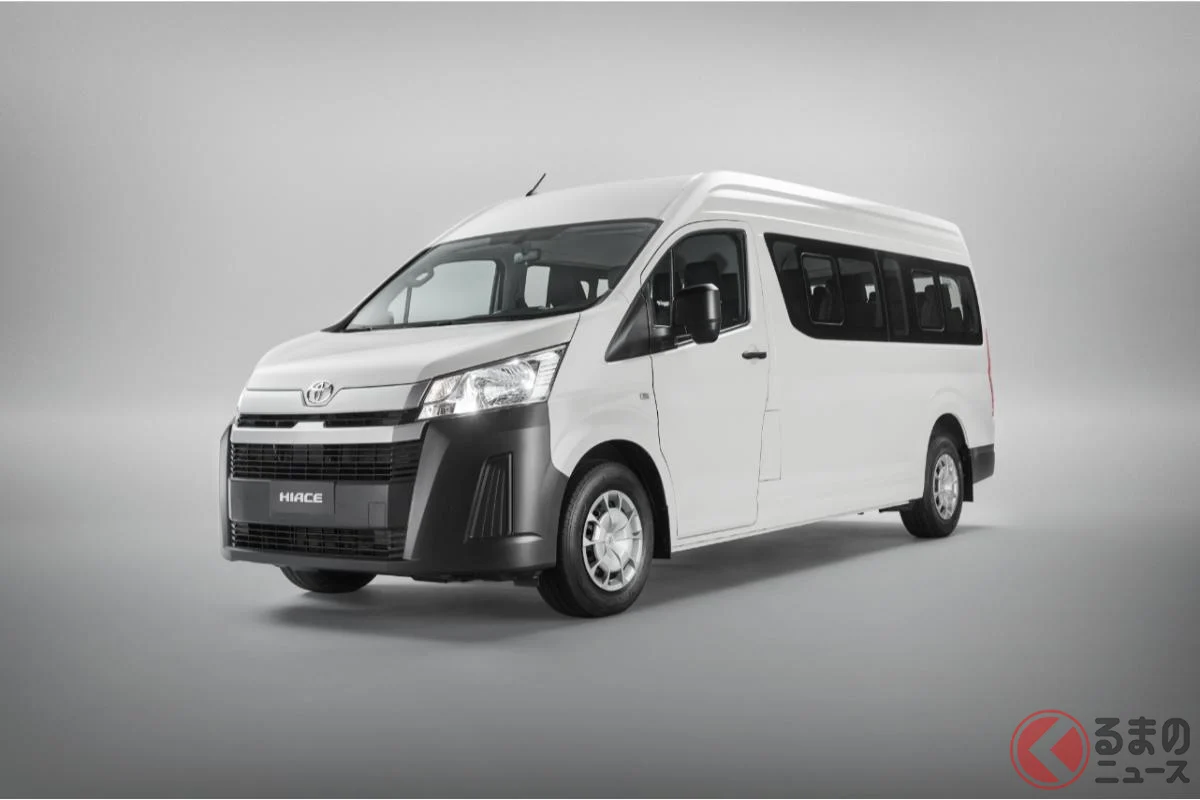
| 5 seats | Couples, small families, or private airport transfers | Flexible and easy to use on smaller roads | Limited luggage space; not suitable for a full group with large suitcases |
| 7 seats | Families or small groups | More passenger capacity while remaining relatively compact | Luggage can reduce available seating and comfort |
| 10 seats | Small tour groups or extended families | Useful balance between group capacity and maneuverability | Confirm luggage volume and seating layout before booking |
| 16 seats | Medium-sized groups | Comfortable for regional sightseeing and shared transfers | May require suitable pickup points in older city centers |
| 29 seats | Large families, school groups, or company teams | Efficient for moving many passengers together | Needs more space for turning, parking, and hotel access |
| 45 seats | Large tours, events, and organized groups | Best per-passenger efficiency for long-distance travel | Requires careful route planning; narrow streets and small parking areas can be difficult |
A vehicle described by its maximum seating capacity may not have every seat available once luggage is loaded. Tell the booking team how many suitcases, golf bags, skis, strollers, or equipment cases you expect to bring.
For groups traveling between airports and hotels, a slightly larger vehicle can be worthwhile if everyone has full-size luggage. For city sightseeing, a smaller vehicle may reach more pickup points and handle narrow streets more easily.
Use “off-peak” dates to your advantage
The simplest Golden Week strategy is to move the longest journeys away from the main holiday dates.
Consider these approaches:
- Arrive a few days before the holiday period and begin sightseeing early
- Stay in one region during the busiest dates instead of changing cities
- Schedule intercity travel after the final return wave
- Use weekdays between public holidays when they are not part of a long weekend
- Start sightseeing before breakfast and travel after the evening rush
- Spend peak days at attractions near your hotel rather than crossing regions
- Plan airport transfers with generous time for road delays
If your dates are flexible, ask about departing one day earlier or returning one day later. A small change can make vehicle availability, hotel selection, and road conditions easier to manage.
Another useful tactic is to reverse the usual route. Instead of beginning in Tokyo and moving west, consider starting in Osaka, Nagoya, or another arrival city if flights and hotels allow it. The best direction depends on your itinerary, but avoiding the largest departure wave is often more valuable than following the most popular sequence.
Build a realistic Golden Week itinerary
Avoid scheduling a precise arrival time at a distant attraction immediately after a long road journey. Traffic can change quickly, and a charter bus may need to stop for legal driver breaks, fuel, passenger needs, or designated parking.
A practical itinerary should include:
- Extra time for expressway congestion
- A clear meeting point that a bus can reach safely
- A backup drop-off point near crowded attractions
- Fewer major destinations per day
- Confirmed parking or loading arrangements
- Flexible sightseeing time rather than back-to-back reservations
OlaChill works with licensed Japanese operators, so provide complete details in your request: passenger count, luggage, hotel names, flight information, preferred departure times, and every planned stop. This helps the team match your group with a suitable vehicle and route.
Ready to plan your Golden Week transport? Request a free quote from OlaChill and receive a reply within 24 hours.
FAQ
Is Golden Week a good time to visit Japan?
Yes, if you prepare carefully. The weather is often comfortable and many attractions are open, but transport, accommodation, and popular sights can be exceptionally busy.
Should I book a 45-seat coach even if my group is smaller?
Not necessarily. A larger coach offers capacity and luggage space, but it also needs wider roads and suitable parking. Smaller groups may find a 10-seat or 16-seat vehicle more practical.
Can a charter bus avoid all Golden Week traffic?
No. A charter bus cannot remove congestion, but it can simplify group coordination, reduce luggage handling, and allow the operator to adjust pickup points or routes when conditions change.
What information is needed for an accurate quote?
Share your travel dates, passenger number, luggage quantity, pickup and drop-off locations, sightseeing route, preferred times, and any accessibility or child-seat requirements. The exact quote comes from the booking form.