

Fuji Five Lakes
Your complete guide to the Fuji Five Lakes region (Yamanashi / Shizuoka) — best viewpoints, ideal seasons, getting around, and a ready-to-use 2-day itinerary.
Jan 20, 2026·✍️ olablog·⏱ 5 min read
Your complete guide to the Fuji Five Lakes region (Yamanashi / Shizuoka) — best viewpoints, ideal seasons, getting around, and a ready-to-use 2-day itinerary.
Tap a region to browse articles
Japan has no shortage of jaw-dropping scenery, but Fuji Five Lakes in the Yamanashi / Shizuoka region delivers something genuinely hard to top: five mirror-calm lakes arranged around the base of an iconic volcano, each offering a slightly different — and endlessly photogenic — perspective on Mount Fuji. This isn't just a tick-the-box stop; it's the kind of place that slows you down in the best possible way.
1. Why Fuji Five Lakes Earns the Hype
The landscape here operates on a scale that even the most seasoned traveler finds humbling. Yamanashi / Shizuoka stretches out like a painting that no filter could improve, and the light changes dramatically throughout the day — crisp golden mornings give way to deep amber sunsets that turn the water's surface into liquid copper.
The journey into the region is part of the experience, too. Roads wind through forested mountain slopes and open out onto sudden panoramas with Fuji front and center. Travelers consistently say the drive itself — not just the destination — is what they remember most. Think of the whole trip as a road-trip adventure from the moment you leave Tokyo.
2. Must-Visit Photo Spots
The Fuji Five Lakes area is packed with viewpoints, from the famous to the barely signposted. Here are the ones worth prioritizing:
- Main observation deck: A 180-degree panorama of the lakes and Fuji. Sunrise and sunset here are rated the best in the region — set your alarm.
- Ancient tree-lined avenue: A centuries-old canopy forms a natural tunnel that is magical in spring (cherry blossoms), blazing in fall, and eerily beautiful under a winter frost.
- Reflection point: The still surface of the lake acts as a giant mirror, creating the perfectly symmetrical Fuji-upside-down shot you've seen all over Instagram. Totally worth it in person.
- Hilltop panorama: The highest accessible point in the area rewards the short climb with a sweeping 360-degree view across the whole Yamanashi / Shizuoka basin.
3. Best Times to Visit
Every season brings something different to Fuji Five Lakes, but the sweet spots are April, November, and January:
- Weather is at its most stable, making driving and outdoor sightseeing comfortable
- Scenery hits its seasonal peak — cherry blossoms in spring, fiery foliage in fall, snow-draped stillness in winter
- Natural light is ideal for photography between 6–9 a.m. and 4–6 p.m.
- Crowds are manageable — busy enough to feel lively, not so packed that you're elbowing for a viewpoint
A winter visit means a real chance of photographing Fuji blanketed in snow — stunning, but pack layers and check road conditions before heading into mountain passes. Spring and fall are arguably the most accessible seasons for first-timers.
4. The Best Way to Explore — Drive It Yourself
Public transit reaches the main hubs, but to really unlock the Fuji Five Lakes region you want a car. Driving frees you from bus schedules, lets you pull over whenever a view demands it, and opens up the smaller backroads that coaches simply don't go down.
Roads around the lakes are well-maintained and clearly signed. Mountain-side stretches have adequate lane widths, and rest areas (道の駅, michi-no-eki) are dotted along the route — great for a coffee break and a leg stretch with a Fuji backdrop.
✨ Pro tip: Rent a car through OlaChill to explore Fuji Five Lakes entirely on your own schedule — chauffeured or self-drive options available.
5. Sample 1–2 Day Itinerary
Day 1
- 6:00 a.m. — Head straight to the main observation deck for sunrise over the lakes. Worth every early-morning alarm.
- 8:00 a.m. — Breakfast at a local restaurant. Look for hōtō (flat noodles in miso broth) — a Yamanashi specialty that's the ultimate warming winter-morning bowl, somewhere between a hearty stew and a thick noodle soup.
- 9:30 a.m. — Scenic drive along the main lakeside route, stopping at viewpoints as you go.
- 12:00 p.m. — Lunch at a michi-no-eki rest stop or a roadside restaurant.
- 2:00 p.m. — Explore secondary sites: a historic village, a nearby waterfall, or a quieter lake on the circuit.
- 5:00 p.m. — Check into your hotel or a traditional ryokan.
- 6:30 p.m. — Soak in an onsen (if your accommodation has one), then settle in for a kaiseki dinner.
Day 2
- 7:00 a.m. — Early breakfast and an early start to beat the tour-bus crowds.
- 8:30 a.m. — Take a lesser-known back road or seek out a viewpoint the guidebooks skip.
- 11:00 a.m. — Shoot the reflection point while the light and the water are still.
- 1:00 p.m. — Lunch and a relaxed wind-down.
- 3:00 p.m. — Head to your next destination or make your way back to Tokyo.
6. Practical Travel Tips
- 📷 Golden hour is non-negotiable: The 30 minutes before and after sunrise/sunset produce light that makes every shot look effortless. Set those alarms.
- 🚗 Book your rental car early: Peak periods (April, November, January) sell out fast — reserve at least 1–2 weeks ahead.
- ⛽ Fill up your tank proactively: Gas stations can be sparse once you're into the mountains. Top off before you head into the hills.
- 📱 Download offline maps: Save the Yamanashi / Shizuoka region in Google Maps before you go — cell coverage gets patchy on mountain roads.
- 🍙 Stock up at convenience stores: A 7-Eleven or FamilyMart onigiri run before you head out is genuinely one of Japan's great travel rituals — and a surprisingly solid meal.
- ☁️ Check the weather forecast: Especially critical in winter or during the rainy season (June). Mountain conditions can change quickly.
More from this region — Mt. Fuji
View all →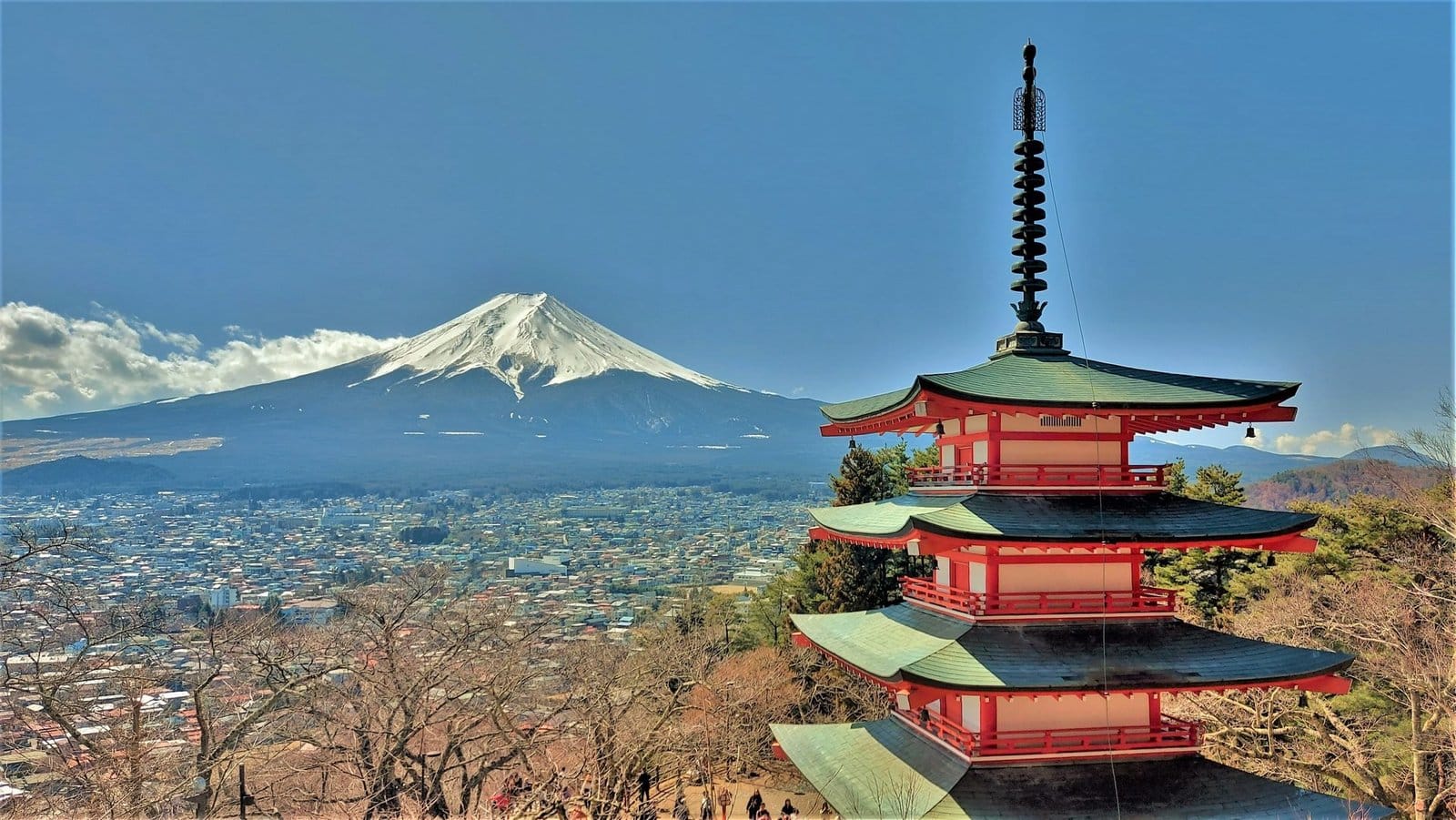
Best Mount Fuji Viewpoints: Chureito Pagoda to Lake Motosu
5 min · destinations
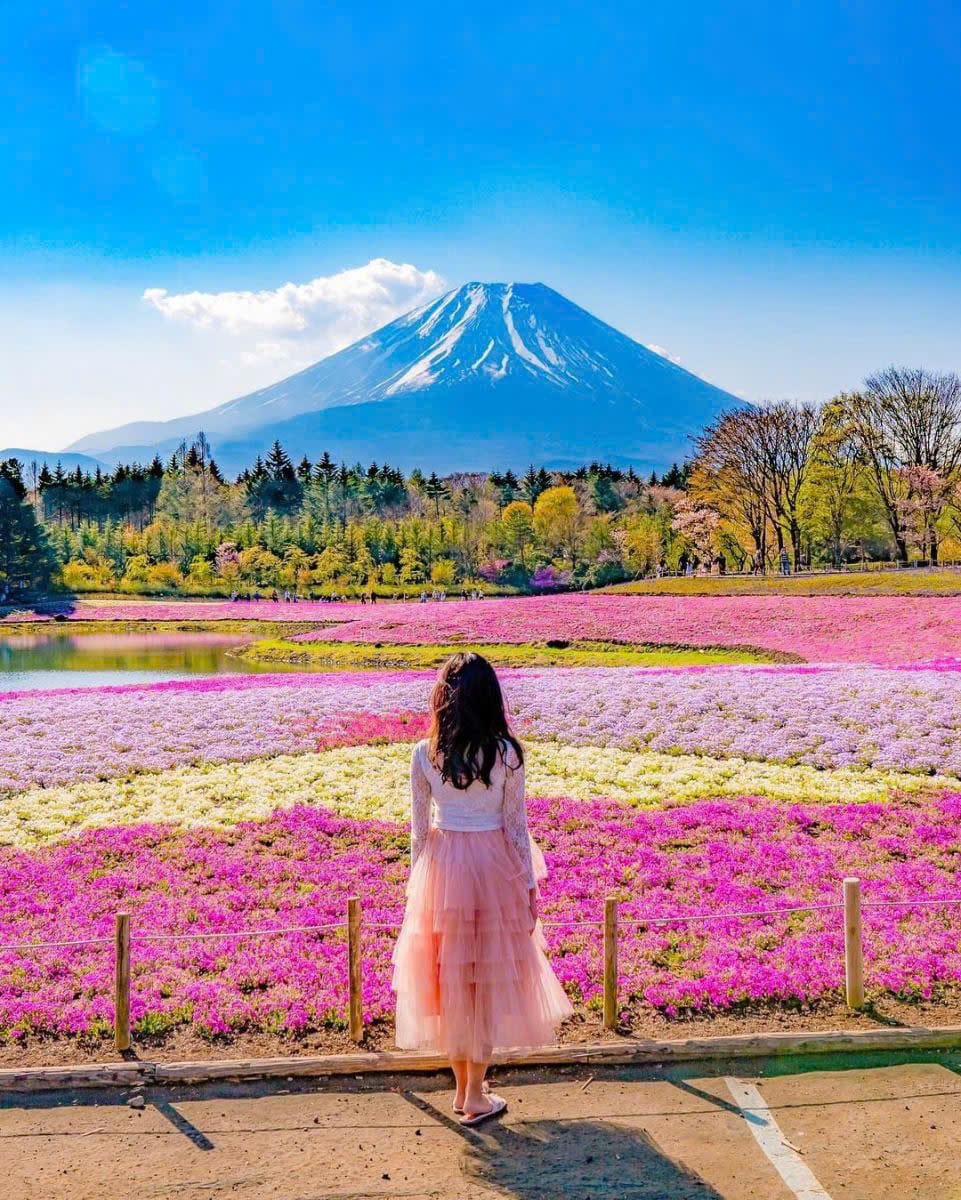
Climbing Mount Fuji on the Yoshida Trail: A First-Timer's Guide
6 min · destinations
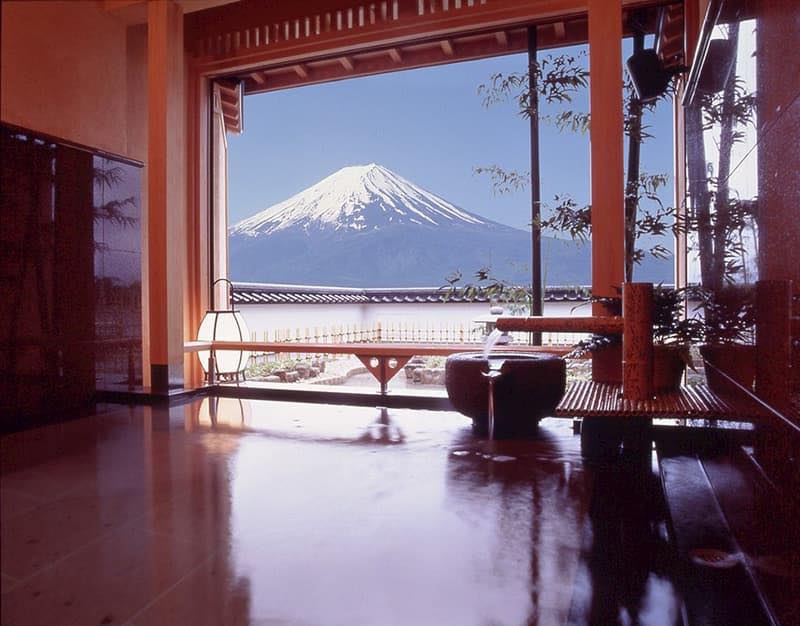
Lake Kawaguchiko Guide: Mount Fuji Views, Access and Seasons
5 min · destinations

A 2–3-Day Autumn Arc: Fuji Five Lakes, Hakone Pampas Grass, and Gotemba Outlet
17 min · tips