A Cricket Fan's Guide to Japanese Sports
Cricket fans from India & Bangladesh: Discover Japan's sports world, from baseball's electric energy to ancient sumo. Includes booking tips, costs, and food for your trip.
Jul 10, 2026·✍️ olablog·⏱ 17 min read
Cricket fans from India & Bangladesh: Discover Japan's sports world, from baseball's electric energy to ancient sumo. Includes booking tips, costs, and food for your trip.
Japan offers an incredible journey for the senses, but beyond its serene temples and bustling cityscapes lies a passionate sporting culture that can feel both familiar and wonderfully exotic to a cricket enthusiast. From the roar of a baseball stadium, reminiscent of a packed cricket ground, to the ancient ritual of sumo, your Japan trip, costing roughly ₹10,000 (approx. ¥18,000) for a good baseball ticket, can be enriched by diving into these unique experiences. This guide will help you navigate the world of Japanese sports, ensuring you don't miss a beat, or a bite.
From Sixes to Home Runs: Decoding Japanese Baseball for Cricket Fans
For those who understand the thrill of a last-over finish or the tension of a bowler's run-up, Japanese baseball offers an incredibly accessible and equally electrifying spectacle. Think of it as cricket's American cousin, but with a uniquely Japanese flavour that elevates it beyond just the game. The atmosphere at a Nippon Professional Baseball (NPB) game is something truly special, a vibrant cultural experience that will resonate with anyone accustomed to the passionate crowds of Eden Gardens or the Mirpur Stadium.
The core of the game – a bat and ball contest – is familiar, but the nuances are what make it fascinating. Each team has dedicated cheering sections, often behind the home plate or along the first and third baselines, where fans coordinate chants, songs, and elaborate umbrella dances (especially for the Yakult Swallows). Unlike the sometimes-spontaneous cheers in cricket, these are meticulously choreographed, creating an almost theatrical experience. You'll hear unique cheers for each player, a tradition that ensures the energy never dips. Vendors, similar to those at Indian cricket matches, weave through the stands selling beer, soft drinks, and snacks, adding to the festive carnival-like atmosphere. The cost of a beer is typically around ¥700-900 (approx. ₹390-₹500), while a soft drink is about ¥300-500 (approx. ₹170-₹280).
The NPB season runs from late March to October, with games played most days except Mondays. There are two leagues, the Central League and the Pacific League, each with six teams. Major cities like Tokyo, Osaka, Nagoya, Fukuoka, and Sapporo all host teams, making it easy to catch a game no matter your itinerary. A typical game lasts around three hours, sometimes longer with extra innings, but the non-stop fan engagement ensures there's never a dull moment. You'll find yourself quickly picking up simple cheers and getting swept up in the collective excitement.
Securing Your Seat: How to Get Baseball Tickets
Booking baseball tickets in Japan is generally straightforward, though it requires a bit of planning, especially for popular teams or weekend games. Think of it like booking train tickets on IRCTC, where advance planning secures your preferred class and seat. The most reliable ways to purchase tickets are online via official team websites or major ticketing platforms, or in person at convenience stores.
Most team websites (e.g., Tokyo Dome for Yomiuri Giants, Jingu Stadium for Yakult Swallows) offer English ticketing pages or are navigable with a browser's translation feature. Registration might be required. For convenience store purchases, you'll use a multi-function terminal (like Loppi at Lawson or FamiPort at FamilyMart). These terminals are usually in Japanese, but staff can often assist, or you can use a translation app. The process involves selecting the event, seat type, and number of tickets, then printing a slip to pay at the counter. It's similar to topping up your Delhi Metro card at a kiosk, but for entertainment.
Prices vary significantly based on the team, opponent, seat location, and day of the week. Weekday games are generally cheaper than weekend matches. Expect to pay anywhere from ¥2,000 (approx. ₹1,120) for a basic outfield seat to ¥8,000 (approx. ₹4,500) or more for a prime infield spot. For popular games, tickets can sell out quickly, so booking a few weeks in advance is advisable. Avoid third-party resellers if possible, as prices can be inflated.
| Seat Type | Approximate Price Range (¥) | Approximate Price Range (₹) | Notes |
|---|---|---|---|
| Outfield (unreserved) | ¥2,000 - ¥3,500 | ₹1,120 - ₹1,960 | Good for budget, lively atmosphere |
| Outfield (reserved) | ¥3,000 - ¥5,000 | ₹1,680 - ₹2,800 | Guaranteed seat, still good view |
| Infield (lower deck) | ¥4,500 - ¥8,000 | ₹2,520 - ₹4,500 | Closer to action, clearer view |
| Premium/Box Seats | ¥8,000 - ¥15,000+ | ₹4,500 - ₹8,400+ | Best views, sometimes with amenities |
When selecting your seat, consider whether you want to be amidst the loudest cheering sections (often outfield or behind specific team dugouts) or prefer a more neutral, central view. Many stadiums allow you to bring in outside food and non-alcoholic beverages, which can be a cost-saving measure, though they often have restrictions on bottle/can sizes and types. Check the specific stadium's rules beforehand.
The Ancient Art of Force: Experiencing Grand Sumo Tournaments
Stepping into a sumo arena is like walking into a living museum, a profound cultural experience that transports you far from the modern bustle of Tokyo. Grand Sumo Tournaments, or Honbasho, are held six times a year, rotating between major cities: Tokyo (January, May, September), Osaka (March), Nagoya (July), and Fukuoka (November). Each tournament lasts 15 days, from Sunday to Sunday, and witnessing the sheer power, tradition, and ritual is an unforgettable highlight for any traveller.
Sumo is steeped in Shinto traditions, visible in every aspect, from the referee's elaborate costume (a gyoji) to the salt purification rituals before each bout. The atmosphere is respectful, yet punctuated by gasps and cheers as two rikishi (sumo wrestlers) clash in the dohyo (ring). A full day at a sumo tournament typically starts in the morning with bouts featuring lower-ranked wrestlers, gradually building up to the main events in the afternoon and evening, featuring the elite Makuuchi division. The final bouts, often around 5:30 PM, are the most anticipated.
There are several types of seating, each offering a distinct experience. The most coveted are the tamasu (ringside box seats), traditional Japanese seating on cushions directly on the floor around the dohyo. These are expensive and often sold in blocks of four, requiring you to sit cross-legged for hours, which can be uncomfortable. A more comfortable and accessible option for most tourists are the chair seats in the arena's upper sections, offering excellent views and modern comfort. These are comparable to stadium seating at a cricket match.
Navigating the Sumo Spectacle: What to Expect and How to Enjoy
Getting tickets for a Grand Sumo Tournament requires diligence, as they are in high demand, especially for weekend dates and the final days. Tickets typically go on sale about a month before the tournament begins. The official ticketing website, often run by the Japan Sumo Association, is the primary source. Look for a dedicated English booking page. Again, similar to booking popular cultural events or high-demand train tickets, early booking is key.
Prices for sumo tickets vary widely. Chair seats can range from ¥3,000 (approx. ₹1,680) for the furthest sections to ¥10,000 (approx. ₹5,600) for closer views. Box seats (for 4 people) can cost ¥30,000 to ¥50,000 (approx. ₹16,800 to ₹28,000) or more, making them a significant investment but a unique group experience. Resale markets exist, but prices can be exorbitant, and authenticity is not guaranteed. It's best to stick to official channels.
| Seat Type | Approximate Price Range (¥) | Approximate Price Range (₹) | Notes |
|---|---|---|---|
| Chair Seats | ¥3,000 - ¥10,000 | ₹1,680 - ₹5,600 | Comfortable, good views, recommended for first-timers |
| Box Seats (4p) | ¥30,000 - ¥50,000+ | ₹16,800 - ₹28,000+ | Traditional floor seating, requires sitting cross-legged, group only |
| Ringside | ¥15,000 - ¥20,000+ | ₹8,400 - ₹11,200+ | Very close, but dangerous if wrestlers fall out, often sold out |
When attending, arrive in the early afternoon (around 2-3 PM) to catch the higher-ranked rikishi and witness the elaborate ring-entering ceremonies (dohyō-iri). These rituals, featuring the wrestlers in their ceremonial aprons (kesho-mawashi), are a highlight in themselves. Food and drink are available inside the arenas, with traditional Japanese snacks, bento boxes, and various beverages. Many people bring their own food and drinks, especially if they plan to stay for an entire day, to save costs.
A common mistake is leaving too early. While the initial bouts might seem less intense, the atmosphere builds exponentially throughout the day. Another is not understanding the etiquette: avoid loud conversations during bouts, and never stand on your seat. If you're staying for the whole day, consider bringing a small cushion for chair seats to enhance comfort, though they are usually padded. Remember that photography is generally allowed, but flashes are often prohibited.
Catching the Action: Watching Cricket and Other Global Sports in Japan
While Japan's sporting heart beats to baseball and sumo, the desire to catch a crucial India-Pakistan cricket match or a Bangladesh Premier League game doesn't diminish just because you're abroad. Watching live cricket streams in Japan can be a bit challenging due to geo-restrictions on many Indian and Bangladeshi streaming platforms. Services like Hotstar, SonyLIV, or Gazi TV often restrict content outside their home regions.
The most common solution for expats and travellers is to use a Virtual Private Network (VPN). A VPN masks your IP address, making it appear as if you are browsing from India or Bangladesh, thus allowing access to your usual streaming services. Popular VPN providers like ExpressVPN, NordVPN, or Surfshark have servers in South Asia and generally offer reliable connections. It's advisable to subscribe to a VPN service before you travel and test it with your preferred streaming platform. Be aware that even with a VPN, internet speeds can vary, and live streams might experience occasional buffering, especially during peak usage times. The cost for a monthly VPN subscription can range from ¥1,000 to ¥2,000 (approx. ₹560-₹1,120).
For other global sports, or if you prefer a communal viewing experience, Japan's sports bar culture is a fantastic option. While cricket is rarely the primary focus, many establishments in major cities, particularly Tokyo (Shibuya, Shinjuku, Roppongi) and Osaka (Namba, Umeda), will show major international football (soccer) matches, rugby, and sometimes even American football or basketball. These bars offer a lively atmosphere, often with large screens and a mix of local and international patrons.
Popular sports bar chains include Hub and Footnik, which are ubiquitous in major cities. They often have multiple screens, a wide selection of beers (including local craft and international brands, costing ¥700-¥1,200 / approx. ₹390-₹670 per pint), and pub-style food. While it's unlikely you'll find a dedicated cricket bar, during major international tournaments like the Cricket World Cup, some international-themed pubs might make an exception or show highlights. It's always best to check their schedules online or call ahead.
Fueling Your Fandom: Vegetarian and Halal Food at Japanese Sports Venues
One of the biggest anxieties for travellers from India and Bangladesh is often finding suitable food, especially when exploring new cultural experiences like sports events. Thankfully, Japan has become increasingly aware of diverse dietary needs, and with a little planning, you can absolutely enjoy your favourite snacks and meals without worry.
At baseball stadiums and sumo arenas, traditional Japanese fare dominates. This often includes yakisoba (fried noodles), takoyaki (octopus balls), karaage (fried chicken), and various types of bento (lunch boxes). For vegetarians, options like plain onigiri (rice balls, check fillings carefully), edamame (boiled soybeans), and some types of vegetable-based tempura can often be found. Look for "yasai" (野菜) which means vegetable. Many vendors now explicitly label items as "vegetarian" or "plant-based," but always confirm. Bringing your own vegetarian snacks or a packed meal is a highly recommended strategy to avoid disappointment and save money, as stadium food can be pricey. A basic vegetarian bento from a convenience store before entering can cost around ¥500-¥800 (approx. ₹280-₹450).
For halal options, it requires more vigilance. While dedicated halal vendors are rare inside stadiums, the increasing number of halal-certified restaurants outside major sports venues in cities like Tokyo and Osaka means you can plan a meal before or after the game. For example, around the Tokyo Dome, you can find Indian and Middle Eastern restaurants offering halal food. Using apps like HalalGourmet Japan or simply searching "halal food near [stadium name]" on Google Maps will yield results. At the venue itself, sticking to pre-packaged snacks with clear ingredient lists or items known to be vegetarian is the safest bet. Many convenience stores (FamilyMart, Lawson, 7-Eleven) now stock a wider range of food, some of which may be suitable for vegetarians or have clearer ingredient labels. Always check for fish stock (dashi) in broths and sauces, as it's a common hidden ingredient.
When dining in sports bars, the situation is similar. While many offer standard pub grub like burgers and fries, explicit vegetarian or halal options are not always a given. Hub Pubs, for example, often have a limited vegetarian menu, but again, checking for dashi or other animal by-products in sauces is crucial. It's always best to politely ask staff: "Watashi wa bejitarian desu. Niku to sakana wa tabemasen. Kore wa daijoubu desu ka?" (I am vegetarian. I don't eat meat or fish. Is this okay?). For halal, "Kore wa hararu desu ka?" (Is this halal?) is a direct question, though understanding of halal concepts may vary. Opting for salads without meat, fries, or simple rice dishes might be your safest bet unless a specific halal menu is available.
Planning Your Sports Day: A Sample Itinerary
Let's imagine a perfect day for a cricket fan from India or Bangladesh, combining Japanese sports with cultural exploration and mindful eating, focused on Tokyo.
Morning (9:00 AM - 12:00 PM): Cultural Immersion & Preparation Start your day with a visit to a serene temple like Senso-ji in Asakusa or Meiji Jingu in Shibuya. This offers a calm contrast before the excitement of the sports events. While here, pick up some essentials. Head to a large supermarket or a 7-Eleven/FamilyMart. Purchase some vegetarian onigiri (look for plum, kelp, or plain salted varieties), fresh fruit, and perhaps a vegetable sandwich or a pre-made vegetarian bento box. This ensures you have suitable snacks and a light meal for later. Total cost: ¥800-¥1,500 (approx. ₹450-₹840).
Lunch (12:00 PM - 1:30 PM): Halal/Vegetarian Meal Before heading to the stadium, find a dedicated halal or vegetarian restaurant. If you're going to the Tokyo Dome (home of the Yomiuri Giants), there are several Indian and Middle Eastern restaurants around Suidobashi or Jimbocho stations that offer certified halal or extensive vegetarian menus. Enjoy a satisfying meal, perhaps a biryani or a thali, ensuring you're well-fed for the afternoon. Cost: ¥1,500-¥2,500 (approx. ₹840-₹1,400).
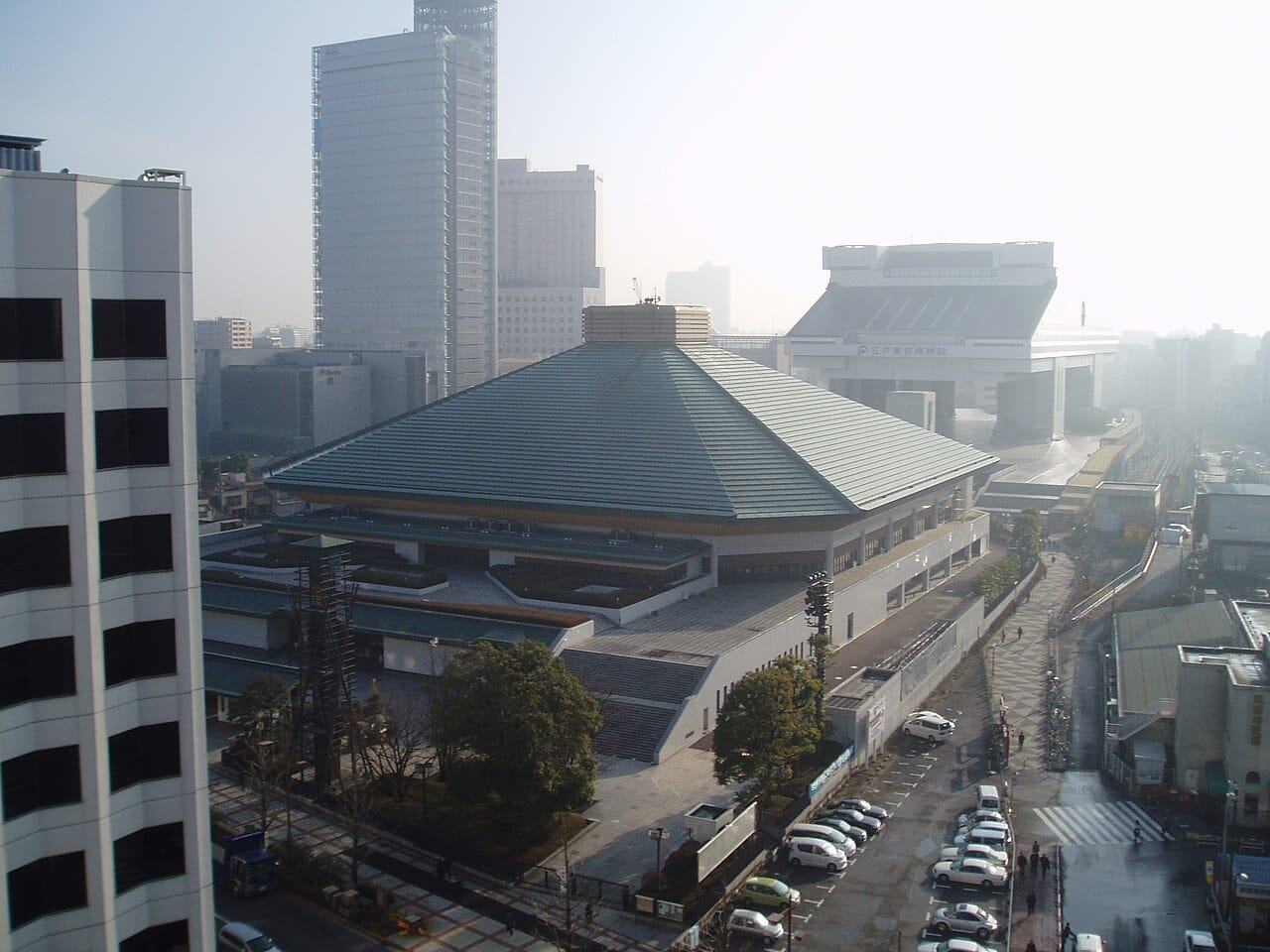
Afternoon (2:00 PM - 6:00 PM): Grand Sumo Tournament Experience Take the train to the Ryogoku Kokugikan (Ryogoku Station on the JR Sobu Line), the spiritual home of sumo. Arrive around 2:00 PM to soak in the atmosphere and catch the lower-ranked bouts, which are surprisingly engaging. Find your chair seats and settle in. Witness the various rituals, listen to the crowd, and enjoy the snacks you packed. As the afternoon progresses, the intensity builds, culminating in the impressive ring-entering ceremonies and the main Makuuchi division bouts. Remember to be respectful and observe proper etiquette.
Early Evening (6:00 PM - 7:30 PM): Travel & Refreshment After the tournament concludes around 6:00 PM, take a short train ride to a lively area like Shinjuku or Shibuya. This is a good opportunity for a quick refreshment. Perhaps visit a café for some green tea or a quick dessert.
Evening (7:30 PM - 10:30 PM): Baseball Game Excitement Head to a baseball stadium like the Tokyo Dome or Jingu Stadium for an evening game. If you didn't pack enough, grab some edamame or a simple vegetable side from a concession stand. Immerse yourself in the vibrant cheering, the coordinated songs, and the unique fan culture. Enjoy the energy of the crowd, comparing it mentally to the cricket matches back home. Stay until the end, soaking in the post-game celebrations if the home team wins.
Late Evening (10:30 PM onwards): Post-Game & Cricket Check After the baseball game, if you're keen to check on cricket scores or watch highlights, find a quiet spot or head back to your accommodation. Connect to your VPN, fire up your streaming app, and catch up on any missed action from the cricket world. Reflect on a day filled with Japan's sporting best.
This sample day balances cultural sights, mindful eating, and two distinct Japanese sports, offering a truly comprehensive experience. The total estimated cost for a day like this, excluding accommodation and depending heavily on ticket choices, could range from ¥8,000-¥15,000 (approx. ₹4,500-₹8,400) per person.
Key Takeaways
- Japanese baseball offers an electric atmosphere akin to cricket matches, with unique fan chants and coordinated cheering.
- Book baseball and sumo tickets online via official sites or at convenience stores well in advance, especially for popular games/tournaments.
- Expect baseball ticket prices from ¥2,000-¥8,000 (approx. ₹1,120-₹4,500) and sumo chair seats from ¥3,000-¥10,000 (approx. ₹1,680-₹5,600).
- For watching Indian/Bangladeshi cricket streams, a VPN is essential to bypass geo-restrictions; subscribe and test it before your trip.
- Sports bars in major cities are great for international football/rugby but rarely show cricket; check schedules or call ahead.
- Address vegetarian/halal food concerns by packing your own snacks, researching nearby restaurants, and checking ingredient labels carefully.
- Bringing your own food and non-alcoholic drinks to stadiums is often permitted and can save costs.
- Embrace the unique rituals and etiquette of sumo, arriving early to witness the full spectacle of the tournament day.
FAQ
Q. Can I wear my favourite cricket team's jersey to a Japanese baseball game? A. Absolutely! Japanese baseball fans are very welcoming and appreciate enthusiasm for sports. While you might be one of the few in a cricket jersey, it's a great conversation starter and perfectly acceptable. You'll see fans in all sorts of attire, and expressing your sporting passion is part of the fun.
Q. Is it difficult to get around Tokyo or Osaka to reach sports venues using public transport? A. Not at all. Japan's public transportation, particularly the train and subway networks in Tokyo and Osaka, is world-class, incredibly efficient, and punctual. Think of it like a highly evolved Delhi Metro system. Station names are clearly marked in English, and most lines connect directly or with easy transfers to major sports venues like the Tokyo Dome (Suidobashi Station), Jingu Stadium (Gaienmae Station), or Ryogoku Kokugikan (Ryogoku Station). Use apps like Google Maps for precise directions and timings.
Q. How early should I arrive for a sumo tournament to catch the best parts? A. To experience the full atmosphere and witness the higher-ranked rikishi and their elaborate ring-entering ceremonies, arriving around 2:00 PM to 3:00 PM is ideal. The main Makuuchi division bouts and the final rituals take place from approximately 3:45 PM to 6:00 PM. While the earlier bouts are interesting, the energy truly builds in the late afternoon.
Q. Are there any specific cultural etiquettes I should be aware of at a Japanese sports event? A. Yes, general respect and good manners are appreciated. For baseball, cheer enthusiastically but avoid overly disruptive behaviour. Cleanliness is paramount, so dispose of your trash properly. At sumo, the atmosphere is more solemn; avoid loud conversations during bouts, and never stand on your seat. Bowing slightly when thanking staff is a nice touch.
Q. Is it safe to buy food from street vendors outside stadiums if I have dietary restrictions? A. While street food is delicious, it can be riskier for specific dietary restrictions like vegetarianism or halal, as ingredients are not always clearly labelled or easily communicated in English. For peace of mind, it's generally safer to purchase pre-packaged items from convenience stores with ingredient lists, or dine at known vegetarian/halal restaurants before or after the event.