Japan's Most Famous Shrines and Temples and the Best Seasons to Visit
From Meiji Jingu and Sensoji to Fushimi Inari, Todaiji, Itsukushima, and Ise Jingu: a complete travel guide to Japan's iconic shrines and temples with seasonal timing tips.
Aug 8, 2026·✍️ olablog·⏱ 7 min read
From Meiji Jingu and Sensoji to Fushimi Inari, Todaiji, Itsukushima, and Ise Jingu: a complete travel guide to Japan's iconic shrines and temples with seasonal timing tips.
Japan is home to over 80,000 Shinto shrines and 70,000 Buddhist temples—far outnumbering the total count of convenience stores across the nation. Among this vast spiritual landscape, certain sites have transcended their religious origins to become iconic national symbols: a floating vermilion torii gate resting on the sea, endless corridors of red arches ascending a sacred mountain, and the world's largest bronze Buddha statue. This guide highlights six essential destinations stretching from 東京都(Tokyo) to Western Japan, complete with practical timing advice, local transport tips, and seasonal insights to ensure you experience each sacred site at its absolute finest.
Tokyo: Meiji Jingu and Sensoji – Two Polar Extremes of the Capital
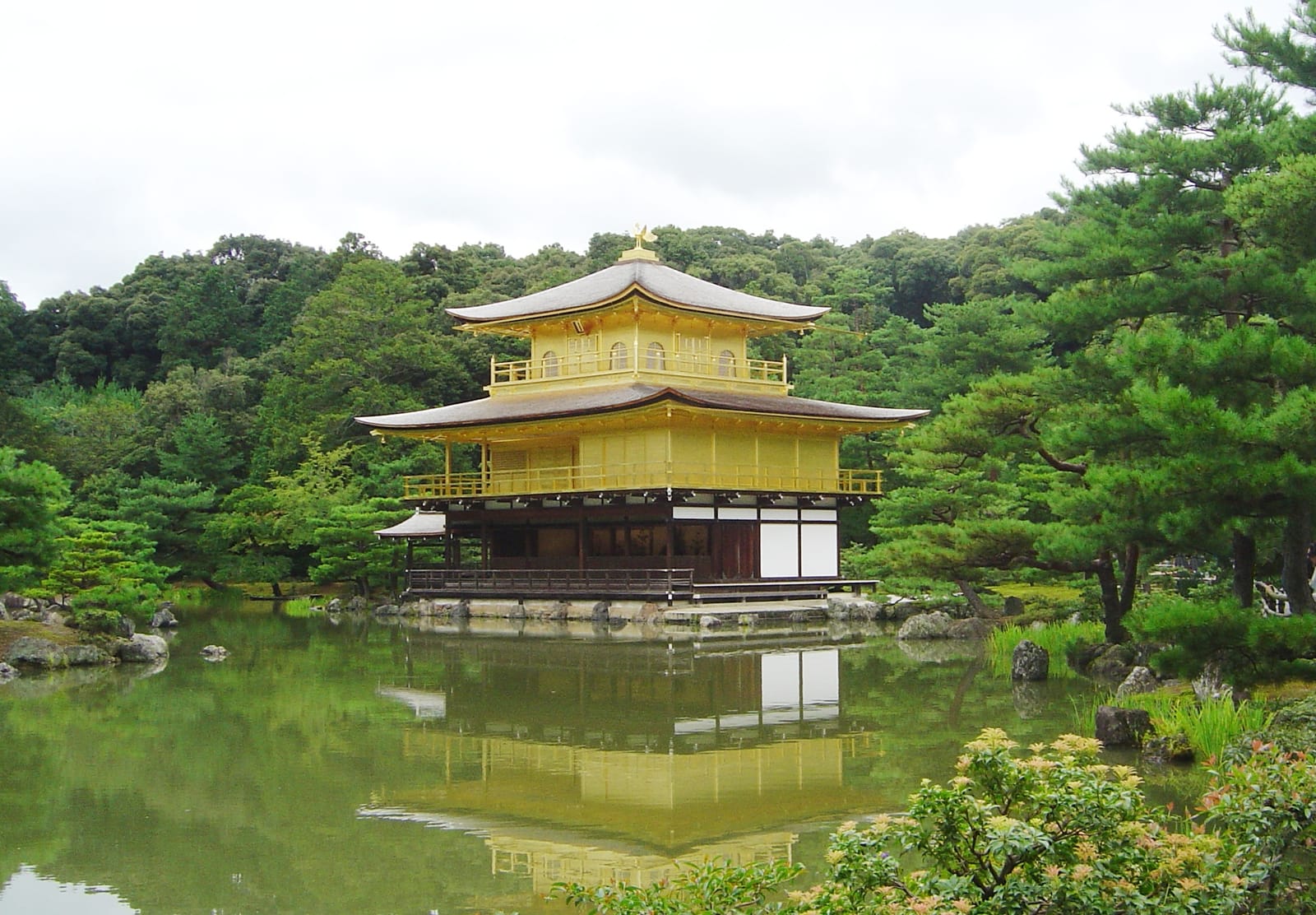
Located directly adjacent to the bustling 原宿駅(Harajuku Station), 明治神宮(Meiji Jingu Shrine) represents Tokyo's most enchanting urban paradox: a dense forest of 100,000 trees donated by citizens across Japan over a century ago that completely swallows the city noise just a few steps past its massive wooden torii gate. Dedicated to Emperor Meiji and Empress Shoken, admission is free, with opening hours running from sunrise to sunset. Plan to arrive before 9:00 AM while morning mist still lingers over the gravel pathways; if you are fortunate, you might witness a traditional Shinto wedding procession in white robes crossing the shrine courtyard. In early January, the shrine hosts Japan's largest hatsumode (First Shrine Visit of the New Year)—an overwhelming cultural phenomenon recommended primarily for those comfortable navigating massive crowds.
At the opposite extreme stands 浅草寺(Sensoji Temple), Tokyo's oldest temple dating back to the 7th century and a quintessential starting point for exploring the metropolis. Beginning at the iconic 雷門(Kaminarimon Gate) with its imposing 700 kg (1,540 lb) red paper lantern, visitors traverse the 250-meter-long 仲見世商店街(Nakamise Shopping Street) lined with traditional snacks and souvenirs before reaching the incense-filled courtyard and brilliant main hall. Since Sensoji remains busy almost year-round, the insider tip is to visit before 8:00 AM or after 7:00 PM—when the market stalls are closed, the temple grounds are beautifully illuminated, and you can enjoy the majestic five-story pagoda against the night sky in relative solitude. In late May, the surrounding neighborhood hosts the 三社祭(Sanja Matsuri), one of Tokyo's largest and liveliest traditional matsuri festivals.
Fushimi Inari Taisha – The Mountain Corridor of Ten Thousand Red Gates in Kyoto

No photograph can fully prepare you for the sensation of walking through the hypnotic tunnels of thousands of vermilion torii gates stretching across a 4 km (2.5 mi) trail up 稲荷山(Mount Inari) in 京都(Kyoto). Dedicated to the Shinto god of rice and business prosperity, each gate is donated by individuals or corporations, while stone fox (kitsune) statues—the divine messengers—guard the path throughout. 伏見稲荷大社(Fushimi Inari Taisha Shrine) is open 24/7 with free admission, so the best insider advice is to go at sunrise or after 5:00 PM. During peak daylight hours, the lower sections become heavily congested; however, hiking past the 四ツ辻(Yotsutsuji Intersection) viewpoint (about a 45-minute climb) thins out the crowds dramatically, giving you quiet stretches of vermilion archways through the mountain forest. The full round-trip hike takes 2 to 3 hours, so be sure to wear comfortable footwear and carry water.
Todaiji – The Great Buddha and the Deer of Nara
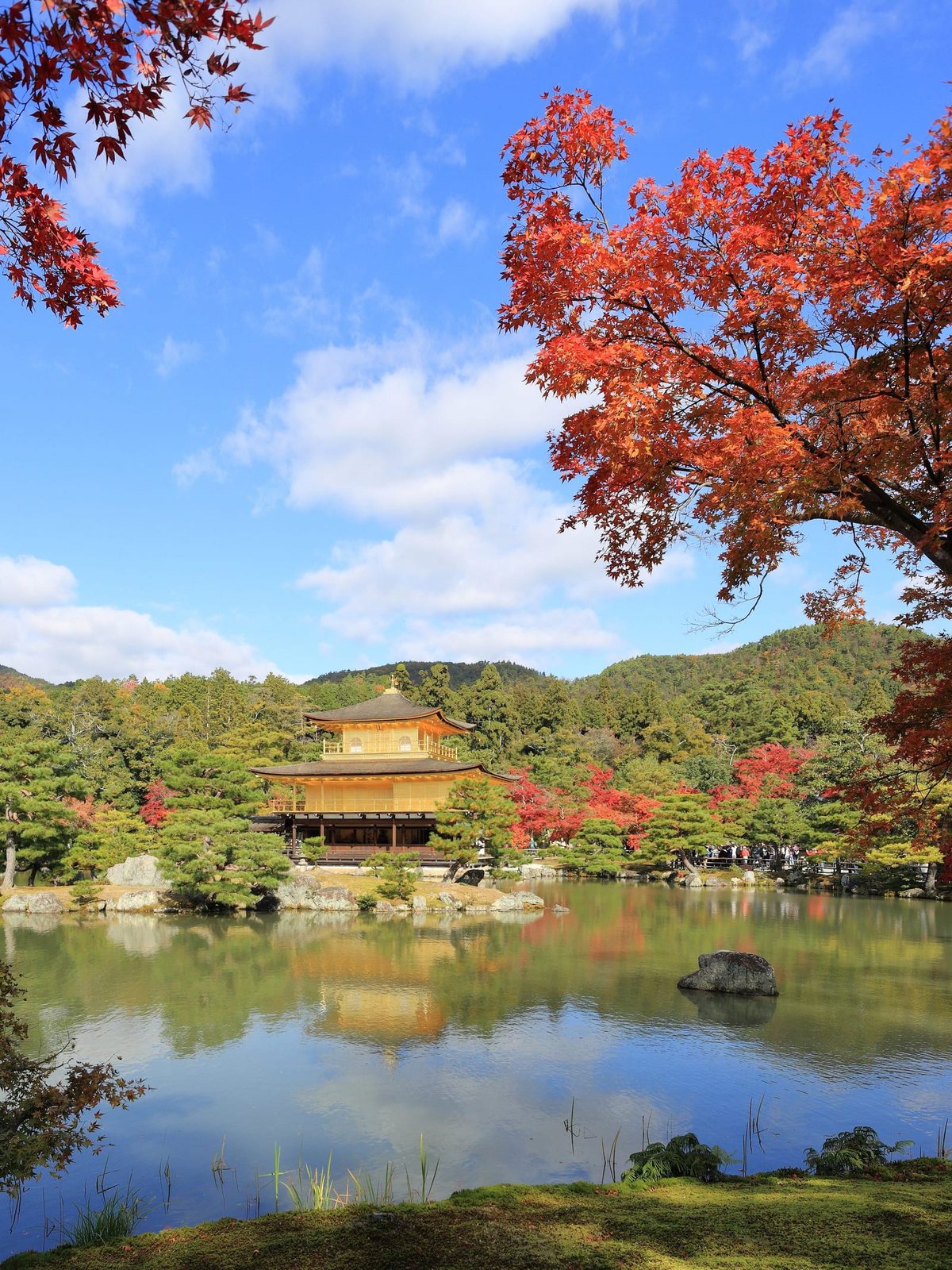
Located less than an hour by train from Kyoto using your IC card (Suica, Pasmo, or ICOCA) or JR train lines, 東大寺(Todaiji Temple) in 奈良(Nara) is a monumental structure that leaves visitors awe-struck. The main wooden hall (Daibutsuden) reaches nearly 50 meters (164 ft) in height and houses a 15-meter (49 ft) bronze statue of the Great Buddha (Vairocana) cast in the 8th century. Before entering the temple, you will stroll through 奈良公園(Nara Park), home to over a thousand friendly, free-roaming deer; purchasing a pack of shika-senbei deer crackers for about 200 JPY ($1.30 USD) and watching them bow politely for food is a uniquely memorable experience. Admission to the Great Buddha Hall is around 800 JPY ($5.30 USD). Inside, look for a wooden pillar with a hole carved through its base matching the size of the Great Buddha's nostril—tradition holds that anyone who successfully squeezes through will be granted good fortune in their next life.
Itsukushima – The Floating Torii Gate Rising from the Sea
Situated on 宮島(Miyajima Island) near 広島(Hiroshima), 厳島神社(Itsukushima Shrine) and its majestic 16-meter (52 ft) vermilion torii gate standing directly in the ocean constitute one of Japan's official "Three Scenic Views." The entire shrine complex is constructed on stilts over the bay so that during high tide, the structures appear to float gracefully on the water, while at low tide, visitors can walk right up to the base of the giant gate. Be sure to check local tide tables before your visit and stay long enough to observe both tides—ideally spending a night at a local ryokan on the island after day-trippers depart, when the illuminated gate glows dramatically against the dark sea. Access from Hiroshima is simple: take the JR train to 宮島口駅(Miyajimaguchi Station) followed by a 10-minute ferry ride, which is fully covered by the JR Pass.
Ise Jingu – Japan's Most Sacred Shinto Shrine
To the Japanese people, 伊勢神宮(Ise Jingu Shrine) in 三重県(Mie Prefecture) is considered the spiritual heartland of the nation—housing Amaterasu Omikami, the Sun Goddess and ancestral deity of the Imperial Family. The sacred grounds encompass 125 Shinto shrines nestled within an ancient cypress forest, centered around two main areas: 外宮(Geku - Outer Shrine) and 内宮(Naiku - Inner Shrine). Most remarkably, under the tradition of Shikinen Sengu, the principal shrine structures are completely rebuilt every 20 years on an adjacent plot of land, a practice maintained continuously for 1,300 years—reflecting a Shinto philosophy of renewal where the shrine remains both ancient and eternally brand-new. The architecture features untreated wood and unadorned thatched roofs without bright paints or gilding; this minimalist purity amidst ancient trees creates a profoundly solemn atmosphere. After visiting Naiku, stroll through the neighboring historical street of おはらい町(Oharaimachi) to sample regional delicacies like soft Ise udon noodles and sweet akafuku mochi.
The Best Seasons to Visit Japan's Shrines and Temples
Each season frames these sacred grounds in distinct colors: Late March to early April brings delicate cherry blossoms (sakura) covering temple courtyards (Sensoji and Kyoto's temples are spectacularly beautiful yet extremely crowded during this peak window); November to early December sees brilliant autumn foliage (koyo) transform Nara and Kyoto into vivid canvases of red and gold, complete with evening light-up illuminations at select temples; Summer is ideal for visiting Miyajima thanks to clear blue waters and coastal fireworks festivals; while Winter offers the lowest tourist crowds, where a dusted layer of snow over shrine rooftops conveys a serene, solemn beauty unequaled by any other season. Be sure to avoid Golden Week (late April to early May) and the New Year holiday period if you prefer to avoid peak domestic crowds.
These six iconic destinations stretch across the 関東(Kanto) to 瀬戸内(Setouchi) regions and can easily be connected into a seamless 7 to 10-day travel itinerary using the JR Pass alongside local IC cards like Suica or Pasmo for city transit. Before setting out on your trip, remember to review proper shrine and temple etiquette—from ceremonial hand purification (temizu) to the traditional bow-clap-bow ritual—in the practical travel guides on the OlaChill blog. If you prefer a curated shrine and temple itinerary accompanied by expert local guides, explore our full range of OlaChill Japan Tours.