Bleisure in Japan: How to Perfectly Combine Business and Leisure Travel
The ultimate Japan bleisure guide: extending business trips over the weekend, choosing hotels near major hubs, quick day trips from Tokyo and Osaka, and business dining tips.
Aug 8, 2026·✍️ olablog·⏱ 8 min read
The ultimate Japan bleisure guide: extending business trips over the weekend, choosing hotels near major hubs, quick day trips from Tokyo and Osaka, and business dining tips.
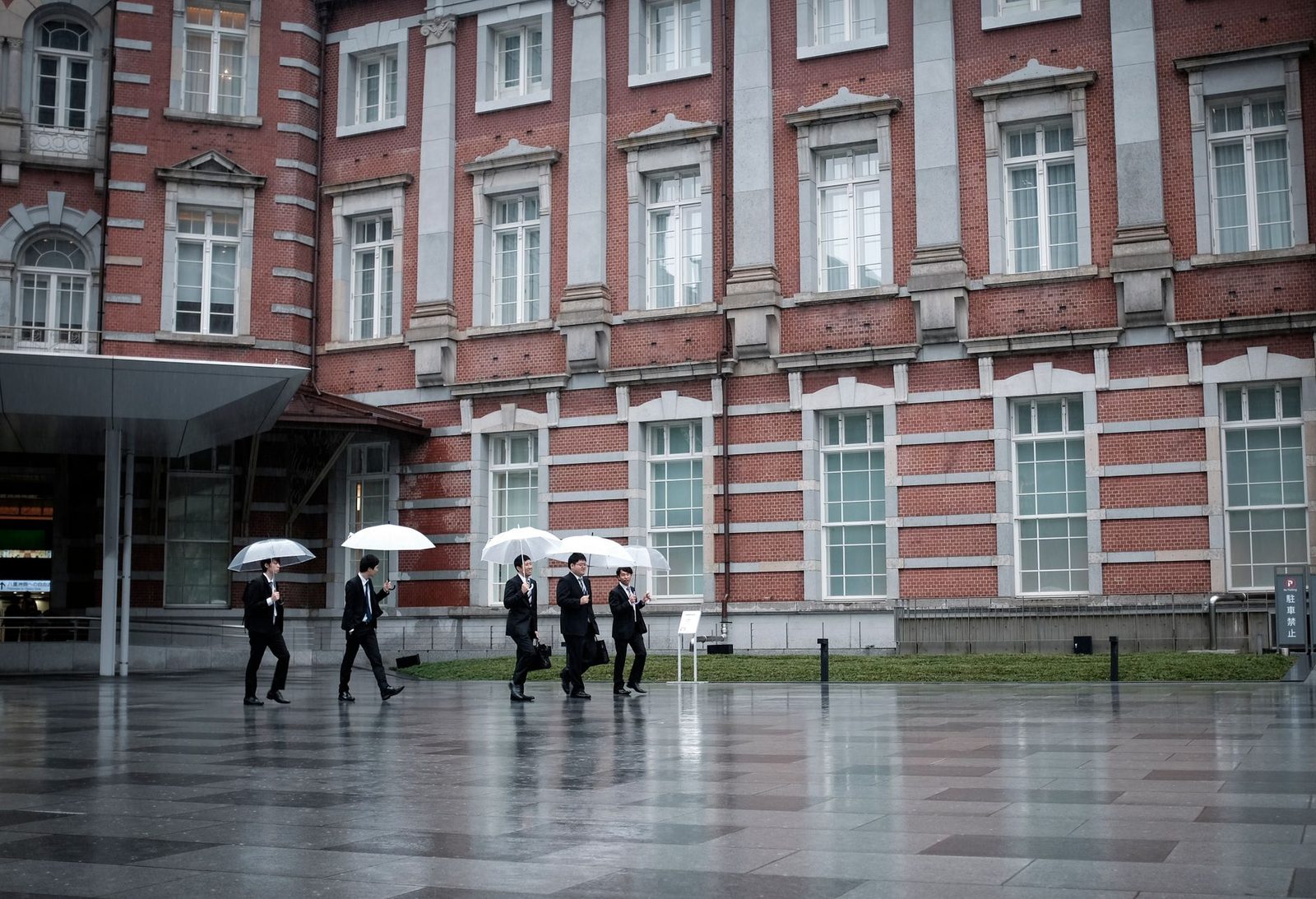
You have an upcoming business trip to Japan: three days of meetings in 東京(Tokyo), corporate-covered airfare, and a packed schedule from morning till night. The most valuable question right now is — why fly home on Friday evening? By simply changing your return flight to Sunday, you gain two full days to explore, with the main extra cost being just a couple of hotel nights. This travel style has a name: bleisure (business + leisure), and Japan is perhaps the most ideal destination in the world to practice it — everything runs strictly on time, safety is unrivaled, and the efficient 新幹線(Shinkansen / bullet train) network can whisk you from a boardroom to the foot of 富士山(Mount Fuji) in under two hours with just a tap of your Suica or IC card. This guide shares smart ways to seamlessly weave a mini-vacation into your business itinerary cleanly and professionally.
First Things First: Aligning with Company Policy and Visa Requirements
Bleisure is only truly enjoyable when the "business" side is completely clear and handled impeccably. Here are three crucial steps to take before dreaming about 京都(Kyoto):
- Be transparent with your company: The standard protocol is for the employer to cover round-trip flights and hotel stays during official working days; extra nights and personal expenses are paid out of your own pocket. Confirm everything via email with HR or accounting to avoid expense report hassles, and request separate hotel invoices for the two periods if necessary.
- Smart flight changes: When your company books your tickets, ask to set the return date for Sunday right from the start — altering an already issued ticket often incurs hefty fees. In many cases, Sunday return flights are actually cheaper than Friday evening departures.
- Check your visa and insurance: Ensure your visa entry allowance and permitted stay duration fully cover the leisure portion of your trip. Also keep in mind that corporate travel insurance usually only applies to official work days — consider purchasing additional travel insurance for your personal days.
Pick a Hotel Near a Major Railway Station: The Most Important Decision
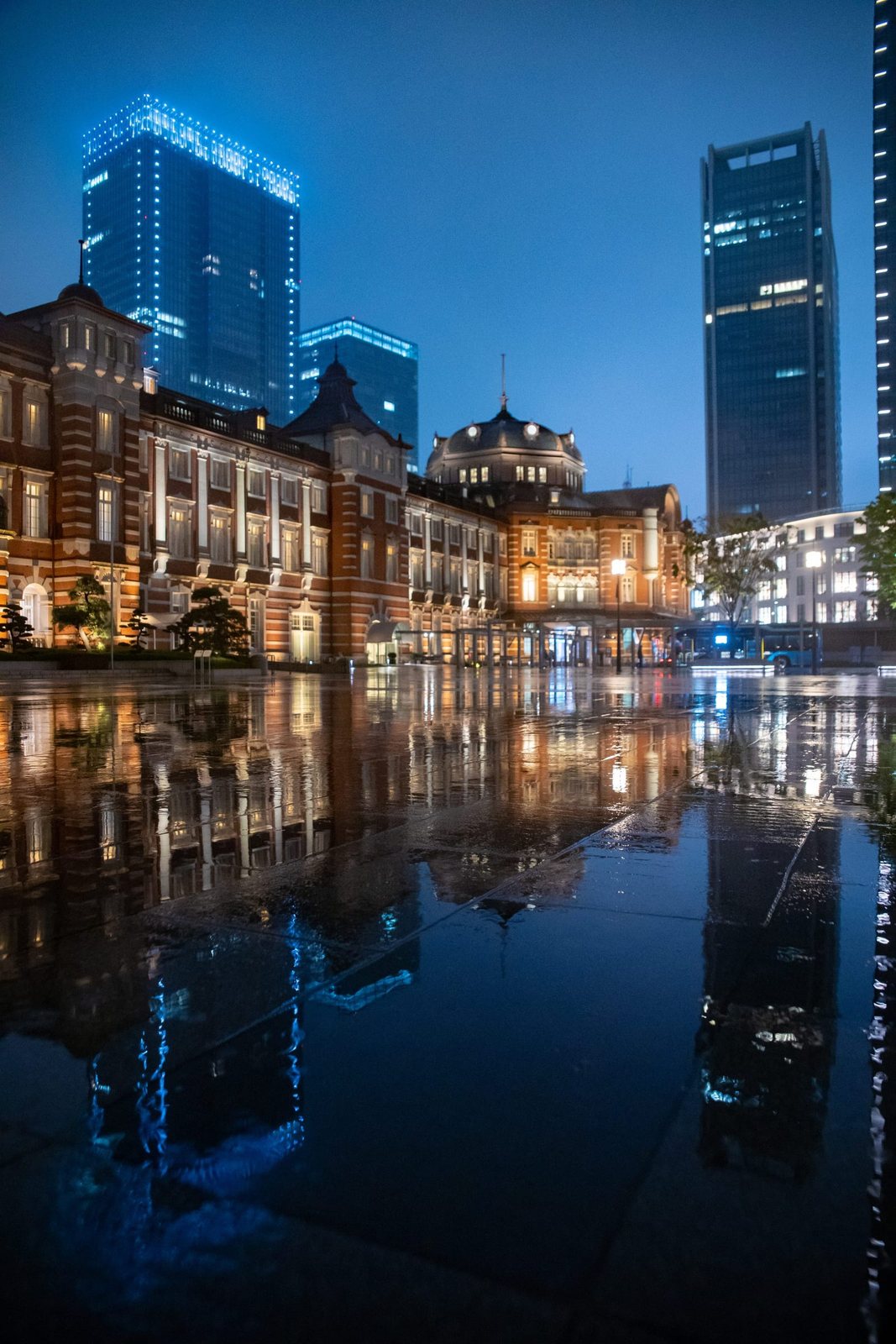
For someone balancing work and leisure, hotel location matters far more than room amenities. The golden rule: stay near a major transportation hub with direct access to the 新幹線(Shinkansen) or airport express lines.
- Tokyo: Stay around 東京駅(Tokyo Station) or 品川駅(Shinagawa Station) if your meetings are in the central financial districts — both are major 新幹線(Shinkansen) stops, meaning you can board a train straight to 京都(Kyoto) right after Friday meetings end. 新宿駅(Shinjuku Station) or 渋谷駅(Shibuya Station) suit those who want to enjoy vibrant nightlife and head out to 箱根(Hakone) or 富士山(Mount Fuji) over the weekend.
- Osaka: The area surrounding 新大阪駅(Shin-Osaka Station) is convenient for 新幹線(Shinkansen) travel, but 大阪駅(Osaka Station) / 梅田(Umeda) offers a better balance between work commitments and evening entertainment; from here, reaching 京都(Kyoto), 神戸(Kobe), or 奈良(Nara) takes only 15 to 50 minutes using your JR Pass, Suica, or local IC card.
- Accommodation types: Japanese business hotels (typically costing around ¥10,000–¥20,000 / ~$67–$133 USD per night in Tokyo depending on the season) are clean, efficient, and perfectly adequate for work days; when the weekend arrives, treat yourself by switching to a hotel with a stunning skyline view or a night at a traditional 旅館(ryokan / Japanese inn) featuring an 源泉(onsen / hot spring) — that contrast is the true joy of bleisure.
Invaluable pro tip: Every major station and most hotels offer takkyubin (luggage forwarding service) — send your heavy suitcases straight to your next hotel or directly to Narita/Haneda airport for around ¥2,000–¥3,000 ($13–$20 USD), leaving you free to explore over the weekend with just a light backpack.
Capitalize on Weekday Evenings: The City After 7:00 PM
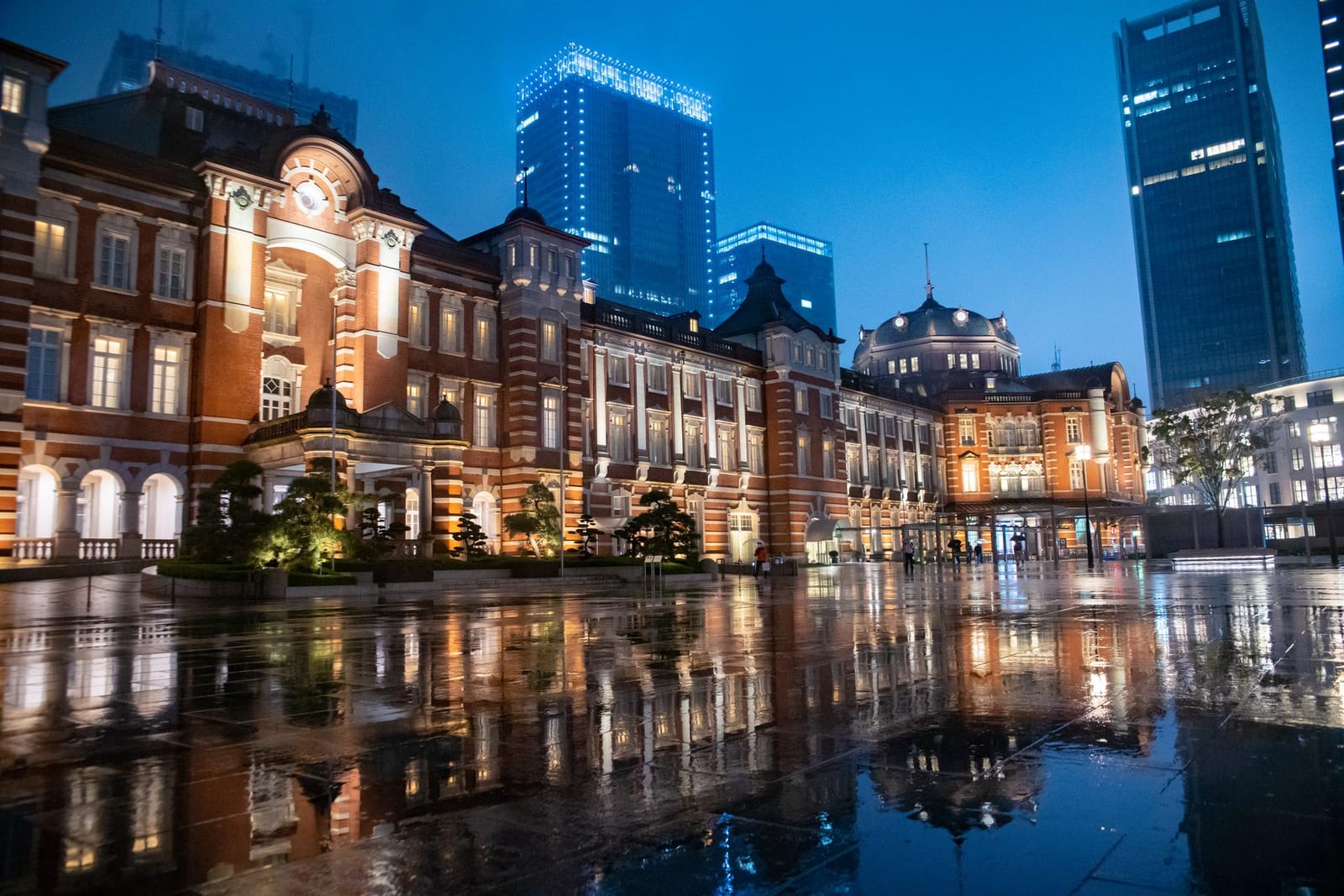
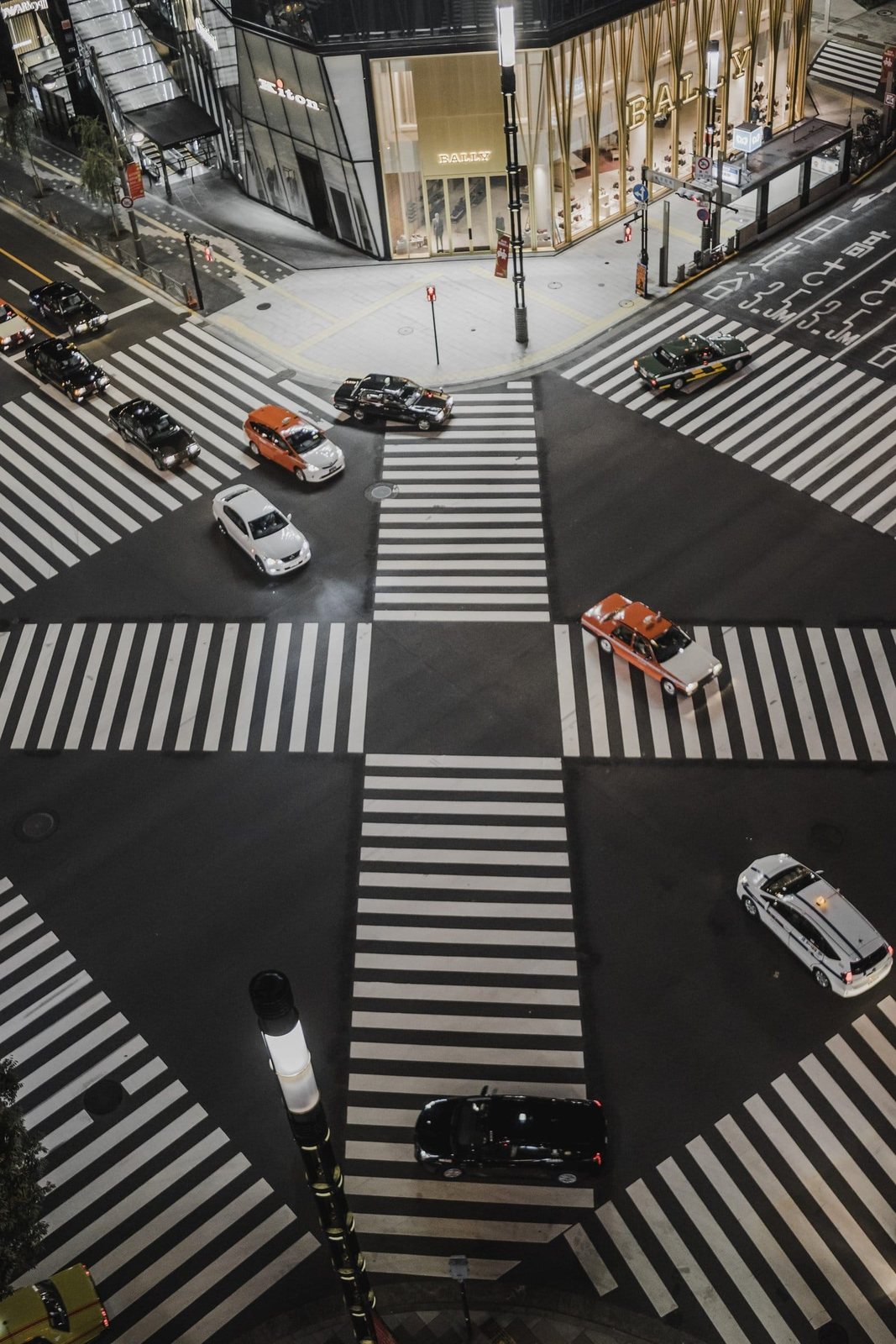
Don't wait until the weekend to start exploring. After business meetings conclude, 東京(Tokyo) and 大阪(Osaka) unlock an entirely different world at night:
- Enjoy panoramic high-altitude city views: Free or budget-friendly observation decks such as the Tokyo Metropolitan Government Building in 新宿(Shinjuku) or the modern 麻布台ヒルズ(Azabudai Hills) complex offer a breathtaking 30-minute mental reset after a grueling workday.
- Embrace solo dining with pride: Solo dining culture in Japan is remarkably well-developed — late-night ramen counters, conveyor-belt sushi, and neighborhood いざかや(izakaya / Japanese pub) with counter seating are welcoming to solo patrons. A fantastic dinner in 東京(Tokyo) doesn't have to break your budget.
- Late-night shopping: Stores like Don Quijote are open late or 24/7, allowing you to easily clear your souvenir gift list in a single evening instead of wasting half of your precious weekend.
The 48-Hour Weekend: Quick Day Trips from Tokyo and Osaka
This is the main "leisure" highlight. A reliable formula: spend one full day on a day trip further out, and keep one day inside the city (leaving a buffer for missed trains, fatigue, or last-minute shopping).
From 東京(Tokyo):
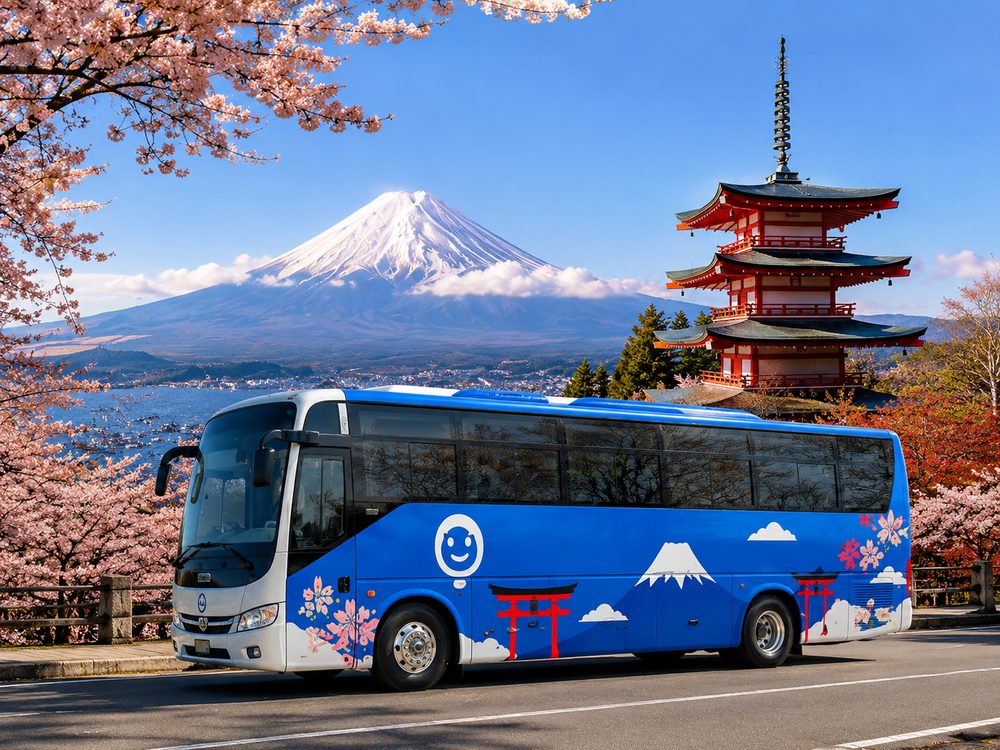
- 箱根(Hakone) (90 minutes): Onsen hot springs, Lake Ashi, ropeways, and stunning views of 富士山(Mount Fuji) — a complete getaway compressed into one day; staying overnight at a local 旅館(ryokan) is even better.
- 鎌倉(Kamakura) – 江の島(Enoshima) (60 minutes): The Great Buddha, coastal shrines, and the romantic 江ノ電(Enoden) coastal train — relaxed, scenic, and requiring minimal advance planning.
- 日光(Nikko) (2 hours): The opulent 日光東照宮(Nikko Toshogu Shrine) complex set within ancient cedar forests, ideal for history buffs and nature lovers.
- Express 京都(Kyoto) blitz (2 hours 15 minutes via 新幹線/Shinkansen): Entirely doable as a 1-day trip if you select carefully — visit 伏見稲荷大社(Fushimi Inari Taisha) early in the morning, 清水寺(Kiyomizu-dera), and the 祇園(Gion) district in the afternoon.
From 大阪(Osaka):
- 京都(Kyoto) (15–30 minutes): So close you can visit two evenings in a row just to stroll through 祇園(Gion) and dine along the 鴨川(Kamo River).
- 奈良(Nara) (under 1 hour): The Great Buddha at 東大寺(Todai-ji Temple) and freely roaming deer — a half-day trip is plenty, getting you back to 大阪(Osaka) in time for evening shopping in 心斎橋(Shinsaibashi).
- 神戸(Kobe) (under 30 minutes): Authentic Kobe beef dinners and romantic night views along the harbor waterfront.
- 姫路(Himeji) (30–60 minutes): 姫路城(Himeji Castle), Japan's finest remaining white castle, easily visited on a morning excursion.
Japanese Business Entertaining: Essential Etiquette Rules to Know
If your business trip involves settai (client entertainment dinners), keeping a few key cultural nuances in mind will help you score major points: wait to be seated (seating follows strict hierarchy — the most important guest sits farthest from the door); never pour your own drink, but rather pour for others and allow them to reciprocate; raise your glass only after a collective "kanpai" toast; and exchange business cards with both hands, placing received cards neatly on the table throughout the meal. Japanese professionals rarely negotiate contract details during dinner — business dinners are designed to build relationships. If you are hosting, reserve a private room at least a week in advance and notify the restaurant of dietary preferences or allergies beforehand; 懐石(kaiseki / multi-course dining) or 鉄板焼き(teppanyaki) establishments with set menus around ¥10,000–¥15,000 (~$67–$100 USD) per person are safe, polished choices.
A small but important detail: the nijikai (second-round party) culture is extremely common — after the main dinner, the party may continue at a bar or karaoke lounge. Joining in good spirits for a short while is warmly appreciated, but politely declining due to an "early morning meeting tomorrow" is also completely acceptable.
Conclusion: Two Extra Days, a Whole New Experience
Bleisure doesn't require overly elaborate planning — just a simple decision to alter your flight date, a strategically booked hotel near a major rail station, and a shortlist of sights you want to see. A business trip that would otherwise be confined to conference rooms and airport terminals suddenly gains misty mornings in 箱根(Hakone) or sunset views over the 鴨川(Kamo River) in 京都(Kyoto). If your time is too tight to research everything yourself, you can opt for pre-designed day trips in the Japan tours collection by OlaChill, or read more itinerary tips on our Japan travel blog. Next time you receive business travel orders for Japan, don't just book a tight turnaround ticket — gift yourself an unforgettable extra weekend.