Japan on a Student Budget
Unlock affordable Japan travel for Indian & Bangladeshi students. Discover budget hacks: hostels, passes, konbini meals, and smart timing for an unforgettable trip.
Jul 10, 2026·✍️ olablog·⏱ 15 min read
Unlock affordable Japan travel for Indian & Bangladeshi students. Discover budget hacks: hostels, passes, konbini meals, and smart timing for an unforgettable trip.
Japan, a dream destination for many, often conjures images of expensive bullet trains, luxury ryokans, and high-end dining. However, for Indian and Bangladeshi students eager to explore its unique blend of ancient tradition and futuristic innovation, a truly immersive experience doesn't have to break the bank. With smart planning, strategic choices, and a willingness to embrace local ways, you can navigate Japan on a student budget, potentially keeping daily expenses for accommodation and transport under ¥5,000 (approx ₹2,800) if you’re savvy. This guide will reveal how.
Smart Stays: Hostels, Capsules, and Beyond
Accommodation is often the largest variable expense in any travel budget, and Japan offers a fantastic range of wallet-friendly options far removed from pricey hotels. For students, hostels and capsule hotels are not just economical; they offer a chance to meet fellow travelers and experience a different side of Japanese hospitality.
Hostels: Japan’s hostels are renowned for their cleanliness, efficiency, and often, stylish designs. You’ll find options ranging from lively social hubs with common rooms and kitchens (great for cutting food costs) to quieter, more traditional guesthouses. Dorm beds are the most affordable, typically ranging from ¥2,500 to ¥4,500 (approx ₹1,400 to ₹2,520) per night in major cities like Tokyo, Kyoto, and Osaka. Look for hostels that offer amenities like free Wi-Fi, laundry facilities, and perhaps even a complimentary breakfast. Many provide secure lockers for your belongings, a crucial detail for peace of mind. When booking, pay attention to the location – proximity to a major train or subway station can save you significant time and local transport costs. Websites like Booking.com, Hostelworld, and Agoda are your best friends here. Always read recent reviews, especially concerning cleanliness, security, and atmosphere, to ensure it aligns with your travel style. Consider booking well in advance, especially during peak seasons like cherry blossom (April) or autumn leaves (November) to secure the best rates.
Capsule Hotels: A uniquely Japanese invention, capsule hotels offer compact, individual sleeping pods, typically stacked two high. Each capsule usually includes a light, power outlet, and sometimes a small TV. While shared bathrooms are standard, they are impeccably clean, often featuring excellent shower facilities and complimentary toiletries. Capsule hotels offer more privacy than a hostel dorm while remaining highly affordable, often priced between ¥3,000 and ¥5,000 (approx ₹1,680 to ₹2,800) per night. They are particularly popular in urban centers and near major transport hubs, making them convenient for early morning departures or late-night arrivals. Many capsule hotels now cater specifically to female travelers, offering women-only floors or even entire establishments, addressing any potential concerns regarding privacy and safety.
Guesthouses (Minshuku) and Budget Business Hotels: While slightly pricier, some traditional guesthouses offer a more local experience, often run by families, with rooms that might include futon bedding on tatami mats. Small, independent guesthouses can sometimes be found for around ¥4,000-¥7,000 (approx ₹2,240-₹3,920) per night. Budget business hotels, like those from chains such as Toyoko Inn, APA Hotel, or Dormy Inn, also occasionally have deals, especially for single rooms booked far in advance. While they are usually above the typical student budget, keeping an eye out for promotions is always wise. The key is flexibility with your booking dates and diligent research.
Navigating Japan on a Dime: Discount Passes and Overnight Travel
Japan's public transport network is legendary for its efficiency, but it can be costly if not planned carefully. For budget-conscious students, the trick is to leverage discount passes and embrace overnight travel.
Rethinking the JR Pass: For many first-time visitors, the Japan Rail Pass seems like the ultimate solution. However, for budget travelers focusing on a few key regions or shorter trips, it might not be the most economical choice, especially with its recent price increases. To make the JR Pass cost-effective, you typically need to undertake multiple long-distance Shinkansen (bullet train) journeys within a 7, 14, or 21-day period. For example, a round trip from Tokyo to Kyoto and back, plus a few local JR lines, might just about break even. If your itinerary involves fewer bullet train rides or concentrates on one or two regions, explore alternatives.
Regional and Local Passes:
- Tokyo Subway Ticket: Available for 24, 48, or 72 hours, these passes offer unlimited rides on Tokyo Metro and Toei Subway lines. A 72-hour pass costs around ¥1,500 (approx ₹840), which is incredibly good value if you plan to explore widely across Tokyo, especially compared to individual fares that can quickly add up to ¥200-¥300 (approx ₹112-₹168) per ride. These are usually purchased at airports or major tourist information centers.
- Kansai Thru Pass: For exploring the Kansai region (Osaka, Kyoto, Nara, Kobe), this pass covers non-JR private railways and subways, plus most buses. It's available for 2 or 3 days and can be a cost-effective alternative to the JR Pass for inter-city travel within Kansai, costing around ¥4,400 (approx ₹2,464) for two days.
- Seishun 18 Kippu: This highly specialized, seasonal pass (available during school holidays in spring, summer, and winter) offers five days of unlimited travel on local (non-Shinkansen) JR trains for ¥12,050 (approx ₹6,748) – meaning each day costs ¥2,410 (approx ₹1,350). It's incredibly cheap, but requires patience as local trains are much slower. You can use it on five separate days or share it with up to four friends on one day. This is a hardcore budget option, akin to traveling across India by unreserved sleeper class, but potentially much more comfortable.
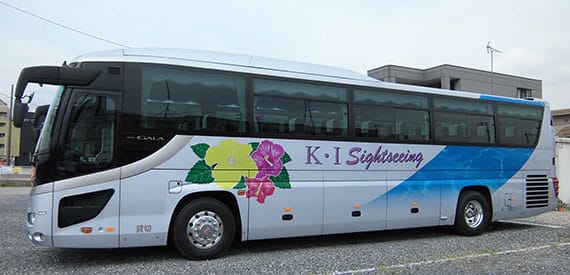
Overnight Buses: Your Mobile Hostel: For long-distance travel between major cities like Tokyo, Kyoto, Osaka, and Hiroshima, overnight highway buses are a game-changer for budget travelers. They kill two birds with one stone: transport and accommodation. A typical overnight bus journey from Tokyo to Osaka can cost anywhere from ¥4,000 to ¥8,000 (approx ₹2,240 to ₹4,480), depending on the booking time and seat comfort. This is significantly cheaper than a Shinkansen ticket (which can be ¥14,000-¥15,000 or approx ₹7,840-₹8,400 for the same route) and saves you a night's accommodation fee.
Companies like Willer Express, JR Bus, and other regional bus operators offer a variety of seating options, from standard seats to more spacious "relax" or "comfort" seats with blankets and power outlets. Booking is typically done online through their respective English websites. Always book well in advance, especially for weekend travel or during peak seasons. While the journey might not be as comfortable as a Shinkansen, the savings are substantial, and many students find they can sleep reasonably well, arriving refreshed and ready to explore.
IC Cards (Suica/Pasmo): For local city travel, grab an IC card like Suica or Pasmo upon arrival. These rechargeable cards work on almost all trains, subways, and buses across major cities (like a unified Delhi Metro card, but accepted nationwide) and even for purchases at many convenience stores and vending machines. While they don't offer discounts, they save you the hassle of buying individual tickets and calculating fares, making your daily commutes smoother and faster.
Feast for Less: Konbini, Supermarkets, and Budget Eats
Food in Japan can be a delightful, yet expensive, affair. However, with a few savvy strategies, you can enjoy delicious meals without emptying your wallet.
Konbini Meal Engineering: Japan’s convenience stores, or konbini (like 7-Eleven, FamilyMart, Lawson), are a budget traveler's best friend. They are not just shops; they are culinary havens offering surprisingly high-quality, fresh, and affordable meals. You can engineer entire meals for ¥300-¥700 (approx ₹168-₹392) per person.
- Onigiri: Rice balls with various fillings (salmon, tuna mayo, pickled plum) are a staple.
- Sandwiches: Freshly made with diverse fillings.
- Bento Boxes: Pre-packaged meals with rice, meat/fish, and side dishes. Look for discounted bento boxes in the evenings.
- Instant Ramen/Udon: A vast selection, and most konbini have hot water dispensers.
- Fresh Fruit & Salads: Healthier options are readily available.
- Hot Snacks: Fried chicken (karaage), steamed buns (nikuman), and more.
- Coffee & Tea: Affordable hot and cold beverages. Most konbini staff are happy to heat up your bento or instant noodles for you. This is where you can easily have breakfast, lunch, or a light dinner.
Supermarket Savings: For even deeper discounts, head to local supermarkets. After 7 PM or 8 PM, many supermarkets heavily discount their ready-to-eat meals, sushi, sashimi, and fresh produce. You can grab a full meal for a fraction of its original price. If your hostel has a kitchen, buying ingredients from a supermarket to cook your own meals is the ultimate budget hack. Look for stores like AEON, Ito-Yokado, or smaller local chains.
Addressing Vegetarian/Halal Food Anxiety: This is a legitimate concern for many Indian and Bangladeshi travelers.
- Vegetarian: While traditional Japanese cuisine often uses dashi (fish-based broth) as a base, vegetarian options are becoming more common.
- Konbini: Look for onigiri fillings like umeboshi (pickled plum) or plain salted rice. Vegetable sandwiches are often available. Be cautious with instant noodles, as many contain dashi or meat extracts; check ingredients carefully (Google Translate's camera function can be a lifesaver).
- Restaurants:
- Udon/Soba Shops: Some offer plain kake udon/soba (noodle soup) that can be vegetarian if you clarify "dashi nashi" (no dashi). Tempura vegetables are often an option.
- Curry Rice: Chains like CoCo Ichibanya are excellent. They offer various curry bases, including a vegetarian option, and you can customize toppings with vegetables. This is a reliable and filling choice.
- Indian/Nepali Restaurants: Found in most major cities, these are a safe bet for authentic vegetarian and often halal options.
- HappyCow App: An invaluable resource for finding vegetarian and vegan restaurants.
- Phrasebook: Learn key phrases like "Watashi wa bejitarian desu" (I am vegetarian), "Niku nashi de onegai shimasu" (No meat, please), "Dashi nashi de onegai shimasu" (No dashi, please).
- Halal: Japan is increasingly catering to Muslim travelers, but halal options are still limited compared to other cuisines.
- Dedicated Halal Restaurants: Major cities like Tokyo, Osaka, and Kyoto have an increasing number of certified halal restaurants, particularly serving South Asian, Middle Eastern, and some Japanese fusion cuisine. Online searches for "Halal Japan" or using apps like Halal Navi are essential.
- Supermarkets: Look for halal-certified products, though these might be in specialty stores rather than regular supermarkets.
- Fish and Vegetarian: When in doubt, opting for fish-based or strictly vegetarian meals (after careful inquiry about dashi) is the safest approach.
- Always verify ingredients, as "halal-friendly" might not mean fully certified.
Budget Restaurant Chains: Beyond konbini, several restaurant chains offer affordable sit-down meals:
- Ramen/Udon/Soba: Many local noodle shops offer hearty bowls for ¥600-¥1,000 (approx ₹336-₹560).
- Gyudon Chains (Beef Bowl): Yoshinoya, Sukiya, Matsuya are ubiquitous, offering quick and cheap meals. Be aware these are primarily meat-focused, but Sukiya often has a wider menu including some seafood or vegetable options.
- Ootoya/Yayoi-ken: Offer traditional Japanese set meals (teishoku) that are good value, usually around ¥800-¥1,200 (approx ₹448-₹672). You might find fish or vegetable-heavy sets here.
Free & Low-Cost Attractions: Experiencing Japan Without Breaking the Bank
Japan is full of incredible experiences that cost nothing or very little. Embrace exploration on foot and immerse yourself in the local culture.
Parks and Gardens:
- Ueno Park (Tokyo): A vast public park housing museums, a zoo, and several temples and shrines. While museums have entry fees, the park itself is free to wander, offering a peaceful escape.
- Imperial Palace East Garden (Tokyo): The former site of Edo Castle, these beautifully maintained gardens are open to the public free of charge.
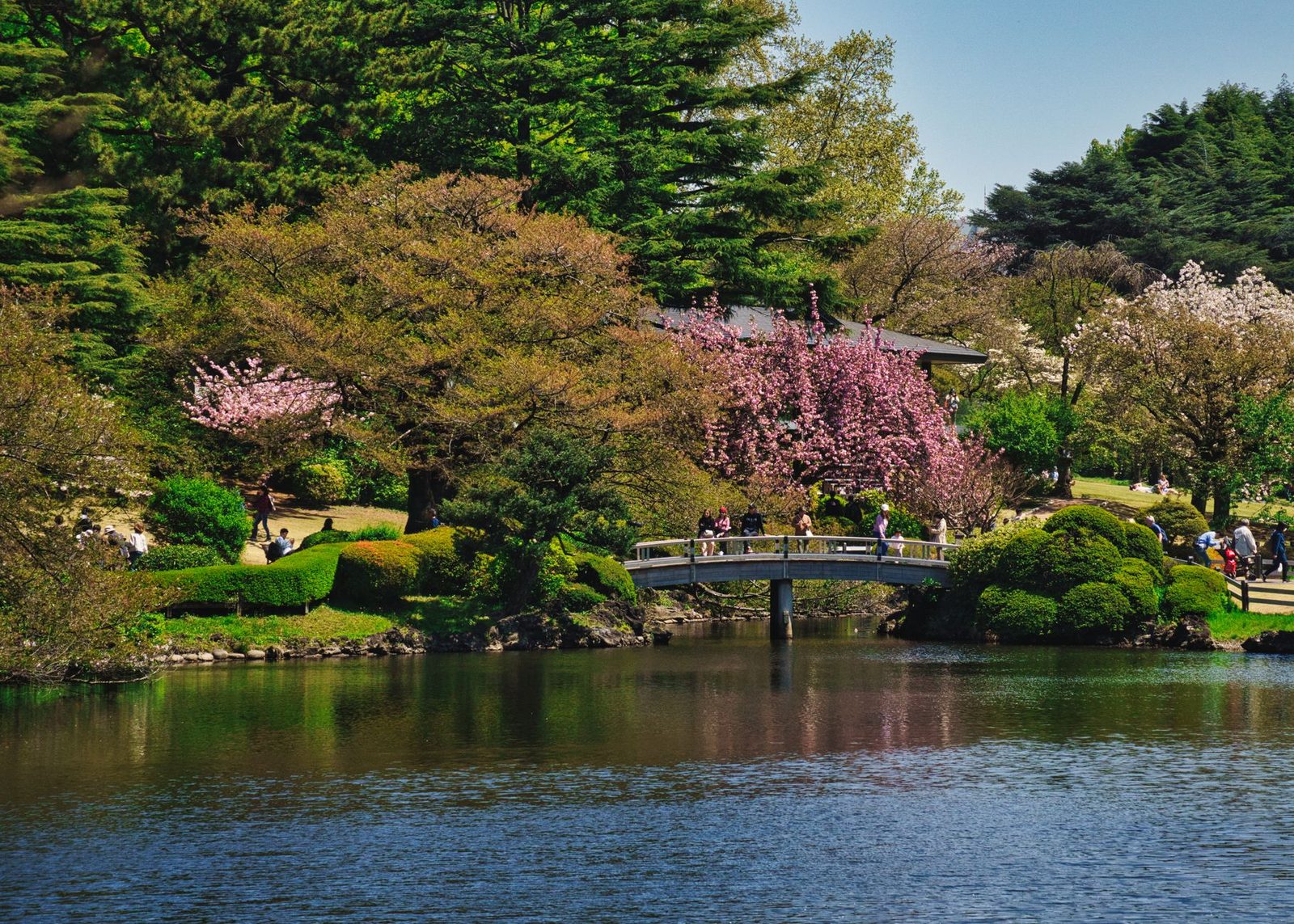
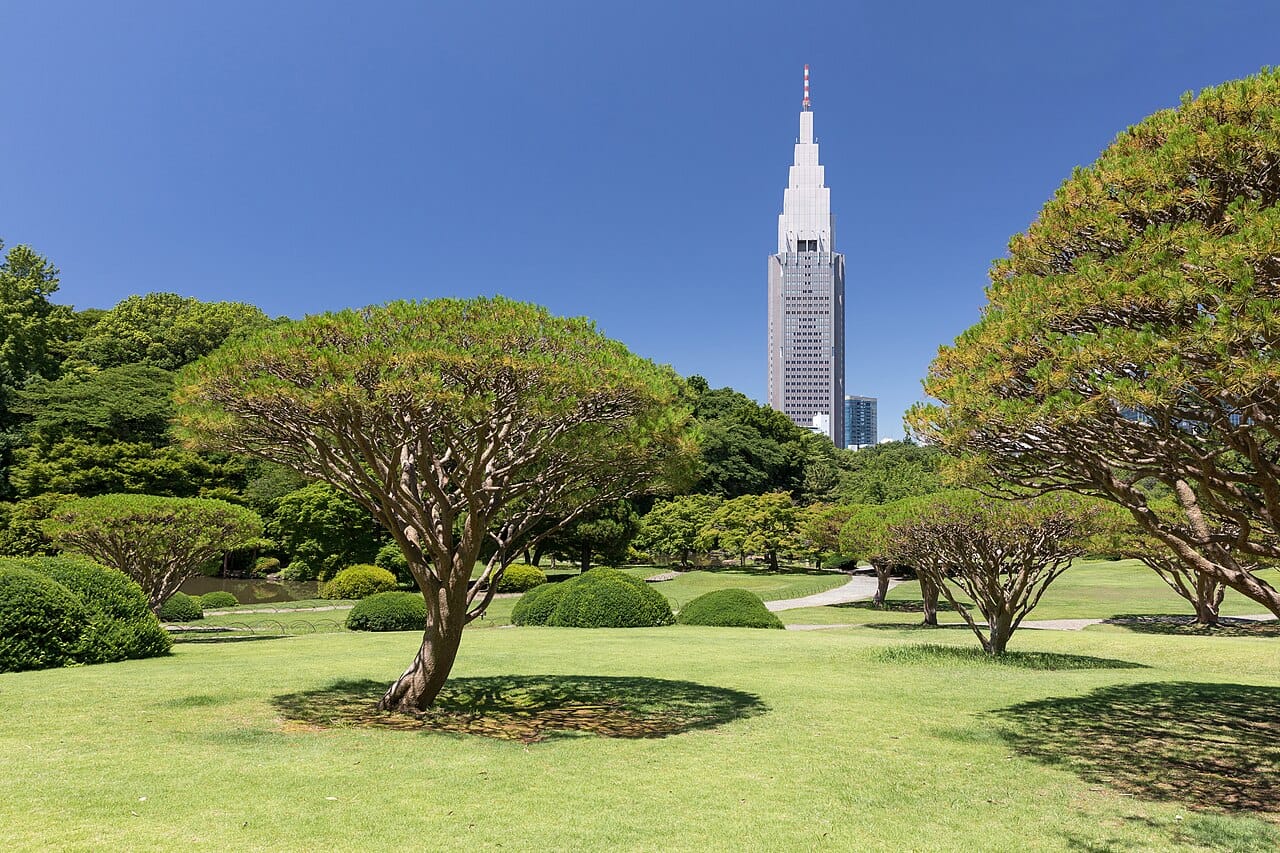
- Shinjuku Gyoen National Garden (Tokyo): While not entirely free, the nominal entry fee of ¥500 (approx ₹280) is well worth it for its stunning landscape, blending traditional Japanese, French, and English garden styles. Pack a bento and enjoy a picnic.
- Arashiyama Bamboo Grove (Kyoto): Walk through the iconic towering bamboo stalks for free. While nearby temples have fees, the main grove path is open access.
- Philosopher's Path (Kyoto): A scenic stone path alongside a canal, lined with hundreds of cherry trees. Perfect for a free, contemplative stroll.
Temples and Shrines: Japan is dotted with thousands of temples and shrines, many of which offer free entry to their grounds, even if certain inner halls or gardens require a fee.
- Senso-ji Temple (Tokyo): Tokyo's oldest temple, with its bustling Nakamise-dori market approach, is a vibrant and free cultural experience.
- Meiji Jingu Shrine (Tokyo): A magnificent Shinto shrine dedicated to Emperor Meiji and Empress Shoken, set within a vast forest. Entry to the main grounds is free.
- Fushimi Inari-taisha (Kyoto): Famous for its thousands of vermilion torii gates winding up a sacred mountain. Exploring the entire complex is completely free and offers incredible photo opportunities.
- Kiyomizu-dera Temple (Kyoto): While the main hall has an entry fee, walking around the expansive temple grounds, exploring the smaller shrines, and enjoying the views is free.
City Views & Exploration:
- Tokyo Metropolitan Government Building (Tokyo): Offers panoramic views of the city from its twin observatories (North and South) on the 45th floor, completely free of charge. It’s a fantastic alternative to the Tokyo Skytree or Tokyo Tower.
- Shibuya Crossing (Tokyo): Experience the organized chaos of the world's busiest intersection. Find a spot in Shibuya Scramble Square or Starbucks (if you buy a drink) for an elevated view.
- Harajuku & Takeshita Street (Tokyo): Window shop, people-watch, and soak in the unique youth fashion culture.
- Akihabara (Tokyo): Immerse yourself in the electric town's anime, manga, and electronics culture. Window shopping is an experience in itself.
- Dotonbori (Osaka): The vibrant entertainment district with its iconic Glico Man sign and dazzling neon lights is best experienced by simply walking around and soaking in the atmosphere.
Festivals (Matsuri): Japan hosts countless local festivals throughout the year. Attending a matsuri is a fantastic, free way to witness traditional culture, parades, music, and local life. Check local tourism websites for festival calendars during your travel dates.
A Sample Free-Focused Day in Kyoto: Start your morning with a tranquil walk through the Arashiyama Bamboo Grove, arriving early to beat the crowds. Afterwards, take a local bus to explore the free grounds of Fushimi Inari-taisha, hiking up through the torii gates. For lunch, grab some affordable onigiri and snacks from a konbini. In the afternoon, head to Gion, Kyoto's geisha district, for a free stroll, hoping to catch a glimpse of a geiko or maiko. Finish your day with a walk along the Philosopher's Path at dusk, enjoying the peaceful ambiance. This entire day can be achieved with only local bus fares (or an IC card) and konbini meals.
Timing Your Trip: Seasonal Savings and Avoiding Peak Prices
When you travel can significantly impact the cost of flights and accommodation. As students from India and Bangladesh, aligning your trip with Japan's shoulder or low seasons can result in substantial savings.
High Seasons (Avoid if possible):
- Golden Week (late April to early May): A cluster of national holidays, this is one of Japan's busiest and most expensive travel periods. Hotels are fully booked, and transport is packed.
- Obon (mid-August): Another major holiday when many Japanese travel to their hometowns, leading to crowded transport and higher prices.
- New Year's (late December to early January): Similar to Golden Week, with increased travel and festive surcharges.
- Cherry Blossom Season (late March to early April): While beautiful, this is peak tourist season, driving up flight and accommodation costs dramatically.
- Autumn Leaves Season (November): Another popular period for its stunning foliage, leading to higher demand.
Shoulder Seasons (Consider with caution):
- Late April (pre-Golden Week) and Mid-May (post-Golden Week): You might catch some late blossoms or early summer greenery with fewer crowds.
- Late September to October (post-typhoon season, pre-autumn leaves peak): Pleasant weather and often more reasonable prices.
Low Seasons (Best for Budget Travel):
- January to February: Winter is cold, especially in northern Japan, but offers unique experiences like snow festivals. Flights and accommodation are generally at their lowest. You might find great deals from India/Bangladesh during this period.
- Early June to Mid-July (Tsuyu - Rainy Season): This is Japan's monsoon season. While it rains frequently, it's typically not as intense or continuous as the monsoons in parts of India or Bangladesh. The rain often comes in bursts, and many days are just cloudy. Tourist numbers dip, leading to lower prices for flights and hotels. Hydrangea flowers are in bloom, and the misty landscapes can be quite beautiful. Embrace a good umbrella and plan indoor activities.
- Late August to Mid-September: Post-Obon and before the autumn rush. It can still be hot and humid, but prices start to drop.
Flight Price Impact from India/Bangladesh: Flights from major Indian and Bangladeshi cities (Delhi, Mumbai, Bengaluru, Dhaka) to Tokyo (Narita or Haneda) or Osaka (Kansai) can vary wildly.
- Peak Season (e.g., April, November, December): Expect to pay ₹50,000-₹80,000+ (approx ¥89,285-¥142,857) for a round trip.
- Low Season (e.g., February, June, September): You might find flights for ₹35,000-₹55,000 (approx ¥62,500-¥98,214). Booking 4-6 months in advance is crucial for securing the best flight deals regardless of the season. Look for flights with layovers in Southeast Asia or the Middle East for cheaper fares.
Flight/Accommodation Price Trend (relative)