Cherry Blossom Forecasting Explained
Master Japan's cherry blossom season for 2027. Learn forecast mechanics, booking tips, budgeting (INR/BDT), and enjoying sakura without stress.
Jul 10, 2026·✍️ olablog·⏱ 4 min read
Master Japan's cherry blossom season for 2027. Learn forecast mechanics, booking tips, budgeting (INR/BDT), and enjoying sakura without stress.
Japan's fleeting cherry blossoms, or sakura, are a spectacle that draws millions, and for first-time visitors from India and Bangladesh, timing this natural wonder feels like a high-stakes gamble. However, with a solid understanding of how forecasts work and a strategic booking approach, you can significantly increase your chances of witnessing the iconic full bloom. This guide will demystify the science behind the predictions, offer practical booking advice months in advance, and prepare you for a smooth, unforgettable hanami (flower viewing) experience for your 2027 trip, with costs carefully considered for your budget.
The Science Behind Sakura Forecasts: More Than Just a Guess
Predicting when cherry blossoms will bloom is a complex science, not a random guess. Several meteorological agencies in Japan, such as the Japan Meteorological Corporation (JMC) and Weathernews, dedicate significant resources to this annual task. Their forecasts are crucial for both locals planning their hanami parties and international travelers making their travel arrangements. Understanding their methodology can help you interpret the information effectively.
The primary factor influencing sakura bloom is temperature. Cherry trees require a period of cold dormancy during winter, followed by consistently warming temperatures in spring to awaken and flower. This "chilling hours" requirement varies slightly by tree species and location. After dormancy, the accumulated warmth, often measured in "warmth units" or "growing degree days," triggers the buds to swell, open, and eventually reach full bloom. A milder winter might lead to earlier dormancy breaking, but a sudden cold snap in early spring can delay the process, whereas sustained warmth can accelerate it.
Forecasters also consider historical data, which provides a baseline for average bloom times in different regions, and geographical factors like elevation and proximity to the coast, which influence local microclimates. For instance, cities further south and at lower elevations typically see their blossoms earlier than northern, higher-altitude regions. The agencies use sophisticated climate models, satellite imagery, and a vast network of observation points across Japan, including "sample trees" in parks and gardens, to monitor bud development in real-time. These observations are critical for refining initial long-range forecasts, which are issued months in advance, into more precise short-range predictions as spring approaches. For your 2027 trip, expect initial long-range forecasts to emerge around December 2026 or January 2027, with weekly updates becoming available from March onwards.
Decoding "First Bloom" vs. "Full Bloom": Timing Your Arrival
When you see cherry blossom forecasts, two key terms will consistently appear: "first bloom" (開花 kaika) and "full bloom" (満開 mankai). Understanding the difference is paramount for planning your trip, especially if you're traveling a long distance from India or Bangladesh.
"First bloom" refers to the date when the first five to ten blossoms have opened on a designated observation tree in a particular city. It marks the official start of the cherry blossom season for that region. While exciting, this isn't necessarily the ideal time for viewing, as most trees will still be in bud. The period between first bloom and full bloom typically lasts about five to seven days, though this can vary depending on weather conditions. If temperatures remain mild, the progression can be steady; however, a sudden cold snap can slow it down, while an unseasonably warm spell can accelerate it, sometimes leading to full bloom in just a few days.
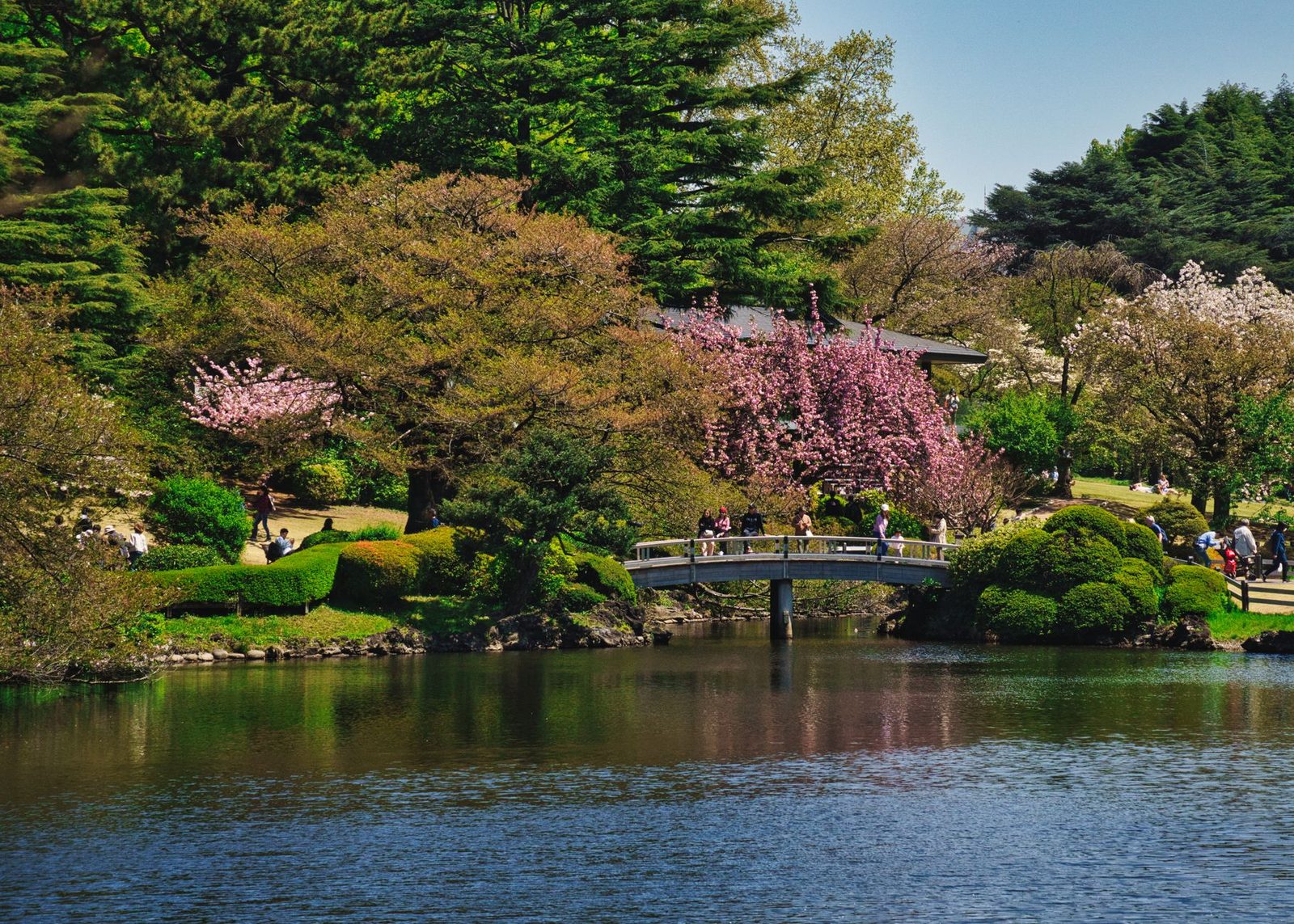
"Full bloom," on the other hand, is when at least 80% of the flowers on the observation tree have opened. This is the peak viewing period, offering the iconic spectacle of trees laden with delicate pink and white flowers. The full bloom itself usually lasts only about a week, under ideal conditions. After full bloom, the petals begin to fall, often creating beautiful "cherry blossom blizzards" (花吹雪 hanafubuki) as they drift in the wind and cover the ground like snow. Strong winds or heavy rain can significantly shorten the full bloom period, sometimes stripping trees bare in a single day. Therefore, aiming to arrive just as full bloom is expected, or slightly before, gives you the best chance to experience the peak beauty and account for any minor weather-related shifts. For a typical seven-day trip, targeting an arrival about three to four days before the projected full bloom date for your primary destination is a sensible strategy.
Key Cities and Their Typical Bloom Windows: A 2027 Planning Guide
Japan's elongated geography means the cherry blossom season sweeps across the archipelago, starting in the warmer south and moving northward. This offers travelers the flexibility to choose a region based on their preferred travel dates. While exact dates for 2027 will only be available closer to the time, historical averages provide an excellent baseline for planning. Remember, these are averages, and actual dates can shift by several days, or even a week, each year.