
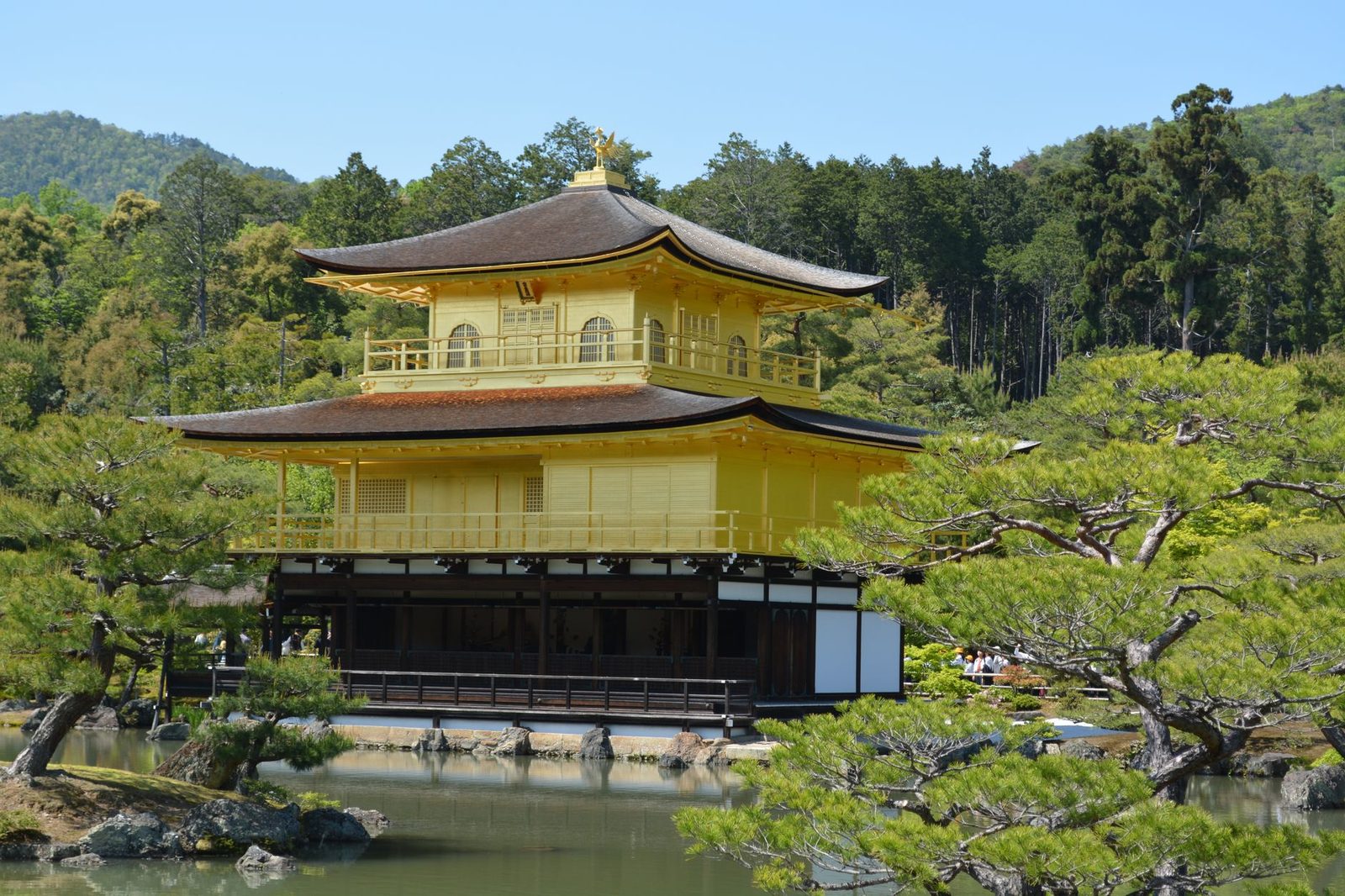
7-Day Kyoto Culture Tour Itinerary — Temples, Geisha, Tea, Zen
Go deeper than tourist Kyoto. Seven days of temples, private tea ceremonies, calligraphy workshops, Nara deer, Ise Grand Shrine, and kaiseki dinners. The introvert's Japan itinerary.
Apr 17, 2026·✍️ olablog·⏱ 9 min read
Go deeper than tourist Kyoto. Seven days of temples, private tea ceremonies, calligraphy workshops, Nara deer, Ise Grand Shrine, and kaiseki dinners. The introvert's Japan itinerary.
Tap a region to browse articles
Why a Culture-Focused Japan Trip
Most first-timer itineraries bounce between cities. A culture-focused trip does the opposite: slow base in Kyoto, day trips to Nara, Ise, and Mt. Koya, build each day around one deep experience (tea ceremony, zazen meditation, kimono rental + professional photos, calligraphy workshop).
You'll come home knowing more about Japan than people who visit 6 cities in a week.
Best for: introverts, first-timers who hate "see everything" pressure, solo travelers, couples who prioritize depth over coverage, writers/artists/researchers.
Budget: $2,500-4,500 per person on the ground. Kyoto ryokan stays drive cost. Best seasons: October-November (autumn koyo leaves over temple grounds) or mid-April to May (after cherry blossoms, before summer humidity)
Route at a Glance
| Day | Location | Culture focus |
|---|---|---|
| 1 | Kyoto (arrival via Osaka airport) | Gion walk + first kaiseki |
| 2 | Kyoto | Fushimi Inari + tea ceremony + zazen |
| 3 | Kyoto | Arashiyama temples + bamboo + calligraphy |
| 4 | Day trip to Nara | Tōdai-ji + deer + Kasuga |
| 5 | Day trip to Ise | Ise Grand Shrine + Oharai-machi |
| 6 | Day trip to Mt. Koya | Koyasan temple stay option |
| 7 | Kyoto → fly home | Final shrine + airport |
Arriving in Kyoto Without Tokyo
Fly into Osaka Kansai (KIX) instead of Tokyo Narita. Direct flights from West Coast:
- LAX / SFO → KIX: United, JAL, ANA (11-12 hr)
- HNL → KIX: JAL, Hawaiian (9 hr)
KIX → Kyoto: Haruka Express train (75 min, ¥3,000 one-way, or JR West Kansai Pass)
East Coast flyers: fly via Tokyo Haneda (HND), then Nozomi Shinkansen → Kyoto (2 hr 15 min, ¥14,170)
Day 1: Kyoto Arrival + Gion Evening
Afternoon: Check in
- Check into your base ryokan (you'll stay all 6 nights here — part of the slow-travel ethos):
- Ryokan Yoshikawa ($250-350/night) — traditional, garden rooms
- Hiiragiya Ryokan ($600-900/night) — historic luxury
- Hotel Kanra Kyoto ($180-250) — modern Japanese minimalism
- Budget: Piece Hostel Kyoto ($60-90)
Evening: Gion walk
- Hanamikoji Street at 5-6 PM as lanterns come on
- Shirakawa Canal — narrower, more atmospheric than main Gion
- Yasaka Shrine — free night entry
- Photo etiquette: Do NOT chase or photograph maiko. ¥10,000 fine since 2024.
Dinner: First kaiseki
- Kikunoi Honten (Michelin 3-star, ¥25,000/person) — book 2 months ahead
- Mizai in Maruyama Park (Michelin, ¥35,000)
- Budget kaiseki: Gion Karyo lunch course ¥8,000 (dinner ¥15,000)
Day 2: Fushimi Inari + Tea Ceremony + Zazen
6 AM: Fushimi Inari empty
- First train to Inari Station
- Walk the 10,000 orange torii gates without crowds
- Can hike to the summit in 2 hours (Yotsuji viewpoint is 45 min for a shorter option)
- Breakfast: Inari cafes open 7 AM
Mid-morning: Tea ceremony (chanoyu)
- Camellia Garden Flower House — authentic tea ceremony in a tea house garden (¥7,500 couple, 75 min)
- En Tea Ceremony in Gion — more private, booking mandatory (¥5,000-8,000)
- Focus on the ritual itself — 400-year-old movements, the seasonal kakejiku scroll, the chawan bowl tradition
Afternoon: Zen meditation session
- Shunko-in Temple (Myoshin-ji complex) offers zazen (seated meditation) introduction in English
- 90 min session, ¥3,000
- Led by Takafumi-san, English-speaking monk
- Includes temple tour after
Evening: Light dinner + rest
- Omen Gion (handmade udon noodles, ¥1,400)
- Early ryokan bath + bed
Day 3: Arashiyama + Calligraphy
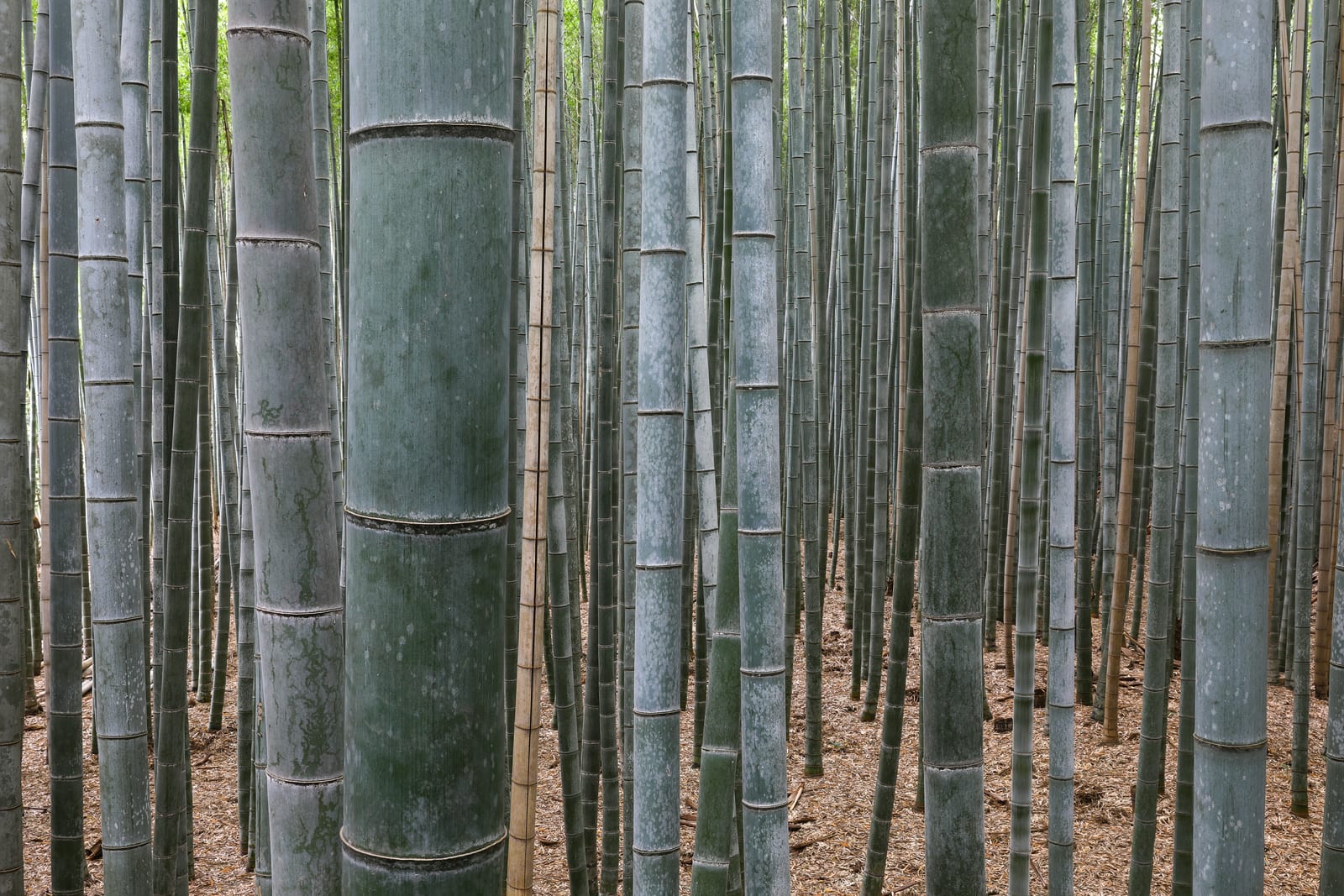
7 AM: Arashiyama Bamboo Grove (empty)
- Bus or JR to Saga-Arashiyama
- Bamboo path empty before 9 AM
- Okochi Sanso Villa (¥1,000 entry, includes matcha + sweet) — film actor's private garden, most locals don't know
Mid-morning: Tenryū-ji Temple
- UNESCO Zen garden, original since 1339
- ¥500 for garden, ¥300 extra for the temple interior
- Shojin-ryori vegetarian lunch available at attached Shigetsu restaurant (¥3,800, reserve)
Afternoon: Calligraphy (shodo) workshop
- Shodo Workshop Mori Tomiko in Arashiyama — 90 min with master calligrapher (¥6,000)
- Learn 5 kanji, bring home your work
- Bilingual instructions, no prior experience needed
Evening: Pontocho dinner
- Walk along Pontocho Alley in Kyoto city center
- Pick any restaurant with a river-facing terrace (only open May-Sep)
- Try Kawa Yoka or Pontocho Nabewari for kyo-kaiseki lighter version
Day 4: Day Trip to Nara
Morning: Kyoto → Nara
- Kintetsu Limited Express: 45 min, ¥680 one-way (not covered by JR Pass)
Day: Deer + temples
- Tōdai-ji Temple — Great Buddha in world's largest wooden building
- Nara Deer Park — 1,200 free-roaming deer. Buy shika senbei (¥200 for 10) to feed them.
- Kasuga Shrine with 3,000 stone lanterns
- Kofuku-ji pagoda
Lunch: Kakinoha-zushi
- Persimmon-leaf sushi — Nara specialty. Mackerel on rice, aged in persimmon leaves
- Eat at Hirasou Yoshino or Nakatani Shoten
Afternoon: Naramachi (old town)
- Preserved Edo-era merchant district
- Naramachi Koshi-no-Ie — traditional machiya house, free entry
- Tea stop at Cafe Kubo (modern vibe in historic house)
Back to Kyoto by 6 PM
Day 5: Day Trip to Ise Grand Shrine
Ise-jingu (伊勢神宮) is the most sacred Shinto shrine in Japan — Japan's soul. Dedicated to Amaterasu, the sun goddess. Rebuilt from scratch every 20 years for 1,300 years (next rebuild 2033).
Morning: Kyoto → Ise
- Kintetsu limited express: 2 hr 30 min, ¥3,850 each way
- Buy Kintetsu Rail Pass 1-day ($30) to cover it
Day: Geku + Naiku shrines
- Geku (Outer Shrine) — dedicated to food, agriculture. 30 min walk.
- Naiku (Inner Shrine) — the holiest ground in Japan. Walk through Uji Bridge, ancient cedar forest path.
- No photos inside Naiku inner precincts — out of respect
Lunch: Oharai-machi + Okage Yokocho
- Historic Edo-era merchant street outside Naiku gate
- Akafuku mochi (red bean mochi, Ise's famous sweet)
- Ise udon (soft udon in thick soy sauce, local specialty)
- Matsuzaka beef stalls for premium Japanese beef grilled
Return to Kyoto by 7 PM
Day 6: Mt. Koya Day Trip (or Overnight)
Mt. Koya (Koyasan, 高野山) is the center of Shingon Buddhism — 1,200-year-old temple complex on a sacred mountain. Optional overnight temple stay for the deepest experience.
Morning: Kyoto → Koyasan
- Shinkansen to Shin-Osaka, then Nankai Koya Line to Koyasan
- Total: 3 hours one-way, ¥3,000
Day: Sacred mountain
- Okunoin Cemetery — 200,000 graves along a 2 km forest path ending at Kukai's mausoleum. One of Japan's most spiritual sites.
- Danjo Garan temple complex + Konpon Daitō pagoda
- Kongobu-ji head temple of Shingon Buddhism
OPTION: Overnight temple stay (shukubo)
- Stay at a temple — Eko-in ($180), Fukuchi-in ($220), or Sekishoin ($150)
- Includes: vegetarian shojin-ryori dinner + breakfast, 6 AM morning service (goma fire ritual), access to evening night tour of Okunoin (surreal)
- Recommended if your trip can accommodate the 24-hour commitment
Back to Kyoto (or wake at Koya temple)
Day 7: Last Morning + Fly Home
6 AM: Final shrine visit
- Kiyomizu-dera at sunrise
- Or Ryoan-ji rock garden (Zen, peaceful morning)
Mid-morning: Ryokan breakfast + checkout
- Traditional Japanese breakfast: grilled mackerel, miso, rice, pickles, tamagoyaki
Midday: Airport
- Kyoto → Kansai Airport (KIX): Haruka Express, 75 min
- Or via Tokyo Haneda for more flight options
Budget Breakdown (per person)
| Item | USD |
|---|---|
| International flight | $900-1,500 |
| Ryokan (6 nights, mid-upper) | $1,500-2,700 |
| Food (7 days × $75) | $525 |
| Day trips (Nara, Ise, Koya) | $200 |
| Kaiseki dinners (2 dedicated) | $300-700 |
| Tea ceremony + calligraphy + zazen | $160 |
| Temple + shrine entry fees | $40 |
| Total on the ground | $2,725-4,325 |
| Total with flights | $3,625-5,825 |
Workshop + Experience Bookings
Book 4-6 weeks ahead:
| Experience | Where | Price | Duration |
|---|---|---|---|
| Private tea ceremony | Camellia Garden, En Gion | $50-80 | 75 min |
| Zazen meditation intro | Shunko-in Temple | $20 | 90 min |
| Calligraphy workshop | Mori Tomiko Arashiyama | $40 | 90 min |
| Temple stay Koyasan | Eko-in, Fukuchi-in | $150-220 | overnight |
| Kyoto Gion walking tour | Context Travel, private | $300/couple | 3 hr |
| Kimono rental + pro photo | Wargo, Yumeyakata | $100-200 | full day |
Reading Before You Go
To get more from the trip:
- "The Book of Tea" by Okakura Kakuzo — foundational on tea ceremony aesthetic
- "Hagakure" — samurai thought (audiobook version OK)
- "In Praise of Shadows" by Junichiro Tanizaki — Japanese aesthetic essay
- Movies: "Lost in Translation" (Tokyo vibe), "Departures" (ritual + death), Studio Ghibli "Spirited Away" (Shinto worldview)
What NOT to Do on a Culture Trip
Don't cram in Disney, USJ, or Tokyo Skytree. Different trip. Either commit to culture or commit to modern Japan.
Don't expect English conversations at every stop. Ise, Mt. Koya, and temple meditation sessions are mostly Japanese. Respect this — it's the point.
Don't photograph at every moment. Some temples prohibit photos entirely (especially at Ise Naiku). Carry a small notebook instead — writing observations adds to the experience.
Don't tip priests, monks, or tea ceremony hosts. It offends. Offer a small gift (fruit, sweets) if you want to show gratitude after a private session.
FAQ
Q: Solo OK? A: Ideal. Culture activities are contemplative, fine alone. Kaiseki dinners do solo seats at ryokans.
Q: Language barrier at temples? A: Bigger temples (Kiyomizu, Kinkaku-ji) have English. Small rural temples + Ise: bring Google Translate.
Q: Summer culture trip? A: Kyoto summer hits 37°C (99°F) + 85% humidity. Oppressive. Avoid Jul-Aug unless you love heat.
Q: What if I don't like quiet activities? A: You'll hate this trip. Pick the food tour or Tokyo + Kyoto first-timer instead.
Q: Children on culture trip? A: Teens 12+ OK. Younger = bored at 30 temples. Try family itinerary instead.
Bottom Line
A culture-deep Japan trip is rare — most travelers dilute it with Disney + Shibuya Crossing. Commit to Kyoto as base, take day trips to Ise + Nara + Mt. Koya, book workshops 6 weeks ahead, and you'll return with understanding tourists don't get.
One city. Six nights same ryokan. Slow.
More from this region — Kyoto, Nara & Kansai
View all →Kyoto by Private Alphard: A Comfortable Day for Small Groups
8 min · tips
Arashiyama Bamboo Grove and Katsura River: An In-Depth Kyoto Guide
12 min · destinations
Arashiyama in Kimono: Bamboo Grove, Togetsukyo and Getting There from Kiyomizu
7 min · culture
Artistic Gymnastics in Kasugai: Coach Transport for Groups
7 min · events