
7-Day Japan Food Tour Itinerary — Tokyo Sushi, Osaka Street, Fukuoka Ramen
Eat your way across Japan's three food capitals. Tsukiji sushi, Dotonbori takoyaki, Fukuoka tonkotsu ramen, kaiseki in Kyoto. Real restaurant picks, reservation timelines, and the omakase math.
Apr 4, 2026·✍️ olablog·⏱ 10 min read
Eat your way across Japan's three food capitals. Tsukiji sushi, Dotonbori takoyaki, Fukuoka tonkotsu ramen, kaiseki in Kyoto. Real restaurant picks, reservation timelines, and the omakase math.
Tap a region to browse articles
Japan Is a Food Country
Japan has more Michelin stars than any country — Tokyo alone has 200+ starred restaurants (more than Paris). But the real joy isn't the top-tier omakase. It's the ¥800 standing sushi bar at 11 AM, the ramen counter where the chef has made one bowl every 45 seconds for 30 years, the izakaya where the shop cat sits on your bag.
This 7-day route hits Japan's three food capitals: Tokyo (variety), Osaka (street food), Fukuoka (tonkotsu ramen birthplace) — plus a Kyoto kaiseki break in between.
Budget for two: $2,500-4,500 on the ground (food is ~60% of cost) Best season: Any month works. Spring (April) sakura sushi bento, summer (July-Aug) hamachi season, fall (Oct-Nov) matsutake mushrooms, winter (Dec-Feb) fugu + oysters.
Route at a Glance
| Day | Location | Food focus |
|---|---|---|
| 1 | Tokyo (arrival) | Shinjuku izakaya crawl |
| 2 | Tokyo | Tsukiji breakfast + Ginza sushi omakase |
| 3 | Tokyo | Ramen pilgrimage + depachika basement food halls |
| 4 | Tokyo → Kyoto | Kaiseki dinner at historic ryokan |
| 5 | Kyoto → Osaka | Dotonbori street food crawl |
| 6 | Osaka → Fukuoka | Tonkotsu ramen + Nakasu yatai stalls |
| 7 | Fukuoka → Tokyo → fly home | Hakata ekiben + last bite |
Day 1: Arrival + Shinjuku Izakaya Crawl
Evening: Omoide Yokocho (Memory Lane)
- Land, drop bags in Shinjuku hotel
- Walk to Omoide Yokocho (under Shinjuku station tracks) — 50m alley of 40+ yakitori stalls from 1950s
- Hop 2-3 shops, order 4-5 skewers + beer at each
- Try: chicken thigh (mōmō), chicken skin (kawa), beef tongue (tan), pork liver (reba)
- Cost: ¥2,000-3,500 per shop, per person
Late: Golden Gai for a nightcap
- Shinjuku Golden Gai — 6 alleys, 200 tiny bars
- Find one with "English OK" sign at door (Albatross, Deathmatch in Hell, Cambiare)
- ¥500-1,000 cover charge at most bars + drink prices
Day 2: Tokyo Sushi Day
5 AM: Toyosu Fish Market Tuna Auction
- Toyosu Market (replacement for old Tsukiji inner market) — world's largest fish market
- Tuna auction viewing: 5:30-6:30 AM, free but you need to register online 1 month ahead for upper-deck viewing
- Lower viewing floor is walk-in but no guaranteed spot
Breakfast: Sushi Dai or Daiwa Sushi at Toyosu
- Sushi Dai in Toyosu: ¥4,500 breakfast omakase, fresh from the auction
- Lines 1-2 hours — go 7 AM for shorter wait
- Alternative: Daiwa Sushi (next door, similar quality, slightly shorter lines)
Late morning: Tsukiji Outer Market (still thriving)
- Walk the outer market (inner moved to Toyosu, but outer has 400+ food shops)
- Grilled scallop skewer (¥500), uni shooter (¥300), tamagoyaki egg roll (¥200)
- Coffee at Turret Coffee nearby
Afternoon: Depachika (department store food hall)
- Isetan Shinjuku or Takashimaya Ginza basement
- The most extraordinary food markets on earth — wagyu, pastries, $80 Japanese melons, seasonal wagashi
- Sample stations everywhere — a budget-friendly way to taste Michelin-level technique
Evening: Ginza Sushi Omakase
- The splurge dinner of the trip. Book 1-3 months ahead:
- Sushi Ginza Onodera (3 Michelin, ¥40,000 per person omakase)
- Sukiyabashi Jiro Roppongi branch (son's restaurant, ¥30,000)
- Kyubey Ginza (iconic, ¥25,000, slightly more tourist-friendly)
- Casual alternative: Uogashi Nihon-Ichi standing sushi bar (¥3,500 for 15 pieces)
Day 3: Ramen + Depachika + Izakaya
Breakfast: Konbini gourmet
- 7-Eleven or FamilyMart egg sandwich (the famous fluffy-bread ones)
- Coffee from vending machine
- Eat on a park bench — try Yoyogi Park if weather is nice
Lunch: Ramen pilgrimage
Tokyo has 5,000+ ramen shops. Four must-try styles:
- Shoyu (soy): try Ginza Kagari (Michelin Bib Gourmand) — chicken-based shoyu
- Miso: try Menya Itto — rich, heavy miso with thick noodles
- Tonkotsu: try Ippudo Shiromaru Motoaji Shinjuku (consistent, Michelin-rated)
- Tsukemen (dipping noodles): try Fuunji Shinjuku — warm soup on the side
Limit yourself to 2 shops per day (you can't fit more ramen)
Afternoon: Depachika lunch hall + matcha break
- If you still have room, wander Takashimaya depachika
- Matcha + wagashi at Tsujiri (original Kyoto brand, Tokyo branches available)
Evening: Izakaya full dinner
- Torikizoku chain: all items ¥350 (cheap yakitori, great for budget)
- Gonpachi Nishi-Azabu: the "Kill Bill" restaurant, touristy but fun experience
- Kushiro Kurimura (niche, Shinjuku): kushikatsu (fried skewers)
- Pair with sake tasting (order "sakes from Niigata" — best region)
Day 4: Tokyo → Kyoto, Kaiseki Evening
Morning: Final Tokyo breakfast
- Bills Omotesando (famous ricotta pancakes, $15)
- Or konbini breakfast + walk
Afternoon: Shinkansen + Kyoto check-in
- Tokyo → Kyoto Nozomi: 2 hr 15 min, ¥14,170
- Don't eat much lunch — save appetite for kaiseki
Evening: Kaiseki at ryokan
Kaiseki is Japan's multi-course haute cuisine — typically 8-14 small plates, each a work of art.
- Kikunoi Roan (Michelin 2-star, ¥30,000 per person) — book 2 months ahead
- Yoshikawa Ryokan (traditional, ¥18,000) — includes the ryokan stay
- Budget option: Gion Karyo (¥8,000 lunch course, ¥15,000 dinner)
What to expect:
- 7 PM start, ~2.5 hours
- Seated in tatami room, traditional service
- Wear yukata if at ryokan (provided)
- Pace yourself — 14 courses means small portions but total is substantial
Day 5: Kyoto → Osaka Dotonbori
Morning: Nishiki Market breakfast/snacks
- Nishiki Market — "Kyoto's kitchen," 400m of food stalls
- Grazing items: warabimochi (sweet mochi), grilled eel rice, tsukemono pickles, matcha everything
Afternoon: Shinkansen to Osaka
- Kyoto → Shin-Osaka: 15 min, ¥1,420 one-way
- Check into Osaka hotel (near Namba for Dotonbori access)
Evening: Dotonbori street food crawl
The iconic neon-lit Osaka street. Walk + eat at 4-5 spots:
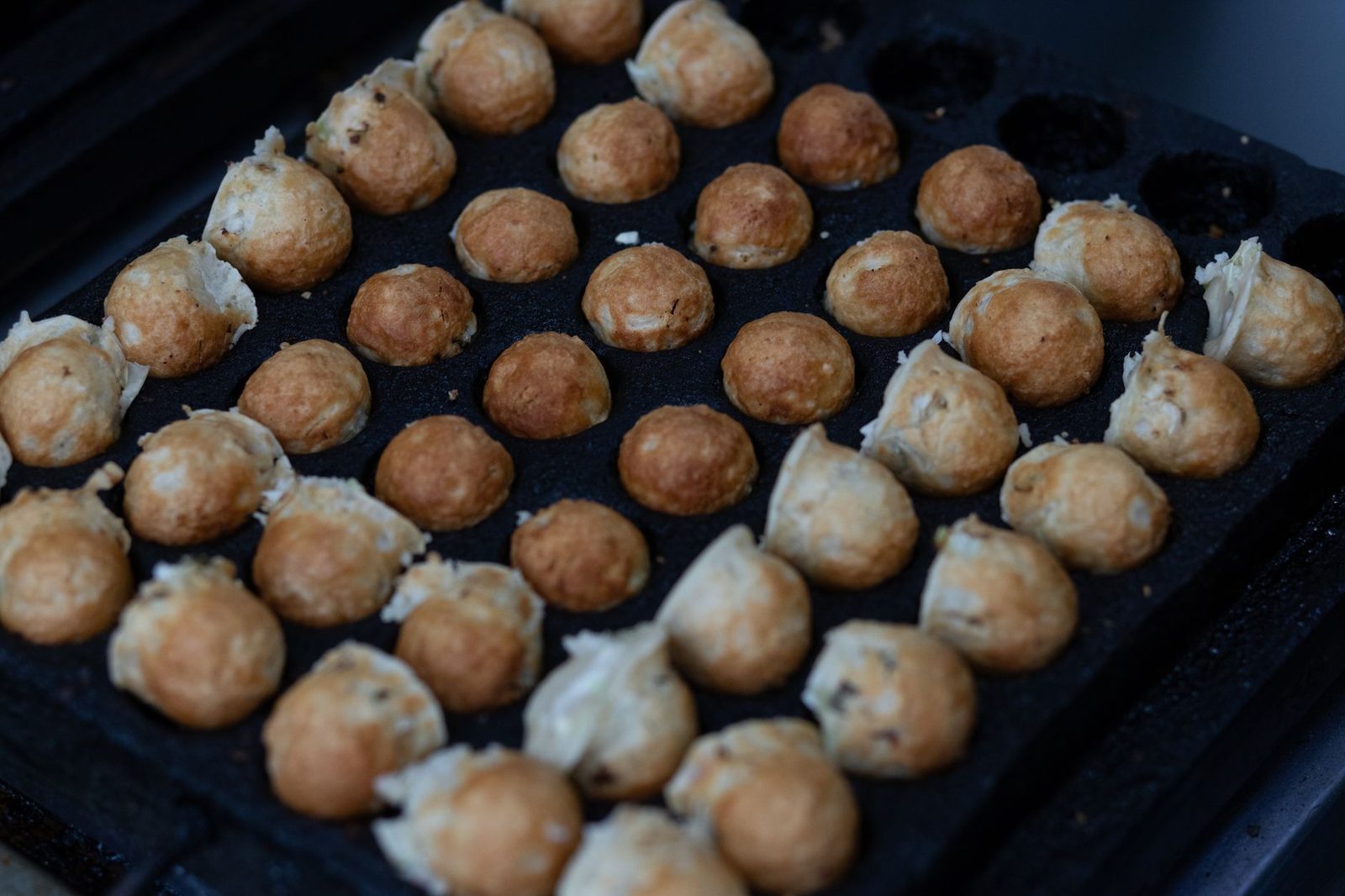
- Takoyaki (octopus balls) at Kukuru or Creo-ru — ¥500 for 8 pieces
- Okonomiyaki (savory pancake) at Mizuno (original Dotonbori branch) — ¥1,200
- Kushikatsu (fried skewers) at Kushikatsu Daruma — ¥100-300/skewer. Rule: no double-dipping the communal sauce.
- Kani Doraku for crab (the giant moving crab sign) — splurge ¥6,000/person
- Ice cream at Pablo Cheese Tart — half-baked cheese tart, ¥850
Late night: Don Quijote Ebisu Tower ferris wheel
- On top of the Don Quijote mega-store
- ¥600 per ride, 15 min, views of Dotonbori neon
Day 6: Osaka → Fukuoka (Ramen Mecca)
Morning: Shinkansen to Fukuoka
- Osaka → Hakata (Fukuoka): 2 hr 30 min, ¥15,000 one-way
- Or fly: ANA/JAL domestic, 1 hr, ~$100
Lunch: Tonkotsu ramen at the source
Fukuoka (specifically Hakata district) is the birthplace of tonkotsu ramen (pork-bone broth). Original shops:
- Ichiran Honten (original Fukuoka location) — solo booth ramen, ¥990, flavor sheet for customization
- Ippudo Daimyo Main Shop — the global chain started here; ¥1,200
- Hakata Issou — rich, milky tonkotsu; ¥900
Eat at 2 shops in one afternoon — they're all small and fast.
Afternoon: Dazaifu Tenmangu Shrine
- 30 min train from Hakata
- Shrine famous for scholars + umegaemochi (rice cakes stamped with plum seal)
Evening: Nakasu Yatai (street food stalls)
- Nakasu district (on the river island) — 100+ yatai (small food stalls) set up at sunset
- Order yakitori, tempura, oden, hot sake
- Sit on stools at a counter, chat with locals
- ¥3,000-5,000 per person for a full yatai dinner
Day 7: Fukuoka → Tokyo → Fly Home
Morning: Yanagibashi Rengo Market
- Fukuoka's fish market + food street
- Menya Kanetora for breakfast ramen
Midday: Hakata Station Ekiben
- Fukuoka ekiben specialties: karashi mentaiko (spicy cod roe) box
- Buy one for the Shinkansen ride
Afternoon: Shinkansen Hakata → Tokyo
- 5 hours (longest single leg of the trip)
- Eat ekiben, drink sake from station kiosk, sleep
- Or fly Fukuoka → Haneda: 1 hr 40 min, $120-200
Evening: Last bite + fly home
- Last Tokyo dinner at Sushi no Midori Shibuya if time permits (kaiten sushi, quick quality)
- Narita/Haneda transit to international flight
Budget Breakdown (per person)
| Item | USD |
|---|---|
| International flight round trip | $900-1,400 |
| Domestic travel (Shinkansen + optional flight) | $380-480 |
| Hotels (6 nights, mix mid to upscale) | $900-1,500 |
| Food (7 days × $80 average, including 1-2 omakase splurges) | $560-1,200 |
| Activities + market visits | $60 |
| Total on the ground | $1,900-3,240 |
| Total with flights | $2,800-4,640 |
Reservation Timeline
- Sushi omakase (Ginza Onodera, Jiro, Kyubey): 2-3 months ahead
- Kaiseki (Kikunoi, Yoshikawa): 1-2 months ahead
- Popular ramen (Ichiran, Ippudo): walk-in but line 15-60 min
- Toyosu tuna auction upper deck: 1 month online registration
- Ordinary izakaya / street food: walk-in, no reservation
Use OpenTable Japan, Tabelog, or your ryokan's concierge for kaiseki bookings.
Dietary Restrictions
Vegetarian/vegan: Difficult in Japan — dashi (fish stock) is in almost everything. Specialist restaurants:
- T's Tantan Tokyo Station (vegan ramen)
- Ain Soph chain (vegan restaurants in Shinjuku, Shibuya)
- Buddhist shojin-ryori temples (traditional vegan cuisine)
Gluten-free: Very rare label. Soy sauce contains wheat. Some celiac-specific tours available through Elle's Gluten Free Adventures (gf-mariko.com)
Kosher / Halal: Kirishima (Tokyo halal shabu), Muslim Friendly Restaurant Tokyo app for halal listings
Peanut allergy: Less common in Japanese cuisine than US. Print translation: "I am allergic to peanuts" = ピーナッツアレルギーです
Food Etiquette Refresher
- Slurp ramen/soba — it's polite
- Don't tip — rude in Japan
- No eating while walking — eat at the shop or finish before moving
- Pay at register near the door — not at table
- See our full Tipping + Etiquette guide
FAQ
Q: Cheap food recommendations? A: Convenience stores (7-Eleven, Family Mart, Lawson) have legitimately great food. Beef-bowl chains (Yoshinoya, Sukiya, Matsuya) — ¥500 per meal. Saizeriya for Italian budget eating.
Q: Worth bringing food home? A: Yes but customs rules. Legal: matcha, snacks, senbei, sealed cakes. Illegal: raw fish, fresh fruit, meat (including jerky). See prescription drug + customs guide.
Q: Best Japan food city ranking? A: Controversial but: Tokyo (variety + Michelin) > Osaka (street food depth) > Fukuoka (ramen) > Kyoto (kaiseki elegance) > Sapporo (seafood + butter-corn ramen)
Q: Kaiseki vegetarian version? A: Shojin-ryori (Buddhist temple cuisine) — no meat, fish, onions, or garlic. Temple stays at Koyasan or Kyoto temples.
Q: Drinking age? A: 20 in Japan. ID checks rare for foreigners who look over 25. Izakayas rarely check.
Bottom Line
Japan's food culture deserves its own trip. Don't try to squeeze this route into a "see Japan" trip — 7 dedicated days lets you eat at 2-3 proper meals per day without rushing. Book the kaiseki + omakase reservations first (they're the bottleneck), everything else flows around them.
Most travelers come home having lost weight (lots of walking) while having eaten more per-meal than they do at home (hyper-seasonal Japanese portioning). You've been warned.
More from this region — Osaka
View all →
Japan's 7-Day Golden Route: Tokyo, Kyoto, Nara and Osaka Hour by Hour
18 min · itineraries
Kyoto or Osaka to Nagoya for the Games: Private Transfer With Stops
6 min · itineraries
Chartering a 45-Seat Bus in Osaka: A Complete Group Travel Guide
9 min · tips
Japan’s Golden Route by Bus: A Group Itinerary from Tokyo to Osaka
9 min · tips