
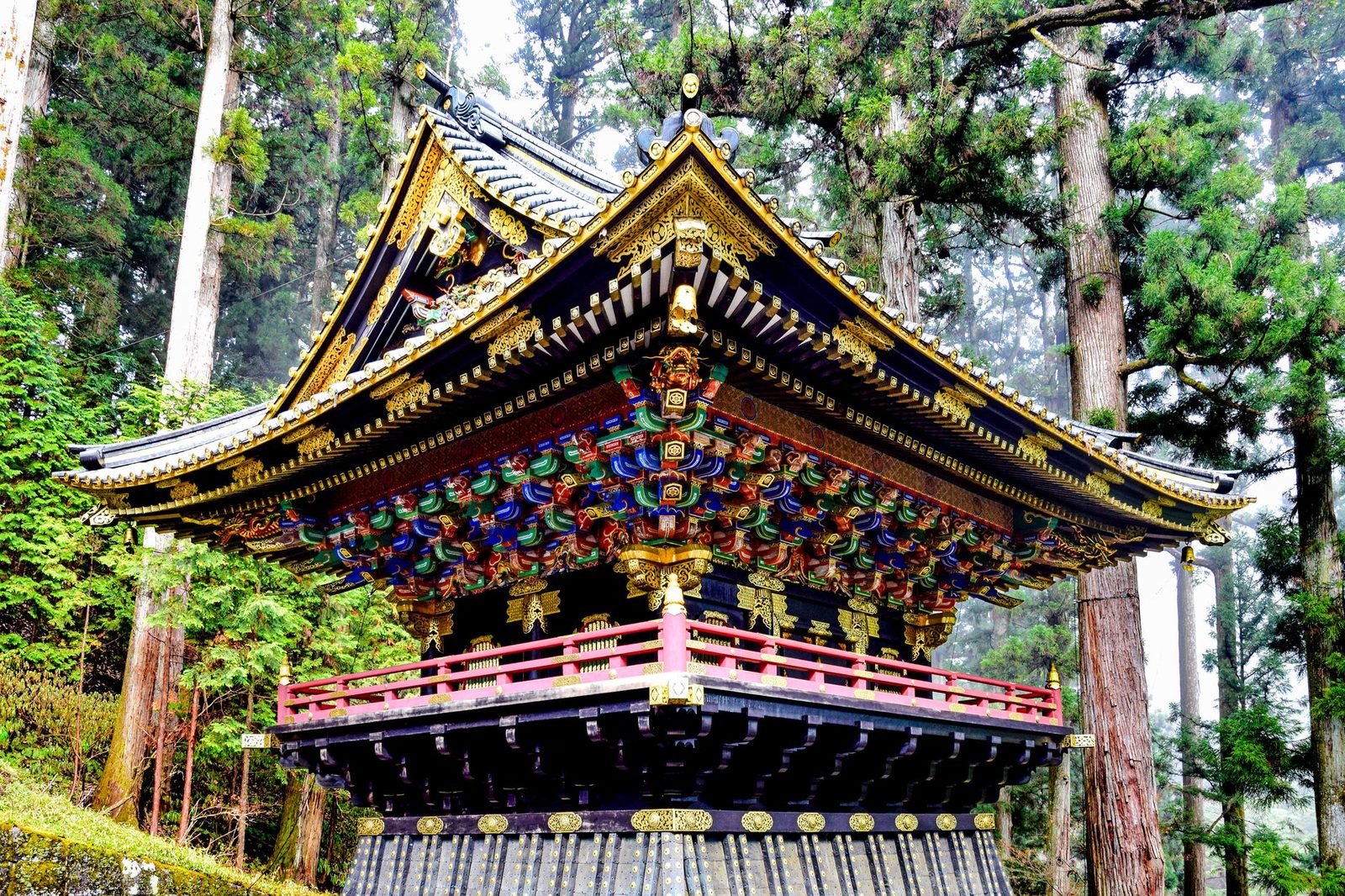
Tokyo to Nikko by Coach: A Practical Group Day Trip
Plan a smooth Tokyo to Nikko group day trip with a 45–50-seat coach, mountain-road advice, autumn traffic tips, and a realistic 10-hour itinerary.
Aug 21, 2026·✍️ olablog·⏱ 8 min read
Plan a smooth Tokyo to Nikko group day trip with a 45–50-seat coach, mountain-road advice, autumn traffic tips, and a realistic 10-hour itinerary.
Tap a region to browse articles
Why Nikko works for a group day trip from Tokyo
Nikko is one of the most rewarding day trips from Tokyo for groups who want a change of scenery without arranging an overnight stay. In one compact destination, you can combine ornate UNESCO-listed shrines, cedar forests, mountain lakes, waterfalls, and traditional Japanese scenery.
For a small group, trains and local buses may be enough. For a large group, however, a private charter coach is often easier. Everyone travels together, luggage stays on board, and the itinerary can be adapted around your group’s priorities.
A full-size 45–50-seat coach is particularly useful for school groups, company trips, tour groups, wedding parties, and extended families. It offers comfortable seating for a large party, although Nikko’s mountain roads and busy sightseeing areas require careful route planning.
What to expect on the Tokyo–Nikko route
Nikko is north of Tokyo, but the journey is not simply a motorway transfer from city to city. A typical private coach trip uses expressways for much of the route before entering narrower roads around central Nikko and the Oku-Nikko mountain area.
Travel time varies significantly. Traffic leaving Tokyo, roadworks, weather, rest stops, and seasonal demand can all affect the journey. Once the coach reaches the mountain section, the road becomes more winding, especially on the approach to Lake Chuzenji.
The famous Irohazaka route is made up of winding mountain roads with many bends. A full-size coach can be suitable for the main sightseeing route when conditions and access rules permit, but the driver must manage the road carefully. Some smaller side roads, viewpoints, and temple-area lanes are not appropriate for a large vehicle.
For this reason, your itinerary should focus on designated coach access points and realistic walking routes rather than trying to stop everywhere. A licensed Japanese operator can also adjust the order of visits when traffic or parking conditions change.
Autumn leaves: how serious is the congestion?
Nikko’s autumn colours are spectacular, especially around the cedar-lined approaches, Lake Chuzenji, Kegon Falls, and the higher mountain areas. They are also the busiest time to visit.
The most difficult traffic is usually concentrated around weekends and public holidays during the peak foliage period, which often falls from mid-November to early December in the popular sightseeing areas. The exact timing changes each year, and different elevations change colour at different times.
Congestion may affect:
- The expressway and roads approaching Nikko
- Parking areas near Toshogu and the central shrine district
- The winding road toward Lake Chuzenji
- Access to Kegon Falls and lakeside viewpoints
- Coach loading and unloading zones
- The return journey to Tokyo in the late afternoon
A group should not assume that a short map distance means a short travel time. In peak season, the mountain section can become the main bottleneck. Leaving Tokyo early is one of the most effective ways to protect your sightseeing time.
It is also wise to choose two or three main attractions instead of building a schedule with too many stops. A coach may need to park away from the entrance, followed by a walk. Adding several short photo stops can make the itinerary difficult to maintain.
A realistic 10-hour sample itinerary
The following plan is designed as a starting point for a private 45–50-seat coach. It gives the group time for Nikko’s heritage area and one mountain-side attraction without pretending that every stop can be rushed.
| Time | Plan | Notes |
|---|---|---|
| 07:00 | Depart from Tokyo | Pick-up point should allow safe coach access; an early departure is important in foliage season. |
| 09:45–10:00 | Arrive in Nikko area | Actual arrival depends on Tokyo traffic and road conditions. |
| 10:00–12:00 | Toshogu Shrine and surrounding heritage area | Allow time for walking, tickets, photographs, and regrouping. |
| 12:00–13:00 | Group lunch | Reserve in advance, especially for a large party. |
| 13:00–14:00 | Drive toward Lake Chuzenji | The mountain road is scenic and winding; travel time can increase in busy periods. |
| 14:00–15:00 | Kegon Falls or Lake Chuzenji | Select one main focus if the road is congested. |
| 15:00–17:00 | Return to Tokyo | The operator may adjust the departure time based on traffic and weather. |
This schedule is intentionally conservative. On a quiet weekday, you may be able to add a short stop at Shinkyo Bridge or spend longer in the shrine district. During peak autumn weekends, the best plan may be to remain in central Nikko and skip the higher mountain section.
If your group specifically wants Lake Chuzenji, Kegon Falls, or the Irohazaka route, tell the operator when requesting a quote. The route, coach parking, and expected driving conditions can then be assessed together.
Choosing the right coach for a large group
A 45–50-seat full-size coach is a strong choice when your group is large enough to fill it. It keeps the party together and avoids coordinating several cars or taxis on mountain roads.
Before confirming, consider the following:
- Group size: Count guests, tour staff, guides, and children accurately.
- Luggage: A day trip with hotel luggage may require more storage planning than a sightseeing-only outing.
- Accessibility: Tell the operator about wheelchairs, mobility aids, or guests who need easier boarding.
- Pick-up location: Narrow streets and underground car parks may not suit a full-size coach.
- Walking distance: Nikko’s attractions are not always directly beside coach parking.
- Weather: Rain, fog, or early winter conditions can affect mountain-road travel.
- Meal arrangements: Large groups should reserve restaurants before arrival.
- Return flexibility: A slightly earlier departure may help avoid the heaviest evening traffic.
A licensed Japanese operator is valuable because the driver understands local road layouts, coach restrictions, safe stopping areas, and the practical timing of a large-group itinerary.
Estimated charter cost
A 45-seat coach is ¥99,000 for the 10-hour day (60 seats ¥129,000), plus expressway tolls and parking.
This is not a fixed price. The exact quote comes from the booking form after the operator reviews your group size, itinerary, vehicle requirements, and travel date. Admission tickets, meals, guides, and other services may be handled separately unless included in the agreed plan.
How to make the day smoother
Start earlier than you think
An early Tokyo departure gives you more protection against city traffic and autumn congestion. It also makes it easier to find suitable coach access near the first attraction.
Build in walking time
Nikko is not a “step off the bus and see everything” destination. The heritage area includes stairs, paths, and large grounds. Keep the group together with clear meeting points and a simple headcount system.
Keep the itinerary flexible
Choose a priority order: for example, Toshogu first, then Lake Chuzenji if road conditions allow. If the mountain route becomes too slow, your operator can help preserve the day with a longer visit in central Nikko.
Reserve group services early
Restaurants, interpreters, guides, and seasonal sightseeing arrangements can become difficult to secure during autumn. Share the final group size as soon as possible.
Plan the return before reaching the mountain
Do not wait until the final attraction to decide when to leave. Your driver can advise on the best departure window based on traffic, weather, and the planned Tokyo drop-off.
For a large group, the best Nikko day trip is not necessarily the one with the most stops. It is the one that gives everyone time to enjoy the scenery without spending the entire day waiting in traffic.
Request a free Tokyo–Nikko charter coach quote from OlaChill — submit your details and receive a reply within 24 hours.
FAQ
Can a 45–50-seat coach reach Lake Chuzenji and Kegon Falls?
In suitable conditions, a full-size coach can use the main mountain route toward Lake Chuzenji. Access and parking depend on traffic, weather, local restrictions, and available coach areas. The operator should confirm the planned route before departure.
Is Nikko suitable for a one-day trip from Tokyo?
Yes, but it is a long day. A 10-hour charter can work well when the group chooses a focused itinerary, leaves Tokyo early, and avoids adding too many distant attractions.
Should we visit Nikko during the autumn foliage season?
Autumn is one of Nikko’s most beautiful periods, but it is also the busiest. Weekdays and early departures are generally easier to manage than peak weekends. Keep the route flexible in case mountain traffic builds.
Can the itinerary include Toshogu Shrine and the mountain area?
It can, provided travel conditions allow enough time. Toshogu and one main mountain-side attraction are a realistic combination for many day trips. Adding multiple waterfalls, lakes, bridges, and viewpoints may make the schedule too tight.
How far in advance should a large group book?
Book as early as possible for autumn, weekends, public holidays, and school or corporate travel. Early planning improves the chance of securing the right coach, departure time, and group-friendly services.
More from this region — Tokyo & Kanto
View all →
Mount Takao in November: Choose a Hike That Matches Your Fitness, Avoid the Cable Car Crowds
20 min · tips
US to Tokyo Flights: 8 Nonstop Routes Compared, Real Prices from $850
7 min · tips
10-Day Family Japan Itinerary — Tokyo Disney, Kids' Sites + Survive With Kids
12 min · itineraries
3 Days in Tokyo: A First-Timer's Itinerary and Budget Guide
18 min · destinations