Japan's Overnight Buses
Unlock budget Japan travel! Explore overnight buses between Tokyo, Kyoto & Osaka. Learn about Willer/JR classes, booking, and saving money.
Jul 10, 2026·✍️ olablog·⏱ 22 min read
Unlock budget Japan travel! Explore overnight buses between Tokyo, Kyoto & Osaka. Learn about Willer/JR classes, booking, and saving money.
Japan's efficient Shinkansen bullet trains are legendary, but for first- or second-time visitors from India and Bangladesh, especially those mindful of their travel budget, the cost can quickly add up. Imagine saving thousands of rupees or taka on inter-city travel while simultaneously securing a night's accommodation. This isn't a dream; it's the reality of Japan's overnight bus network, offering a smart, economical, and surprisingly comfortable way to journey between major hubs like Tokyo, Kyoto, and Osaka for as little as ¥3,000 (approx. ₹1,680 / BDT 2,000) – a fraction of bullet train fares.
Why Choose an Overnight Bus? The Savvy Traveler's Edge
For many travelers, particularly those exploring Japan on a budget, every yen saved on transportation can translate into another delicious meal, an extra souvenir, or even extending their trip by a day. The overnight bus isn't just about cutting costs; it's about maximizing your travel time efficiently. Instead of spending valuable daylight hours on a train, you embark on your journey after a day of sightseeing, sleep through the night, and wake up refreshed in your next destination, ready to explore. This effectively saves you the cost of a night's accommodation, which in cities like Tokyo or Kyoto can easily run upwards of ¥5,000-¥8,000 (approx. ₹2,800-₹4,480 / BDT 3,300-5,300) for a basic hotel room.
Consider a typical journey from Tokyo to Kyoto. A Shinkansen ticket can cost around ¥13,000-¥14,000 (approx. ₹7,280-₹7,840 / BDT 8,600-9,300), plus the cost of a hotel night. An overnight bus, however, might cost ¥4,000-¥8,000 (approx. ₹2,240-₹4,480 / BDT 2,600-5,300) depending on the seat class and booking time. This represents a significant saving, especially for groups or longer trips. While the journey is longer – typically 7-9 hours compared to the Shinkansen's 2.5-3 hours – the benefit of arriving at your destination without having lost a full day to travel and check-in procedures is a compelling argument for many. It’s a travel hack akin to taking an overnight train in India via IRCTC, where you cover long distances while you sleep, albeit with a distinctly Japanese level of punctuality and cleanliness.
Major Players: Willer Express and JR Bus
When considering overnight buses in Japan, two names will consistently come up: Willer Express and JR Bus. Both offer extensive networks, comfortable services, and English-language booking options, making them accessible to international travelers. Understanding their differences can help you choose the best option for your trip.
Willer Express: The Pioneer of Comfort and Choice
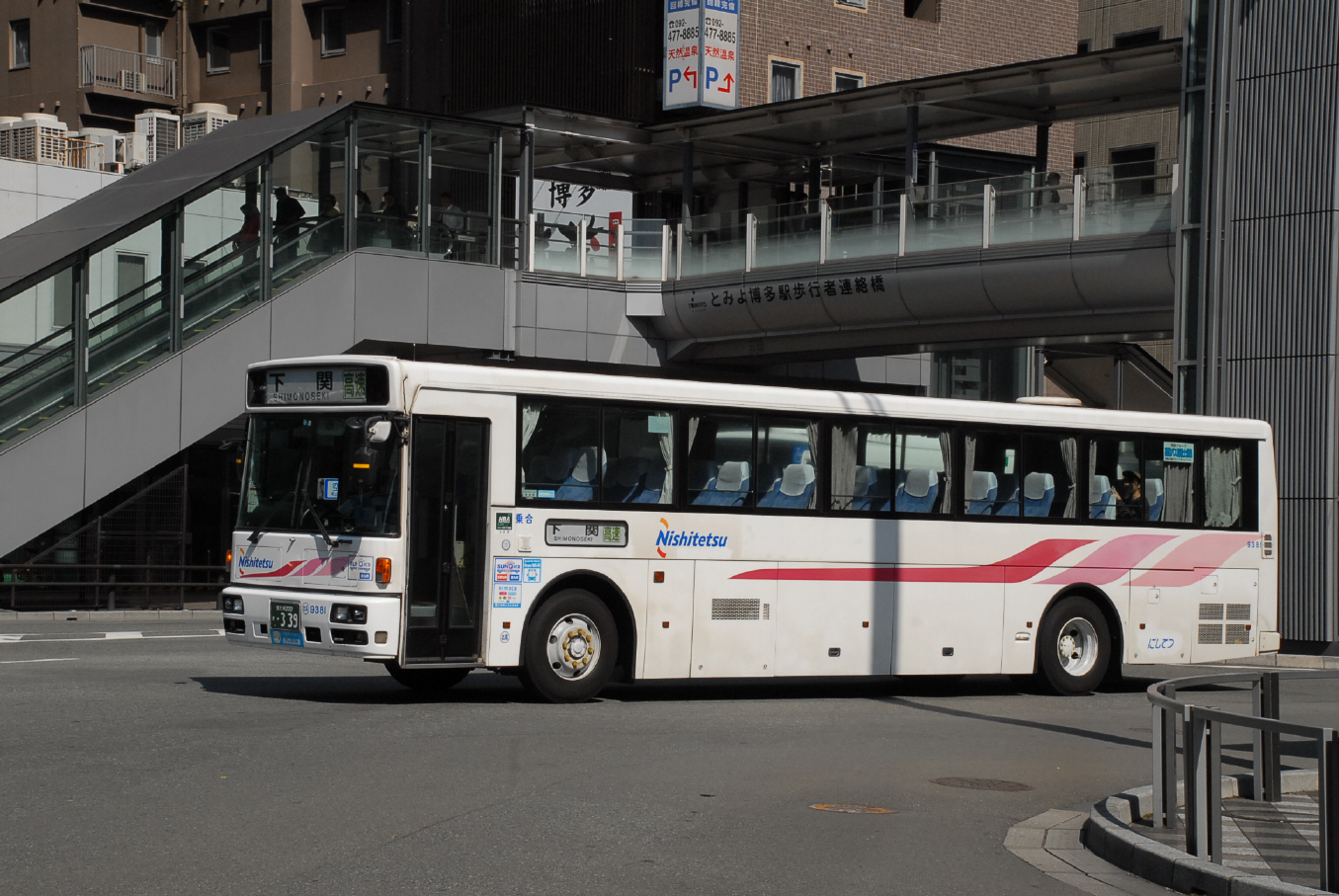
Willer Express is arguably the most recognizable private bus operator, renowned for its focus on passenger comfort and a wide array of seating options. They have successfully marketed the overnight bus experience as a viable, comfortable alternative to trains, rather than just a budget option. Their buses are distinctively branded, often with bright pink or white liveries.
Key Features of Willer Express:
- Diverse Seating Options: From standard 4-row economy seats to luxurious 3-row configurations with individual canopies and reclining functions, Willer offers a seat for every budget and comfort preference. We’ll delve deeper into these options shortly.
- Extensive Network: They cover virtually all major cities and popular tourist destinations across Japan, with frequent services between Tokyo, Kyoto, and Osaka.
- English Booking Portal: Their website is fully functional in English, making the booking process straightforward for non-Japanese speakers.
- Willer Express Japan Pass: For those planning multiple bus journeys, they offer a Japan Bus Pass, which can provide even greater savings. This pass is particularly attractive for travelers who intend to use buses extensively throughout their trip.
- Bus Terminals: Willer often operates from dedicated bus terminals or easily accessible stops, such as Shinjuku Expressway Bus Terminal (Busta Shinjuku) in Tokyo, and Kyoto Station Hachijo-guchi or Osaka Umeda Sky Building.
JR Bus Group: The National Network
The JR Bus Group is a collective of bus companies operated by the various Japan Railways (JR) companies, the same entity behind the Shinkansen. This includes JR Tokai Bus, JR Kanto Bus, JR West Bus, among others. Their buses are often blue and white, carrying the familiar JR logo.
Key Features of JR Bus Group:
- Reliability and Punctuality: Backed by the JR brand, these buses maintain the high standards of punctuality and service associated with Japan's railway network.
- Integrated Network: Their routes often complement the JR train lines, offering a seamless travel experience for those already familiar with the JR system.
- Booking through "Kousoku Bus Net": While they have individual company websites, many JR Bus routes can be booked through a centralized portal called "Kousoku Bus Net," which also has an English version. Some routes are also available on third-party booking sites.
- Station-Centric Departures: JR Buses typically depart from major train stations, such as Tokyo Station (Yaesu South Exit), Shinjuku Expressway Bus Terminal (Busta Shinjuku) in Tokyo, and directly from Kyoto Station and Osaka Station, which can be convenient for immediate transfers.
- Variety of Seats: While perhaps not as aggressively marketed for diverse comfort options as Willer, JR Buses still offer comfortable seating, including standard 4-row and often 3-row configurations on overnight routes.
Both operators provide a safe, reliable, and comfortable journey. Your choice will often come down to specific route availability, departure/arrival times, pricing, and the exact level of comfort you seek for your budget.
Decoding Seating Classes: 4-Row Economy vs. 3-Row Luxury
The comfort level on an overnight bus largely depends on its seating configuration. Japan's bus companies offer a range of options, primarily categorized by the number of seats per row. Understanding these can significantly impact your sleep quality and overall journey experience.
4-Row Economy (Standard Seating)
This is the most common and budget-friendly option. As the name suggests, there are four seats across each row, typically arranged as 2+2. These seats are similar to economy class on an airplane, often with decent recline and individual armrests.
What to Expect:
- Cost-Effective: This is generally the cheapest option, ideal for the most budget-conscious travelers. Prices for a Tokyo-Kyoto journey can range from ¥3,000 to ¥6,000 (approx. ₹1,680-₹3,360 / BDT 2,000-4,000) depending on demand and booking time.
- Limited Space: While seats are comfortable enough for shorter day trips, the overnight journey can feel a bit cramped for taller individuals or those who prefer more personal space. You will likely be quite close to your neighbor.
- Basic Amenities: Expect a reclining seat, often with a footrest. Some may offer USB charging ports, but it’s not guaranteed on all older buses. Blankets and pillows are usually provided, but their quality varies.
- Privacy: Minimal privacy. You’ll be in close proximity to other passengers.
For travelers from India and Bangladesh, who might be accustomed to varying levels of comfort on long-distance buses, the 4-row economy in Japan will still likely impress with its cleanliness and punctuality. However, if you are a light sleeper or value personal space, consider upgrading.
3-Row Luxury (Comfort/Relax/Premium Seating)
This is where Japan's overnight buses truly shine, offering a significant upgrade in comfort. These buses feature only three seats per row, arranged as 2+1 or 1+1+1, providing substantially more width and personal space. Each operator may have its own branding for these seats (e.g., Willer's "Relax" or "ReBorn" seats, JR Bus's "Dream" or "Premium" seats), but the core benefit is enhanced comfort.
What to Expect:
- Increased Cost: Expect to pay more for these seats, typically ranging from ¥6,000 to ¥10,000 (approx. ₹3,360-₹5,600 / BDT 4,000-6,600) or even up to ¥12,000 (approx. ₹6,720 / BDT 8,000) for the most premium options. However, this is still often cheaper than a Shinkansen ticket plus accommodation.
- Generous Space: The extra width means more elbow room and often wider seats. The recline angle is usually greater, allowing for a more prone sleeping position.
- Enhanced Privacy: Many 3-row configurations feature individual canopies, side panels, or even small walls that create a semi-private capsule-like environment. This is a game-changer for light sleepers.
- Superior Amenities: These seats almost always come with a footrest, leg rest, and often a headrest. USB charging ports are standard, and some premium seats even have individual entertainment screens. High-quality blankets and pillows are common.
- Better Sleep: The combination of extra space, recline, and privacy features significantly improves the chances of getting a good night's sleep.
For a first-time international traveler, especially after a full day of exploring, investing in a 3-row seat can be well worth the extra cost. It transforms the journey from mere transportation into a comfortable, albeit moving, overnight stay.
Booking Your Overnight Bus in English
Booking an overnight bus in Japan is surprisingly straightforward, thanks to the English-language booking portals provided by the major operators. There's no need to navigate complex Japanese websites or rely on translation tools.
Step-by-Step Booking Guide:
Choose Your Operator: Decide between Willer Express and JR Bus based on your preferred departure/arrival points, timings, and comfort level.
- Willer Express: Visit the official English website:
https://willerexpress.com/en/ - JR Bus Group: Visit the "Kousoku Bus Net" English website:
https://www.kousokubus.net/(Note: While this is a common portal, some specific JR routes might also be bookable directly from individual JR company bus websites like JR Kanto Bus or JR Tokai Bus, or through aggregators like Japan Bus Online).
- Willer Express: Visit the official English website:
Enter Your Journey Details:
- Select your departure and arrival locations (e.g., Tokyo to Kyoto, Osaka to Tokyo).
- Choose your desired travel date. For overnight buses, remember that the arrival date will be the day after your departure date.
- Specify the number of passengers.
Browse Available Services:
- The website will display a list of available buses for your chosen date, along with departure/arrival times, estimated journey duration, and prices.
- Crucially, this is where you’ll see the different seat classes (e.g., "Relax," "Standard," "Dream"). Pay close attention to the descriptions and images provided for each seat type.
- Look for icons or descriptions indicating amenities like USB charging, blankets, restrooms on board, etc.
Select Your Bus and Seat:
- Once you’ve found a suitable bus, select your preferred seat type. The price will update accordingly.
- Some booking systems allow you to choose a specific seat on a seat map, while others assign seats automatically. If you have a preference (e.g., window seat), check if this option is available.
Provide Passenger Information:
- Enter the names and contact details of all passengers. Ensure your name matches your passport, though ID checks are rare for domestic bus travel.
Payment:
- Most major international credit cards (Visa, MasterCard, American Express) are accepted.
- Some platforms might also accept online payment methods.
- After successful payment, you will receive a confirmation email with your booking details and ticket (often a QR code or booking number). Save this carefully!
Tips for Booking:
- Book in Advance: Especially for popular routes (Tokyo-Kyoto-Osaka) and during peak seasons (Cherry Blossom, Autumn Leaves, Golden Week), buses can sell out. Booking at least 2-4 weeks in advance is recommended, particularly for 3-row luxury seats. Early booking often secures better prices.
- Check Departure/Arrival Points: Japan’s major cities often have multiple bus terminals. For instance, in Tokyo, buses might depart from Shinjuku Expressway Bus Terminal (Busta Shinjuku), Tokyo Station, or Ikebukuro. In Kyoto, the main hub is Kyoto Station. In Osaka, it's typically Osaka Station (Umeda) or Namba. Confirm the exact departure and arrival points and ensure they are convenient for your accommodation or next leg of travel.
- Read Cancellation Policies: Familiarize yourself with the cancellation and change policies, as they can vary between operators and ticket types.
Comparing this to India's IRCTC booking system, where you select your class and berth preference, the Japanese bus booking is perhaps even more visual, often showing you the exact seat type and amenities, making it easier to visualize your journey.
Mastering the Overnight Journey: Sleep Strategy & Comfort
A successful overnight bus journey hinges on a few simple strategies to maximize comfort and ensure a good night's sleep. Remember, this isn't a luxury hotel, but with a bit of preparation, it can be a surprisingly restful experience.
Pre-Boarding Preparation:
- Eat Before You Board: While most buses make a stop or two at service areas (often with convenience stores and restrooms), it’s best to have your main meal before boarding. This avoids the hassle of eating in a confined space and ensures you’re not hungry before trying to sleep.
- Use the Restroom: Always use the restroom before boarding the bus. While many overnight buses have onboard restrooms, they are often compact and best used only for emergencies. Service area stops also provide opportunities for a proper break.
- Dress Comfortably: Wear loose, comfortable clothing. Layers are always a good idea, as bus temperatures can fluctuate. Avoid restrictive jeans or tight-fitting attire.
- Pack Smartly: Keep essential items for the night in a small bag that you can easily access. Your main luggage will be stored in the undercarriage compartment, inaccessible during the journey.
Onboard Comfort Essentials:
- Neck Pillow: A good quality neck pillow is invaluable. It provides crucial support and prevents stiffness.
- Eye Mask: Even with curtains, ambient light from other passengers' devices or service area stops can be disruptive. An eye mask ensures complete darkness.
- Earplugs/Noise-Cancelling Headphones: To block out engine noise, road sounds, or the occasional snore from a fellow passenger. This is perhaps the most crucial item for light sleepers.
- Socks/Warm Footwear: Even in summer, bus air conditioning can make your feet cold. Slip-on shoes or thick socks are ideal.
- Hydration: Carry a small bottle of water. Avoid excessive liquids to minimize restroom trips.
- Entertainment: Download movies, podcasts, or e-books onto your device beforehand. While you hope to sleep, having entertainment for winding down or if you wake up early is helpful.
- Charging Bank: Although many modern buses have USB ports, having a fully charged power bank provides peace of mind, especially if you plan to use your phone for entertainment or as an alarm.
Sleep Strategy:
- Recline Immediately (if appropriate): Once the bus departs and announcements are made, recline your seat to your preferred position. Be mindful of the passenger behind you, especially in 4-row configurations.
- Utilize Provided Amenities: Make use of any blankets, pillows, or canopies provided by the bus company.
- Minimize Light and Sound: Put on your eye mask and earplugs/headphones as soon as you settle in.
- Avoid Caffeine and Heavy Meals: In the hours leading up to your journey, avoid stimulants that could interfere with sleep.
- Set an Alarm: If you need to wake up at a specific time, set a quiet alarm on your phone, perhaps with vibrations, to avoid disturbing others.
The quiet discipline of Japanese passengers means you generally won't encounter loud conversations or disruptive behavior. Much like the serene atmosphere expected on the Delhi Metro, a quiet and respectful environment is the norm on Japanese overnight buses.
Cost vs. Convenience: Shinkansen vs. Overnight Bus
This is often the core dilemma for budget travelers in Japan. While the Shinkansen offers unparalleled speed, the overnight bus counters with significant cost savings and efficient use of time. Let's compare a typical journey between Tokyo and Kyoto/Osaka.
Sample Journey: Tokyo to Kyoto/Osaka (One Way)
| Feature | Shinkansen (Hikari/Nozomi) | Overnight Bus (Willer/JR Bus) |
|---|---|---|
| Travel Time | ~2 hours 40 minutes (Kyoto), ~3 hours (Osaka) | ~7-9 hours (Kyoto/Osaka) |
| Typical Cost (¥) | ¥13,000 - ¥14,500 (unreserved/reserved) | ¥3,000 - ¥12,000 (4-row economy to 3-row luxury) |
| Approx. Cost (₹) | ₹7,280 - ₹8,120 | ₹1,680 - ₹6,720 |
| Approx. Cost (BDT) | BDT 8,600 - BDT 9,600 | BDT 2,000 - BDT 8,000 |
| Accommodation Saved? | No (requires separate hotel night) | Yes (journey doubles as accommodation) |
| Daylight Hours Used? | Yes (full half-day or more) | No (travels overnight) |
| Comfort | Spacious seats, ample legroom, walk around, onboard food | Varies by seat class (can be very comfortable in 3-row) |
| Flexibility | Frequent departures, last-minute booking often possible | Less frequent departures, advance booking recommended |
| Arrival Condition | Fresh, ready to go | Potentially a bit tired, but rested if sleep strategy worked |
Analysis:
- For the Time-Rich, Budget-Conscious Traveler: The overnight bus is an undeniable winner. For the price of a mid-range 3-row luxury seat, you effectively get both transportation and a night's stay. This is particularly appealing for those on a 10-14 day trip who want to stretch their budget. A saving of ₹5,000-₹8,000 per person per leg of the journey is substantial.
- For the Time-Poor, Comfort-First Traveler: If you have limited time in Japan and budget is less of a concern, the Shinkansen's speed and comfort are hard to beat. You arrive fresh and ready to maximize your day.
- The Hybrid Approach: Consider using the Shinkansen for one leg (e.g., Tokyo to Kyoto to save time on arrival) and an overnight bus for another (e.g., Kyoto to Tokyo or Osaka to Tokyo) to balance cost and convenience.
Mini Case Study: Let's say a couple from Bengaluru is traveling from Tokyo to Kyoto.
- Shinkansen Option: ¥13,800 x 2 = ¥27,600 (approx. ₹15,456) + 1 night hotel in Kyoto (min. ¥8,000) = Total ¥35,600 (approx. ₹19,936).
- Overnight Bus Option (3-row Relax Seat): ¥8,000 x 2 = ¥16,000 (approx. ₹8,960). No hotel cost for that night. Savings: An immediate saving of ¥19,600 (approx. ₹10,976) by choosing the overnight bus. This saving alone could cover a return flight from Bengaluru to Chennai, or several excellent meals in Japan!
Food & Refreshments on the Go: Addressing Dietary Concerns
For travelers from India and Bangladesh, concerns about vegetarian and halal food in a new country are often high. While overnight buses themselves don't typically offer meal services beyond perhaps a bottle of water, understanding the food landscape around your bus journey is key.
Before Boarding:
- Eat a Proper Meal: As mentioned, it’s best to eat before boarding. Look for restaurants near your departure point. Major train stations in Tokyo (Shinjuku, Tokyo Station) and Osaka (Umeda, Namba) have a plethora of dining options.
- Convenience Stores (Konbini): This is your best friend in Japan for quick, affordable, and often diet-friendly options. FamilyMart, Lawson, and 7-Eleven are ubiquitous.
- Vegetarian Options: Konbini offer a surprising array of vegetarian choices. Look for
onigiri(rice balls, check fillings like umeboshi - pickled plum, or plain), inari sushi (rice in fried tofu pockets), plain bread, salads, fruit, and sometimes vegetarian sandwiches. Always check ingredients carefully. Many items will have allergen labels which can sometimes indicate non-vegetarian ingredients. Google Translate's camera function can be invaluable here. - Halal Options: Finding certified halal food in regular convenience stores is challenging. However, many snacks are naturally halal (e.g., certain plain potato chips, fruits, nuts). For a proper meal, you might need to seek out dedicated halal restaurants before your journey. Apps like "Halal Navi" or "Japan Halal TV" can help locate these.
- Vegetarian Options: Konbini offer a surprising array of vegetarian choices. Look for
- Packed Snacks: If you have specific dietary needs, packing your own snacks (nuts, dried fruit, biscuits from home) is a reliable strategy.
During the Journey:
- Service Area Stops (SA/PA): Overnight buses usually make one or two stops at large highway service areas. These are like mini-malls with extensive food courts, convenience stores, and souvenir shops.
- Food Courts: While exciting, finding explicit vegetarian or halal options can still be tricky in the food courts without Japanese language skills. Stick to simpler options like plain rice, udon or soba noodles (ask for kake udon/soba which is plain broth, but be aware the broth itself might contain dashi made from fish flakes), or vegetable tempura if available. Always err on the side of caution.
- Convenience Stores: These are present at almost all service areas and offer the same range of options as regular city konbini. This is often the safest bet for a quick, known snack or drink.
- Onboard: As mentioned, food service is minimal. Keep any food consumption quiet and tidy to respect other passengers. Avoid strong-smelling foods.
For those with strict dietary requirements, the most practical advice is to plan your meals carefully before boarding and rely on packed snacks or very carefully selected convenience store items. Japanese public transport prides itself on cleanliness, so be sure to dispose of all your waste responsibly in the designated bins at rest stops or upon arrival.
Arrival and Your Next Steps
Waking up in a new city after an overnight bus journey can be an exhilarating experience. Japanese bus systems are incredibly efficient, and you’ll usually arrive right on schedule, often at a major transportation hub.
Upon Arrival:
- Collect Your Luggage: As you disembark, proceed to the luggage compartment at the side or rear of the bus to collect your checked bags. Bus staff are usually efficient in assisting with this.
- Locate Restrooms and Refreshments: After a night on the bus, your first priorities might be a proper restroom and perhaps some breakfast. Major bus terminals are always equipped with clean facilities.
- Plan Your Morning: Most overnight buses arrive early in the morning, typically between 6:00 AM and 8:00 AM. This is usually before hotel check-in times.
- Luggage Lockers: Utilize coin lockers (known as koin rokkā) at train stations or bus terminals to store your luggage. Sizes vary, and prices typically range from ¥300-¥800 (approx. ₹168-₹448) for a few hours or a day. This allows you to start sightseeing immediately without being burdened by heavy bags.
- Hotel Luggage Storage: Many hotels will allow you to drop off your luggage before check-in, even if your room isn't ready. Confirm this with your accommodation in advance.
- Coffee and Breakfast: Seek out a local cafe or a convenience store for breakfast. Japan's cafes offer pastries, sandwiches, and excellent coffee.
Navigating the City:
- Public Transport: From major bus terminals like Busta Shinjuku, Kyoto Station, or Osaka Station, you'll have immediate access to Japan's excellent public transportation network (trains, subways, local buses). Use apps like Google Maps or Japan Transit Planner (Jorudan/Navitime) to navigate to your hotel or first sightseeing spot. Much like the seamless connectivity of the Delhi Metro, Japan’s urban transport is highly integrated and easy to use, even for first-timers.
- Stay Connected: Ensure your phone is charged and you have a reliable data connection (via a SIM card or pocket Wi-Fi) for navigation.
The efficiency of arrival means you can hit the ground running, maximizing your precious time in Japan.
Key Takeaways
- Budget-Friendly: Overnight buses are significantly cheaper than the Shinkansen, especially when factoring in the saved cost of a night's accommodation.
- Time-Efficient: Travel while you sleep, arriving refreshed and ready to explore your next destination without losing valuable daylight hours.
- Choose Your Comfort: Opt for 4-row economy for maximum savings or upgrade to 3-row luxury seats (e.g., Willer's Relax/ReBorn, JR's Dream/Premium) for enhanced space, privacy, and amenities, offering a much better sleep experience.
- Easy English Booking: Willer Express and JR Bus (via Kousoku Bus Net) offer user-friendly English websites for hassle-free reservations. Book in advance for best prices and seat availability.
- Sleep Smart: Pack essentials like a neck pillow, eye mask, and earplugs. Dress comfortably and prioritize restroom breaks before boarding.
- Food Planning: Eat before boarding and rely on convenience stores for packed snacks. Explicit vegetarian/halal options are limited on the go, so plan carefully.
- Seamless Arrival: Buses arrive at central hubs, with easy access to coin lockers and public transport, allowing you to start your day immediately.
FAQ
Q. Are overnight buses safe for solo female travelers from India/Bangladesh? A. Yes, Japan has an exceptionally low crime rate, and public transportation, including overnight buses, is considered very safe. Buses are well-maintained, punctual, and drivers are professional. Many 3-row luxury seats offer a good degree of privacy, which can add to comfort.
Q. What is the luggage allowance on overnight buses? A. Typically, passengers are allowed one large piece of luggage (e.g., a suitcase) to be stored in the undercarriage compartment, with dimensions usually around 50x60x120cm and weight up to 20-25kg. A small carry-on bag is permitted inside the bus for personal items. Always check the specific allowance with your chosen bus operator as it can vary slightly.
Q. Can I charge my phone on the bus? A. Many modern overnight buses, especially the 3-row luxury options, come equipped with individual USB charging ports or power outlets. However, it's not guaranteed on all 4-row economy buses or older models. It's always wise to bring a fully charged power bank as a backup.
Q. Are there restrooms on all overnight buses? A. Most overnight buses, particularly those on longer routes between major cities, are equipped with a compact onboard restroom. However, it's generally recommended to use the larger, cleaner facilities at designated service area stops during the journey whenever possible.
Q. How early should I arrive at the bus terminal before departure? A. It is generally advised to arrive at least 15-20 minutes before your scheduled departure time. This allows ample time to locate your bus, check your luggage into the undercarriage compartment, and settle into your seat without rushing. Japanese buses are known for their punctuality, and they will depart on time.