Oze Wetland – Japan's Untouched Bog Where Spring Erupts in Skunk Cabbage
Your complete guide to Oze Wetland, Gunma / Fukushima: the best time to visit, how to get there, top photo spots, and everything you need to plan a perfect trip.
Mar 19, 2026·✍️ olablog·⏱ 5 min read
Your complete guide to Oze Wetland, Gunma / Fukushima: the best time to visit, how to get there, top photo spots, and everything you need to plan a perfect trip.
Japan rewards the traveler who ventures beyond the obvious — and Oze Wetland, straddling the border of Gunma and Fukushima prefectures, is exactly the kind of reward worth seeking. This isn't just a scenic detour. It's the sort of landscape that stops you mid-stride, makes you put the camera down for a second, and forces you to simply breathe it in.
1. What Makes Oze Wetland So Special
Oze is Japan's largest high-altitude wetland, and it earns that superlative visibly. The moment you step onto the elevated boardwalk trails, the scale of the place hits you: a vast, open marsh ringed by volcanic peaks, stretching out like a living watercolor that changes hour by hour. Dawn bathes the bog in amber; dusk turns it rose-gold. No two visits look the same.
The journey itself is part of the experience. The mountain roads winding through Gunma and Fukushima deliver sweeping ridgeline views, forested valley drops, and the occasional river gorge that'll have you pulling over more than once. Regulars say the drive is half the reason to come — and they're not wrong.
2. Top Photo Spots You Shouldn't Miss
Oze and the surrounding Gunma / Fukushima region punch well above their weight for photography. Here are the spots worth prioritizing:
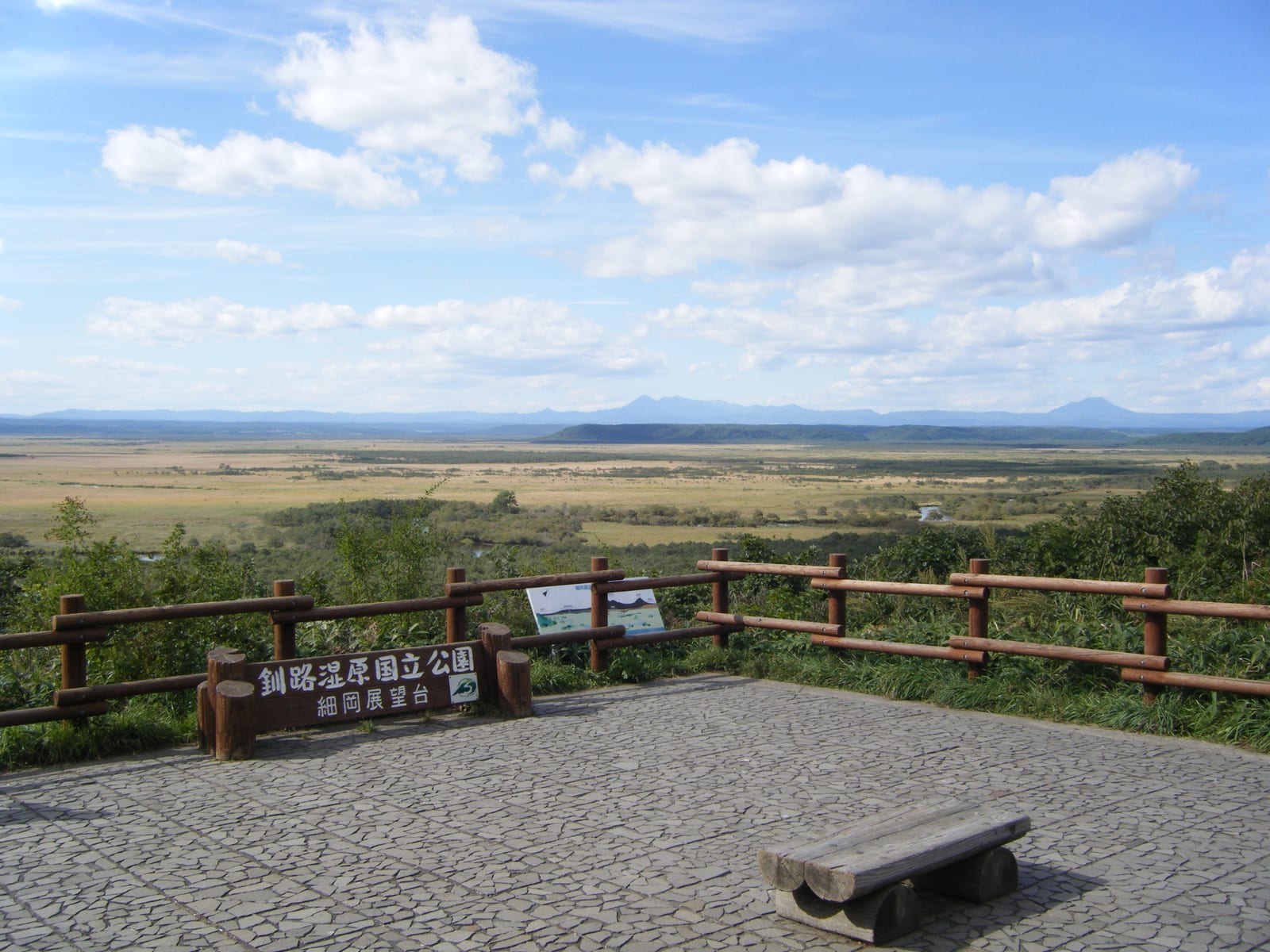
Main observation deck: A wide-open 180-degree panorama over the wetland. Sunrise and sunset here are routinely ranked among the best in the entire Kanto / Tohoku region.
The ancient tree corridor: Centuries-old cedars form a cathedral-like canopy over the trail — especially magical in late spring when fresh green growth contrasts with dark trunks.
The mirror pond: A still lake near the boardwalk reflects the surrounding peaks so cleanly it looks Photoshopped. Perfect symmetry shots, no filters required.
The ridge viewpoint: Climb to the highest accessible point for a full panorama that sweeps across both Gunma and Fukushima — worth every step of the ascent.
3. Best Time to Visit
Every season has its case, but the sweet spot is May through June. Here's why:
- Weather is stable and mild — ideal for long days on the trails
- The skunk cabbage (mizubasho) blooms in spectacular golden-white drifts across the wetland floor — Oze's most iconic sight
- Golden-hour light between 6–9 a.m. and 4–6 p.m. is superb for photography
- Crowds are manageable — busy enough to feel alive, not so packed that the boardwalk becomes a bottleneck
Winter brings otherworldly snow scenes, but mountain access roads can ice over quickly — check conditions carefully before you go. Autumn foliage (late October) is a strong second-place finish to spring.
4. The Best Way to Explore — Self-Drive
The most liberating way to do Oze is by renting a car. Public transport gets you to the trailheads, but it locks you into schedules and misses the dozens of worthwhile pull-outs, viewpoints, and backroads that reward drivers. Self-driving lets you chase the light, linger when the mood strikes, and poke down forest lanes that never appear on a bus map.
Roads around Oze are well-maintained and clearly signed, with properly surfaced mountain routes and well-spaced rest stops (michi-no-eki) stocked with local food, clean bathrooms, and tourist information. Road-tripping this region is genuinely pleasurable — not stressful.
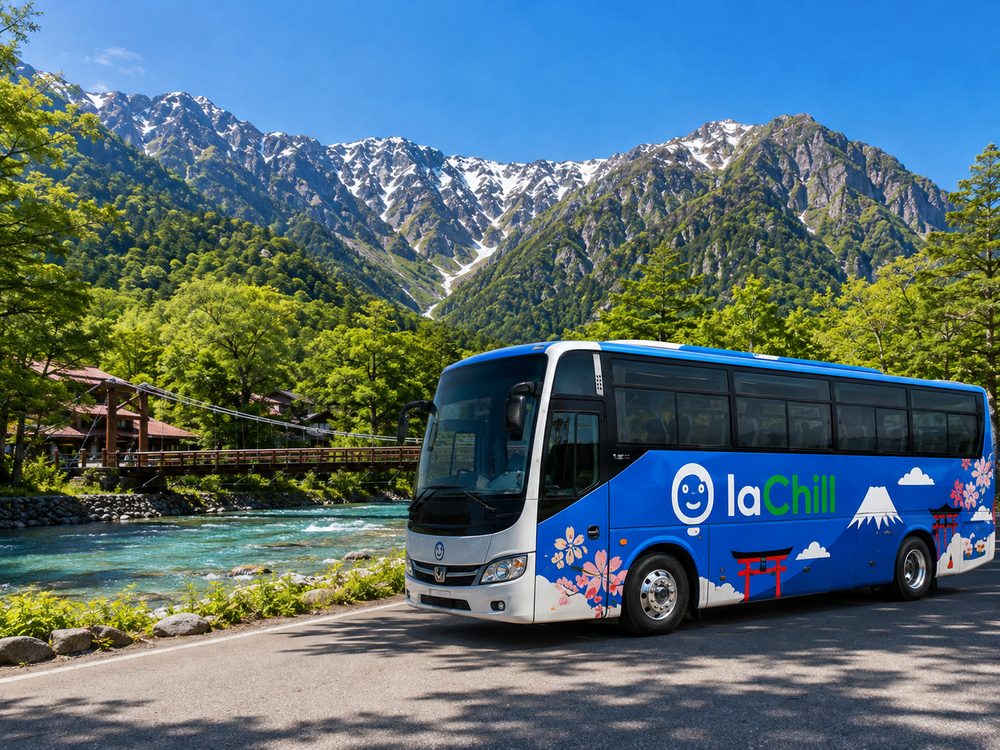
✨ Pro tip: Book a private car through OlaChill and cover Oze at your own pace — self-drive or with a driver, your call.
5. Sample 1–2 Day Itinerary
Day 1
- 6:00 a.m. — Head straight to the main observation deck for sunrise over the wetland
- 8:00 a.m. — Breakfast at a local restaurant; try the region's tonjiru (hearty miso pork soup) or soba — Gunma and Fukushima both have strong noodle traditions
- 9:30 a.m. — Drive the main scenic loop, stopping at viewpoints along the way
- 12:00 p.m. — Lunch at a roadside michi-no-eki rest stop — grab a bento and eat with a view
- 2:00 p.m. — Explore secondary spots: a nearby waterfall, a historic village, or a lakeside trail
- 5:00 p.m. — Check into your ryokan or guesthouse
- 6:30 p.m. — Soak in the onsen if your accommodation has one (most do), then settle in for a kaiseki dinner
Day 2
- 7:00 a.m. — Early breakfast and an early start to beat any tour groups
- 8:30 a.m. — Take a lesser-known side road or a quieter trailhead the crowds skip
- 11:00 a.m. — Hit the mirror pond for reflection shots in the morning light
- 1:00 p.m. — Leisurely lunch and a proper rest
- 3:00 p.m. — Head to your next destination or begin the drive back
6. Practical Tips
- 📷 Golden hour is everything: The 30 minutes before and after sunrise / sunset are when Oze looks its best. Set your alarm.
- 🚗 Book your car early: During peak season (May–June), rental cars in the region sell out fast — reserve at least one to two weeks ahead.
- ⛽ Fill up before you leave town: Gas stations are sparse once you're in the mountains. A full tank before you head into the hills is non-negotiable.
- 📱 Download offline maps: Save the Gunma / Fukushima area in Google Maps before you go — cell service gets patchy on the higher mountain roads.
- 🛒 Stock up at a convenience store: A 7-Eleven or FamilyMart onigiri and coffee situation is the ideal trailhead breakfast. Japan's convenience stores genuinely deliver.
- ☁️ Check the forecast: Mountain weather moves fast. A clear morning can cloud over by noon — especially relevant in winter and the rainy season (mid-June).