Tokyo Unagi: Savoring Traditional Kabayaki at Historic Restaurants
Savor traditional Kanto-style unagi kabayaki in Tokyo. Discover the secrets behind its tender, melt-in-your-mouth texture, the dedication of renowned restaurants, and how it differs from hitsumabushi. Enjoy the flavors of long-established establishments and experience Tokyo's food culture on a deeper level.
Jul 24, 2026·✍️ olablog·⏱ 9 min read
Savor traditional Kanto-style unagi kabayaki in Tokyo. Discover the secrets behind its tender, melt-in-your-mouth texture, the dedication of renowned restaurants, and how it differs from hitsumabushi. Enjoy the flavors of long-established establishments and experience Tokyo's food culture on a deeper level.
Tap a region to browse articles
An essential part of Tokyo's food culture is unagi kabayaki, a dish that has been beloved for centuries. Many long-established restaurants with roots stretching back to the Edo period can be found throughout the city, each preserving its own traditions and techniques. In this article, we'll introduce the appeal and history of Kanto-style unagi available in Tokyo, along with what makes these renowned restaurants special.
The Appeal of Kanto-Style Unagi: A Traditional, Tender, Melt-in-Your-Mouth Flavor
Japanese unagi cuisine can be broadly divided into two cooking styles: Kanto-style and Kansai-style. In Tokyo, the dominant style is Kanto-style kabayaki, whose defining feature is the steaming step.
For Kanto-style unagi, the fish is first opened from the back. It is said that this practice became established during the Edo period because opening the belly was associated with seppuku in samurai society, so opening the back was considered more auspicious. The head is usually removed.
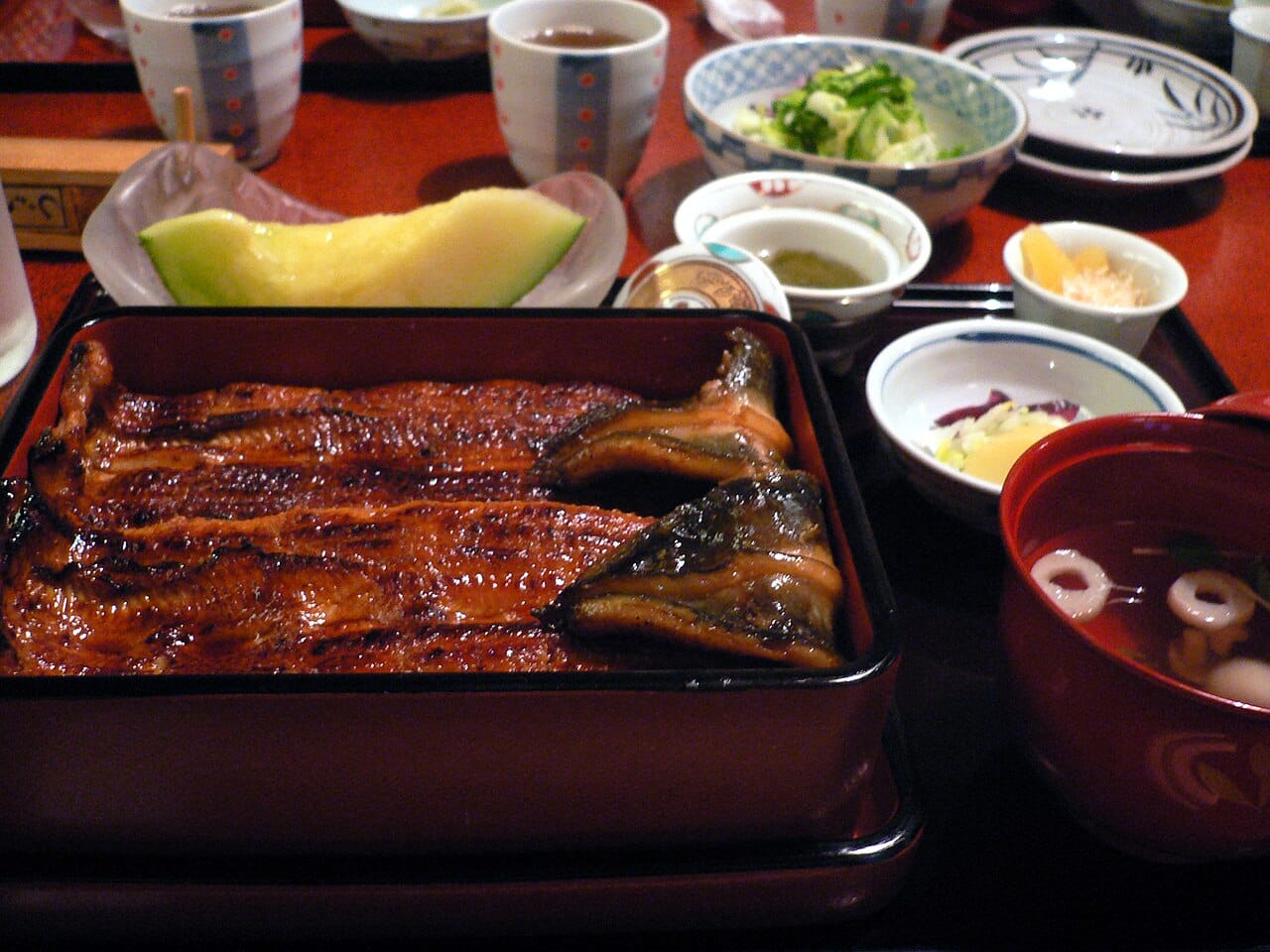
Next, the unagi, which has been lightly grilled without seasoning, is steamed once. This steaming process removes excess fat and gives the flesh its characteristic plump, tender texture. Steaming also shortened the cooking time, which was considered well suited to the impatient nature of Edo's residents. After steaming, the unagi is slowly grilled over charcoal while being repeatedly brushed with a secret sauce. This two-stage cooking method creates a wonderfully tender texture that is fragrant and crisp on the outside yet almost melt-in-your-mouth inside.
The Difference Between Kabayaki and Hitsumabushi: Different Ways to Enjoy Unagi
In addition to kabayaki, unagi can also be enjoyed as “hitsumabushi.” Both dishes use unagi kabayaki, but they differ significantly in how they are served and eaten.
Kabayaki Kabayaki is generally served as unaju or unadon, with a whole fillet of unagi—or one cut into large pieces—placed over rice. As mentioned above, Kanto-style kabayaki is steamed before grilling, resulting in tender flesh that allows you to fully appreciate the harmony between the sauce and the rice.
Hitsumabushi Hitsumabushi is a regional dish that originated in Nagoya. Finely chopped unagi kabayaki is mixed with rice and served in an ohitsu wooden rice tub. The great appeal of hitsumabushi lies in its “three-step way of eating.”
- First serving: Enjoy it as it is First, savor the natural flavors of the unagi and rice on their own.
- Second serving: Add condiments Next, add condiments such as wasabi, shredded nori, and green onions to enjoy how the flavor changes.
- Third serving: Turn it into ochazuke Finally, pour dashi broth or green tea over it and enjoy it ochazuke-style.
Hitsumabushi is appealing because it lets you experience several different ways of enjoying unagi in a single meal. The unagi is also often prepared Kansai-style, grilled directly over the flame so that the skin becomes crisp. After enjoying traditional kabayaki at one of Tokyo's long-established restaurants, consider comparing it with the version served at a specialty hitsumabushi restaurant.
Exploring Tokyo's Historic Unagi Restaurants: A Selection of Renowned Establishments
Tokyo is home to many famous unagi restaurants with histories dating back to the Edo period. Here are several particularly recommended long-established establishments.
Nodaiwa
With a history spanning more than 200 years, Nodaiwa is one of Tokyo's most celebrated traditional unagi restaurants. It has earned such high acclaim that it has received stars in the Michelin Guide, while also offering innovative dishes such as unagi shiroyaki served with caviar alongside its traditional flavors. Made with carefully selected domestic unagi and grilled meticulously over binchotan charcoal, its unagi is truly exceptional.
Azabu-Iikura Honten
- Address: 1-5-4 Higashiazabu, Minato-ku, Tokyo
- Opening hours (as of July 2026):
- Lunch: 11:00~14:30 (Weekdays L.O. 13:30, Saturdays and holidays L.O. 14:00)
- Dinner: 17:00~21:00 (L.O. 20:00)
- Closed: Every Sunday, the Day of the Ox during Doyo, and other irregular holidays
- Estimated prices (as of July 2026): The Michelin Guide lists it as “¥¥,” and it is an upscale restaurant. Unaju is available from 4,840 yen at the Nihombashi Takashimaya location. A broader price range is expected at the main restaurant, including course meals.
- Access: Approximately 5 minutes on foot from Akabanebashi Station on the Toei Oedo Line
Nihombashi Takashimaya Location
- Address: Nihombashi Takashimaya 8F, 2-4-1 Nihombashi, Chuo-ku, Tokyo
- Opening hours (as of July 2026): 11:00~20:00 (L.O. 19:00)
- Estimated prices (as of July 2026): Unaju from 4,840 yen
- Access: Approximately 1 minute on foot from Nihombashi Station
Chikuyotei
With a history of more than 100 years, Chikuyotei is a long-established unagi restaurant with its main location in Ginza. It is known for its clean, refined sauce and tender, plump unagi, and has been beloved by food connoisseurs for many years. In addition to unagi dishes, its signature tai chazuke is also highly regarded.
- Main Restaurant
- Address: 8-14-7 Ginza, Chuo-ku, Tokyo
- Opening hours (as of July 2026):
- Monday–Saturday lunch: 11:30~15:00 (L.O. 14:30)
- Monday–Saturday dinner: 16:30~21:30 (L.O. 20:00)
- Closed: Sundays and holidays
- Estimated prices (as of July 2026): Please contact the restaurant for details.
- Access: Approximately 5 minutes on foot from Higashi-Ginza Station, or approximately 7 minutes on foot from JR Shimbashi Station
Obana
Located in Minami-Senju, Obana is a renowned restaurant that has previously earned one Michelin star. Here, you can enjoy Edomae-style unagi with a wonderfully light, fluffy texture and an elegant, deeply flavored sauce. In addition to unaju, the restaurant offers a generous selection of à la carte dishes, including uzaku and yakitori.
- Address: 5-33-1 Minami-Senju, Arakawa-ku, Tokyo
- Opening hours (as of July 2026):
- Wednesday–Sunday and holidays lunch: 11:30~13:30
- Wednesday–Sunday and holidays dinner: 16:00~19:30
- Closed: Mondays and Tuesdays
- Estimated prices (as of July 2026): Dinner 10,000 yen~14,999 yen, lunch ~10,000 yen (according to Retty)
- Access: Approximately 3 minutes on foot from Minami-Senju Station on the Tokyo Metro Hibiya Line
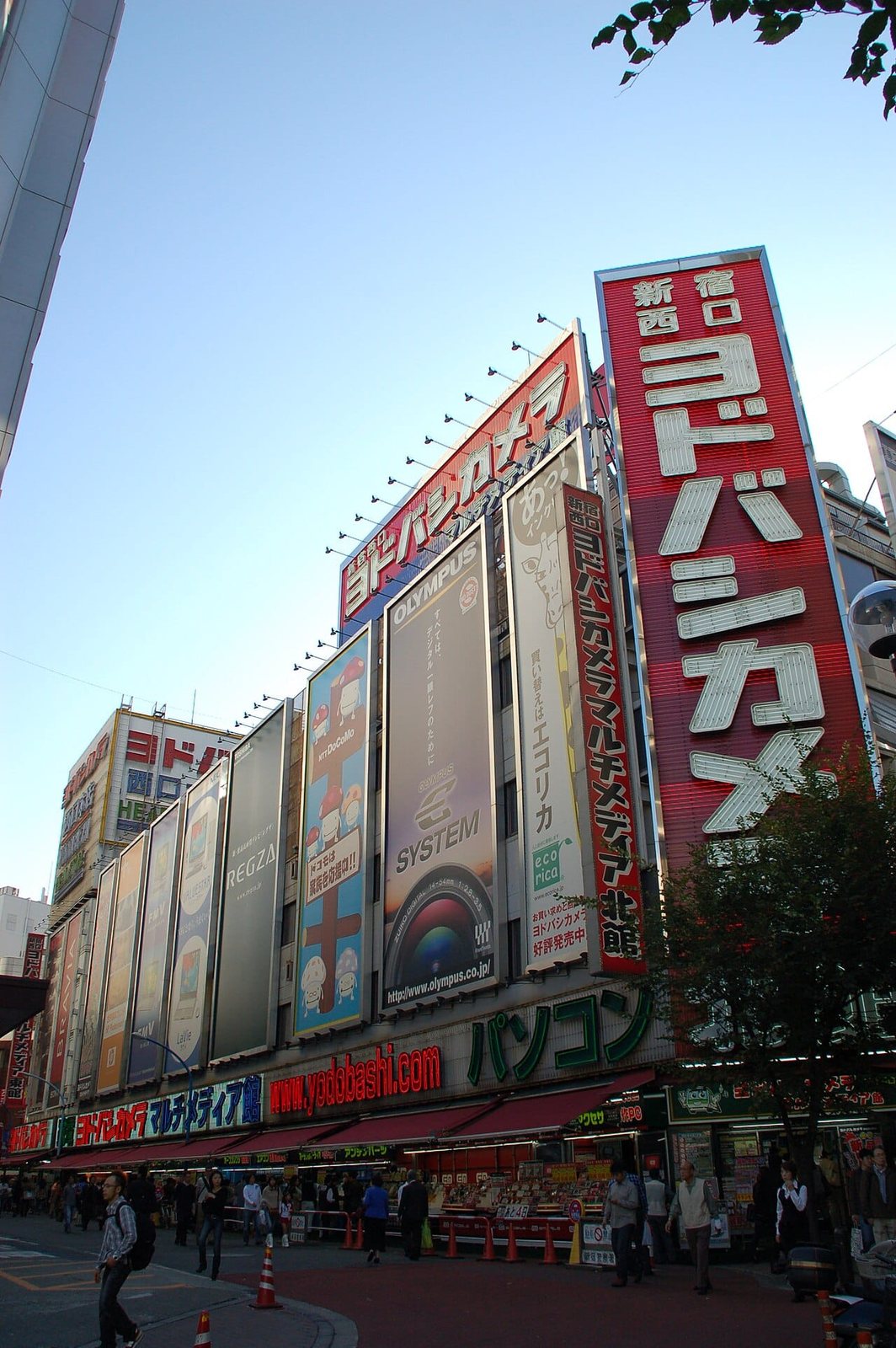
Myojinshita Kandagawa Honten
Founded in 1805, in the 2nd year of the Bunka era during the late Edo period, Myojinshita Kandagawa Honten is a long-established unagi restaurant with a history of more than 200 years. Its atmospheric setting feels a world away from the bustle of Akihabara, and guests can enjoy unagi with an elegant flavor. Fatty unagi from Kyushu and Mikawa is grilled until soft and fluffy, then finished with the savory sauce that has been passed down through generations. Since every room is private, it is especially recommended for those who want to enjoy a relaxed meal in a tranquil atmosphere.
- Address: 2-5-11 Sotokanda, Chiyoda-ku, Tokyo
- Opening hours (as of July 2026): The reservation period is listed as 2026年7月1日~8月31日. There are lunch and dinner services; please contact the restaurant for details.
- Estimated prices (as of July 2026): Information indicates that lunch sets priced at 5,720 yen and 6,600 yen, as well as a 13,200-yen dinner course, have been offered.
- Access: Approximately 6 minutes on foot from Suehirocho Station on the Tokyo Metro Ginza Line
Tokyo's long-established unagi restaurants are places where you can experience exquisite flavors shaped by their history and the skills of their artisans. Be sure to savor these traditional dishes at one of these renowned establishments. To discover even more of Tokyo's appeal, we also recommend browsing day tours departing from Tokyo.
Things to Keep in Mind When Enjoying a Long-Established Restaurant
At traditional unagi restaurants, the fish is often prepared and grilled only after an order is placed, so your meal may take some time to arrive. Especially during busy periods, waits of more than 1 hour are not uncommon. When visiting, allow plenty of time or check in advance whether reservations are available. Many restaurants accept reservations by phone.
Unagi is also a prized ingredient, and its price is by no means inexpensive. However, the flavor created by the chef's refined skills and the secret sauce passed down over many years is sure to make the experience feel worthwhile. Consider enjoying traditional unagi as a special-occasion meal or as a well-deserved treat for yourself.
Before or after your meal, you might also explore some of Tokyo's sightseeing attractions. We recommend booking sightseeing tickets and passes to enjoy Tokyo efficiently.
Frequently Asked Questions
Q. Why is Kanto-style unagi opened from the back?
A. During the Edo period, in the Kanto region's samurai society, opening the fish from the belly was considered unlucky because it evoked the image of seppuku. As a result, opening it from the back became the established practice. In Kansai, where merchant culture was stronger, opening from the belly became the norm because of the idea of “opening one's belly to speak frankly.”
Q. Which is better: unagi kabayaki or hitsumabushi?
A. Both are appealing unagi dishes, but they offer different ways to enjoy the fish. Kanto-style kabayaki is recommended for those who want to enjoy its tender, melt-in-your-mouth texture and the flavor of the sauce in a simple presentation, thanks to the steaming step. Hitsumabushi is ideal for those who want to enjoy finely chopped unagi while changing the flavor in three stages with condiments and dashi. Choose according to your preference, or try both and compare them.
Q. Do I need a reservation at unagi restaurants in Tokyo?
A. At famous long-established and popular restaurants, reservations are often required or strongly recommended. They can be especially crowded on weekends, holidays, and the Day of the Ox during Doyo. Check availability by phone or online in advance, and if possible, make a reservation before visiting. Some restaurants do not accept reservations, in which case it is wise to arrive early, around opening time.
Q. When is unagi in season?
A. Unagi is generally said to be in season from “autumn to winter,” when it is rich in fat and its flesh becomes firm. However, because the custom of eating unagi on the summer Day of the Ox during Doyo is widely known, large quantities are also consumed in summer. Today, improvements in aquaculture technology mean that delicious unagi can be enjoyed year-round.
Q. Are there any recommended side dishes besides unagi?
A. Unagi restaurants offer a variety of à la carte dishes in addition to unaju and unadon. For example, “kimosui” is a clear soup containing unagi liver that enhances the fish's flavor. “Uzaku” combines kabayaki with a vinegared salad of cucumber and wakame seaweed for a refreshing taste. “Umaki” is unagi kabayaki rolled in egg and is popular for its fluffy texture. Be sure to try these side dishes along with your unagi.