
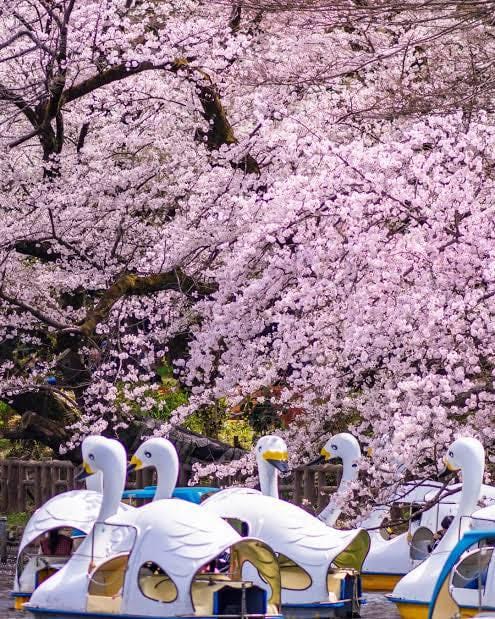
Tsukiji Outer Market: The Complete Guide to Breakfast and Street Food
Enjoy fresh seafood bowls and exquisite tamagoyaki at Tokyo’s kitchen, Tsukiji Outer Market. This comprehensive guide to eating your way through the market covers opening hours, regular holidays, strategies for beating the lines, and etiquette, based on the latest information as of July 2026.
Jul 24, 2026·✍️ olablog·⏱ 11 min read
Enjoy fresh seafood bowls and exquisite tamagoyaki at Tokyo’s kitchen, Tsukiji Outer Market. This comprehensive guide to eating your way through the market covers opening hours, regular holidays, strategies for beating the lines, and etiquette, based on the latest information as of July 2026.
Tap a region to browse articles
Tsukiji Outer Market continues to draw visitors from Japan and around the world as one of the centers of Tokyo’s food culture. Bursting with energy, this lively destination is truly a treasure trove of culinary delights, from fresh seafood to traditional flavors. In this complete guide, focused on breakfast and enjoying food at Tsukiji Outer Market, we’ll introduce the latest information as of July 2026 to help you make the most of your visit.
What Is Tsukiji Outer Market? The Appeal and History of “Japan’s Kitchen”
Tsukiji Outer Market is the area that has continued operating with its energy and expertise intact, even after the functions of Tsukiji Market—which was once renowned worldwide as “Japan’s kitchen”—were moved to Toyosu in 2018. Around 400 shops line its streets, ranging from specialty stores selling seafood, produce, meat, and dried goods to restaurants serving sushi, seafood bowls, and coffee.
Tsukiji’s history dates back to the land of Tsukiji, which was reclaimed during the Edo period. Its development as a “food town” began when the fish market moved from Nihombashi following the Great Kanto Earthquake of 1923, and Tsukiji Market opened in 1935. In 2000, Tsukijishijo Station on the Toei Oedo Line opened, making the area more accessible to ordinary visitors and further establishing it as a tourist destination. Today, it remains one of Tokyo’s signature gourmet spots, welcoming everyone from professional chefs and food lovers to tourists in search of great food.
Tsukiji Outer Market Opening Hours and Regular Holidays (as of July 2026)
Tsukiji Outer Market has no single regular closing day for the market as a whole. Each shop sets its own business days and opening hours. However, many establishments tend to close on days when the Tokyo Metropolitan Central Wholesale Market is closed.
Typical Opening Hours and Regular Holidays
| Item | Details (as of July 2026) | Notes |
|---|---|---|
| Opening hours | Mainly around 8:00–14:00 | Some shops open as early as around 4:00–5:00 in the morning, but until 9:00, this is generally a time when business purchasing takes priority. |
| Regular holidays | Wednesdays, Sundays, public holidays, and market closure days | These vary by shop. If you have a particular shop in mind, it is recommended that you check its operating schedule in advance. |
| Recommended time to visit | Around 9:00–11:00 on weekdays | You can generally avoid the heaviest crowds and enjoy the market atmosphere at a more relaxed pace. Saturdays are especially busy. |
【Please note】 The information above is general information as of July 2026, and individual shops’ opening hours and regular holidays may change. During particularly busy periods, such as the year-end and New Year holidays, shops may operate on special schedules, so we recommend checking the official website or contacting the shop directly before visiting.
An Exceptional Tsukiji Breakfast: Seafood Bowls and Hormone Bowls
One of the great pleasures of visiting Tsukiji Outer Market is enjoying breakfast made with fresh ingredients. Seafood bowls eaten at the lively market early in the morning, along with local specialty rice bowls beloved by residents, are especially delicious.
Indulge in Luxurious Seafood: “Kaisendon”
Tsukiji Outer Market is home to many restaurants serving seafood bowls piled high with fresh fish and shellfish. Bowls generously topped with the day’s freshly sourced seasonal ingredients—such as tuna, uni, and ikura—offer a flavor that is uniquely Tsukiji.
- Uogashi Senryo (魚河岸千両): The signature “Original! Seafood Hitsumabushi” is an exceptional dish that lets you enjoy a variety of seafood at once. Try it plain first, then with condiments, and finally with dashi poured over it for three different ways to enjoy it.
- Uni Tora (うに虎): Uni lovers will adore the popular “Five-Type Uni Comparison Bowl,” which lets you compare several varieties of uni.
- Kaisen Donya Tsukiji Kanno (海鮮問屋つきじかんの): The menu is packed with ways to enjoy fresh tuna, including a three-kind tuna bowl and a bluefin tuna bowl.
The Market’s Soul Food: “Hormone Don”
Tsukiji offers more than seafood; it is also home to soul food that has been loved for many years. Kitsuneya’s hormone bowl is perhaps the best-known example.
- Kitsuneya (きつねや): Founded in 1947, this long-established restaurant serves hormone simmered slowly in a secret Hatcho miso sauce that has been continuously replenished for more than 70 years. It pairs perfectly with rice. The restaurant is so popular that lines form from early morning, making it one of Tsukiji’s iconic sights.
A Tsukiji breakfast is sure to give your day the best possible start with an unforgettable meal.
Tsukiji Street Food Essentials: Popular Gourmet Foods and Recommended Shops
At Tsukiji Outer Market, you’ll find plenty of casual foods to enjoy in addition to sit-down meals. There is a wide variety of flavors to discover, from seafood skewers and traditional specialties to unique sweets. However, eating while walking is not recommended at Tsukiji Outer Market. Proper etiquette is to stop and eat in the eat-in area of the shop where you made your purchase or in a designated rest area.
Tsukiji’s Specialty: “Tamagoyaki”
No Tsukiji food crawl is complete without fluffy, dashi-infused tamagoyaki. Numerous specialty shops line the market streets, each offering its own carefully crafted flavor.
- Marutake (丸武): This long-established shop was founded in the late Taisho period and is also famous as the family home of television personality Terry Ito. Its freshly grilled tamagoyaki served on a skewer, known as kushitama, is a popular and convenient treat.
- Tsukiji Yamacho (築地 山長): This shop also serves tamagoyaki on skewers, with a gentle flavor and simple seasoning.
- Tsukiji Shouro (つきぢ松露): Here you can enjoy moist, delicate tamagoyaki that is also highly popular as a gift.
Exceptional Meat Dishes
Tsukiji is also popular for street food made with high-quality meat.
- Ginza Yoshizawa Tsukiji Meat Shop (銀座吉澤 精肉築地店): This prestigious butcher shop, founded in the Taisho period, serves freshly fried Matsusaka beef menchi-katsu at the storefront. Juicy and satisfyingly substantial, it is ideal for eating on the go.
- Suga Shoten (菅商店): Its plump black pork shumai are a popular bite-sized treat that is easy to enjoy.
Unique Sweets
Unique sweets found only in Tsukiji are another highlight of exploring the market.
- Tsukiji Sanokiya (築地さのきや): Its tuna-shaped maguro-yaki is an adorable sweet filled generously with anko. As a specialty found only in Tsukiji, it also makes a great souvenir.
Why not sample a little of everything while taking in Tsukiji’s lively atmosphere? If you want to experience more of Tokyo’s attractions, see day tours departing from Tokyo to explore sightseeing spots beyond Tsukiji efficiently.
How to Handle the Lines and Etiquette You Should Know
Tsukiji Outer Market is always bustling, and popular shops in particular often have lines. For a more enjoyable visit, keep the following strategies and etiquette in mind.
Strategies for Popular Shops with Lines
- Aim for an early time: Around 8:00–9:00, when many shops open, the crowds are still relatively light. Popular menu items may sell out by late morning, so if you have a particular shop in mind, it is best to visit early.
- Consider visiting on a weekday: Saturdays are especially crowded, so whenever possible, aim for a weekday—Monday, Tuesday, Thursday, or Friday.
- Check whether numbered tickets are available: Some popular shops distribute numbered tickets during busy periods. Check the information in advance or ask a staff member when you arrive.
Etiquette at Tsukiji Outer Market
Tsukiji Outer Market also functions as a wholesale district used by professional buyers. Visitors should follow the etiquette below so everyone can enjoy the market comfortably.
- Professional purchasing takes priority until 9:00: Early in the morning, until 9:00, professional buyers have priority. Please be considerate and avoid getting in their way.
- Eat and drink in designated areas: Eating while walking can obstruct traffic, so stop and eat or drink in the eat-in area of the shop where you made your purchase or in a designated rest area.
- Do not touch the merchandise: The products displayed in front of the shops are valuable items for sale. Touching or pressing them unnecessarily can reduce their value, so please refrain from doing so. If necessary, ask a staff member for assistance.
- Do not haggle: Tsukiji’s carefully selected products are sold at wholesale prices, and bargaining is not customary.
- Ask before taking photos: Always check with a staff member before photographing a shop or its products. Refrain from taking photos wherever photography is prohibited.
- Store large luggage: Large suitcases can obstruct traffic, so it is best to leave them in a coin locker. Strollers may be accepted for storage at the general information center, “Platt Tsukiji,” depending on availability.
- Travel in small groups: The alleys in the outer market are narrow, and many shops have limited space. Avoid moving around in large groups, keep an eye on children, and hold their hands while walking.
- Smoke only in designated areas: Do not smoke while walking or litter cigarette butts. Please smoke only in designated areas.
- Carry cash: Although cashless payments are increasingly common in Tokyo, many of Tsukiji’s small takeaway shops accept cash only. We recommend bringing Japanese yen in case you need it.
By following these guidelines, both the people who work at the market and visiting tourists can enjoy Tsukiji comfortably.
Access to Tsukiji Outer Market
Tsukiji Outer Market is extremely easy to reach from central Tokyo. Taking the train is the most common and convenient option.
| Transportation | Nearest station | Exit | Walking time |
|---|---|---|---|
| Toei Oedo Line | Tsukijishijo Station | Exit A1 | 1 minute on foot |
| Tokyo Metro Hibiya Line | Tsukiji Station | Exits 1 and 2 | 1 minute on foot |
| Tokyo Metro Hibiya Line, Toei Asakusa Line | Higashi-Ginza Station | Exits 5 and 6 | 5 minutes on foot |
Getting There from Tokyo Station Tsukiji Outer Market is about 20 minutes from Tokyo Station by train. The most common route is to transfer between the Tokyo Metro Marunouchi Line and Hibiya Line. The trains can be somewhat crowded during the morning rush, but services run frequently, making the journey relatively smooth.
If you want to make your Tokyo sightseeing experience even more rewarding in addition to visiting Tsukiji Outer Market, reserve sightseeing tickets and passes and enjoy visiting popular attractions at great value.
Frequently Asked Questions
Q. Has Tsukiji Outer Market moved to Toyosu? A. No. The facility that moved to Toyosu Market was primarily Tsukiji Market’s inner market, a wholesale market intended mainly for professional businesses. Tsukiji Outer Market, where the general public can enjoy dining and shopping, continues to operate in Tsukiji as before.
Q. When is Tsukiji Outer Market busiest? A. Tsukiji Outer Market is especially lively from the morning through the early afternoon. The main period when it is crowded with tourists is around 9:00–14:00, with Saturdays being particularly busy. If you would like to avoid the crowds, we recommend visiting between 9:00 and 11:00 on a weekday.
Q. Can I use cashless payment at Tsukiji Outer Market? A. More major shops and restaurants now accept cashless payments, but many small takeaway shops and independent stores accept cash only. We therefore recommend bringing Japanese yen when you visit.
Q. Can I eat while walking at Tsukiji Outer Market? A. Eating while walking is generally not recommended at Tsukiji Outer Market. Proper etiquette is to stop and eat in the eat-in area of the shop where you made your purchase or in a designated rest area. The passageways are narrow and heavily trafficked, so please be considerate of those around you.
Q. What menu items are recommended for breakfast at Tsukiji Outer Market? A. We especially recommend seafood bowls made generously with fresh seafood, the long-established specialty of hormone bowls, and tamagoyaki, which is perfect for enjoying as street food. Many shops open early, so be sure to experience a breakfast that is uniquely Tsukiji.
More from this region — Tokyo & Kanto
View all →
Daikanyama Tsutaya Books and Japan's Bookstore Culture
6 min · tips
Sanuki and Musashino Udon in Tokyo: Where to Find the Best Chewy Noodles
9 min · food

1-Day Model Itinerary for Ueno Park’s Museums and Art Galleries
9 min · destinations
Tokyo Unagi: Savoring Traditional Kabayaki at Historic Restaurants
9 min · food