
Tokyo’s Best Tonkatsu: Putting an End to the Loin-or-Tenderloin Debate
A guide to Tokyo tonkatsu, from the differences between loin and tenderloin to chefs’ techniques such as low-temperature frying and double frying. Discover the unique character of renowned restaurants like Narikura, Aoki, and Butagumi, along with Japan’s free-refill rice culture, and find the perfect cut for you.
Jul 24, 2026·✍️ olablog·⏱ 8 min read
A guide to Tokyo tonkatsu, from the differences between loin and tenderloin to chefs’ techniques such as low-temperature frying and double frying. Discover the unique character of renowned restaurants like Narikura, Aoki, and Butagumi, along with Japan’s free-refill rice culture, and find the perfect cut for you.
Tap a region to browse articles
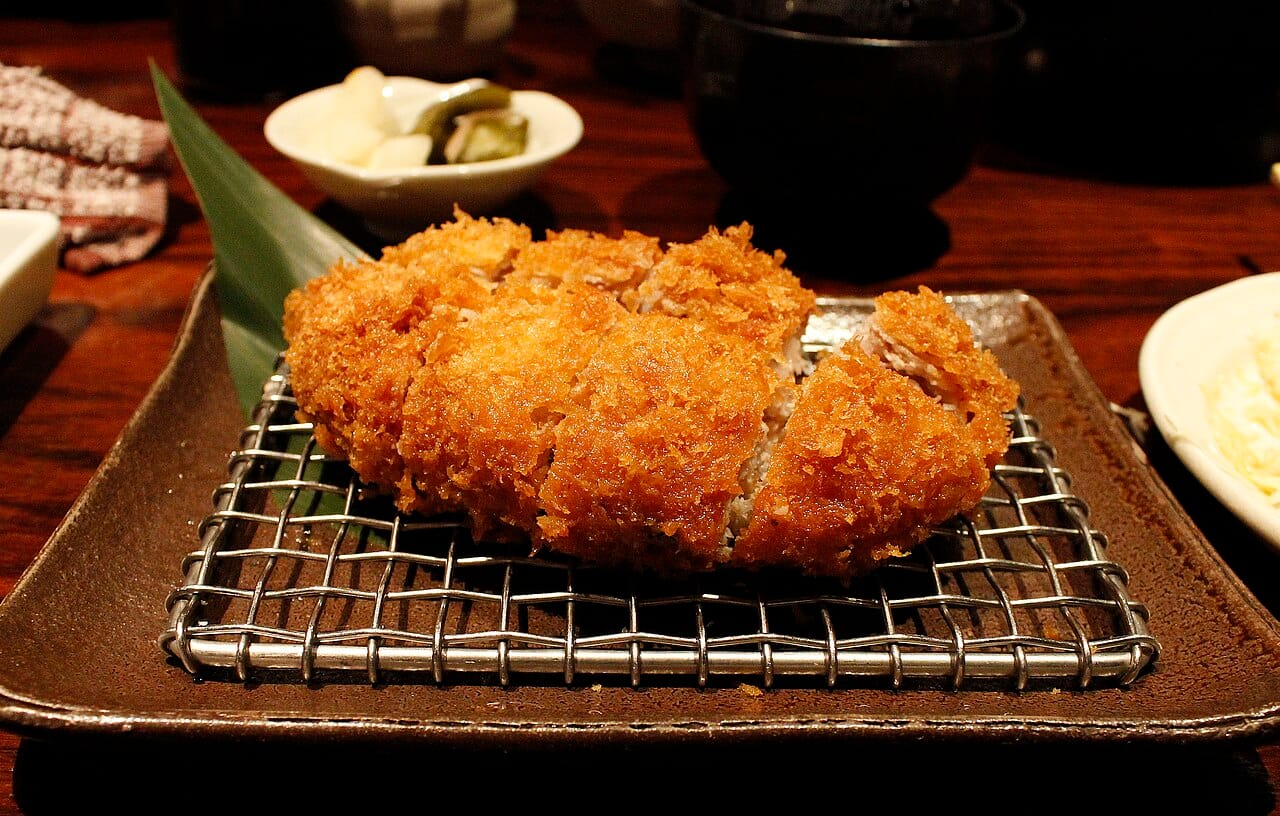
As you walk through Tokyo, the appetizing aroma of freshly fried food often wafts through the streets. Among the dishes that continue to captivate people, tonkatsu stands out. Should you choose juicy loin or lighter, leaner tenderloin? To settle this timeless debate, this guide explores the fascinating world of tonkatsu, from the dedication found at Tokyo’s renowned restaurants to the finer details of this beloved dish.
Prices, opening hours, and reservation requirements are subject to change. Please check each restaurant’s official website or social media for the latest information before visiting.
The Deep Appeal of Tonkatsu: The Ultimate Choice Between Loin and Tenderloin
When discussing tonkatsu, you cannot overlook the differences between cuts of pork. Broadly speaking, there are two main options: loin and tenderloin, each with its own appeal.
| Loin cutlet | Tenderloin cutlet | |
|---|---|---|
| Cut | From the shoulder to the back | Inside the backbone |
| Fat | Marbled in layers with lean meat | Almost none |
| Texture | Juicy and satisfying | Fine-grained and exceptionally tender |
| Flavor | Rich, with the full flavor of pork | Light and refined |
| Rarity | Classic choice | Only a small amount comes from each pig |
| Best for | Those with a hearty appetite | Those who dislike fatty meat or want to enjoy delicate umami |
The Appeal of Loin Cutlets: Harmony Between Fat and Lean Meat
Loin is taken from the area extending from a pig’s shoulder to its back. Its defining feature is the exquisite balance of lean meat and fat arranged in layers. This fat is arguably the greatest appeal of a loin cutlet. Frying intensifies its sweetness and creates a texture that seems to melt in your mouth. Juicy and rich in umami, loin cutlets are recommended for anyone who wants to fully savor the natural flavor of pork.
The Appeal of Tenderloin Cutlets: Refined Tenderness and Healthiness
Tenderloin is found inside a pig’s backbone and is a rare cut, with only a small amount available from each animal. It contains almost no fat and is known for its fine-grained, exceptionally tender texture. Its light, elegant flavor also makes it a healthy choice: low in fat and calories, yet high in protein. It is ideal for those who do not enjoy greasy food or who want to appreciate the delicate umami of the meat itself. The softest central portion of the tenderloin is known as “Chateaubriand” and is prized as a premium delicacy.
The Craftsmanship of Top Restaurants: The Art of Frying
The quality of the meat is not the only factor that determines how delicious tonkatsu will be. The frying technique, where a chef’s skill truly shines, is another essential element that brings out each restaurant’s individual character.
Drawing Out the Meat’s Flavor with Low-Temperature Frying
In recent years, low-temperature frying has attracted particular attention. Frying the meat slowly in oil at a low temperature allows the heat to spread evenly to the center while sealing in the juices. The result is tonkatsu with an astonishingly juicy and moist texture. Another distinctive feature is its pale coating, which can make it look almost like “white tonkatsu.”
Creating a Crisp Coating Through Double Frying
Alongside low-temperature frying, double frying is another technique used by many renowned restaurants. The first fry gently cooks the meat at a low temperature, while the second fry uses high heat for a short time to make the coating crisp. This two-stage process produces perfectly balanced tonkatsu: the meat stays juicy while the coating gains a light, satisfying crunch. The quality of the breadcrumbs is also important. Using fresh breadcrumbs with a high moisture content is said to help prevent the coating from burning and produce a beautiful golden-brown finish.
Touring Tokyo’s Top Tonkatsu Restaurants: A Showcase of Distinctive Flavors
Tokyo is home to many renowned restaurants devoted to tonkatsu. Each has its own unique approach and specialties.
Tonkatsu Narikura (Minami-Asagaya)
Known as a pioneer of low-temperature frying, this restaurant made a name for itself with its “white tonkatsu.” Carefully selected branded pork is slowly fried at a low temperature to draw out its flavor, resulting in an astonishingly moist texture. Its signature dish, “Sha-tonburi-an,” uses a rare cut and is known for its melt-in-the-mouth tenderness.
The restaurant moved from Takadanobaba to Minami-Asagaya in 2019. It operates by reservation only, so advance booking is essential. Please note that you cannot simply drop in without a reservation on the day.
Tonkatsu Aoki
This restaurant is known for popularizing the style of eating tonkatsu with salt. High-quality branded pork is fried in pure lard, allowing the flavor of the pork itself to take center stage. Before adding sauce, try your first bite with just salt. You will clearly notice the natural sweetness of the pork.
There are several locations, centered around the Kamata branch, as well as locations in Ginza and elsewhere.
Butagumi
Its greatest distinguishing feature is that you can choose the pork’s brand. You can experience how the quality of the fat, sweetness, and aroma vary by region and breed through a side-by-side tasting—rather than a drink comparison. It is a good choice for anyone who has already tried tonkatsu and wants to explore what lies beyond the basics.
Maisen and Wako (Chain Restaurants)
These nationwide chains are easy to enter without a reservation and reasonably priced. They are excellent options when you cannot get a reservation at a renowned restaurant or want a convenient meal between sightseeing stops. Quality is consistent, and they offer more than enough for a first tonkatsu experience.
Maisen is also widely known for its katsu sandwiches. They are available at station shops and department stores, making them convenient for eating on the go or buying as souvenirs.
Japan’s Unique “Free Refill Culture”
At many tonkatsu restaurants, rice, cabbage, and miso soup come with free refills. This is a long-established custom at tonkatsu restaurants in Japan, with no additional charge.
Simply tell the server, “Gohan okawari onegai shimasu” (“I’d like a refill of rice”). The cabbage is finely shredded, and dressing is provided on the table. Since it helps cut through the richness of the tonkatsu, eating some between bites helps keep the meal enjoyable to the very end.
Note: This does not apply to every restaurant. High-end restaurants and some specialty shops may not offer free refills. If it is not mentioned on the menu, please ask the staff.
Tips for Enjoying Tonkatsu
- Try a bite with just salt first — Before adding sauce, taste the meat on its own.
- Do not pour sauce over the entire cutlet — Put some sauce in a small dish and dip each bite so the coating stays crisp.
- Use mustard — It helps cut through the richness of the fat. Add a little at a time.
- Eat some cabbage between bites — Having a few strands every several pieces helps you enjoy the cutlet all the way to the last bite.
Pairing Tonkatsu with Tokyo Sightseeing
Tonkatsu is an easy dish to fit into a lunch break. A recommended itinerary is to sightsee in the morning, have tonkatsu for lunch, and continue sightseeing in the afternoon.
Frequently Asked Questions
Q. Which should I choose, loin or tenderloin?
If it is your first time, we recommend loin. Its sweet fat and satisfying texture give you the quintessential tonkatsu experience. If you do not enjoy fatty food, choose tenderloin.
Q. Do I need a reservation?
It depends on the restaurant. Some, such as Narikura, are reservation only, while others, such as chain restaurants, do not require reservations. If you plan to visit a famous restaurant, check its official website in advance.
Q. Are rice refills really free?
Many tonkatsu restaurants offer free refills of rice, cabbage, and miso soup. However, this is not universal. If it is not stated on the menu, please ask the staff.
Q. Can I pay by credit card?
Cards are accepted at most chain restaurants, but independent renowned restaurants may accept cash only. It is a good idea to carry some cash just in case.
Q. What is “Chateaubriand”?
It is the softest central portion of the tenderloin, a premium cut available only in very small quantities from each animal. Only a limited number of restaurants serve it.
More from this region — Tokyo & Kanto
View all →
Toyosu Market Visitor's Guide: Tuna Auctions, Sushi, and Senkyaku Banrai
11 min · destinations
Tsukiji Breakfast: Seafood Bowls, Tamagoyaki, and Hormone Rice Bowls
9 min · food
Tsukiji Outer Market: The Complete Guide to Breakfast and Street Food
11 min · destinations
Daikanyama Tsutaya Books and Japan's Bookstore Culture
6 min · tips