
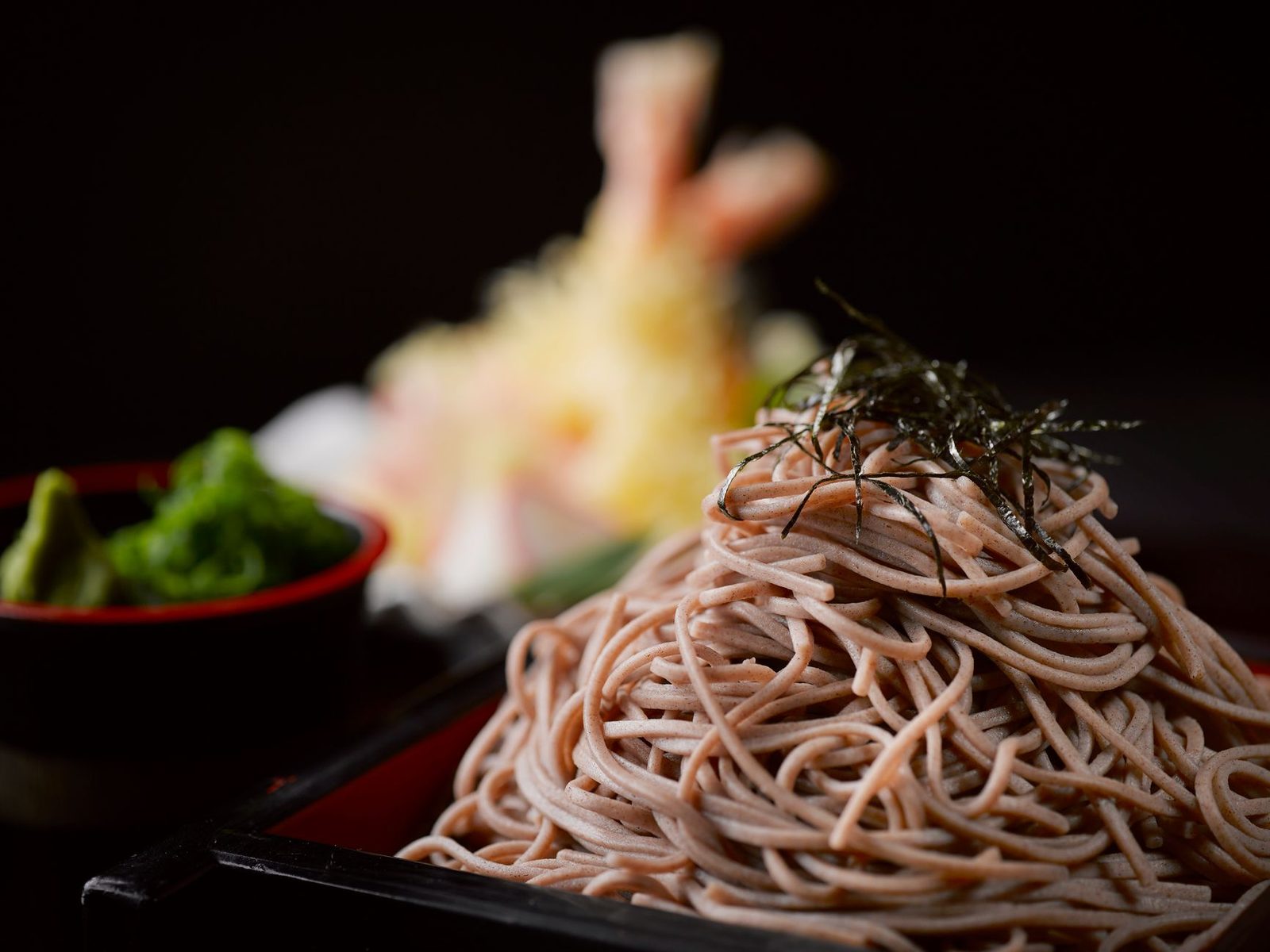
Tokyo Soba: A Guide to Long-Established Restaurants for Savoring Edo-Style Elegance
Take a deep dive into Tokyo’s soba culture, exploring the history and characteristics of the three major traditions—Yabu, Sarashina, and Sunaba—as well as the refined way to eat soba and the best standing soba restaurants for a quick, casual meal. This guide is your key to fully savoring the appeal of Edo-style soba.
Jul 24, 2026·✍️ olablog·⏱ 11 min read
Take a deep dive into Tokyo’s soba culture, exploring the history and characteristics of the three major traditions—Yabu, Sarashina, and Sunaba—as well as the refined way to eat soba and the best standing soba restaurants for a quick, casual meal. This guide is your key to fully savoring the appeal of Edo-style soba.
Tap a region to browse articles
As you walk through Tokyo, you may suddenly catch the aroma of dashi in the air. It might be the scent of soba, beloved by the people of Edo since long ago. Soba is more than just a noodle dish—it could even be called a “culinary art” infused with the culture and history of Edo. In this article, we explore the depth of Tokyo’s soba culture, from long-established restaurants representing the three major traditions to the refined way to eat soba and the best standing soba restaurants for a quick, casual meal.
The History of Tokyo Soba and the Three Major Traditions: Yabu, Sarashina, and Sunaba
No discussion of Tokyo’s soba culture would be complete without the three major traditions known as “Yabu,” “Sarashina,” and “Sunaba.” Each has its own distinct characteristics, and all have remained popular from the Edo period to the present day.
Yabu Soba: Edo-Style Elegance That Emphasizes Aroma and Flavor
The history of Yabu soba goes back a long way. Its roots are said to lie in Kanda Yabu Soba, which was located in Kanda Renjakucho—now Kanda Sudacho—during the late Edo period. Yabu soba is made using hiki-gurumi, in which the buckwheat hulls are ground together with the rest of the grain. This gives the noodles a slightly greenish color and the rich, distinctive aroma of buckwheat. The dipping sauce is strongly seasoned, serving to bring out the flavor of the soba. The refined way to enjoy Yabu soba is to dip only a small portion of the noodles into the sauce before lifting them to your mouth.
Representative long-established restaurant: Kanda Yabu Soba Founded in Meiji 13 (1880年), this venerable restaurant has its main location in Kanda Sudacho. It has preserved the traditional flavor of Yabu soba, while its atmosphere also evokes the spirit of Edo.
- Address: 1-10 Kanda Sudacho, Chiyoda-ku, Tokyo
- Hours: 11:30~20:30 (L.O. 20:00)
- Main dishes and price range (as of July 2026):
- Seiro soba: 800円~1,000円 approximately
- Tempura soba: 1,800円~2,500円 approximately
- ※Please check the official website for the latest information.
Sarashina Soba: A Delicate, Refined Texture and Appearance
Sarashina soba is made using ichiban-ko, flour ground only from the innermost part of the buckwheat grain. As a result, the noodles are white and have a refined sweetness and smooth texture. Compared with Yabu soba, the dipping sauce is sweeter and is carefully prepared so as not to overpower the noodles’ delicate flavor. Sarashina soba is said to have originated with the soba of Shinshu Sarashina—now Chikuma City in Nagano Prefecture—and spread after Sarashina Horii was founded in Azabu Nagasaka-cho in the middle of the Edo period.
Representative long-established restaurant: Sohonke Sarashina Horii Located in Azabu-Juban, this is one of the most representative Sarashina soba restaurants. It is said to have been founded in Kansei 1 (1789年), giving it a history of more than 200 years.
- Address: 3-11-4 Motoazabu, Minato-ku, Tokyo
- Hours: 11:00~21:00 (L.O. 20:30)
- Main dishes and price range (as of July 2026):
- Mori soba: 900円~1,200円 approximately
- Kamo seiro: 1,800円~2,500円 approximately
- ※Please check the official website for the latest information.
Sunaba Soba: A Well-Balanced Flavor
The origins of Sunaba soba are said to date back to a restaurant that served soba during the construction of Osaka Castle and adopted “Sunaba” as its name. It reached Edo in the middle of the Edo period. Its distinctive blend of buckwheat and wheat flour, along with the seasoning of its dipping sauce, creates a well-balanced flavor that lies somewhere between Yabu and Sarashina soba. The noodles are a light brown color, while the sauce is mildly sweet and smooth.
Representative long-established restaurant: Muromachi Sunaba Main Restaurant This venerable restaurant is located in Nihombashi Muromachi and is said to have been founded during the Tenpo era (1830年~1844年). Its tempura is also highly regarded and can be enjoyed alongside the soba.
- Address: 4-1-13 Nihombashi Muromachi, Chuo-ku, Tokyo
- Hours: 11:00~20:30 (L.O. 20:00)
- Main dishes and price range (as of July 2026):
- Mori soba: 800円~1,000円 approximately
- Tenzaru: 2,000円~3,000円 approximately
- ※Please check the official website for the latest information.
Visiting these long-established soba restaurants is a wonderful way to experience Tokyo’s history and food culture in depth. We also recommend exploring the historic streetscapes around each restaurant, not just enjoying the soba itself. To discover even more of Tokyo’s appeal, consider browsing day tours from Tokyo.
Soba Etiquette for Savoring Edo-Style Elegance
There are several customs to keep in mind if you want to enjoy soba to the fullest—and in proper style. Learning them can help you appreciate the depth of soba even more.
The Sound of Slurping Is Part of the Experience
The accepted etiquette is to slurp soba audibly. This draws the aroma of the noodles into your nasal passages, allowing you to experience their flavor more fully. There is no need to worry too much about those around you, but try slurping with a modest yet distinct sound.
How to Enjoy Soba-Yu
The “soba-yu” served after you finish your noodles is the water in which the soba was boiled, containing nutrients released from the noodles. It is customary to pour it into the remaining dipping sauce, dilute it to your preferred strength, and drink it. Soba-yu, infused with the flavor of the noodles, provides a satisfying finish to the meal. In winter especially, it warms you up and offers a comforting moment to pause and relax.
How to Use Condiments
Soba is typically served with condiments such as green onions, shichimi togarashi, and wasabi. They alter the flavor of the noodles and add depth to the dish. Rather than adding everything at once, we recommend first enjoying the natural flavor of the soba, then adding small amounts gradually to experience how the taste changes. Instead of dissolving wasabi directly into the dipping sauce, place a small amount on the noodles before dipping them into the sauce to bring out its aroma.
Tokyo’s Standing Soba: Authentic Flavor Made Easy
Long-established soba restaurants are wonderful, but Tokyo also has a deeply rooted culture of “standing soba,” where you can enjoy authentic noodles quickly and casually. These restaurants are ideal for busy businesspeople or anyone looking for a quick bite.
The Appeal of Standing Soba
The greatest appeal of standing soba is its convenience and speed. Your order is served almost immediately, allowing you to finish a meal in a short time. But these restaurants are not merely fast: many serve flavorful dashi-based sauces, springy noodles, and a wide range of toppings, offering food that rivals that of specialty restaurants. They are popular for breakfast, lunch, or whenever you feel a little hungry.
Recommended Standing Soba Restaurants
Tokyo is home to countless standing soba restaurants. Here are several especially popular chains that are loved by many.
Fuji Soba (Nadai Fuji Soba) A leading name in standing soba, with numerous locations throughout Tokyo and the surrounding area. In addition to classic kake soba and mori soba, it offers an extensive menu that includes katsudon sets and curry rice. Many locations are open 24 hours, making them convenient at any time.
- Main dishes and price range (as of July 2026):
- Kake soba: 380円~
- Red pickled ginger tempura soba: 480円~
- Katsudon set: 700円~
- ※Menus and prices may vary by location. Please check the official website for the latest information.
Hakone Soba A standing soba chain mainly found along the Odakyu Line. Many locations are inside stations or station buildings, making them convenient stops during the commute to work or school. The freshly fried kakiage tempura is especially popular and pairs perfectly with the soba dipping sauce.
- Main dishes and price range (as of July 2026):
- Kake soba: 370円~
- Kakiage soba: 500円~
- ※Menus and prices may vary by location. Please check the official website for the latest information.
Komoro Soba With locations mainly in central Tokyo, Komoro Soba serves delicious noodles at reasonable prices. Its specialties include springy fresh noodles and a wide variety of tempura. Seasonal limited-time dishes are also popular.
- Main dishes and price range (as of July 2026):
- Two-serving mori soba: 400円~
- Kakiage soba: 500円~
- ※Menus and prices may vary by location. Please check the official website for the latest information.
These standing soba restaurants are part of the everyday food culture woven into life in Tokyo. During your sightseeing, be sure to stop by one and experience their appeal for yourself.
Exploring Tokyo While Enjoying Soba
In addition to savoring soba, we recommend discovering Tokyo’s appeal as you explore the city on foot. Areas such as Kanda, Nihombashi, and Azabu-Juban, where many long-established soba restaurants can be found, are ideal for strolling, with their historic buildings and atmospheric alleyways. After enjoying your soba, you could visit a nearby museum or art gallery, or spend some time shopping.
Tokyo is also filled with diverse food cultures and sightseeing attractions beyond soba. Highlights include Kaminarimon in Asakusa, Tokyo Skytree, Ueno Zoo, and Shibuya’s Scramble Crossing. Reserving admission tickets or discounted passes to these popular attractions in advance can help you enjoy sightseeing more smoothly. Reserve sightseeing tickets and passes to make your trip to Tokyo even more memorable.
Tokyo Gourmet Experiences Beyond Soba
Tokyo is not just a soba destination—it is a city where cuisines from around the world come together. You can enjoy a huge variety of food experiences, including sushi, ramen, tempura, and monjayaki. From Michelin-starred fine dining to beloved local B-grade gourmet dishes, the options are virtually endless.
After enjoying soba, why not try some of Tokyo’s other culinary specialties? You could sample a fresh seafood rice bowl at the outer market of Tsukiji or experience monjayaki in Tsukishima. Through its food, you can experience Tokyo’s diverse culture firsthand.
Frequently Asked Questions
Q. What are the characteristics of the three major soba traditions—Yabu, Sarashina, and Sunaba? A. Yabu soba is made with hiki-gurumi, in which the buckwheat hulls are ground together with the flour, giving it a slightly greenish color and the rich, natural aroma of buckwheat. Its dipping sauce is strongly seasoned. Sarashina soba uses ichiban-ko, flour made only from the center of the buckwheat grain, so it is white and characterized by a refined sweetness and smooth texture. Its dipping sauce is sweet. Sunaba soba is known for its well-balanced blend of buckwheat and wheat flour and its balanced seasoning, creating a flavor somewhere between Yabu and Sarashina.
Q. Is there any etiquette to follow when eating soba? A. It is customary to slurp soba audibly. This draws the aroma of the noodles into your nasal passages, allowing you to experience their flavor more fully. It is also customary to pour soba-yu into the remaining dipping sauce and drink it after the meal. We recommend enjoying the natural flavor of the soba first, then adding small amounts of condiments gradually to experience the changes in taste.
Q. What is the difference between standing soba and soba at a long-established restaurant? A. The greatest appeal of standing soba is that you can enjoy a quick, convenient meal. Prices are also reasonable, and these restaurants are commonly found inside stations. Long-established soba restaurants, on the other hand, preserve traditional preparation methods and flavors, allowing you to enjoy more refined tastes and an atmospheric setting, along with carefully crafted noodles, textures, and dipping sauces. Both are representative parts of Tokyo’s soba culture.
Q. Is there anything to be aware of if I have a soba allergy? A. Those with a soba allergy need to avoid products containing buckwheat flour. Since soba restaurants tend to have few menu items that do not contain buckwheat flour, we recommend checking with the restaurant in advance or confirming whether allergen information is provided.
Q. Which areas of Tokyo are recommended for eating soba? A. Kanda, Nihombashi, and Azabu-Juban are home to many long-established soba restaurants. In these areas, you can enjoy traditional soba while taking in the atmosphere of historic soba restaurants. Standing soba restaurants are widely found inside major stations and in business districts, offering a quick and convenient option.
Tokyo’s soba distills the history and culture of Edo, along with the skills of its artisans, into every bowl. From the depth of the three major traditions and the refined way to eat soba to standing soba woven into everyday life, there are many ways to experience its appeal. Use this guide as a reference and enjoy a Tokyo soba journey that is uniquely your own.
More from this region — Tokyo & Kanto
View all →The Ultimate Guide to Tokyo Souvenir Sweets: From Tokyo Banana to PRESS BUTTER SAND
8 min · tips
Sukiyaki and Shabu-Shabu in Tokyo: Long-Established Famous Restaurants
18 min · food
Sumida River Cruise: A Scenic Waterway Walk from Asakusa to Odaiba
8 min · destinations
Sushi in Tokyo: A Budget Guide from Conveyor-Belt Sushi to Standing Sushi Bars
12 min · food