
Sukiyaki and Shabu-Shabu in Tokyo: Long-Established Famous Restaurants
For traditional Kanto-style sukiyaki and high-quality shabu-shabu in Tokyo, long-established restaurants are an excellent choice. Here are popular restaurants where reservations are essential and you can enjoy a special meal with ease at lunchtime. Discover an exceptional Tokyo dining experience with OlaChill.
Jul 24, 2026·✍️ olablog·⏱ 18 min read
For traditional Kanto-style sukiyaki and high-quality shabu-shabu in Tokyo, long-established restaurants are an excellent choice. Here are popular restaurants where reservations are essential and you can enjoy a special meal with ease at lunchtime. Discover an exceptional Tokyo dining experience with OlaChill.
Tap a region to browse articles
Tokyo is home to many long-established sukiyaki and shabu-shabu restaurants that have continued to captivate diners for generations. In particular, Kanto-style sukiyaki simmered in a sweet-and-savory warishita sauce, along with shabu-shabu that brings out the very best in each ingredient, are essential parts of Japan’s culinary culture. In this article, we take a closer look at what makes these renowned restaurants special and introduce popular establishments where reservations are essential and you can enjoy a luxurious yet accessible lunchtime experience.
Tokyo’s Sukiyaki and Shabu-Shabu Culture
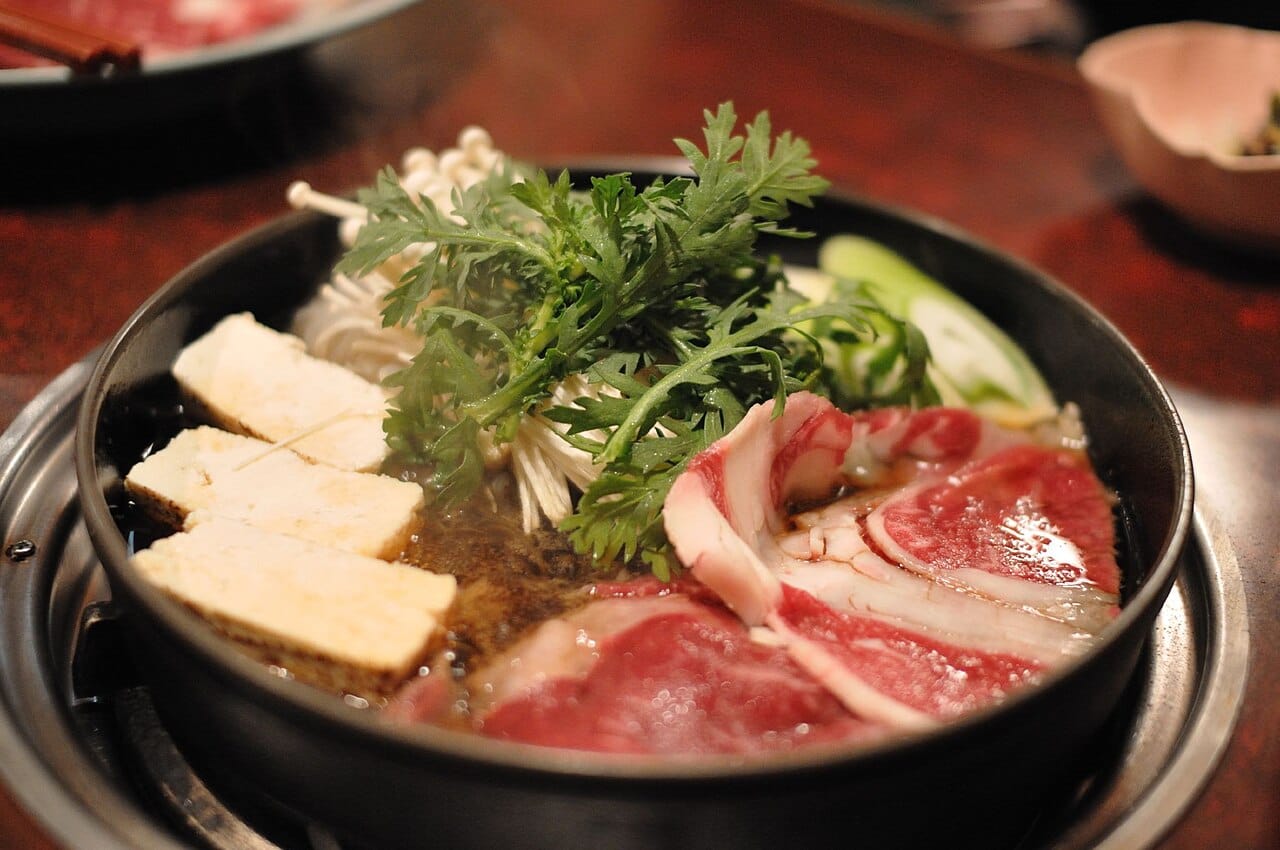
Sukiyaki in Tokyo is generally prepared in the “Kanto style”: the beef is first seared, then simmered with a sweet-and-savory warishita sauce made primarily from sugar and soy sauce. This method allows the sauce to soak deeply into the meat and vegetables, creating a rich flavor that pairs perfectly with rice. Shabu-shabu, on the other hand, consists of swishing thinly sliced beef or pork through hot broth and dipping it in ponzu or sesame sauce. It offers a simple way to savor the natural flavor of the meat and is also popular with health-conscious diners. Both dishes are beloved as signature Tokyo specialties and are commonly chosen for special meals with family and friends, as well as business entertaining.
Famous Restaurants for Savoring Time-Honored Flavors【Sukiyaki】
Tokyo is dotted with renowned sukiyaki restaurants boasting histories of more than 100 years. Here are several representative establishments that are especially well suited to lunch and where reservations are essential.
Imahan (いまはん)
Asakusa Imahan was founded in Meiji 28 (1895) and is one of the historic names that cannot be left out of any discussion of Tokyo sukiyaki. Its sukiyaki, made with carefully selected Japanese Black beef, is prepared with a traditional warishita sauce, creating an exquisite harmony between the melt-in-your-mouth richness of the meat and the sweet-and-savory flavor. In addition to its Asakusa flagship restaurant, Imahan has locations throughout Tokyo, each offering a distinctive and atmospheric setting. At lunchtime, set meals and courses are available at relatively accessible prices, allowing guests to enjoy the Imahan experience, and the “Sukiyaki Gozen” is particularly popular. Reservations are essential, especially on weekends and public holidays, so booking well in advance is recommended. As of July 2026, lunch menus include Sukiyaki Gozen options starting in the ¥5,000 range, but please contact each location for exact prices and menu details.
Ningyocho Imahan (にんぎょうちょういまはん)
Ningyocho Imahan was established in Ningyocho in Showa 31 (1956) as a branch of the original Imahan, founded in Meiji 28. It is another universally recognized destination for sukiyaki and shabu-shabu. The Ningyocho flagship is known for serving high-quality Japanese Black beef sukiyaki in a calm, refined setting. Simmered in a rich Kanto-style warishita sauce, the meat is sure to impress with its exceptional quality from the very first bite. The lunchtime menu includes a wide range of relatively affordable options, such as sukiyaki set meals and steak rice boxes. The lunchtime sukiyaki set meal is especially popular as an easy way to experience the flavors of Ningyocho Imahan, and it can sometimes be difficult to get a table without a reservation. As of July 2026, lunch prices for the sukiyaki set meal start in the ¥4,000 range. Advance reservations are recommended here as well.
Kakiyasu (かきやす)
Kakiyasu traces its roots to a long-established butcher shop founded in Kuwana, Mie Prefecture, in Meiji 4 (1871). Its sukiyaki, prepared with premium beef selected through generations of experience and expert judgment, has delighted discerning diners for years. The company has several locations in Tokyo, with convenient restaurants in major areas such as Shinjuku and Ginza being particularly appealing. Kakiyasu’s sukiyaki is characterized by its Kanto-style warishita sauce, which draws out the full flavor of the beef, and the careful preparation by skilled staff. The lunch menu is also extensive, offering several ways to enjoy the restaurant’s traditional flavors, including sukiyaki set meals and gozen-style meals. As of July 2026, Sukiyaki Gozen at lunch is available from the ¥3,000 range, making it a relatively accessible option. As this is a popular restaurant, you should consider reservations—especially for lunch—essential.
Famous Restaurants for Savoring Time-Honored Flavors【Shabu-Shabu】
Alongside sukiyaki, the shabu-shabu served by Tokyo’s long-established restaurants is equally exceptional. Here are restaurants where reservations are essential and you can enjoy carefully selected meat at its best.
Zakuro
Zakuro is a long-established restaurant founded in Showa 30 (1955) that has made a name for itself as a shabu-shabu specialist. It has locations in Ginza and Nihonbashi, with the Ginza restaurant particularly appealing for its relaxed atmosphere and comfortable dining environment. At Zakuro, carefully selected premium beef is thinly sliced and swished through a specially prepared broth. Served with two dipping sauces—sesame and ponzu—the dish brings out the full flavor of the meat without becoming monotonous. Shabu-shabu courses are available at lunchtime, offering a relatively affordable way to experience the flavors of this historic restaurant. As of July 2026, lunch courses start in the ¥6,000 range. Reservations are essential, and because the restaurant is also frequently used for business occasions, booking early is recommended.
Kisoji
Kisoji is a shabu-shabu and sukiyaki restaurant chain that opened in 1966 (Showa 41) and celebrates its 60th anniversary this year. Although it now has locations throughout Japan, its long history and the founding philosophy of making shabu-shabu accessible to everyone give it the stature of a long-established restaurant. Kisoji has numerous locations in Tokyo and is popular with a wide range of diners, from families to business guests. Its shabu-shabu features carefully selected beef and pork served with a specially developed broth. The balance between the house sesame sauce and ponzu is excellent, further enhancing the flavor of the meat. The lunch menu is particularly extensive, with a variety of choices including shabu-shabu set meals and gozen-style meals. As of July 2026, lunchtime shabu-shabu set meals start in the ¥2,000 range, making it an appealing way to enjoy the flavors of a historic restaurant casually. Lunch is especially busy on weekends, so advance reservations are recommended.
Enjoying Luxury at Lunchtime: Reservation Tips
Enjoying sukiyaki or shabu-shabu at one of Tokyo’s long-established restaurants for lunch is a smart choice: you can experience high-quality cuisine at a lower cost than at dinner. However, because these restaurants are popular, reservations are almost always essential.
- Book early: Booking several weeks in advance is advisable, especially for weekends and public holidays. Popular time slots fill up quickly.
- Take advantage of online reservations: Many restaurants have introduced online reservation systems. Since you can book 24 hours a day, be sure to make active use of them.
- Check the course details: Lunch menus may differ from dinner courses in both content and price. Check the restaurant’s website in advance and choose a course that suits your preferences.
- Ask about private rooms: If you are visiting for business entertaining or a special gathering, it is a good idea to check whether private rooms are available.
Sukiyaki and shabu-shabu at one of Tokyo’s historic restaurants are more than just a meal—they are special experiences that let you connect with Japan’s traditions and culture. Prepare carefully in advance and enjoy an unforgettable time.
A Special Experience at Tokyo’s Historic Restaurants
Tokyo is home to many long-established sukiyaki and shabu-shabu restaurants that have continued to enchant diners for generations. These renowned establishments preserve traditional flavors while continuing to evolve with the times, offering new discoveries with every visit. Each of the restaurants introduced here provides an unforgettable dining experience through premium meat and carefully refined cooking techniques. Another advantage is that visiting at lunchtime allows you to enjoy this luxury in a more accessible way.
If you want to make your stay in Tokyo even more rewarding, why not explore nearby attractions in addition to enjoying the local food? For example, Suitengu Shrine is located near Ningyocho Imahan, making it easy to enjoy a stroll before or after your meal. You can also book sightseeing tickets and passes to make the most of Tokyo. More than 300 types of admission tickets, cruises, and passes can be arranged with instant confirmation, so be sure to take advantage of the service. If you are planning a day trip from Tokyo, you may also want to browse day tours departing from Tokyo. Guided tours make it easy to discover the attractions around Tokyo efficiently.
A journey that combines the flavors of long-established restaurants with encounters with Tokyo’s culture is sure to create lasting memories. Use this OlaChill article as a guide to finding your own special Tokyo experience.
Frequently Asked Questions
Q. Which do you recommend, sukiyaki or shabu-shabu? A. Both are exquisite dishes that can be enjoyed at Tokyo’s historic restaurants, but the best choice depends on your preferences. If you enjoy rich, sweet-and-savory flavors, Kanto-style sukiyaki is a great option. If you prefer to savor the natural flavor of the meat in a lighter preparation, shabu-shabu is recommended. Some restaurants serve both, so check the menu when making your plans.
Q. How different are the prices at lunch and dinner? A. In general, long-established sukiyaki and shabu-shabu restaurants tend to offer lunch at more reasonable prices than dinner. At lunchtime, restaurants keep prices lower by simplifying the courses or serving set meals while still using the same high-quality ingredients as at dinner. As of July 2026, some restaurants offer lunch from the ¥3,000 range, while dinner courses exceeding ¥10,000 are common.
Q. How far in advance should I make a reservation? A. Popular historic restaurants can be extremely busy, especially at lunchtime on weekends and public holidays. To ensure you get a table, booking 2 weeks to 1 month in advance is recommended. For weekday lunch, 1 week ahead may be sufficient, but booking as early as possible is always the safest approach.
Q. Can I dine alone? A. Long-established sukiyaki and shabu-shabu restaurants are often associated with group dining, but more restaurants now welcome solo diners. However, private rooms may have minimum party-size requirements, so check when booking or ask whether counter seating is available.
Q. What are the characteristics of Kanto-style sukiyaki? A. Kanto-style sukiyaki is characterized by first searing the beef in the pot, then adding a sweet-and-savory warishita sauce made with soy sauce, sugar, mirin, and other ingredients before simmering everything together. The sauce soaks thoroughly into the meat and vegetables, creating a rich flavor that pairs especially well with rice. This contrasts with Kansai-style sukiyaki, in which the meat is seasoned directly with sugar and soy sauce after being seared, with broth added later.
References: Asakusa Imahan. (n.d.). Official website. Tabelog. (n.d.). Asakusa Imahan Asakusa Main Store. Ningyocho Imahan. (n.d.). Official website. Tabelog. (n.d.). Ningyocho Imahan Ningyocho Main Store. Zakuro. (n.d.). Official website. ---Tokyo is home to many long-established sukiyaki and shabu-shabu restaurants that have continued to captivate diners for generations. In particular, Kanto-style sukiyaki simmered in a sweet-and-savory warishita sauce, along with shabu-shabu that brings out the very best in each ingredient, are essential parts of Japan’s culinary culture. In this article, we take a closer look at what makes these renowned restaurants special and introduce popular establishments where reservations are essential and you can enjoy a luxurious yet accessible lunchtime experience.
What Is Tokyo’s Sukiyaki and Shabu-Shabu Culture Like?
Sukiyaki in Tokyo is generally prepared in the “Kanto style”: the beef is first seared, then simmered with a sweet-and-savory warishita sauce made primarily from sugar and soy sauce. This method allows the sauce to soak deeply into the meat and vegetables, creating a rich flavor that pairs perfectly with rice. Shabu-shabu, on the other hand, consists of swishing thinly sliced beef or pork through hot broth and dipping it in ponzu or sesame sauce. It offers a simple way to savor the natural flavor of the meat and is also popular with health-conscious diners. Both dishes are beloved as signature Tokyo specialties and are commonly chosen for special meals with family and friends, as well as business entertaining.
Famous Restaurants for Savoring Time-Honored Flavors【Sukiyaki】
Tokyo is dotted with renowned sukiyaki restaurants boasting histories of more than 100 years. Here are several representative establishments that are especially well suited to lunch and where reservations are essential.
Ningyocho Imahan Main Store
Ningyocho Imahan was established in Ningyocho in Showa 31 (1956) as a branch of the original Imahan, founded in Meiji 28. It is another universally recognized destination for sukiyaki and shabu-shabu. The Ningyocho Main Store is known for serving high-quality Japanese Black beef sukiyaki in a calm, refined setting. Simmered in a rich Kanto-style warishita sauce, the meat is sure to impress with its exceptional quality from the very first bite. The lunchtime menu includes a wide range of relatively affordable options, such as sukiyaki set meals and steak rice boxes. The lunchtime sukiyaki set meal is especially popular as an easy way to experience the flavors of Ningyocho Imahan, and it can sometimes be difficult to get a table without a reservation. As of July 2026, lunch prices for the sukiyaki set meal start in the ¥4,000 range. Reservations are available, and booking early is especially recommended for weekends.
Kakiyasu Ginza Store
Kakiyasu traces its roots to a long-established butcher shop founded in Kuwana, Mie Prefecture, in Meiji 4 (1871). Its sukiyaki, prepared with premium beef selected through generations of experience and expert judgment, has delighted discerning diners for years. The company has several locations in Tokyo, and the Ginza Store is particularly appealing for its refined atmosphere. Kakiyasu’s sukiyaki is characterized by its Kanto-style warishita sauce, which draws out the full flavor of the beef, and the careful preparation by skilled staff. The lunch menu is also extensive. As of July 2026, the “〈Lunch Only〉Mie Kakiyasu Beef Sukiyaki Gozen” is available for 6,050 yen (including tax). As this is a popular restaurant, you should consider reservations—especially for lunch—essential.
Asakusa Imahan Kirakutei (Isetan Shinjuku Store)
Asakusa Imahan was founded in Meiji 28 (1895) and is one of the historic names that cannot be left out of any discussion of Tokyo sukiyaki. Its sukiyaki, made with carefully selected Japanese Black beef, is prepared with a traditional warishita sauce, creating an exquisite harmony between the melt-in-your-mouth richness of the meat and the sweet-and-savory flavor. The Asakusa Kokusai-dori Main Store does not accept reservations for its lunch menu, but at “Asakusa Imahan Kirakutei” inside the Isetan Shinjuku Store, reservations can be made for the sukiyaki course only. Here, diners can enjoy the sukiyaki flavors passed down by Asakusa Imahan since the Meiji era in a relaxed, casual setting. As of July 2026, the average lunch budget is 4,500 yen, and the sukiyaki course “Shirasagi” is available for 9,900 yen (including tax).
Famous Restaurants for Savoring Time-Honored Flavors【Shabu-Shabu】
Alongside sukiyaki, the shabu-shabu served by Tokyo’s long-established restaurants is equally exceptional. Here are restaurants where reservations are essential and you can enjoy carefully selected meat at its best.
Zakuro Ginza Store
Zakuro is a long-established restaurant founded in Showa 30 (1955) that made a name for itself as the Japanese restaurant that first introduced “shabu-shabu” to Tokyo. It has locations in Ginza and Nihonbashi, with the Ginza Store particularly appealing for its relaxed atmosphere and comfortable dining environment. At Zakuro, carefully selected premium beef is thinly sliced and swished through a specially prepared broth. Served with two dipping sauces—sesame and ponzu—the dish brings out the full flavor of the meat without becoming monotonous. Shabu-shabu courses are available at lunchtime, offering a relatively affordable way to experience the flavors of this historic restaurant. The lunch menu was updated on July 17, 2026, and as of July 2026, lunch courses start in the ¥6,000 range. Reservations are essential, and because the restaurant is also frequently used for business occasions, booking early is recommended.
Kisoji
Kisoji opened in 1966 (Showa 41) and celebrates its 60th anniversary this year as a shabu-shabu and sukiyaki specialist. Although it has locations throughout Japan, its long history and the founding philosophy of making shabu-shabu accessible to everyone give it the stature of a long-established restaurant. Kisoji has numerous locations in Tokyo and is popular with a wide range of diners, from families to business guests. Its shabu-shabu features carefully selected beef and pork served with a specially developed broth. The balance between the house sesame sauce and ponzu is excellent, further enhancing the flavor of the meat. The lunch menu is particularly extensive, with a variety of choices including shabu-shabu set meals and gozen-style meals. As of July 2026, lunchtime shabu-shabu set meals start in the ¥2,000 range, making it an appealing way to enjoy the flavors of a historic restaurant casually. Lunch is especially busy on weekends, so advance reservations are recommended.
Enjoying Luxury at Lunchtime: Reservation Tips
Enjoying sukiyaki or shabu-shabu at one of Tokyo’s long-established restaurants for lunch is a smart choice: you can experience high-quality cuisine at a lower cost than at dinner. However, because these restaurants are popular, reservations are almost always essential.
- Book early: Booking several weeks in advance is advisable, especially for weekends and public holidays. Popular time slots fill up quickly.
- Take advantage of online reservations: Many restaurants have introduced online reservation systems. Since you can book 24 hours a day, be sure to make active use of them.
- Check the course details: Lunch menus may differ from dinner courses in both content and price. Check the restaurant’s website in advance and choose a course that suits your preferences.
- Ask about private rooms: If you are visiting for business entertaining or a special gathering, it is a good idea to check whether private rooms are available.
Sukiyaki and shabu-shabu at one of Tokyo’s historic restaurants are more than just a meal—they are special experiences that let you connect with Japan’s traditions and culture. Prepare carefully in advance and enjoy an unforgettable time.
A Special Experience at Tokyo’s Historic Restaurants
Tokyo is home to many long-established sukiyaki and shabu-shabu restaurants that have continued to enchant diners for generations. These renowned establishments preserve traditional flavors while continuing to evolve with the times, offering new discoveries with every visit. Each of the restaurants introduced here provides an unforgettable dining experience through premium meat and carefully refined cooking techniques. Another advantage is that visiting at lunchtime allows you to enjoy this luxury in a more accessible way.
If you want to make your stay in Tokyo even more rewarding, why not explore nearby attractions in addition to enjoying the local food? For example, Suitengu Shrine is located near Ningyocho Imahan, making it easy to enjoy a stroll before or after your meal. You can also book sightseeing tickets and passes to make the most of Tokyo. More than 300 types of admission tickets, cruises, and passes can be arranged with instant confirmation, so be sure to take advantage of the service. If you are planning a day trip from Tokyo, you may also want to browse day tours departing from Tokyo. Guided tours make it easy to discover the attractions around Tokyo efficiently.
A journey that combines the flavors of long-established restaurants with encounters with Tokyo’s culture is sure to create lasting memories. Use this OlaChill article as a guide to finding your own special Tokyo experience.
Frequently Asked Questions
Q. Which do you recommend, sukiyaki or shabu-shabu? A. Both are exquisite dishes that can be enjoyed at Tokyo’s historic restaurants, but the best choice depends on your preferences. If you enjoy rich, sweet-and-savory flavors, Kanto-style sukiyaki is a great option. If you prefer to savor the natural flavor of the meat in a lighter preparation, shabu-shabu is recommended. Some restaurants serve both, so check the menu when making your plans.
Q. How different are the prices at lunch and dinner? A. In general, long-established sukiyaki and shabu-shabu restaurants tend to offer lunch at more reasonable prices than dinner. At lunchtime, restaurants keep prices lower by simplifying the courses or serving set meals while still using the same high-quality ingredients as at dinner. As of July 2026, some restaurants offer lunch from the ¥2,000 range, while dinner courses exceeding ¥10,000 are common.
Q. How far in advance should I make a reservation? A. Popular historic restaurants can be extremely busy, especially at lunchtime on weekends and public holidays. To ensure you get a table, booking 2 weeks to 1 month in advance is recommended. For weekday lunch, 1 week ahead may be sufficient, but booking as early as possible is always the safest approach.
Q. Can I dine alone? A. Long-established sukiyaki and shabu-shabu restaurants are often associated with group dining, but more restaurants now welcome solo diners. However, private rooms may have minimum party-size requirements, so check when booking or ask whether counter seating is available. Some restaurants may not accept solo diners due to the nature of sukiyaki preparation.
Q. What are the characteristics of Kanto-style sukiyaki? A. Kanto-style sukiyaki is characterized by first searing the beef in the pot, then adding a sweet-and-savory warishita sauce made with soy sauce, sugar, mirin, and other ingredients before simmering everything together. The sauce soaks thoroughly into the meat and vegetables, creating a rich flavor that pairs especially well with rice. This contrasts with Kansai-style sukiyaki, in which the meat is seasoned directly with sugar and soy sauce after being seared, with broth added later.
More from this region — Tokyo & Kanto
View all →
Sumida River Cruise: A Scenic Waterway Walk from Asakusa to Odaiba
8 min · destinations
Sushi in Tokyo: A Budget Guide from Conveyor-Belt Sushi to Standing Sushi Bars
12 min · food
Tax-Free Shopping in Japan: How It Works and What to Watch Out For
9 min · tips
teamLab Planets Toyosu: Reservations, What to Wear, and Highlights
10 min · destinations