Harajuku Takeshita Street Guide
A comprehensive guide to Harajuku Takeshita Street, the heart of Tokyo's youth culture. Discover the condensed charm of pop culture, from classic take-out crepes and unique vintage clothing stores to the latest character shops. Includes tips to avoid crowds.
Jul 24, 2026·✍️ olablog·⏱ 9 min read
A comprehensive guide to Harajuku Takeshita Street, the heart of Tokyo's youth culture. Discover the condensed charm of pop culture, from classic take-out crepes and unique vintage clothing stores to the latest character shops. Includes tips to avoid crowds.
Tap a region to browse articles
Harajuku (原宿) continues to be a driving force in Tokyo's fashion and pop culture. Its symbol is Takeshita Street (竹下通り), which spreads out directly in front of you as you exit the Takeshita Gate of JR Harajuku Station (JR原宿駅). This street, stretching approximately 350 meters, constantly gives birth to new trends and attracts many people from both Japan and abroad. From colorful sweets to unique fashion and the latest character goods, OlaChill Editorial Department introduces the charm of Takeshita Street, where "Kawaii" (cute) culture is condensed.
What is Harajuku Takeshita Street? A Hub for Pop Culture
Harajuku Takeshita Street is a narrow street, approximately 350 meters long, that stretches from the Takeshita Gate of JR Harajuku Station to Meiji-dori (明治通り). This area is known as the center from which Japan's "Kawaii" culture spreads worldwide, with diverse trends in fashion, sweets, and general goods emerging daily. It is particularly popular among young people in their teens and twenties, and its vibrant atmosphere never fails to charm visitors.
Takeshita Street becomes a "pedestrian paradise" (歩行者天国) with vehicle access restricted daily from 11:00 AM to 6:00 PM, allowing visitors to safely enjoy shopping and street food. Approximately 130 shops line the street, creating a fun space just for browsing.
A Classic Street Food! Indulge in Exquisite Crepes
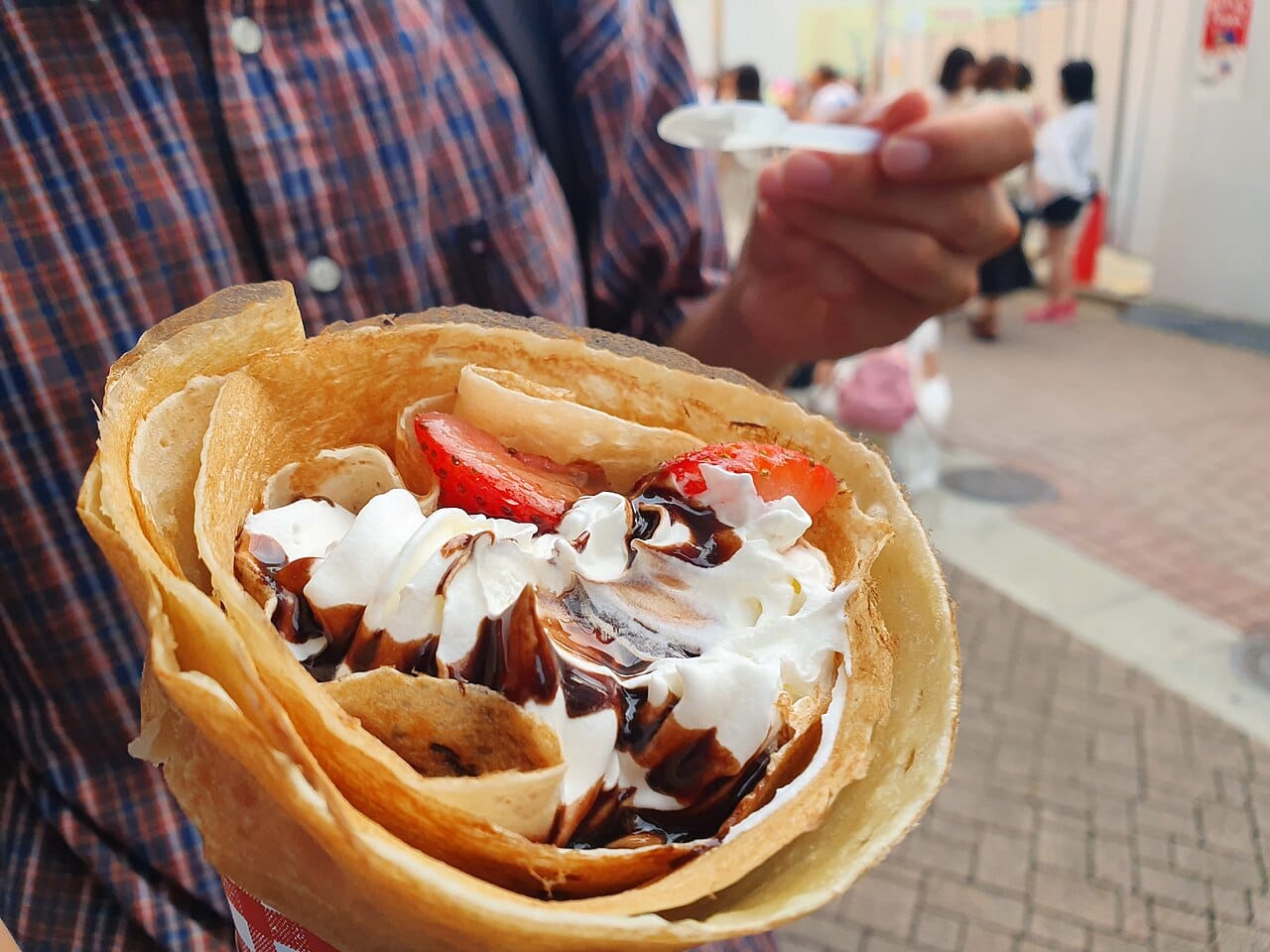
When it comes to Takeshita Street, you absolutely cannot miss enjoying "crepes" (クレープ) as street food. "Marion Crepes" (マリオンクレープ), which opened in the 1970s, ignited this trend, and since then, Harajuku's crepe culture has flourished. Today, numerous popular shops, including Marion Crepes, "Angel's Heart (Cafe Crepe)" (エンジェルズハート), "SWEET BOX," and "Santa Monica Crepes" (サンタモニカクレープ), line the street.
Each shop offers a rich menu of over 100 varieties, from classic banana chocolate whip to seasonal fruit crepes, voluminous crepes filled with ice cream or cake, and even savory crepes with ham, cheese, or tuna salad. The crepe batter, skillfully cooked right in front of you, is characterized by its crispy yet chewy texture.
Estimated Crepe Price Range as of July 2026
| Type | Price Range (Estimate) |
|---|---|
| Sweet Crepes | ¥400 – ¥800 (approx. $2.60 – $5.30) |
| Savory Crepes | ¥500 – ¥900 (approx. $3.30 – $6.00) |
| Special Crepes | ¥800 – ¥1,200 (approx. $5.30 – $8.00) |
*Prices vary depending on toppings and ingredients. (1 USD ≈ 150 JPY)
Most crepe shops offer takeout, and many people enjoy eating while strolling. However, in some areas, eating while walking may be prohibited, so it is good manners to eat in designated areas.
Find Unique Items at Distinctive Vintage Clothing Stores
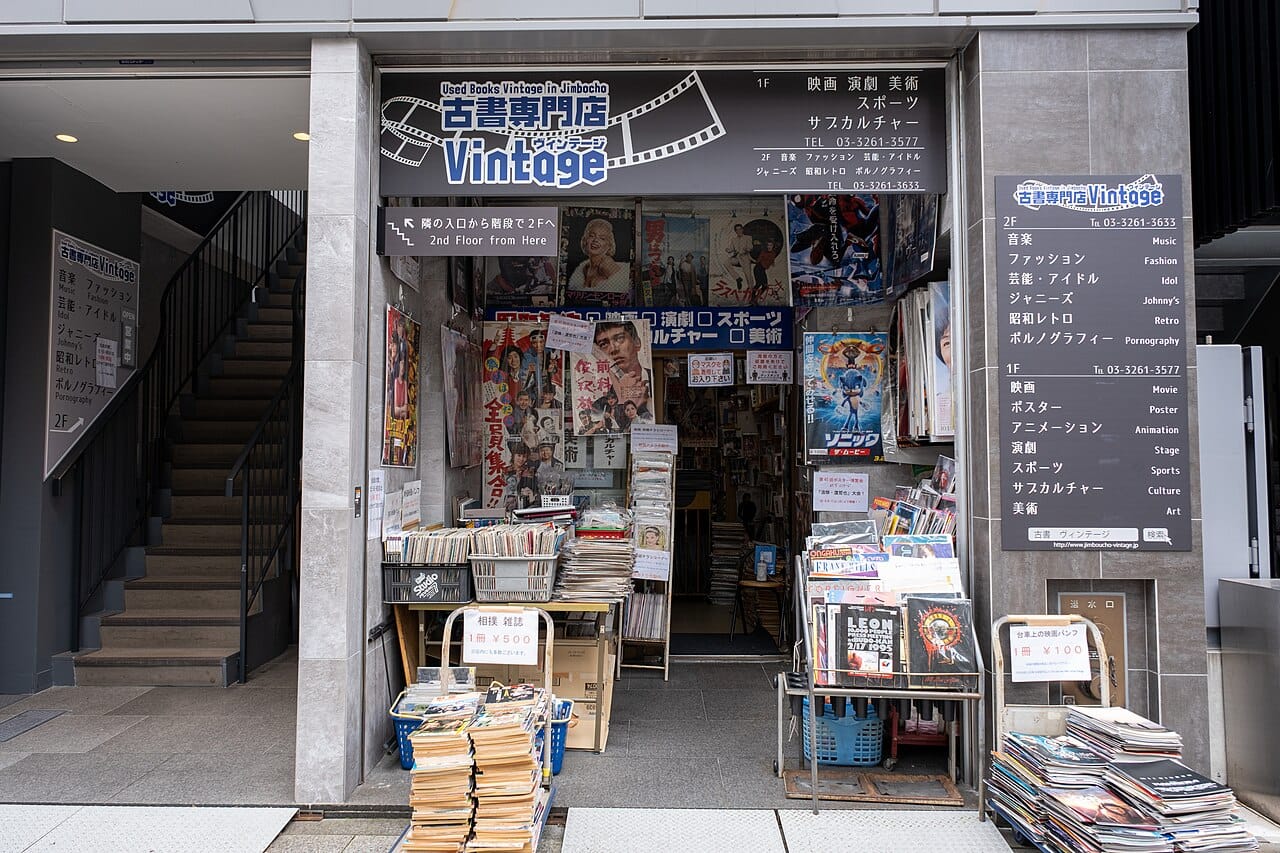
The area around Takeshita Street is also an irresistible spot for vintage clothing enthusiasts. A wide range of vintage clothing stores can be found here, from large shops with affordable prices that students can easily visit, to specialty stores handling unique vintage items.
Along Takeshita Street, you'll find "KINJI Harajuku Store" (KINJI 原宿店), which boasts a rich selection of 90s street style, patterned items, and character goods, as well as "YAMAHISA USED CLOTHING Harajuku Takeshita Street Store" (YAMAHISA USED CLOTHING原宿竹下通り店), which offers many unique yet affordable items. There are also shops where you can find items priced in the hundreds of yen or T-shirts starting from around ¥2,000 (approx. $13), making it fun to hunt for bargains.
Furthermore, in the area known as "Ura-Harajuku" (裏原宿), located one street back from Meiji-dori, more specialized vintage clothing stores are scattered, offering American vintage, European vintage, and vintage denim. This area is recommended for connoisseurs looking for one-of-a-kind items and masterpieces.
Character Goods & Latest Trend Shops
Takeshita Street is a treasure trove of shops where you can find character goods symbolizing Japanese pop culture and the latest trend items.
Sanrio Harajuku Store (Sanrio 原宿店), which offers popular Sanrio character goods, and CRAFTHOLIC Harajuku Store (CRAFTHOLIC原宿店), where you can find adorable CRAFTHOLIC items, are bustling with many fans. At the anime goods specialty store "B☆POINT Harajuku Takeshita Street Store" (B☆POINT原宿竹下通り店), a wide range of products, from nostalgic anime goods to the latest releases, are displayed, attracting anime fans from both Japan and abroad. In March 2025, Ito-Yokado (イトーヨーカ堂) opened "TOYLO MART Harajuku Store" (TOYLO MART(トイロマート) 原宿店), a character goods-focused store, handling highly trendy entertainment merchandise. In March 2026, "NARUMIYA CHARACTERS STORE" (ナルミヤキャラクターズ), a goods shop for Narumiya Characters, also opened in SoLaDo Takeshita Street.
Additionally, Instagrammable sweets like "TOTTI CANDY FACTORY" (TOTTI CANDY FACTORY), famous for its colorful cotton candy, and "Strawberry Fetish" (ストロベリーフェチ), a specialty store for strawberry candy, are also popular. The street is also well-equipped with 100-yen shops, Korean cosmetic stores, and purikura (photo booth) specialty stores, allowing you to experience the cutting edge of trends.
How to Enjoy Takeshita Street While Avoiding Crowds?
Takeshita Street is one of Tokyo's representative tourist attractions, so the degree of crowding varies significantly depending on the time of day, day of the week, and season.
Times to Expect Crowds
- 11:00 AM – 6:00 PM: Especially crowded during the pedestrian paradise hours.
- 11:00 AM – 3:00 PM: This is the peak crowding period.
- Weekends, Public Holidays, and Long Vacations: During Golden Week (ゴールデンウィーク), Obon (お盆), and summer vacation periods, it can be very crowded even on weekdays.
Relatively Less Crowded Times
- Morning (Right after opening until around 11:00 AM): Especially on weekday mornings, there are fewer people, allowing for a relatively calm stroll.
- Evening (After 6:00 PM): The pedestrian paradise ends, and some shops begin preparing to close, but the crowds subside.
If you want to enjoy shopping and street food at a leisurely pace while avoiding crowds, it is recommended to aim for weekday mornings. Also, during crowded times, be mindful of your surroundings and stroll with safety in mind.
Recommended Spots Around Takeshita Street
If you visit Takeshita Street, be sure to explore the surrounding areas. In contrast to the bustling atmosphere of Takeshita Street, there are scattered spots where you can enjoy shopping and dining in a calmer environment.
- Ura-Harajuku (Cat Street) (裏原宿(キャットストリート)): This area spreads along narrow alleys between Meiji-dori and Omotesando (表参道), dotted with unique select shops, vintage stores, and designer brand boutiques. It is also known as a mecca for street fashion, where you can find cool items.
- Omotesando (表参道): Crossing Meiji-dori from Harajuku Station (原宿駅) reveals an elegant boulevard lined with beautiful zelkova trees. Flagship stores of world-famous brands, stylish cafes, and restaurants line the street, earning it the nickname "Tokyo's Champs-Élysées." You can enjoy shopping and tea time while experiencing a sophisticated adult atmosphere.
Tokyo has many attractive spots beyond Takeshita Street. For those who want to sightsee efficiently, we recommend checking out day tours from Tokyo. With a guided tour, you can visit major tourist destinations while gaining a deeper understanding of the local culture and history.
Access Information
Access to Harajuku Takeshita Street is very convenient.
- JR Yamanote Line (JR山手線) "Harajuku Station" (原宿駅): Right outside the Takeshita Gate.
- Tokyo Metro Chiyoda Line (東京メトロ千代田線) / Fukutoshin Line (副都心線) "Meiji-jingumae
Station" (明治神宮前〈原宿〉駅) : Approximately a 5-minute walk.
Estimated Travel Times from Major Stations
- From Shinjuku Station (新宿駅): Approximately 4 minutes on the JR Yamanote Line.
- From Tokyo Station (東京駅): Approximately 26 minutes on the JR Yamanote Line.
- From Shinagawa Station (品川駅): Approximately 16 minutes on the JR Yamanote Line.
Frequently Asked Questions
Q. What are the opening hours for shops on Takeshita Street? A. Opening hours for shops on Takeshita Street vary by store. Generally, many shops open around 10:00 AM to 11:00 AM and close around 7:00 PM to 8:00 PM. When visiting, please check the latest opening hours on the official websites of the shops you plan to visit.
Q. How long does it take to explore Takeshita Street? A. Takeshita Street is approximately 350 meters long, and walking through it alone takes about 15 minutes. However, if you stop at shops and enjoy street food, you can easily spend 1 to 2 hours. If you plan to also explore Ura-Harajuku and Omotesando in the surrounding area, it's a good idea to allocate half a day to a full day.
Q. What is the average price of a crepe? A. As of July 2026, the average price range for crepes on Takeshita Street is approximately ¥400 to ¥800 (about $2.60 to $5.30). Depending on toppings, ingredients, and special menus, prices can sometimes exceed ¥1,000 (about $6.60).
Q. When are the busiest times? A. Takeshita Street is most crowded during the pedestrian paradise hours, from 11:00 AM to 6:00 PM daily. It gets particularly busy on weekends, public holidays, and during long vacation periods such as Golden Week and summer holidays. Therefore, weekday mornings (right after opening) are recommended for a relatively less crowded experience.
Q. Are there other places to visit in Harajuku besides Takeshita Street? A. Yes, Harajuku offers many attractive spots beyond Takeshita Street. "Ura-Harajuku (Cat Street)," a mecca for street fashion, and "Omotesando," lined with high-end brand shops, offer a different atmosphere from Takeshita Street. Meiji Jingu (明治神宮) and Yoyogi Park (代々木公園) are also nearby, popular as urban oases where you can experience nature. If you want to make your Tokyo sightseeing even more fulfilling, why not book sightseeing tickets and passes to visit other popular spots?
Q. How can I pay for transportation and purchases? A. For transportation, you can use an IC card like Suica (スイカ) or Pasmo (パスモ), which are rechargeable smart cards accepted on most trains and buses in Tokyo. These can also be used for small purchases at convenience stores and some shops. If you plan extensive travel across Japan, consider a Japan Rail Pass (JR Pass) for unlimited travel on JR lines, including the Yamanote Line to Harajuku. For purchases on Takeshita Street, most shops accept cash (Japanese Yen, 円), and many also accept credit cards.
Harajuku Takeshita Street is a charming place where you can discover something new with every visit. Use this article as a guide to find your own "Kawaii" experience and create wonderful memories.