
Hakusan National Park – Japan's Sacred White Peak and Wildflower Highlands
Your complete guide to Hakusan National Park, spanning Ishikawa and Gifu prefectures – best time to visit, how to get there, top photo spots, and a ready-to-use itinerary.
Feb 2, 2026·✍️ olablog·⏱ 5 min read
Your complete guide to Hakusan National Park, spanning Ishikawa and Gifu prefectures – best time to visit, how to get there, top photo spots, and a ready-to-use itinerary.
Japan rewards slow travelers, and Hakusan National Park — straddling Ishikawa and Gifu prefectures — is exactly the kind of reward most guidebooks overlook. This isn't a quick tick-box stop; it's the sort of place where you pull over, cut the engine, and just stare. Snowcapped volcanic peaks, alpine meadows carpeted with wildflowers, and light that shifts from gold to deep violet between sunrise and dusk — Hakusan earns every superlative thrown at it.
1. What Makes Hakusan So Special
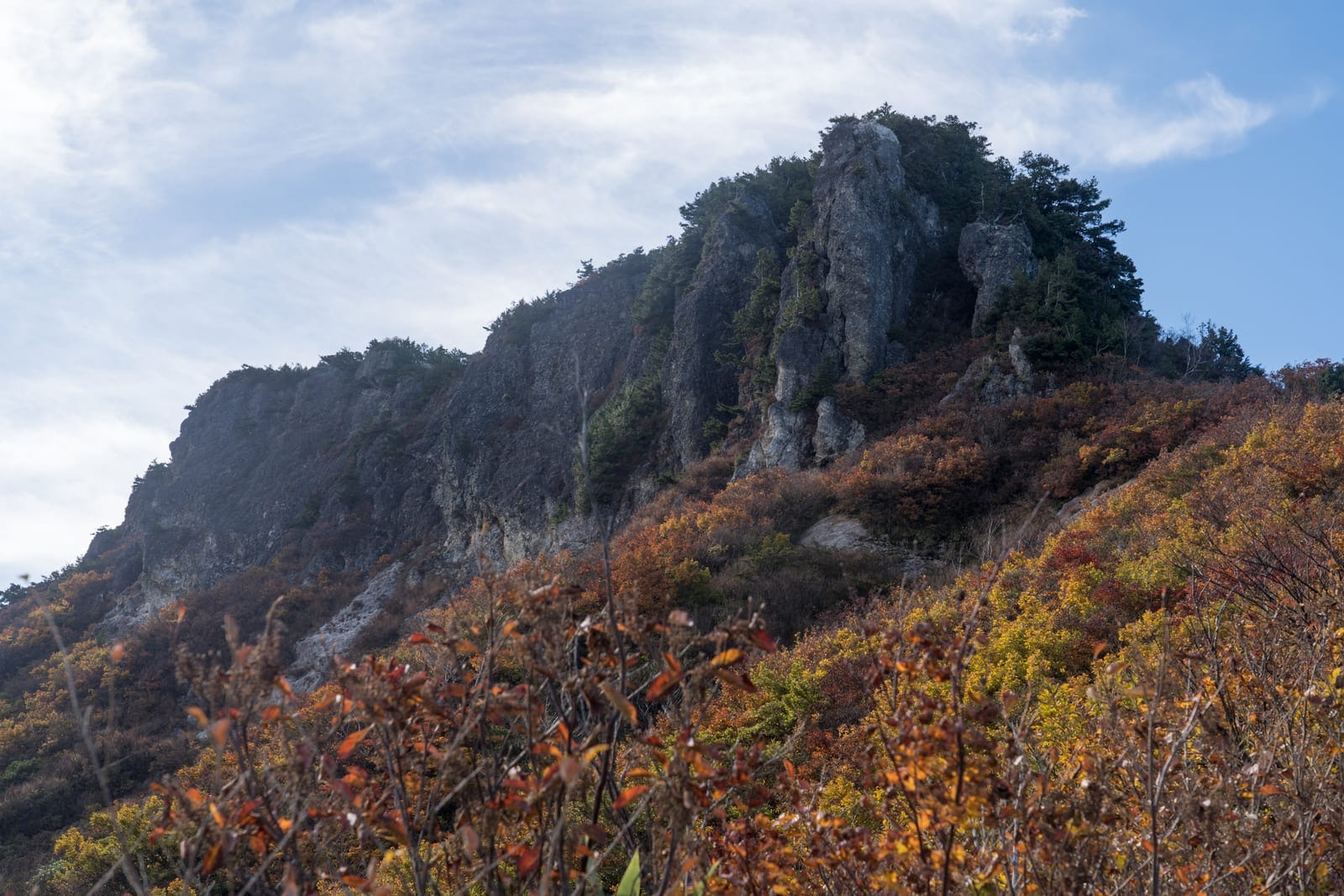
Hakusan (白山) — literally "White Mountain" — has been a sacred site for Shinto pilgrims for over 1,300 years. The scenery backing that spiritual reputation does not disappoint. The landscape across Ishikawa and Gifu rolls out like a panoramic oil painting: jagged ridgelines softened by subalpine forest, river valleys cutting through gorges, and — in season — wildflower meadows that rival anything you'd find in the Scottish Highlands or the Colorado Rockies.
The light here is cinematic. Dawn turns the snowfields amber; late afternoon wraps the whole valley in something approaching rose gold. Each hour genuinely looks different from the last, which is either a photographer's dream or a very good excuse to keep missing your departure time.
The roads in are part of the experience too. Routes wind through cedar-forested hillsides and hug river gorges before opening onto high plateaus — the kind of driving that makes you glad you didn't take the bullet train.
2. Top Photo Spots You Shouldn't Skip
Hakusan and the surrounding Ishikawa / Gifu area punch well above their weight for Instagram-worthy scenery, from well-signed viewpoints to off-the-radar corners only locals know about.
Main Summit Viewpoint: A sweeping 180-degree panorama across the Hakusan massif. Sunrise and sunset here are widely considered the best in the region — set an alarm.
Ancient Cedar Trail: A tunnel of century-old trees that earns its reputation in summer green and goes absolutely ablaze with color in fall. Think New England foliage, but quieter and with better soba afterward.
Reflection Pools / River Bends: Still water near the park's lowland trails acts as a perfect mirror for the peaks above — symmetrical shots that look almost too good to be real.
Summit Plateau Lookout: The highest accessible viewpoint delivers a full panorama across both Ishikawa and Gifu — worth the leg burn if you're doing any hiking.
3. Best Time to Visit
Every season brings something worth seeing, but the sweet spot is August through September. Here's why:
- Most stable weather of the year — ideal for driving and hiking
- Peak seasonal scenery: alpine wildflowers in August, early autumn color creeping in by late September
- Best natural light for photography between 6–9 a.m. and 4–6 p.m.
- Crowds are manageable — busy enough to feel lively, not so packed that parking becomes a nightmare
Winter brings a completely different mood: snow-buried landscapes that look otherworldly, but mountain passes can ice up fast — snow tires or chains are non-negotiable. Spring (cherry blossoms meet lingering snowpack) and fall (fiery foliage) are both excellent alternatives if August doesn't fit your schedule.
4. The Best Way to Explore – Self-Drive
Public transport into Hakusan's interior is limited, and being tied to a bus timetable here would be genuinely painful. Renting a car is the move. It lets you stop at every viewpoint on impulse, double back when the light suddenly turns perfect, and explore the single-lane back roads that buses simply don't reach.
The roads around the park are well-maintained and clearly signed. Mountain stretches have sensible pullouts and rest areas spaced at reasonable intervals — the infrastructure for a proper road trip is all there.
✨ Pro tip: Book a private car through OlaChill to explore Hakusan entirely on your own schedule — self-drive or with a driver, your call.
5. Sample 1–2 Day Itinerary
Day 1
- 6:00 a.m. – Head straight to the main viewpoint for sunrise over Hakusan — worth the early wake-up call
- 8:00 a.m. – Breakfast at a local restaurant; look for regional specialties like Kanazawa-style seafood rice or Hida beef if you're on the Gifu side
- 9:30 a.m. – Drive the main scenic loop, stopping at viewpoints along the way
- 12:00 p.m. – Lunch at a roadside rest area or local diner
- 2:00 p.m. – Explore secondary attractions: a nearby historic village, waterfall, or mountain lake
- 5:00 p.m. – Check in to a local ryokan (Japanese inn)
- 6:30 p.m. – Soak in an onsen (hot spring), then settle in for a kaiseki multi-course dinner
Day 2
- 7:00 a.m. – Early breakfast and an early start beats the day-trippers
- 8:30 a.m. – Secondary scenic route or a lesser-known viewpoint
- 11:00 a.m. – Shoot the reflection pools while the light is still good
- 1:00 p.m. – Lunch and a slower afternoon
- 3:00 p.m. – Head to your next destination or begin the return drive
6. Practical Tips
- 📷 Golden hour is non-negotiable: The 30 minutes on either side of sunrise and sunset produce the best light — plan around them
- 🚗 Book your rental car early: Peak season (August–September) fills up fast; reserve at least 1–2 weeks ahead
- ⛽ Fill up before you head in: Gas stations get sparse in the Ishikawa / Gifu backcountry — top off at every opportunity
- 📱 Download offline maps: Save Google Maps offline for the area before you leave cell range; coverage drops in the valleys
- 🍙 Stock up at a convenience store: 7-Eleven and FamilyMart are your best friends on Japanese road trips — grab onigiri, snacks, and canned coffee before the rural stretches begin
- ☁️ Check the forecast: Especially critical in winter or during the rainy season (June) — mountain weather moves fast
More from this region — Other
View all →
Haneda Airport Transfers for Groups by 45-Seat Charter Bus
8 min · tips
Haneda Airport Transfers for Groups: Is a 29-Seat Minibus the Right Fit?
8 min · tips
Hatsumōde – Welcoming the New Year at Japan's Most Sacred Snow-Dusted Shrines
7 min · culture

How Much Does a Helicopter Tour Cost in Japan?
11 min · tips