
A Day Trip from Tokyo to Nikko: How to Visit Toshogu Shrine and Kegon Falls
A sample itinerary for a day trip from Tokyo to Nikko, including access via the Tobu Railway Spacia limited express, how to visit Nikko's Two Shrines and One Temple—including Nikko Toshogu Shrine—the spectacular views at Kegon Falls, and how to choose the best yuba dishes. This guide also covers costs and tips for getting around efficiently.
Aug 8, 2026·✍️ olablog·⏱ 11 min read
A sample itinerary for a day trip from Tokyo to Nikko, including access via the Tobu Railway Spacia limited express, how to visit Nikko's Two Shrines and One Temple—including Nikko Toshogu Shrine—the spectacular views at Kegon Falls, and how to choose the best yuba dishes. This guide also covers costs and tips for getting around efficiently.
Tap a region to browse articles
Nikko is an appealing destination for a day trip from Tokyo, combining World Heritage historic buildings with beautiful natural scenery. From Asakusa Station, you can reach Tobu-Nikko Station in about 2 hours using the Tobu Railway Spacia limited express and other services. This article explains in detail how to visit Nikko's Two Shrines and One Temple, including Toshogu Shrine, what to see at Kegon Falls, where to enjoy the local specialty yuba, and how to make the most of your day with a smooth sample itinerary.
Comfortable Access on the Tobu Railway Spacia Limited Express: How to Get from Asakusa to Tobu-Nikko
When traveling to Nikko from the Tokyo area, the most convenient option is a limited express train operated by Tobu Railway. Direct trains run from Asakusa Station to Tobu-Nikko Station without requiring a transfer, allowing you to travel comfortably and make good use of your time on the way to your destination.
Tobu Railway's main limited express trains include the new “Spacia X,” the original “Spacia (Kegon),” and “Revaty (Kegon).” Since all take approximately 1 hour 50 minutes from Asakusa Station to Tobu-Nikko Station, you can choose based on the departure time and seat type you prefer.
| Item | Details and fares (as of July 2026) |
|---|---|
| Stations | Asakusa Station 〜 Tobu-Nikko Station |
| Travel time | Approximately 1 hour 47 minutes〜1 hour 55 minutes |
| Basic fare | Adult one-way 1,400 yen |
| Spacia X limited express surcharge | Standard seat: Adult one-way 1,940 yen Premium seat: Adult one-way 2,520 yen |
| Revaty limited express surcharge | Adult one-way 1,650 yen |
※Train schedules and fares may change, so please check the latest information before traveling.
If you are concerned about arranging train tickets or transferring between local transportation services, taking a tour is also a good option. You can find guided day tours by visiting See day tours departing from Tokyo.
Sample Nikko Day Trip from Tokyo (Time Schedule)
If you want to visit both the “Toshogu Shrine area (the Sannai district)” and “Kegon Falls (the Oku-Nikko area)” on a day trip to Nikko, the most efficient plan is to visit the shrines and temples in the morning, then head toward Lake Chuzenji and Kegon Falls in the afternoon.
Here is a typical time schedule for a Nikko day trip.
| Time | Itinerary and activities |
|---|---|
| 07:50 | Board a Tobu limited express train (such as the Spacia X) at Asakusa Station |
| 09:40 | Arrive at Tobu-Nikko Station. Board a Tobu Bus at the bus stop in front of the station, such as the World Heritage Loop Bus |
| 10:00 | Visit the “Shrines and Temples of Nikko” area (Nikkozan Rinnoji Temple, Nikko Toshogu Shrine, and Nikko Futarasan Shrine) |
| 12:30 | Enjoy Nikko's specialty “yuba lunch” at a restaurant near Toshogu Shrine or along the approach |
| 13:30 | Board a Tobu Bus bound for Chuzenji Onsen from the “Shinkyo” or “Nikko Station” bus stop (approximately 50 minutes) |
| 14:30 | Get off at the “Chuzenji Onsen” bus stop and walk to Kegon Falls. Take the Kegon Falls Elevator to the observation deck |
| 16:00 | Board a bus bound for Tobu-Nikko Station from the Chuzenji Onsen bus stop |
| 17:15 | Arrive at Tobu-Nikko Station. Browse souvenir shops and enjoy a light meal |
| 17:45 | Board a limited express train bound for Asakusa at Tobu-Nikko Station |
| 19:35 | Arrive at Asakusa Station and end the tour |
Buses bound for the Oku-Nikko area travel along mountain roads, including the Irohazaka Winding Road, so journey times can increase significantly during busy periods such as the autumn foliage season. If you expect crowds, allow plenty of extra time in your itinerary.
Visiting the World Heritage “Two Shrines and One Temple”: Highlights of Toshogu, Futarasan Shrine, and Rinnoji
The center of sightseeing in Nikko is the “Shrines and Temples of Nikko,” which was registered as a UNESCO World Cultural Heritage Site in 1999. It consists of two shrines and one temple—Nikko Toshogu Shrine, Nikko Futarasan Shrine, and Nikkozan Rinnoji Temple—all located within walking distance of one another.
Nikko Toshogu Shrine
This shrine is dedicated to Tokugawa Ieyasu, the first shogun of the Edo shogunate. Its grounds are lined with beautiful structures designated as National Treasures and Important Cultural Properties. Highlights include the Yomeimon Gate, decorated with more than 500 carvings; the “Three Wise Monkeys” (see no evil, speak no evil, and hear no evil), which satirize the stages of human life; the National Treasure “Sleeping Cat”; and Okumiya, where Ieyasu's mausoleum is located.
Nikkozan Rinnoji Temple
Rinnoji is a temple of the Tendai school of Buddhism and is also the collective name for the temples throughout Nikko. The main hall, Sanbutsudo, houses three enormous wooden Buddhist statues—Senju Kannon, Amida Nyorai, and Bato Kannon—representing the sacred forms of Nikko's three mountains. Taiyuin, the mausoleum of the third shogun, Tokugawa Iemitsu, is also located within the Rinnoji grounds, where visitors can admire its dignified architecture centered on gold and black.
Nikko Futarasan Shrine
This shrine enshrines Mount Nantai, Nikko's sacred mountain, as its divine object and is known for blessings related to matchmaking and good fortune. Just a few minutes' walk from Toshogu Shrine, it stands in a tranquil setting surrounded by giant trees. The vermilion Shinkyo Bridge, one of Nikko's most recognizable symbols, is also part of the shrine's structures.
| Facility | Visiting and opening hours (as of July 2026) | Admission fees (as of July 2026) |
|---|---|---|
| Nikko Toshogu Shrine | April〜October: 9:00〜17:00 November〜March: 9:00〜16:00 ※Admissions close 30 minutes before closing |
Adults and high school students: 1,600 yen Elementary and junior high school students: 550 yen |
| Rinnoji (Sanbutsudo) | April〜October: 8:00〜17:00 November〜March: 8:00〜16:00 ※Admissions close 30 minutes before closing |
Adults and high school students: 400 yen Elementary and junior high school students: 200 yen |
| Rinnoji (Taiyuin) | April〜October: 8:00〜17:00 November〜March: 8:00〜16:00 ※Admissions close 30 minutes before closing |
Adults and high school students: 550 yen Elementary and junior high school students: 250 yen (Combination ticket with Sanbutsudo: 900 yen) |
| Nikko Futarasan Shrine | April〜October: 8:00〜17:00 November〜March: 8:00〜16:30 ※Admissions close 30 minutes before closing |
Grounds: Free (Treasure Garden admission: Adults 300 yen, elementary and junior high school students 100 yen) |
If you want to avoid queues when buying tickets on-site, reserving them online in advance is convenient. Use Reserve sightseeing tickets and passes to prepare ahead of time and enjoy smoother entry.
Oku-Nikko's Spectacular Kegon Falls: Viewing Tips for the Elevator and Observation Deck
After exploring the Two Shrines and One Temple, take a bus to the Lake Chuzenji area in Oku-Nikko. Kegon Falls, counted among Japan's three most famous waterfalls, is a must-see attraction when visiting Nikko.
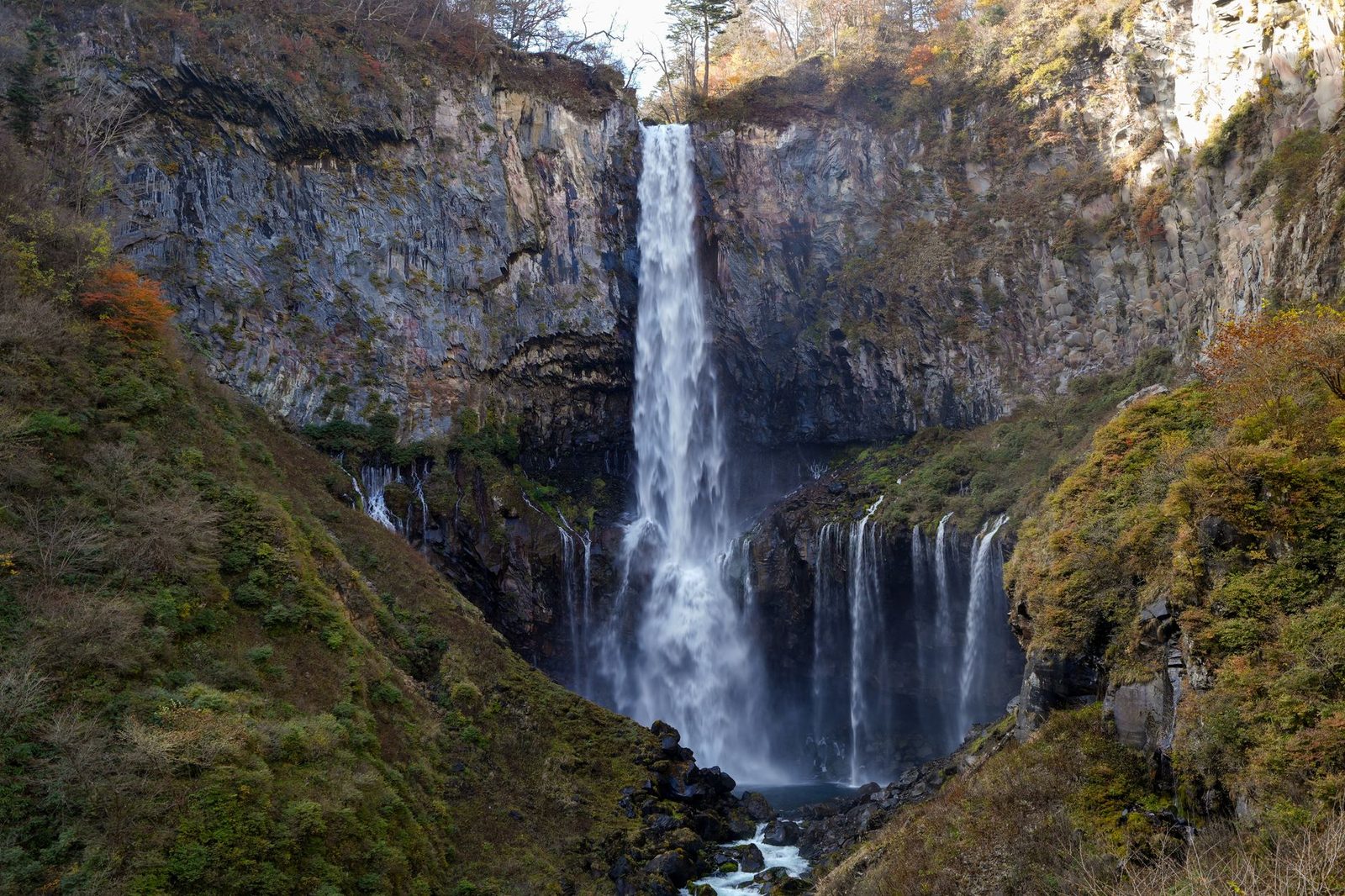
Kegon Falls is a dramatic waterfall where water from Lake Chuzenji plunges down a 97-meter cliff. You can view the falls from a free observation deck near the top, but to experience their full power, taking the Kegon Falls Elevator is highly recommended.
The Kegon Falls Elevator has been operating since 1930. It descends 100 meters through the bedrock and takes visitors to an observation deck near the base of the falls. After exiting the elevator and walking along the passageway, you can look up at the magnificent waterfall from directly in front as it crashes down with a thunderous roar and sends spray into the air. The intricate beauty of the Twelve Falls, where groundwater trickles down in numerous streams around the main waterfall, is another highlight.
| Item | Details (as of July 2026) |
|---|---|
| Location | 2479-2 Chugushi, Nikko, Tochigi Prefecture |
| Access | Approximately 50 minutes by bus bound for “Chuzenji Onsen” from Tobu-Nikko Station, then approximately 5 minutes on foot after getting off at “Chuzenji Onsen” |
| Elevator round-trip fare | Adults (junior high school students and older): 600 yen Elementary school students: 400 yen (free for children under elementary school age) |
| Elevator operating hours | March 1〜November 30: 8:00〜17:00 December 1〜February 28: 9:00〜16:30 ※Hours may vary depending on the season and weather |
Because the observation deck can get wet from the spray, it may feel a little chilly even in summer. Bringing an extra layer is a good idea.
Recommended Ways to Enjoy Nikko's Specialty: Yuba
When visiting Nikko, a lunch featuring the local specialty, yuba, is a must.
Nikko's yuba differs slightly from Kyoto's yuba in both spelling and production method. In Kyoto, the film that forms on the surface of soy milk is lifted in a single sheet from one edge. In Nikko, a skewer is inserted into the center of the film and it is lifted in a way that folds it in half. This traps air in the middle, giving Nikko yuba a thicker, fuller texture.
Restaurants throughout Nikko and around the approaches to the shrines and temples serve a wide variety of yuba dishes, from traditional Japanese cuisine to modern interpretations.
- Yuba set meals and yuba kaiseki: Set meals and courses featuring small portions of yuba prepared in various ways, such as fresh pulled yuba, simmered fried rolled yuba, and yuba tempura. These are ideal for those who want to fully enjoy traditional flavors.
- Nikko yuba rolls: Creative dishes in which yuba is wrapped around Wagyu beef, seasonal local vegetables, and other ingredients. Their attractive presentation makes them popular with younger diners and tourists.
- Yuba rice balls: A Nikko-style fast food made by wrapping glutinous rice cooked in dashi in fresh yuba. They are also available for takeout, making them a convenient snack while sightseeing.
Restaurants around the approaches to the shrines and temples tend to be crowded at lunchtime. To keep your schedule on track, consider eating early at around 11:30 or choosing a restaurant that accepts advance reservations.
Estimated Costs for a Nikko Day Trip
Here is a rough estimate of the per-person cost of a day trip from Tokyo (Asakusa) to Nikko, including visits to Toshogu Shrine and Kegon Falls.
| Item | Estimated cost (1 adult, as of July 2026) |
|---|---|
| Tobu limited express (round trip between Asakusa〜Tobu-Nikko) | Approximately 6,680 yen (basic fare + Spacia X standard surcharge) |
| Local bus fares (round trip between Tobu-Nikko Station〜Chuzenji Onsen) | Approximately 2,400 yen |
| Admission and entrance fees (Toshogu + Rinnoji + Kegon Falls Elevator) | Approximately 2,600 yen〜3,000 yen |
| Lunch and café expenses (yuba lunch, etc.) | Approximately 2,000 yen〜3,500 yen |
| Souvenirs and miscellaneous expenses | Approximately 2,000 yen〜3,000 yen |
| Total | Approximately 15,680 yen 〜 18,580 yen |
For transportation, using a pass issued by Tobu Railway—such as the Nikko World Heritage Area Pass or the Chuzenji Onsen Free Pass—may help reduce travel costs. Consider choosing a discounted ticket that matches your destinations.
Frequently Asked Questions
Q. Is it possible to visit both Toshogu Shrine and Kegon Falls on a day trip? A. Yes, it is. If you leave Asakusa in the morning, visit the Toshogu Shrine area (the Two Shrines and One Temple) during the morning, and travel by bus to Kegon Falls in the afternoon, you can comfortably see both major attractions in a single day.
Q. Do I need to reserve Tobu limited express tickets in advance? A. Advance reservations are strongly recommended. All seats on the Spacia X and Revaty are reserved, and trains can sell out, especially on weekends, public holidays, and during tourist seasons such as the fresh greenery and autumn foliage periods. For peace of mind, purchase your limited express ticket online or at a station counter by the day before you travel.
Q. Is there anything I should be aware of when visiting in winter or during the autumn foliage season? A. During the autumn foliage season (late October〜early November), major traffic jams can occur on the Irohazaka Winding Road between central Nikko and Oku-Nikko, delaying buses. Allow plenty of extra time in your schedule. In winter (December〜March), temperatures in Oku-Nikko can fall below freezing, while snow and icy roads are common, so bring warm clothing and shoes with good traction.
Q. Can I use a credit card to pay admission fees and other expenses on-site? A. Admission tickets purchased at the Nikko Toshogu Shrine on-site ticket counter generally require cash (excluding advance online tickets). Cash is also often needed at long-established restaurants along the approach, on local buses, and at shops around Kegon Falls, so it is recommended that you prepare plenty of cash in advance.
More from this region — Tokyo & Kanto
View all →
Odaiba 1-Day Plan: teamLab, Gundam, and Night Views
7 min · destinations
Okutama and Mount Mitake: A Spectacular Day Trip That Doesn't Feel Like Tokyo
8 min · destinations
Shinjuku's Omoide Yokocho: Your First Yakitori Bar-Hopping Experience
9 min · food
Omotesando and Aoyama: Flagship Architecture and Select Shops
10 min · tips