
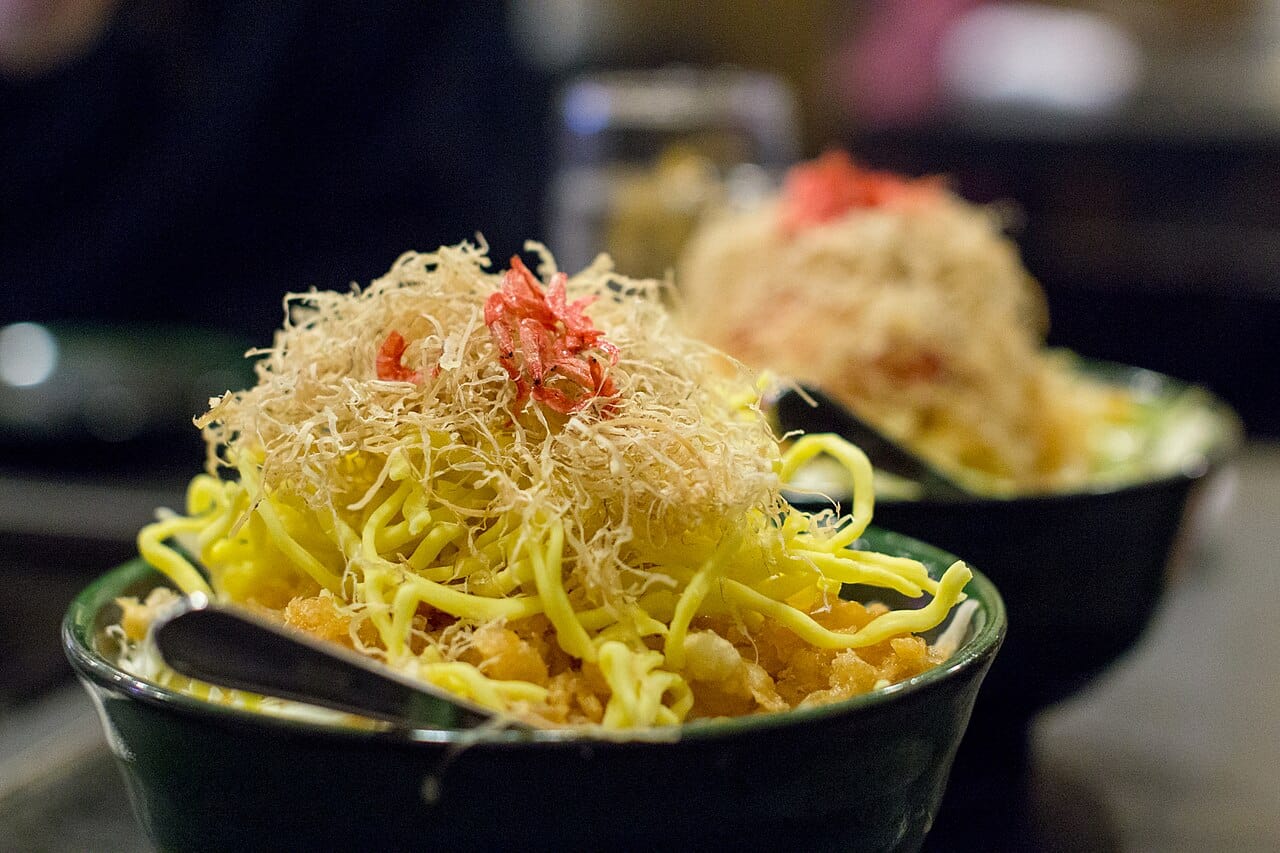
Tsukishima Monja Street: Complete Cooking & Dining Guide
A comprehensive guide to Tsukishima Monja Street, the birthplace of Tokyo's signature monjayaki. Learn step-by-step cooking techniques, top local restaurants, key differences from okonomiyaki, and practical tips for visitors.
Jul 24, 2026·✍️ olablog·⏱ 11 min read
A comprehensive guide to Tsukishima Monja Street, the birthplace of Tokyo's signature monjayaki. Learn step-by-step cooking techniques, top local restaurants, key differences from okonomiyaki, and practical tips for visitors.
Tap a region to browse articles
Located in the charming, traditional downtown district (shitamachi) of Tokyo, 月島もんじゃストリート (Tsukishima Monja Street) is widely celebrated as the ultimate sacred holy land of monjayaki, bustling with enthusiastic food lovers every single day. Filled with appetizing savory aromas drifting through the streets, this vibrant avenue is lined with dozens of unique monjayaki eateries that draw in local regulars as well as international tourists from around the globe. To ensure even first-time visitors can dive into Tsukishima monja with complete confidence, this ultimate guide covers everything you need to know: step-by-step cooking instructions for beginners, top recommended restaurants, crucial differences between monjayaki and okonomiyaki, and practical tips to maximize your culinary experience.
What is Tsukishima Monja Street? (月島もんじゃストリートとは?)
月島もんじゃストリート (Tsukishima Monja Street) is a dense culinary enclave dedicated to monjayaki, situated right outside 月島駅 (Tsukishima Station) on the 東京メトロ有楽町線 (Tokyo Metro Yurakucho Line) and 都営大江戸線 (Toei Oedo Line). Centered around the Nishinaka-dori shopping street, over 50 specialized monjayaki restaurants stand side-by-side along this historic boulevard. Each shop offers its own secret recipes and signature ingredient combinations, creating a remarkably diverse selection ranging from classic mentaiko (spicy cod roe), mochi, and melted cheese to lavish seafood blends and creative fusion variations. Monjayaki itself is an interactive, incredibly fun Japanese soul food cooked directly on a table-side iron teppan griddle: you fry the savory ingredients, build a protective wall (dote), pour in the liquid batter, and watch it transform into a deliciously caramelized treat.
Monjayaki Basics: Beginner's Cooking Guide
Cooking monjayaki is much easier than it appears at first glance. While friendly restaurant staff are often available to assist or prepare it for you, cooking it yourself at your table is half the fun! Here is a foolproof step-by-step cooking guide so beginners can grill like a seasoned local without any mistakes.
1. 具材を炒める (Fry the Ingredients) First, brush a light coating of cooking oil onto the preheated teppan griddle. Empty all the solid ingredients from your bowl (cabbage, pork, seafood, seasonings, etc.) onto the hot surface, keeping the liquid batter inside the bowl for later. Use your metal spatulas (hera) to chop and stir-fry the ingredients finely. The key here is to fry everything thoroughly until the shredded cabbage softens and releases its sweetness.
2. 土手を作る (Build the Wall / Dote) Next, gather the fried ingredients and shape them into a hollow doughnut-like circle in the center of the griddle, forming a sturdy ring wall called a dote (土手). The trick is to press and shape the ingredients firmly so that the thin liquid batter will not leak out across the iron plate.
3. 生地を流し込む (Pour the Liquid Batter) Slowly pour the remaining watery batter—a savory mixture of flavorful dashi broth and wheat flour—into the empty center of your ingredient ring wall. Be careful to pour gently in stages so the liquid inside does not overflow the outer wall.
4. 具材と混ぜる (Mix Ingredients and Batter Together) Once the liquid batter inside the center begins to heat up, thicken, and bubble slightly, gently break down the surrounding ingredient wall and mix everything evenly together. Stirring the batter thoroughly with the cooked cabbage and meats ensures that the rich dashi broth permeates every single bite.
5. 薄く広げて焼く (Spread Thinly and Brown) Spread the mixed monjayaki thinly across the griddle surface using your spatulas. Let it sizzle quietly until the bottom layer forms your desired crispy golden crust (okoge). Once ready, use your small mini-spatula (kote) to scrape up small bite-sized portions directly off the hot griddle and enjoy it piping hot. The crispy, caramelized bottom layer is particularly savory and aromatic!
Exploring Top Tsukishima Monja Restaurants (月島もんじゃの名店を巡る)
月島もんじゃストリート (Tsukishima Monja Street) is home to numerous outstanding eateries, each possessing its own unique charm, secret broth recipes, and signature topping options. Here are a few top-rated choices that every visitor should check out:
月島もんじゃ もへじ (Tsukishima Monja Moheji) A hugely popular establishment that protects traditional monja flavor while constantly developing exciting new menus. Their "Mentaiko, Mochi, and Cheese Monja" is an absolute classic crowd-pleaser that attracts long lines of fans. The atmosphere inside is lively and welcoming, making it effortless for first-time international travelers to step right in.
もんじゃ 蔵 (Monja Kura) Set inside a beautifully renovated traditional Japanese storehouse (kominka), this shop allows diners to savor exceptional monja in a relaxed, tasteful atmosphere. They are famous for their rich seafood monja options, packed with the concentrated natural umami of fresh fish and shellfish.
月島もんじゃ 錦 (Tsukishima Monja Nishiki) A famous spot frequently featured across Japanese television and travel magazines, staying constantly energetic and busy. Alongside timeless classics, they serve an extensive lineup of creative original variations, ensuring new flavor discoveries on every visit. Their loaded "Special Monja" is a decadent option packed with a lavish variety of premium ingredients.
Beyond these highlighted spots, dozens of other enticing eateries populate 月島もんじゃストリート (Tsukishima Monja Street). Comparing the menus, unique ambiance, and secret broth bases of different establishments to find your ultimate personal favorite is one of the greatest pleasures of visiting this district.
Monjayaki vs. Okonomiyaki: What is the Difference?
While both monjayaki and okonomiyaki are beloved savory flour-based dishes (konamon) cooked on a hot teppan griddle, they differ significantly in appearance, preparation, and mouthfeel texture.
| Feature | もんじゃ焼き (Monjayaki) | お好み焼き (Okonomiyaki) |
|---|---|---|
| Batter (生地) | Watery, runny batter with high liquid content and less flour | Thick, dense batter with lower liquid content and more flour |
| Cooking Method (焼き方) | Build a ring wall with ingredients, pour batter in center, mix, spread thin | Mix ingredients into batter first, then pour into a thick round pancake |
| Texture (食感) | Gooey, soft, melted center with a crispy, fragrant bottom crust | Soft, fluffy, cake-like, satisfyingly dense and filling |
| Eating Style (食べ方) | Scrape small bites directly from griddle using small mini-spatulas (kote) | Slice into wedges/squares using large metal spatulas |
| Main Ingredients (主な具材) | Shredded cabbage, pork, seafood, mentaiko, mochi, cheese, etc. | Shredded cabbage, pork belly, eggs, tenkasu tempura scraps, etc. |
Because monjayaki uses a much higher liquid-to-flour ratio, its texture stays pleasantly gooey and melt-in-your-mouth inside while developing an irresistibly aromatic crisp on the bottom. In contrast, okonomiyaki produces a thick, pancake-like structure that delivers a firm, fluffy bite. Both serve as iconic Japanese comfort foods, yet each offers a completely unique sensory and dining experience.
Access to Tsukishima Monja Street
Reaching 月島もんじゃストリート (Tsukishima Monja Street) is remarkably fast and straightforward from central Tokyo transit hubs.
By Train (電車をご利用の場合)
- Approximately 1 minute on foot from Exit 7 of 月島駅 (Tsukishima Station) on the 東京メトロ有楽町線 (Tokyo Metro Yurakucho Line).
- Approximately 1 minute on foot from Exit 8 of 月島駅 (Tsukishima Station) on the 都営大江戸線 (Toei Oedo Line). (Note: Tap your Suica, PASMO, or IC card for quick entry, or use your JR Pass to connect via main hubs like 東京駅 (Tokyo Station)).
By Bus (バスをご利用の場合)
- Just a short walk from the "Tsukishima Ekimae" (月島駅前) Toei Bus stop.
Since 月島 (Tsukishima) sits in close proximity to major tourist destinations like 東京駅 (Tokyo Station) and 銀座 (Ginza), it serves as a perfect culinary pitstop during a day of sightseeing. When traveling around Tokyo, be sure to drop by Tsukishima Monja Street to savor an authentic local dining tradition. View Day Tours from Tokyo
Tips for Enjoying Tsukishima Monja to the Fullest
Here are several handy expert tips to help you get the absolute most out of your Tsukishima monja adventure:
Hop between multiple restaurants (複数店舗をはしごする) Because Tsukishima boasts so many distinct shops, don't limit yourself to just one location! Hopping between two or three spots allows you to compare subtle differences in dashi broth, batter texture, and specialty topping combinations across different kitchens.
Try the teppan side dishes (サイドメニューも楽しむ) In addition to monja, make sure to sample the wide array of griddle-cooked appetizers, teppanyaki meats, and seasonal side dishes offered at each establishment. They pair fantastically with ice-cold draft beer, highballs, or Japanese sake.
Stroll through the historic neighborhood (周辺散策も楽しむ) Beyond culinary treats, Tsukishima retains a wonderful old-world retro charm featuring narrow alleyways and traditional nostalgic shopping arcades. After satisfying your appetite, take a leisurely stroll around the neighborhood, walk along the scenic 隅田川 (Sumida River) waterfront, or venture over to neighboring 佃島 (Tsukudajima).
Consider making advance reservations (予約を検討する) Popular monja restaurants get extremely crowded during weekends, national holidays, and peak dinner hours. To avoid long waits in line and ensure smooth seating, booking a table in advance via restaurant websites or dining portals is highly recommended. Book Travel Tickets & Passes
Frequently Asked Questions (よくある質問)
Q. Can solo travelers enjoy monjayaki alone? (もんじゃ焼きは一人でも楽しめますか?) A. Yes, solo diners can easily enjoy monjayaki! Many restaurants offer counter seating or compact individual teppan griddles for single guests. However, visiting with a partner or group allows you to order multiple topping variations and share a wider variety of flavors.
Q. Is monjayaki high in calories? (もんじゃ焼きのカロリーは高いですか?) A. Compared to okonomiyaki, monjayaki uses significantly less flour in its batter, which generally keeps its base calorie count slightly lower. However, total calories vary depending on added toppings like cheese, butter, or pork. If you are watching your calorie intake, opting for vegetable-heavy or seafood monja is a healthy choice.
Q. Are restaurants child-friendly? (子供連れでも大丈夫ですか?) A. Yes, the vast majority of monjayaki restaurants welcome families with children. Many feature cozy tatami seating (zashiki) and kid-friendly menu choices. Just keep a close eye on young children around the hot central teppan griddle to prevent accidental burns.
Q. What are good souvenir recommendations? (お土産におすすめのものはありますか?) A. Around Tsukishima Monja Street, local shops sell take-home monjayaki ingredient kits (complete with specialized sauce, dashi powder, and small spatulas), as well as nostalgic local sweets. They make ideal souvenirs if you want to recreate authentic Tokyo monja back home or gift a unique edible treat to friends.
Q. What is the average price range as of July 2026? (2026年7月時点での料金相場はどのくらいですか?) A. As of July 2026, a single order of monjayaki in Tsukishima typically costs between ¥1,000 and ¥2,000 (approx. $6.70 to $13.30 USD, based on $1 USD ≈ 150 JPY), depending on the ingredients and restaurant. Including drinks and side dishes, expect an average total budget of around ¥2,000 to ¥4,000 per person (approx. $13.30 to $26.70 USD).
More from this region — Tokyo & Kanto
View all →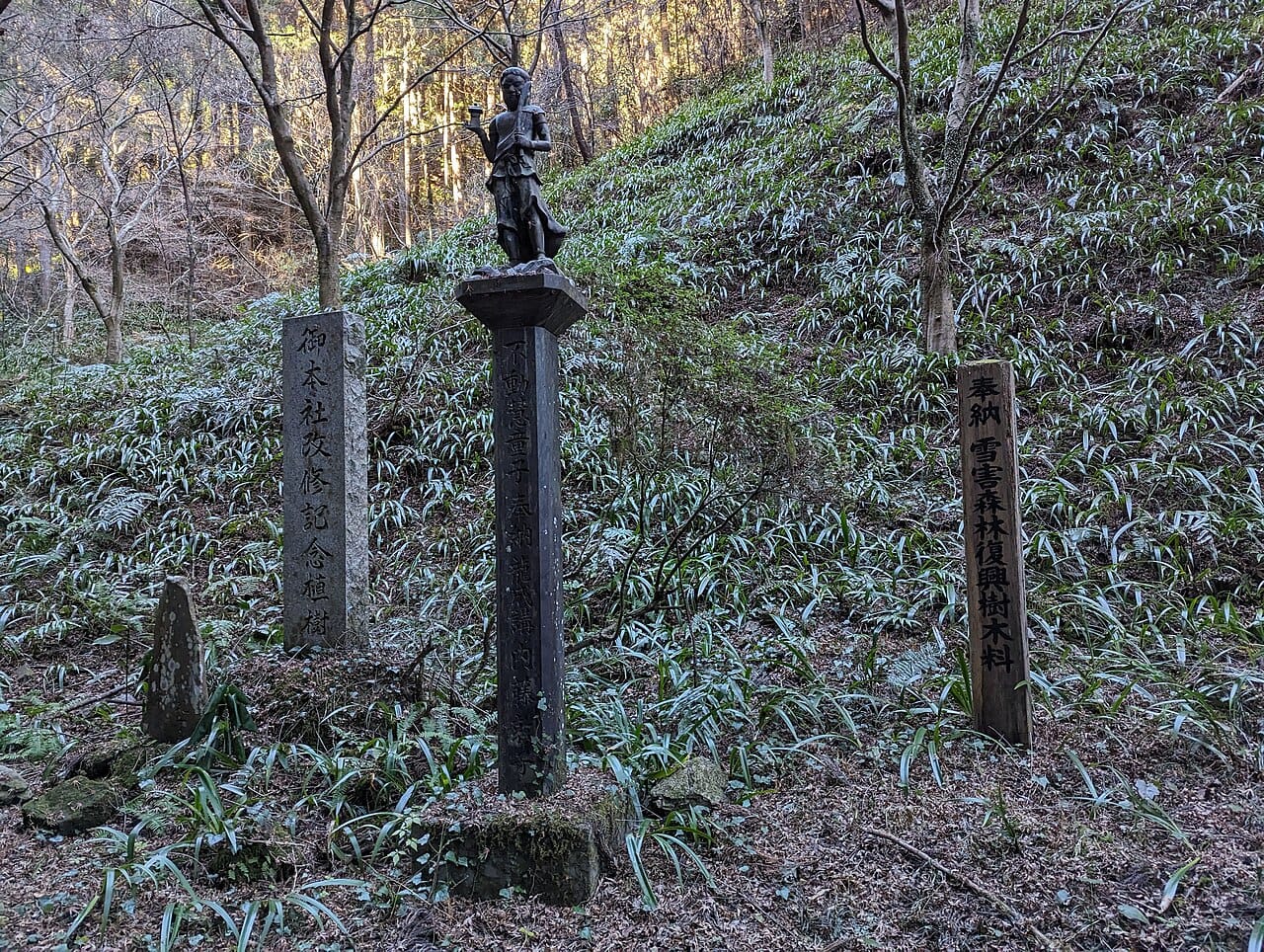
Mount Takao Day Trip Guide: Trail Difficulties and Tororo Soba
16 min · destinations
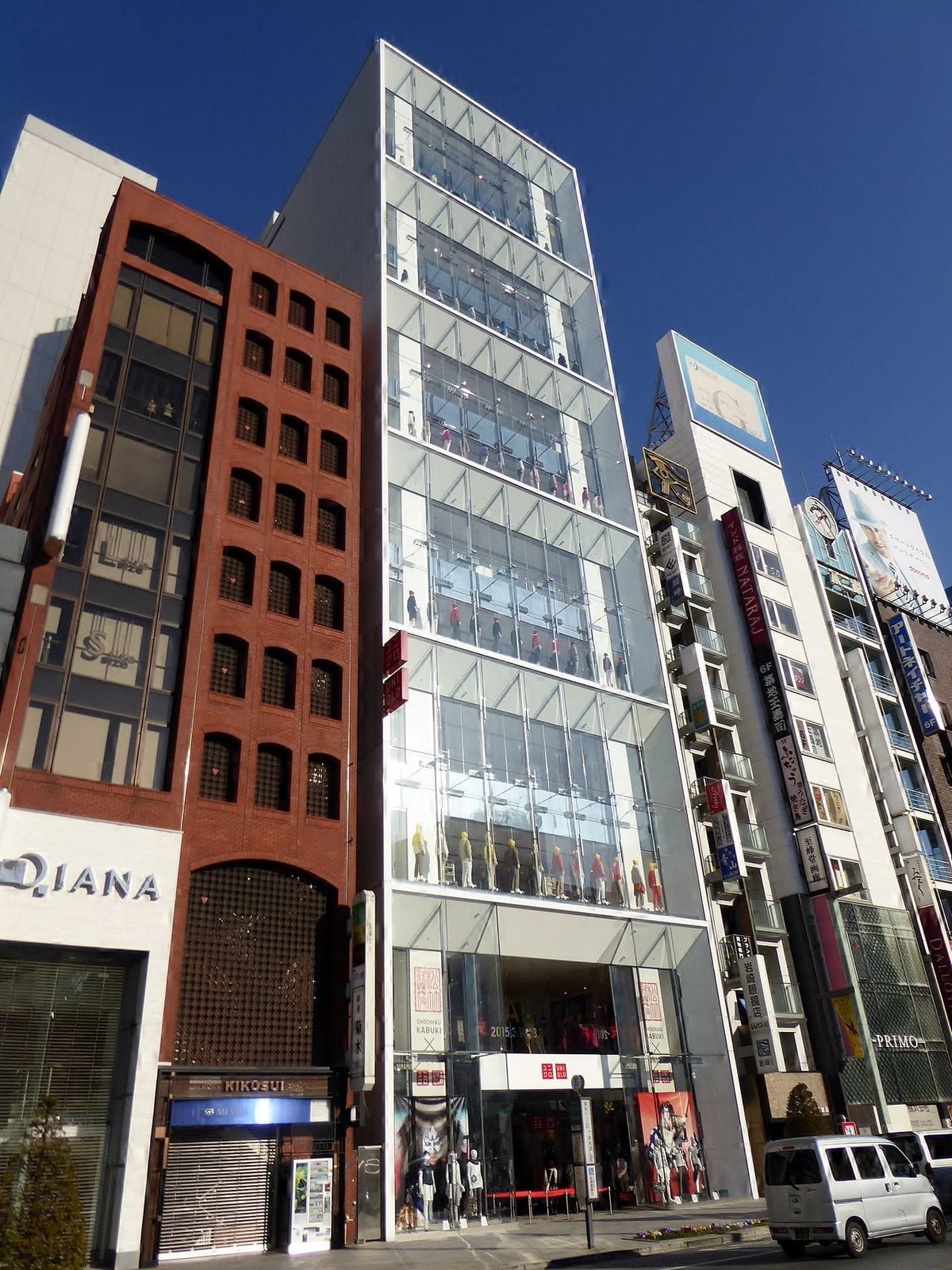
MUJI and UNIQLO Flagship Store Guide: What to Buy in Ginza
5 min · tips
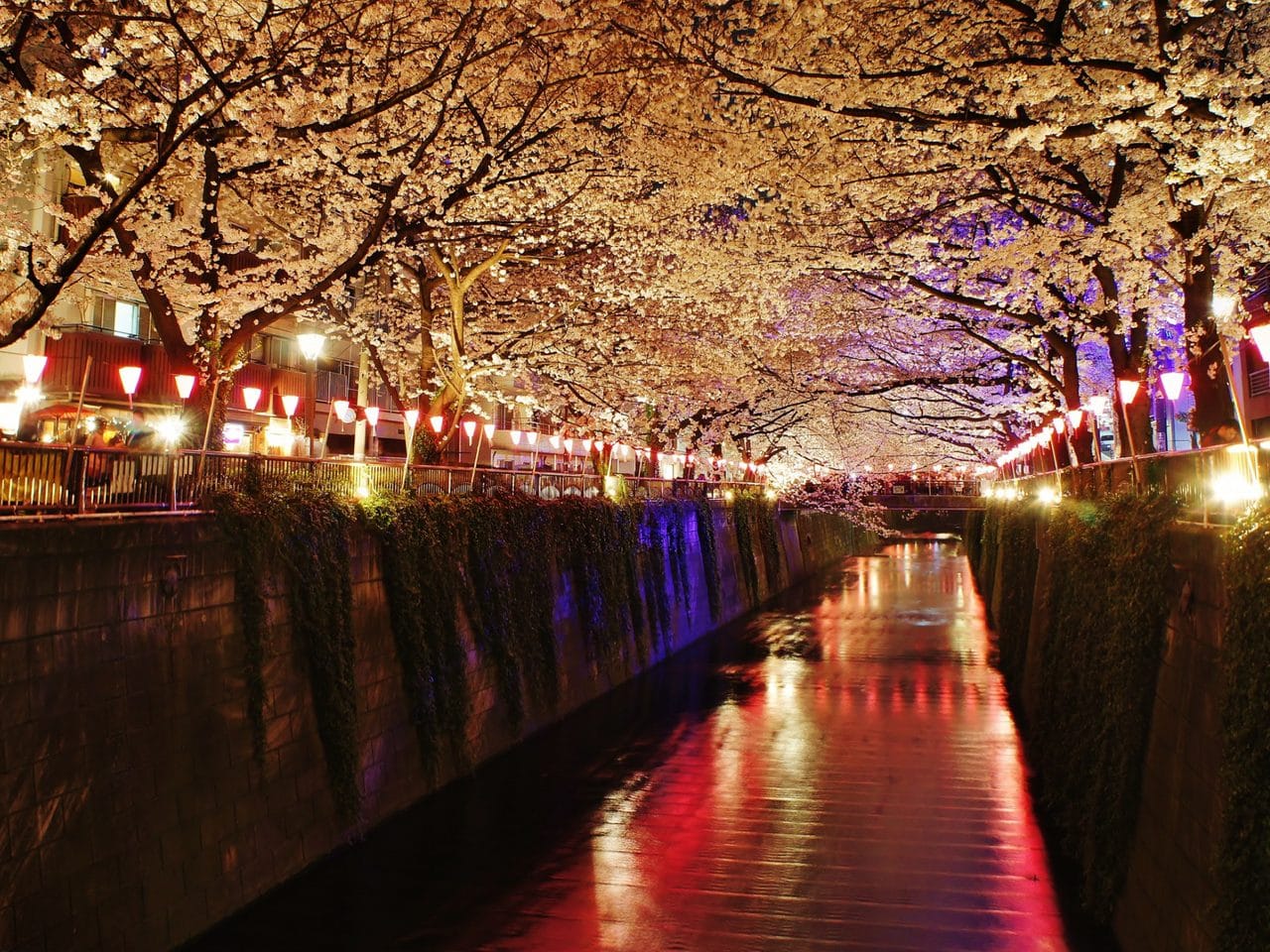
Nakameguro: Cafés and Select Shops Along the Meguro River
10 min · destinations
Nakano Broadway: Treasure Hunting in the Heart of Japanese Subculture
7 min · tips