Asakusa & Senso-ji Temple Complete Guide
This complete guide covers everything you need to maximize your Asakusa sightseeing experience, from the Senso-ji Temple pilgrimage route, street food at Nakamise Shopping Street, recommended local cuisine, tips to avoid crowds, to rickshaw experiences. We provide the latest information as of July 2026.
Jul 24, 2026·✍️ olablog·⏱ 11 min read
This complete guide covers everything you need to maximize your Asakusa sightseeing experience, from the Senso-ji Temple pilgrimage route, street food at Nakamise Shopping Street, recommended local cuisine, tips to avoid crowds, to rickshaw experiences. We provide the latest information as of July 2026.
Tap a region to browse articles
Asakusa, a symbolic tourist destination in Tokyo, attracts countless people from both Japan and abroad. At its heart lies Senso-ji Temple (浅草寺), the oldest temple in Tokyo. The classic pilgrimage route, starting from Kaminarimon (雷門), passing through the vibrant Nakamise Shopping Street (仲見世商店街), and leading to the majestic Main Hall, is a journey that encapsulates Japanese culture, a must-experience for any visitor. This article provides a complete guide to fully savor Asakusa, covering everything from the Senso-ji Temple pilgrimage route, street food at Nakamise, recommended local cuisine, and even tips for avoiding crowds to enjoy your visit at a leisurely pace.
Your Asakusa Stroll Begins at Kaminarimon
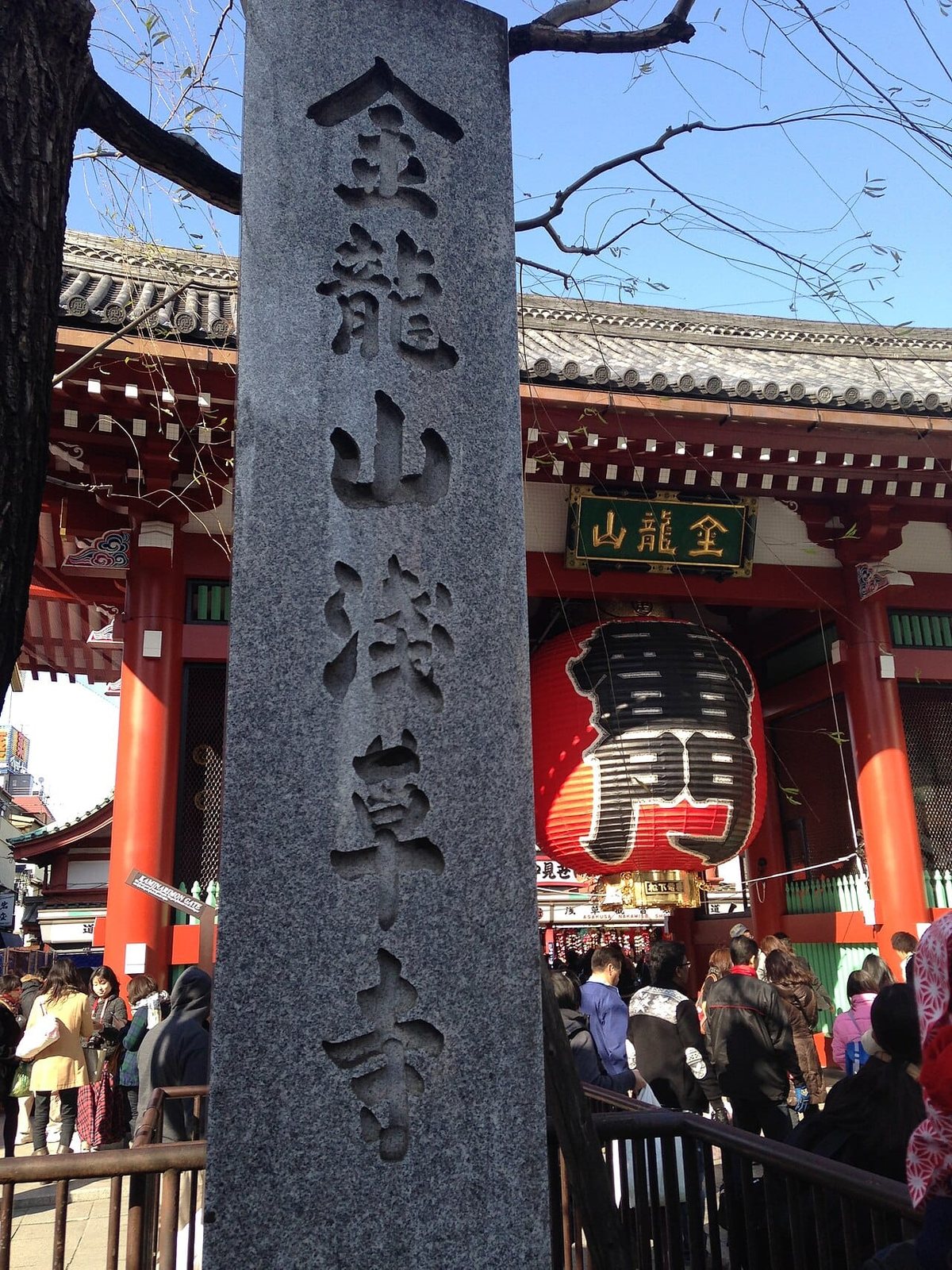
The starting point for sightseeing in Asakusa is, of course, Kaminarimon (雷門). Officially named Fūraijinmon (風雷神門), Kaminarimon is awe-inspiring with its massive lantern and the statues of Fujin (Wind God) and Raijin (Thunder God) standing on either side. It's a popular spot where many tourists stop for commemorative photos. Passing through the gate, a bustling world unlike any other unfolds before you. Kaminarimon, as the main gate of Senso-ji Temple, has a long history, said to have been founded in 942 by the military commander Taira no Kinmasa (平公雅). The current gate was rebuilt in 1960 through a donation by Konosuke Matsushita (松下幸之助).
After passing through Kaminarimon, as you make your way towards Senso-ji Temple, the first thing that catches your eye is Nakamise Shopping Street (仲見世商店街).
Street Food & Souvenir Hunting at Nakamise Shopping Street
Nakamise Shopping Street, stretching approximately 250 meters from Kaminarimon to Hozomon (宝蔵門), is known as one of Japan's oldest shopping streets. With a history dating back to the Edo period, it currently boasts about 90 shops offering traditional crafts, souvenirs, and delicious street food.
Recommended Street Food at Nakamise Shopping Street
- Ningyo-yaki (人形焼): A traditional Asakusa specialty, Ningyo-yaki is perfect for souvenirs. They come filled with red bean paste or in cute shapes like pagodas.
- Agemanju (揚げまんじゅう): These deep-fried buns are crispy on the outside and fluffy on the inside, available in various flavors.
- Kaminari-okoshi (雷おこし): Made using traditional methods, Kaminari-okoshi is a classic Asakusa souvenir. It's subtly sweet and ideal as a snack with tea.
- Senbei (煎餅): Hand-baked rice crackers, or senbei, have an appetizing savory soy sauce aroma. Many are conveniently sized for street eating.
When enjoying street food, please observe good manners, such as eating while standing in front of the shop and disposing of your trash in designated bins.
Souvenirs at Nakamise Shopping Street
- Japanese sundries: Japanese-style goods like fans, tenugui (hand towels), and furoshiki (wrapping cloths) with traditional designs are popular with international tourists.
- Traditional crafts: Traditional crafts like Yosegi-zaiku (寄木細工, parquetry) and Edo Kiriko (江戸切子, cut glass), showcasing the exquisite skill of artisans, will make for special mementos.
After exiting Nakamise Shopping Street, the next gate you'll encounter is Hozomon (宝蔵門). Nio statues (仁王像, guardian deities) stand on either side, and on the back of the gate, giant straw sandals (草履) are dedicated. These are said to have the meaning of warding off evil.
To Senso-ji Temple's Main Hall: A Pilgrimage to Feel History and Blessings
Passing through Hozomon, Senso-ji Temple's Main Hall (本堂) finally appears before you. The Main Hall is where Kannon (観音, the Goddess of Mercy) is enshrined, and its official name is Kannon-do (観音堂). Senso-ji Temple is the oldest temple in Tokyo, believed to have been founded approximately 1,400 years ago, with its history tracing back to the Asuka period.
History of Senso-ji Temple
According to legend, in 628, while two fishermen brothers were fishing in the Sumida River (隅田川), a Buddhist statue became caught in their net. This was the statue of the Holy Kannon Bodhisattva (聖観世音菩薩像), and the founding of Senso-ji Temple is said to have begun with the enshrinement of this statue. Since then, it has attracted the faith of many people, and during the Edo period, it was designated as a prayer temple for the shogunate by Tokugawa Ieyasu (徳川家康), flourishing greatly.
How to Worship
- Jōkōro (常香炉): At the large incense burner in front of the Main Hall, bathe in the smoke to purify your mind and body and pray for good health.
- Offering: Place your offering (osaisen) in the box in front of the Main Hall and quietly put your hands together in prayer.
- Omikuji (おみくじ): Senso-ji Temple's fortune slips are said to have an equal distribution of good and bad fortunes. It might be fun to try your luck.
Within the precincts of Senso-ji Temple, there are many other attractions besides the Main Hall, such as the Five-Storied Pagoda (五重塔) and Asakusa Shrine (浅草神社). The Five-Storied Pagoda boasts a height of approximately 53 meters (about 174 feet) and presents a fantastical appearance when lit up at night. Asakusa Shrine is a shrine dedicated to the three benefactors involved in the founding of Senso-ji Temple (the Hinokuma Hamanari and Takenari brothers, and Hajino Manakachi), and the valiant Sanja Matsuri (三社祭) is held there every May.
Tips to Avoid Crowds: Morning and Evening are Key
Senso-ji Temple is bustling with many tourists throughout the year, but it gets particularly crowded on weekends, holidays, and during the daytime. If you wish to worship at a leisurely pace or enjoy taking photos, we recommend aiming for the following times:
If You Want to Avoid Crowds
- Early Morning: Senso-ji Temple opens at 6:00 AM (6:30 AM from October to March). During this time, there are fewer tourists, allowing for a peaceful worship experience. Most shops on Nakamise Shopping Street open around 9:00 AM, so it's efficient to complete your worship while the shops are closed and then enjoy street food and souvenir shopping after they open.
- Evening and Later: In the evening, the daytime tour groups start to disperse, and the atmosphere becomes relatively calmer. In particular, Kaminarimon and the Five-Storied Pagoda, when lit up, are enchanting and offer a different charm than during the day. While the Main Hall closes at 5:00 PM, the temple grounds are generally open all day.
Savor Asakusa's Atmosphere: Rickshaw Experience
If you want to experience the streets of Asakusa more deeply and create special memories, a rickshaw experience is highly recommended. There are many rickshaw stands around Kaminarimon, where skilled rickshaw pullers (車夫, shafu) will guide you through Asakusa's history, culture, and hidden gems.
Highlights of the Rickshaw Experience
- Courses: There are various plans, from short 10-minute courses to longer 30-minute or 60-minute options. Depending on your preference, you can explore not only the area around Senso-ji Temple but also spots with views of Tokyo Skytree (東京スカイツリー) or back alleys that retain the charm of old downtown.
- Fares: Fares vary depending on the course length and the number of people.
- Estimated Fares (as of July 2026):
- 10-minute course (1-2 people): Approximately $30-$50 per person (1 USD ≈ 150 JPY)
- 30-minute course (1-2 people): Approximately $80-$120 per person (1 USD ≈ 150 JPY) For exact fares, please inquire with each rickshaw company.
- Estimated Fares (as of July 2026):
- Guide: The rickshaw pullers are knowledgeable about Asakusa's history and trivia, and they will guide you through the town with enjoyable conversation. They can also point out great photo spots, helping you capture memorable pictures.
Why not take a rickshaw and view the streets of Asakusa from a different perspective?
Asakusa Local Cuisine: From Street Food to Historic Restaurants
Asakusa is a treasure trove of gourmet delights, offering not only the street food of Nakamise Shopping Street but also a wide range of dining establishments, from historic Japanese restaurants (料亭, ryotei) to modern cafes.
Recommended Asakusa Cuisine
- Monjayaki (もんじゃ焼き): Monjayaki is an essential Tokyo downtown specialty. Asakusa has many monjayaki restaurants where you can enjoy cooking it yourself at your table.
- Tempura (天ぷら): Asakusa is home to numerous long-established Edo-style tempura restaurants. Freshly fried, crispy tempura is exquisite.
- Unagi (うなぎ): Traditional unagi (eel) restaurants are also a charm of Asakusa. The fragrant grilled unagi is sure to make you want more rice.
- Traditional Sweets Shops: There are also plenty of shops where you can enjoy traditional Japanese sweets like matcha parfaits, kakigori (shaved ice), and anmitsu (a dessert with agar jelly, red bean paste, and fruit). They are perfect for a break when you're tired from walking.
Tips for Enjoying Asakusa Cuisine
- Lunchtime: Popular restaurants can have long queues during busy lunch hours. It's advisable to visit a little earlier or later, or make a reservation if possible.
- Dinnertime: Asakusa at night offers a calmer atmosphere than during the day. There are many izakayas (Japanese pubs) and bars where you can savor dishes made with local ingredients and enjoy drinks.
Nearby Tourist Spots: Enjoy in Conjunction with Senso-ji Temple
Around Senso-ji Temple, there are many other attractive tourist spots. Visiting them in conjunction with your Senso-ji Temple pilgrimage will allow you to have an even more fulfilling day.
- Sumida River Cruise (隅田川クルーズ): Taking a water bus from Asakusa down the Sumida River to Odaiba (お台場) or Hama-rikyu Gardens (浜離宮恩賜庭園) allows you to enjoy Tokyo's scenery from the water. A sunset cruise is particularly romantic.
- Tokyo Skytree (東京スカイツリー): Just one train stop from Asakusa, or accessible on foot, Tokyo Skytree is a new landmark of Tokyo. From its observation decks, you can enjoy a spectacular panoramic view of the Kanto Plain.
- Kappabashi Kitchenware Street (かっぱ橋道具街): This specialized shopping street offers every imaginable cooking utensil, tableware, and even food samples, catering to professional chefs and home cooks alike. It's a unique street that's fun just to browse.
- Asakusa Hanayashiki (浅草花やしき): Known as Japan's oldest amusement park, Hanayashiki's charm lies in its retro-themed attractions. It's a spot where both children and adults can enjoy feeling like a kid again.
The town of Asakusa is full of charm, where history and modernity merge. Be sure to explore various spots according to your own interests.
Frequently Asked Questions
Q. How long does it take to visit Senso-ji Temple? A. For the classic route, passing from Kaminarimon through Nakamise Shopping Street to the Main Hall, you should allow approximately 1.5 to 2 hours, including time for street food and souvenir shopping. If you wish to explore thoroughly or visit nearby tourist spots as well, we recommend planning for half a day to a full day.
Q. Is there parking at Senso-ji Temple? A. Senso-ji Temple does not have its own dedicated parking lot, but there are several coin-operated parking lots in the vicinity. However, it gets very crowded on weekends and holidays, so we recommend using public transportation. The nearest station is Asakusa Station (浅草駅) on the Tobu Skytree Line, Tokyo Metro Ginza Line, Tsukuba Express, and Toei Asakusa Line.
Q. Is there an admission fee for Senso-ji Temple? A. Entry to the Senso-ji Temple grounds and worship at the Main Hall are free of charge. However, separate fees may be required if special exhibitions or events are being held.
Q. Is it possible to move around Senso-ji Temple with a stroller or wheelchair? A. The approach from Kaminarimon to the Main Hall is relatively flat, making it possible to navigate with strollers and wheelchairs. However, Nakamise Shopping Street can be very crowded, making movement difficult during peak times. Also, some shops may have steps. The Senso-ji Temple Main Hall is equipped with an elevator, making it accessible for wheelchair users to worship.
Q. Are there any recommended accommodations in Asakusa? A. Asakusa offers a variety of accommodation types, from business hotels to ryokan (旅館, traditional Japanese inns) and guesthouses. Staying near Senso-ji Temple allows you to leisurely enjoy the atmosphere of Asakusa in the early morning or at night. Hotels with Skytree-view rooms are also popular.
Asakusa is a fascinating town where you can discover something new with every visit. We hope this guide helps make your trip to Asakusa even more wonderful. Be sure to plan your journey with OlaChill and experience Japan's tradition and vibrancy firsthand.