Japan Trip Cost from India
Planning a Japan trip from India or Bangladesh in 2026? Get real budget breakdowns for flights, visa, hotels, food, and transport, from ₹1.2 Lakh to ₹4 Lakh.
Jul 10, 2026·✍️ olablog·⏱ 17 min read
Planning a Japan trip from India or Bangladesh in 2026? Get real budget breakdowns for flights, visa, hotels, food, and transport, from ₹1.2 Lakh to ₹4 Lakh.
Dreaming of cherry blossoms, bustling Tokyo streets, or serene Kyoto temples? Japan offers an unforgettable experience, but understanding the costs involved is crucial for first-time and second-time visitors from India and Bangladesh. This comprehensive guide breaks down real budgets for a 7-10 day trip in 2026, from a frugal ₹1.2 Lakh (approx ¥214,000) to a comfortable ₹4 Lakh (approx ¥714,000) per person, covering everything from flights and visas to daily expenses.
Understanding Japan Trip Tiers for Indian & Bangladeshi Travellers
Japan can cater to various budgets, much like how travel within India offers options from sleeper class trains to luxury hotels. For a typical 7 to 10-day journey, we categorize budgets into three tiers: Budget, Mid-Range, and Comfort. These tiers will influence your choices across flights, accommodation, food, and transportation, directly impacting your total expenditure. The conversion rate used throughout this article is approximately ₹0.56 per ¥1, and we'll mention Bangladeshi Taka (BDT) where relevant for context.
A Budget trip (around ₹1.2 Lakh - ₹1.8 Lakh or approx ¥214,000 - ¥321,000 per person) focuses on maximizing experiences while minimizing costs. This means opting for economy flights with layovers, staying in hostels or budget hotels, eating at convenience stores and casual eateries, and relying heavily on public transport. It requires careful planning and a willingness to forgo certain luxuries. A solo traveller on this budget might find it easier, while a couple will need to be very diligent.
The Mid-Range trip (₹1.8 Lakh - ₹2.8 Lakh or approx ¥321,000 - ¥500,000 per person) offers a balance between cost and comfort. Here, you might choose slightly better airlines, stay in reputable business hotels, enjoy a mix of casual and some nicer dining experiences, and potentially consider a Japan Rail Pass for efficient long-distance travel. This tier allows for more flexibility and a smoother overall experience, ideal for couples seeking a comfortable yet not extravagant journey.
Finally, a Comfort trip (₹2.8 Lakh - ₹4 Lakh+ or approx ¥500,000 - ¥714,000+ per person) provides a premium experience. This could involve direct flights, higher-end hotels or traditional ryokans, gourmet dining, private transfers, and more curated activities. While offering unparalleled convenience and luxury, it naturally comes with a significantly higher price tag. This is suitable for those who prioritize comfort, convenience, and unique experiences without stringent budget constraints.
Flights: Your Gateway to Japan
Flights will likely be the single largest expense for your Japan trip from India or Bangladesh. The cost varies dramatically based on your departure city, booking time, airline choice, and class of travel.
Departure Cities and Airlines
Major international airports in India like Delhi (DEL), Mumbai (BOM), Bengaluru (BLR), and Chennai (MAA) offer the most options. From Bangladesh, Dhaka (DAC) is the primary gateway. Direct flights to Tokyo (Narita NRT or Haneda HND) are limited and usually more expensive. Expect layovers, typically in Southeast Asian hubs (Bangkok, Singapore, Kuala Lumpur) or Middle Eastern hubs (Dubai, Doha), which can significantly reduce costs.
- Budget Tier (₹40,000 - ₹65,000 / approx ¥71,000 - ¥116,000 per person): Look for flights with 1-2 layovers on airlines like AirAsia, Scoot, Malindo Air, VietJet Air, or even budget legs of full-service carriers like Thai Airways or Malaysia Airlines. Booking 4-6 months in advance is crucial. You might find return tickets from Delhi or Mumbai to Tokyo for around ₹45,000 (approx ¥80,000) during off-peak seasons. From Dhaka, budget options might start from BDT 55,000-70,000. These usually involve longer travel times but are excellent for cost savings.
- Mid-Range Tier (₹65,000 - ₹95,000 / approx ¥116,000 - ¥170,000 per person): This tier allows for more reputable airlines like Cathay Pacific, Singapore Airlines, ANA (All Nippon Airways), Japan Airlines (JAL), Emirates, or Qatar Airways, often with one shorter layover. Booking 3-5 months out can secure good deals. For example, a return flight from Bengaluru to Tokyo with one stop could be around ₹75,000 (approx ¥134,000). These offer better in-flight comfort and service.
- Comfort Tier (₹95,000 - ₹150,000+ / approx ¥170,000 - ¥268,000+ per person): For the most comfortable experience, consider premium economy or even business class on full-service carriers. Direct flights from major Indian cities (if available or through codeshares) would fall into this category. Booking well in advance (6-9 months) is recommended. A direct flight in economy could still cost upwards of ₹100,000 (approx ¥179,000), while business class could easily exceed ₹250,000 (approx ¥446,000).
Booking Strategies
- When to Book: Generally, 3-6 months in advance is the sweet spot for economy flights. Avoid booking last-minute, especially during peak seasons (cherry blossom in spring, autumn foliage, national holidays).
- Flexibility: Being flexible with your travel dates (e.g., flying mid-week instead of weekends) can yield significant savings.
- Flight Search Engines: Use aggregators like Google Flights, Skyscanner, and Kayak to compare prices across multiple airlines and booking sites. Always cross-check prices on the airline's official website before booking.
- Couple vs. Solo Math: Flight costs are per person. For a couple, simply double the per-person flight cost. There are no inherent discounts for booking two tickets together, though sometimes package deals might offer slight savings.
Visa: The First Hurdle
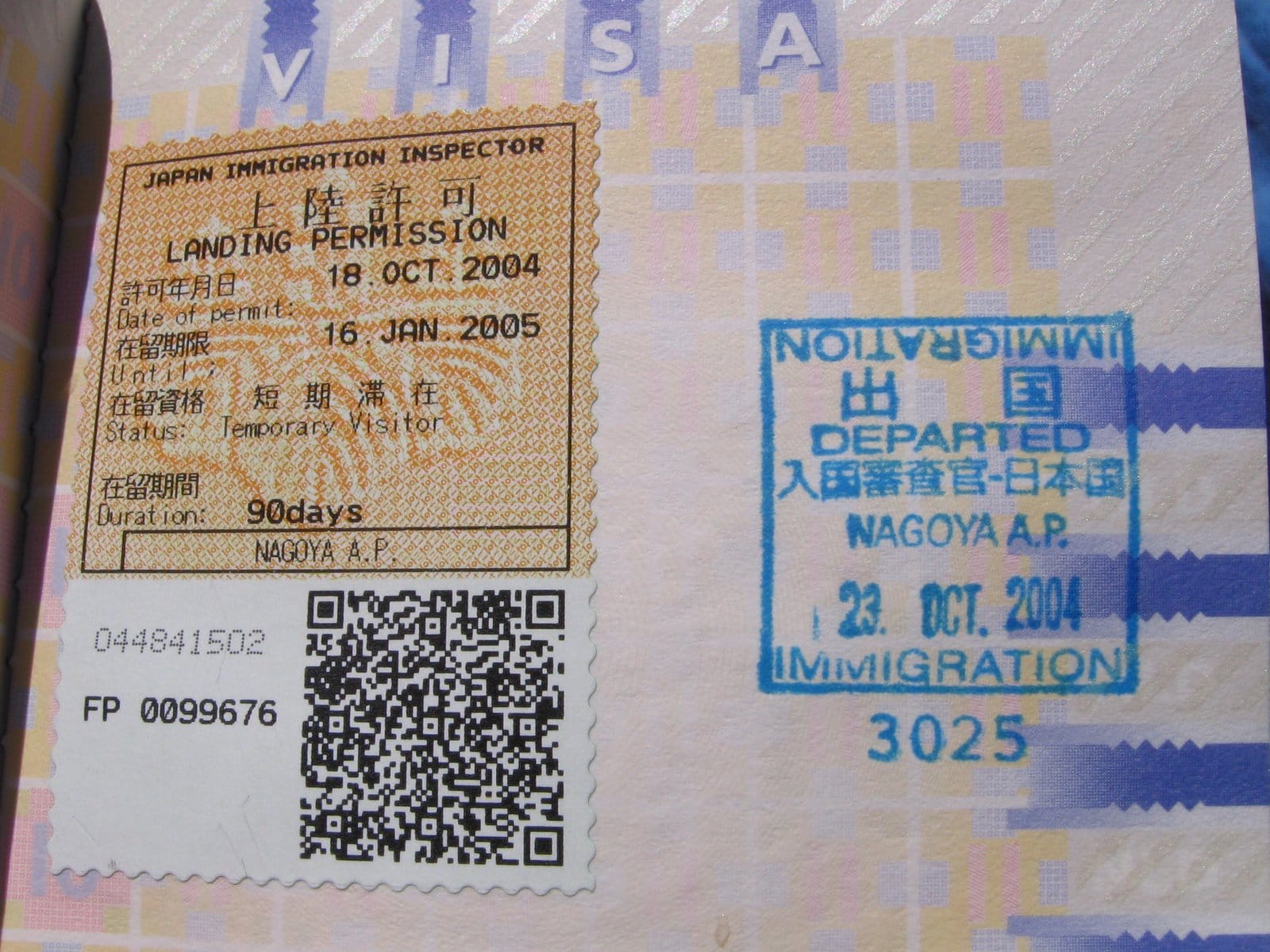
Securing your Japanese visa is a straightforward but essential step. The process for Indian and Bangladeshi citizens is similar, requiring specific documentation and an application through designated centres or the embassy/consulate.
Cost and Process
- Visa Fee: For Indian citizens, a single-entry tourist visa typically costs around ₹500 (approx ¥90) as of 2026. This fee can change, so always check the official Japanese Embassy or Consulate website in India. For Bangladeshi citizens, the fee is generally similar, around BDT 400-500. There might be additional service charges if applying through a visa application centre.
- Documents Required:
- Valid passport (with at least 6 months validity beyond your intended stay).
- Visa application form (downloadable from the embassy website).
- Two recent passport-sized photographs.
- Confirmed return flight tickets.
- Confirmed hotel bookings or a detailed itinerary.
- Bank statements (last 6 months) showing sufficient funds for your trip (e.g., ₹1.5 - ₹2 Lakh per person for a 10-day trip, depending on itinerary).
- Income Tax Returns (ITR) for the last 2-3 years.
- No Objection Certificate (NOC) from your employer/educational institution, or business registration documents if self-employed.
- Day-wise itinerary.
- Application Steps:
- Gather all necessary documents.
- Fill out the visa application form accurately.
- Submit your application at the Japanese Embassy/Consulate or their authorized visa application centre in your city (e.g., VFS Global in India).
- Attend an interview if required (rare for tourist visas).
- Wait for processing.
Timeline and Mistakes to Avoid
- Processing Time: Typically, visa processing takes 5-7 working days, but it's advisable to apply at least 2-3 weeks before your planned departure to account for any unforeseen delays.
- Common Mistakes:
- Incomplete documentation: Ensure every requested document is provided.
- Insufficient funds: Your bank statement must clearly show you can afford the trip.
- Discrepancies: Ensure your flight and hotel bookings align with your itinerary.
- Old photos: Use recent passport-sized photos with a white background.
The visa cost is relatively minor compared to other expenses, but a rejected application due to oversight can derail your entire trip. Double-check all requirements specific to your nationality on the official Japanese Embassy website.
Accommodation: Where to Rest Your Head
Accommodation in Japan can range from ultra-budget capsule hotels to luxurious ryokans (traditional inns) with private onsens. Prices are higher in major cities like Tokyo, Kyoto, and Osaka compared to smaller towns.
Types and Costs
Budget Tier (₹2,000 - ₹5,500 / approx ¥3,500 - ¥10,000 per night):
- Hostels/Guesthouses: Expect dormitory beds for ¥3,500-¥5,000 (₹2,000-₹2,800) per night. Private rooms in guesthouses can range from ¥6,000-¥10,000 (₹3,400-₹5,500). These are excellent for solo travellers.
- Capsule Hotels: A unique Japanese experience, offering compact sleeping pods for ¥3,000-¥6,000 (₹1,700-₹3,400) per night.
- Business Hotels (Small Rooms): Some chains like Toyoko Inn or APA Hotel offer very compact rooms starting from ¥7,000-¥10,000 (₹3,900-₹5,500) per night, especially if booked well in advance or during off-peak times.
- Couple Math: For a couple, a private room in a guesthouse or a small business hotel room would be necessary, pushing the budget towards the higher end of this tier, or into the mid-range.
Mid-Range Tier (₹5,500 - ₹12,000 / approx ¥10,000 - ¥21,500 per night):
- Mid-tier Business Hotels: Chains like Dormy Inn, Mitsui Garden Hotel, or similar offer comfortable, clean rooms with good amenities, often including breakfast or public baths (onsen). Expect to pay ¥10,000-¥18,000 (₹5,500-₹10,000) per night. These are a great choice for couples.
- AirBnB/Vacation Rentals: While regulations have tightened, some good value apartments can be found, especially for longer stays or groups, often costing ¥12,000-¥20,000 (₹6,700-₹11,200) per night for a decent apartment.
- Ryokans (Basic): You might find some simpler ryokans outside major city centres for around ¥15,000-¥25,000 (₹8,400-₹14,000) per person, including breakfast and dinner (often called ichijūsansai).
Comfort Tier (₹12,000 - ₹25,000+ / approx ¥21,500 - ¥45,000+ per night):
- High-end Business Hotels/Boutique Hotels: Excellent service, spacious rooms, and prime locations from ¥20,000-¥35,000 (₹11,200-₹19,600) per night.
- Luxury Ryokans: An authentic and indulgent experience, often with private onsens and exquisite multi-course meals (kaiseki). Expect to pay ¥30,000-¥60,000+ (₹16,800-₹33,600+) per person per night.
- International Hotel Chains: Hilton, Marriott, Hyatt, etc., offer familiar comforts and services, with prices typically starting from ¥30,000 (₹16,800) per night.
Booking Tips and Overspending
- When to Book: Book at least 3-4 months in advance, especially for popular seasons like cherry blossom (March-April) and autumn foliage (October-November) or during major Japanese holidays.
- Booking Platforms: Use sites like Booking.com, Agoda, Rakuten Travel, and the official hotel websites.
- Location Matters: Staying near a major train station (e.g., Shinjuku, Shibuya, Tokyo Station in Tokyo) can save significant commuting time and costs, even if the per-night rate is slightly higher.
- Overspending Trap: Many Indian and Bangladeshi travellers might overspend on overly luxurious hotels in Tokyo, thinking it's the only way to experience comfort. Japan's business hotels are incredibly efficient, clean, and well-located, offering excellent value in the mid-range. Don't fall for the trap of paying double for minor upgrades unless true luxury is your absolute priority. Prioritise location and good reviews over brand names.
Food: A Culinary Journey (with Dietary Needs in Mind)
Japanese cuisine is world-renowned, but for Indian and Bangladeshi travellers, dietary restrictions (vegetarianism, halal) are a significant concern. Fortunately, Japan is becoming increasingly accommodating.
Daily Food Budgets
Budget Tier (₹1,700 - ₹3,000 / approx ¥3,000 - ¥5,500 per person per day):
- Breakfast: Convenience stores (FamilyMart, 7-Eleven, Lawson) for onigiri (rice balls – check fillings carefully for vegetarian/halal), bread, fruit, coffee (¥300-¥600).
- Lunch/Dinner: Fast food chains like Yoshinoya or Sukiya (look for vegetable bowls/curries), ramen shops (some offer vegetarian broths, ask for yasai ramen or shojin ramen), udon/soba shops, supermarkets for bento boxes (¥500-¥1,200 per meal). Some Indian/Pakistani/Halal restaurants can be found in major cities, offering good value thalis for ¥1,000-¥1,800.
- Couple Math: ¥6,000-¥11,000 (₹3,400-₹6,100) per couple per day.
Mid-Range Tier (₹3,000 - ₹6,000 / approx ¥5,500 - ¥11,000 per person per day):
- A mix of casual eateries, izakayas (Japanese pubs, many offer vegetarian snacks), mid-range sushi restaurants, and more specialized restaurants. You can enjoy a wider variety of Japanese dishes, including tempura, okonomiyaki, or a good set meal.
- Lunch: Set lunches (teishoku) are great value, often ¥1,000-¥1,800.
- Dinner: A decent meal at a local restaurant or izakaya could be ¥2,000-¥4,000.
- Couple Math: ¥11,000-¥22,000 (₹6,100-₹12,300) per couple per day.
Comfort Tier (₹6,000 - ₹12,000+ / approx ¥11,000 - ¥21,500+ per person per day):
- Fine dining experiences, multi-course kaiseki meals, high-end sushi, and specialty restaurants.
- Lunch: Can still be a good value at high-end places, often ¥3,000-¥6,000.
- Dinner: A kaiseki meal or a meal at a Michelin-starred restaurant can easily cost ¥8,000-¥20,000+ (₹4,500-₹11,200+) per person.
- Couple Math: ¥22,000-¥43,000+ (₹12,300-₹24,000+) per couple per day.
Vegetarian and Halal Food Anxiety: Solutions
This is a genuine concern for many. Here’s how to navigate it:
- Communication is Key: Learn a few key phrases: "Watashi wa bejetarian desu" (I am vegetarian), "Niku nashi" (No meat), "Sakana nashi" (No fish), "Halal desu ka?" (Is it halal?).
- Apps & Websites: HappyCow (for vegetarian/vegan) and HalalGourmetJapan (for halal) are indispensable. Use Google Maps to search for "vegetarian restaurant" or "halal restaurant near me."
- Convenience Stores: While not gourmet, they are lifesavers. Look for plain onigiri, salads (check dressings), fruits, yogurts, and instant noodles (many are vegetarian, check ingredients for fish/meat extracts). Some have "karaage" chicken that might be halal-certified, but verify.
- Indian/Pakistani Restaurants: Major cities like Tokyo (Shinjuku, Ueno), Osaka, and Kyoto have a good number of Indian/Pakistani restaurants, many of which are halal-certified or offer extensive vegetarian menus. These can be a comforting and reliable option.
- Buddhist (Shojin Ryori) Cuisine: Many temple towns (e.g., Kyoto, Koyasan) offer shojin ryori, traditional Buddhist vegetarian/vegan temple cuisine. It's an experience in itself.
- Overspending Trap: Avoid impulsively buying snacks or drinks from vending machines and convenience stores throughout the day without a budget. While convenient, these small purchases add up. Also, don't feel pressured to try every expensive local delicacy if it doesn't align with your dietary needs or budget. A single fancy meal can be an experience, but doesn't have to be every meal.
Local Transportation: Getting Around Japan
Japan's public transport system is legendary: efficient, punctual, and extensive. Understanding how to use it effectively is key to managing your budget.
Long-Distance Travel: JR Pass vs. Individual Tickets
For a 7-10 day trip, especially if visiting multiple cities (e.g., Tokyo, Kyoto, Osaka), the Japan Rail Pass (JR Pass) is often considered.
JR Pass (as of 2026):
- 7-Day Ordinary Pass: Approx ¥30,000 (₹16,800).
- 14-Day Ordinary Pass: Approx ¥48,000 (₹26,800).
- Green Pass (First Class): Significantly more expensive.
- Decision Point: The JR Pass is generally cost-effective if you plan to travel long distances, like a round trip between Tokyo and Kyoto/Osaka, plus some regional travel. A one-way Shinkansen ticket from Tokyo to Kyoto is about ¥14,000 (₹7,800). So, a round trip (¥28,000 / ₹15,600) nearly covers the 7-day pass. If you add a trip to Hiroshima or another major city, the pass quickly pays for itself.
- Mistake to Avoid: Many Indian travellers buy a JR Pass even for short trips or if their itinerary doesn't involve enough long-distance travel to justify the cost. Calculate your intended Shinkansen and JR train routes using a tool like Hyperdia or Google Maps (ensure JR-only options are selected) before buying. If your itinerary is just Tokyo and a day trip to Hakone, the pass might not be worth it.
Individual Tickets/IC Cards:
- For short trips or if the JR Pass isn't viable, individual tickets are fine. Purchase from vending machines.
- IC Cards (Suica, Pasmo, Icoca): These rechargeable smart cards (like Delhi Metro cards) are incredibly convenient for local trains, subways, and buses in major cities. You tap in and out, and the fare is deducted automatically. They also work for some vending machines and convenience stores. Purchase at any major station for a ¥500 refundable deposit. Load with ¥2,000-¥5,000 (₹1,100-₹2,800) at a time. This is the most practical option for daily city travel.
City Transportation
- Tokyo Metro/Toei Subway: Extensive, efficient, and slightly complex with multiple lines and companies. A single ride typically costs ¥170-¥320 (₹95-₹180) depending on distance.
- JR Lines (e.g., Yamanote Line in Tokyo): Covered by the JR Pass. Individual tickets are ¥140-¥200 (₹78-₹112) for short distances.
- Buses: Good for shorter distances, especially in cities like Kyoto where the subway network is less extensive. Flat fare often around ¥230 (₹129).
- Overspending Trap: Taxis are very expensive in Japan. A short 15-minute ride could easily be ¥2,000-¥3,000 (₹1,100-₹1,700). Avoid them unless absolutely necessary (e.g., late at night, with heavy luggage, or for a medical emergency). Stick to trains and buses; they are reliable even late into the night. Comparing to Delhi Metro, Tokyo Metro is even more expansive and punctual, making it your best friend for navigating the city.
Transportation Costs by Tier (for a 7-day trip, assuming Tokyo/Kyoto/Osaka)
| Category | Budget (Solo/Couple) | Mid-Range (Solo/Couple) | Comfort (Solo/Couple) |
|---|---|---|---|
| Long-Distance | Individual Shinkansen tickets (Tokyo-Osaka RT) | 7-Day JR Pass | 7-Day JR Pass (or Green Car) |
| City Travel | IC Card, mostly walking | IC Card, occasional bus | IC Card, occasional taxi for convenience |
| Total (7-day) | ¥20,000 - ¥28,000 (₹11,200 - ₹15,600) | ¥30,000 - ¥40,000 (₹16,800 - ₹22,400) | ¥40,000 - ¥60,000+ (₹22,400 - ₹33,600+) |
Note: These are estimates. Actual costs depend on your specific itinerary and usage.
Activities & Sightseeing: Experiences that Matter
Japan offers an incredible array of activities, from ancient temples to futuristic museums. Budgeting for these experiences is crucial.
Costs of Popular Attractions
- Temples & Shrines: Many are free to enter (e.g., Senso-ji, Fushimi Inari Taisha). Some prominent ones have a small entrance fee of ¥300-¥600 (₹170-₹340) (e.g., Kinkaku-ji, Kiyomizu-dera).
- Museums: Varies widely. Major museums like Tokyo National Museum or Kyoto National Museum typically cost ¥600-¥1,200 (₹340-₹670). Specialty museums (e.g., Ghibli Museum – requires advance booking, ¥1,000/₹560) can be slightly more.
- Observation Decks: Tokyo Skytree (¥2,000-¥3,100 / ₹1,120-₹1,740) and Tokyo Tower (¥1,200/₹670) offer panoramic views. Many government buildings (e.g., Tokyo Metropolitan Government Building) have free observation decks.
- Theme Parks: Universal Studios Japan (USJ) or Tokyo Disneyland/DisneySea are significant expenses. A 1-day pass is typically ¥8,000-¥10,000 (₹4,500-₹5,600).
- Unique Experiences:
- Tea Ceremony: ¥3,000-¥6,000 (₹1,700-₹3,400).
- Kimono Rental: ¥4,000-¥8,000 (₹2,240-₹4,500) for a day.
- Cooking Class: ¥6,000-¥12,000 (₹3,400-₹6,700).
Budgeting by Tier (7-day trip)
- Budget Tier (₹5,000 - ₹10,000 / approx ¥9,000 - ¥18,000 per person): Focus on free attractions, parks, and one or two paid museums/temples. Skip theme parks.
- Mid-Range Tier (₹10,000 - ₹25,000 / approx ¥18,000 - ¥45,000 per person): A good mix of paid attractions, perhaps one theme park, and a couple of unique cultural experiences.
- Comfort Tier (₹25,000 - ₹50,000+ / approx ¥45,000 - ¥90,000+ per person): Enjoy theme parks, multiple cultural experiences, and perhaps a special guided tour.
Overspending Trap: Souvenirs and Unplanned Purchases
Japanese souvenirs are incredibly tempting – from elaborate sweets and artisanal crafts to anime merchandise and quirky gadgets. It's easy to get carried away. Set a strict budget for souvenirs and stick to it. Many Indian travellers also fall into the trap of buying too many small, cute items from 100-yen shops (like Daiso or Seria); while cheap individually, they add up rapidly.
Miscellaneous Costs & Overspending Traps for Indians/Bangladeshis
Beyond the main categories, several smaller expenses add up. Being aware of these can help you manage your budget.
- Travel Insurance (₹2,000 - ₹5,000 / approx ¥3,500 - ¥9,000): Essential for any international trip. Don't skip this. A good policy covers medical emergencies, trip cancellations, and lost luggage.
- Connectivity (₹3,000 - ₹6,000 / approx ¥5,500 - ¥11,000):
- Pocket Wi-Fi: Renting a pocket Wi-Fi device (approx ¥500-¥1,000 per day) is excellent for couples/groups as it connects multiple devices.
- Local SIM Card: For solo travellers, a data-only SIM card (e.g., from b-mobile or Mobal) for 7-15 days costs ¥2,000-¥4,000.
- Mistake to Avoid: Relying solely on free public Wi-Fi is unreliable. Invest in a dedicated solution.
- Currency Exchange: While Japan is moving towards cashless, cash is still king at many smaller shops, restaurants, and temples. Get some Yen before you leave.