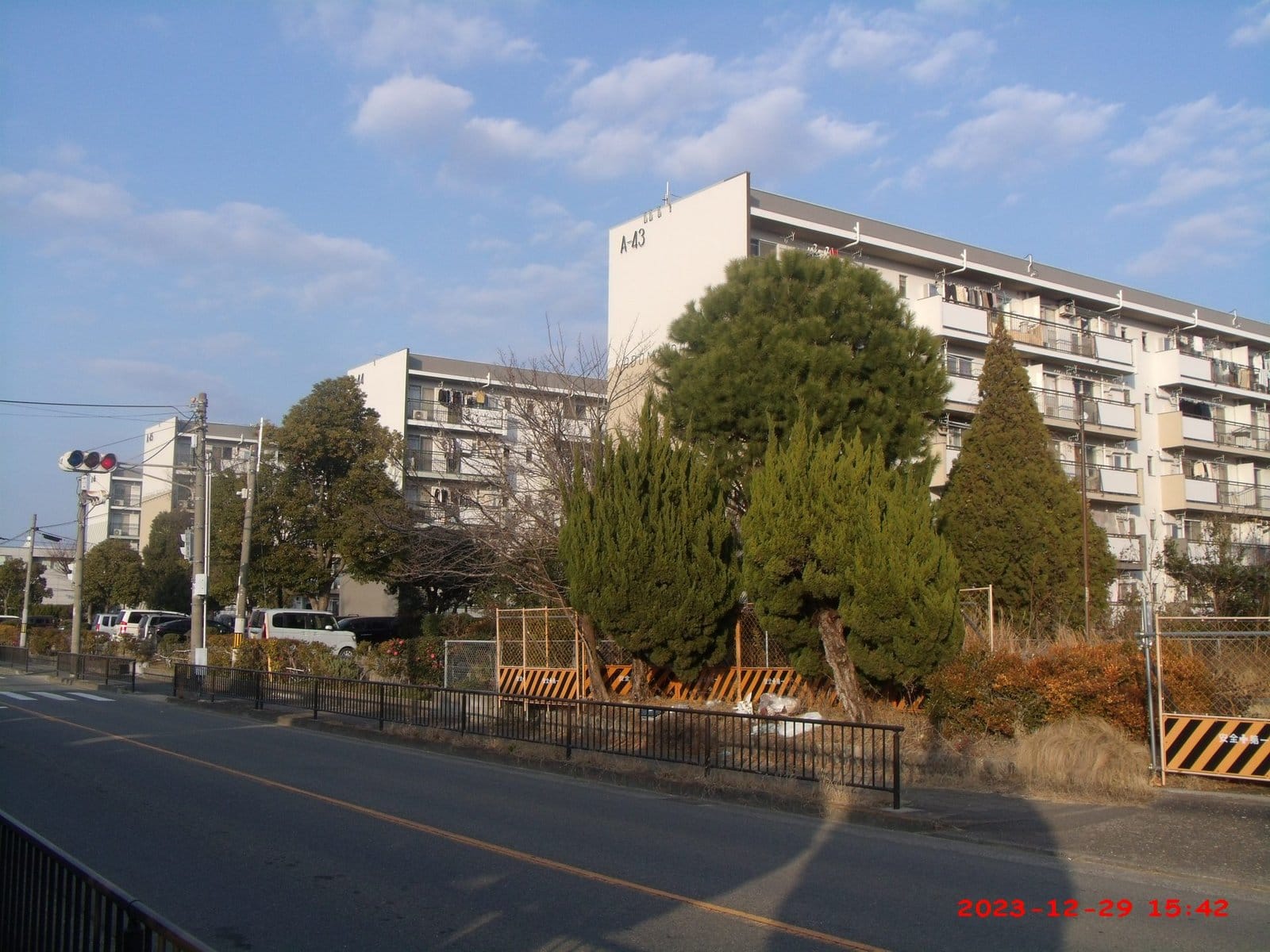
Bringing Your Wife and Children to Japan: What to Consider When Renting a Family Apartment
A detailed guide to renting a 2K–3LDK family apartment in Japan when bringing your wife and children over: calculating costs, choosing a neighborhood near schools and hospitals, and adding family members to the lease.
Aug 7, 2026·✍️ olablog·⏱ 12 min read
A detailed guide to renting a 2K–3LDK family apartment in Japan when bringing your wife and children over: calculating costs, choosing a neighborhood near schools and hospitals, and adding family members to the lease.
Bringing your wife and children to Japan for family reunification is an important milestone, marking a major turning point in the lives of Vietnamese people living in the Land of the Rising Sun. However, the joy of being reunited often comes with a great deal of anxiety: How can you find an apartment that is spacious and safe for young children while still fitting your family’s budget? Unlike living alone, when a compact 1K or 1R apartment may be enough, finding a home for the whole family requires careful consideration of everything from the layout (2K, 2DK, 2LDK, or 3LDK) and proximity to preschools and pediatric clinics to the complicated legal procedures involved in adding family members to the lease. This article is a practical guide to help you prepare as thoroughly as possible before bringing your family to settle in Japan.
Why Is Renting a Home for Your Family in Japan More Complicated Than You Think?
When living alone in Japan, most engineers, technical interns, and international students prioritize affordable housing near a train station for convenient commuting to work or school. But once your wife and young children move in with you, these priorities change completely:
- Occupancy limits (入居人数制限 - Nyukyo ninzu seigen): In Japan, most 1R and 1K apartments are designed for single occupants (単身専用 - tanshin senyo). Landlords (家主 - yanushi) and property management companies (管理会社 - kanri gaisha) strictly prohibit moving additional people in without permission. If you violate this rule, your lease may be terminated unilaterally and you may be fined.
- Stricter screening standards (入居審査 - Nyukyo shinsa): When you switch to a family-oriented apartment (ファミリー向け - famiri muke), the guarantor company (保証会社 - hoshogaisha) will scrutinize your monthly income more carefully to ensure that you can cover living expenses for several people.
- The surrounding living environment: Children crying or running around can lead to noise disputes (騒音トラブル - soon toraburu) with neighbors. As a result, the building’s construction and the character of the neighborhood become decisive factors.
Comparing Apartment Layouts: Should You Choose a 2K, 2DK, 2LDK, or 3LDK?
Japanese apartment layouts use the following letters: R (Room), K (Kitchen), D (Dining), and L (Living). When bringing your family over, consider the following options:
1. A 2K / 2DK Apartment: A Budget-Friendly Solution for a Small Family (2 adults + 1 baby)
- 2K: Two separate bedrooms and a small kitchen area (usually under 4.5 tatami mats ~ 7.5 m²).
- 2DK: Two bedrooms and a combined dining and kitchen area (DK) measuring approximately 6–10 tatami mats (~10–16 m²).
- Advantages: Lower rent and relatively easy to find in suburban areas.
- Disadvantages: The shared living space can become rather cramped as the child grows and becomes more active.
2. A 2LDK Apartment: The Ideal Choice for Most Vietnamese Families
- Layout: Two separate bedrooms + a combined living, dining, and kitchen area (LDK) measuring 10 tatami mats or more (~16 m² or more). The total floor area generally ranges from 45 m² to 60 m².
- Advantages: An airy layout with a clear separation between the guest area, the children’s play area, and the parents’ bedroom.
- Disadvantages: Rent is approximately 20% – 35% higher than a 2DK in the same area.
3. A 3LDK Apartment: Maximum Comfort for Families of 4 or More, or Those Needing a Home Office
- Layout: Three separate bedrooms + a spacious LDK area (typically measuring from 60 m² to over 80 m²).
- Advantages: Suitable for families with 2 or more children, or those who need a separate home office for telework or a room for storing toys.
- Disadvantages: Rent and management fees (共益費 - kyoekihi) are higher, and heating and cooling costs are greater in winter and summer.
Budgeting: How Much Rent Is Safe for Your Family?
According to surveys of Japan’s real estate market, rent-related financial pressure has risen sharply in major cities. Creating a realistic financial plan is therefore extremely important.
1. Average Monthly Rent
Rental prices for family apartments vary widely depending on their location. The following are reference prices for standard 2DK – 2LDK apartments:
- Central Tokyo’s 23 wards (23区 - Niju-san ku): 140.000 JPY – 230.000 JPY/month (approximately 23,1 – 37,9 million VND).
- Tokyo suburbs (such as Tachikawa, Hachioji, and Fuchu) or nearby prefectures (Kanagawa, Saitama, Chiba): 75.000 JPY – 120.000 JPY/month (approximately 12,3 – 19,8 million VND).
- The Kansai region (Osaka, Hyogo), as well as Aichi and Fukuoka: 60.000 JPY – 95.000 JPY/month (approximately 9,9 – 15,6 million VND).
Note: The estimated exchange rate is 1 JPY ≈ 165 VND.
2. The Financial Safety Rule (Rule 1/3)
When reviewing a rental application (入居審査 - nyukyo shinsa), guarantor companies apply the following rule: Total monthly housing costs (rent + management fee 共益費) should not exceed 30% to 33% of the contract holder’s total take-home pay (手取り - tedori).
For example, if your monthly take-home pay is 300.000 JPY (49,5 million VND), the maximum safe rent you should look for is 90.000 JPY – 100.000 JPY/month (14,8 – 16,5 million VND).
3. Summary of Initial Costs (初期費用 - Shoki hiyou)
In general, the initial costs when signing a family-apartment lease amount to approximately 3,5 to 5 times one month’s rent.
| Fee in Japanese | Romaji | Typical cost | Terms and notes |
|---|---|---|---|
| 敷金 | Shikikin | 1 – 2 months’ rent | Security deposit (partially refundable after cleaning and restoration fees are deducted). |
| 礼金 | Reikin | 0 – 1 month’s rent | Key money / gift to the landlord (non-refundable). |
| 仲介手数料 | Chukaitesuuryo | 0,5 – 1 month’s rent + 10% tax | Real estate brokerage fee. |
| 保証会社初年度 fee | Hoshogaisha hi | 50% – 100% of the first month’s rent | Guarantor company fee (mandatory). |
| 火災保険料 | Kasai hokenryo | 15.000 – 25.000 JPY / 2 years | Mandatory fire and personal liability insurance. |
| 鍵交換費用 | Kagi kokan hiyou | 15.000 – 25.000 JPY | Fee for replacing the locks with new, secure ones. |
| 前家賃 | Mae yachin | 1 month’s rent | Rent paid in advance for the first month after moving in. |
Note: The consumption tax (消費税 - shohizei) applied to brokerage and service fees remains at 10%.
Choosing a Neighborhood and Living Environment Suitable for Young Children
The ideal family apartment is defined not only by its interior space but also by the surrounding environment.
1. Building Construction and Soundproofing (防音 - Boon)
Young children often run around, play, or cry at night. If you rent a poorly soundproofed home, you may easily run into problems with your neighbors.
- Reinforced concrete construction (RC造 - Arushi zo / SRC造 - Esuarushi zo): Excellent sound insulation that minimizes noise traveling through the floors and walls. This is the number-one choice for families with young children.
- Light-gauge steel construction (軽量鉄骨 - Keiro tekkotsu) or wooden construction (木造 - Mokuzo): These offer less sound insulation. If you rent this type of property, you should prioritize choosing a first-floor unit (1階 - Ikkai) to avoid footsteps disturbing the residents below.
2. Family Infrastructure Within Walking Distance
When viewing a property (内見 - naiken), walk around the neighborhood for 10–15 minutes to check the following:
- Nurseries / kindergartens (保育園 - Hoikuen / 幼稚園 - Yochien): Check whether the ward or city has a shortage of childcare places (待機児童 - taiki jido).
- Elementary schools (小学校 - Shogakko): Check whether the route from the home to school has safe, separate sidewalks and little truck traffic.
- Medical facilities: There should be at least 1 pediatric clinic (小児科 - Shonika) or general hospital (総合病院 - Sogo byoin) nearby to provide prompt care when your child develops a fever or becomes ill.
- Green spaces: Prioritize homes near parks (公園 - Koen) or quiet residential neighborhoods (閑静な住宅街 - Kansei na jutakugai) where many young families live.
Procedures for Adding Your Wife and Children to Your Existing Lease or Moving to a New Home
Depending on your current apartment situation, there are 2 main options:
Case 1: Adding Occupants to Your Current Apartment (同居人追加 - Dokyonin tsuika)
If your current apartment allows cohabitation (同居可 - dokyo ka) and is spacious enough:
- Notify the management company (管理会社 - Kanri gaisha): Inform them of your plan to bring your wife and/or children over at least 1–2 months in advance.
- Submit additional documents (同居人追加手続き - Dokyonin tsuika tetsuzuki):
- Your wife’s/children’s residence cards (在留カード - Zairyu kado) after entering Japan.
- The latest resident record (住民票 - Juminhyo), showing the names of all family members (obtained from the city or ward office 市役所/区役所).
- Marriage certificate / child’s birth certificate (translated into Japanese and notarized).
- A new lease screening: The guarantor company may request an updated income certificate (所得証明書 - Shotoku shomeisho) from the contract holder. Some providers may charge an additional lease-adjustment fee (approximately 10.000 – 30.000 JPY).
Case 2: Renting a New Apartment Specifically for Your Family
If your old home is for single occupants (単身専用 - tanshin senyo) or is too small:
- Start looking 2 - 3 months in advance: Contact reputable real estate agencies that assist foreign residents.
- Submit a rental application (入居 infrastructure 申込 - Nyukyo moshikomi): Provide your status of residence, employment contract, and proof of sufficient income to support your family.
- Pay the initial costs & sign the lease: Complete the bank transfer for the initial fees.
- Cancel the old lease: Remember to give notice to cancel the old home (usually 1–2 months in advance under the terms of the lease) to avoid paying overlapping rent (二重家賃 - Nijuyachin).
Frequently Asked Questions
Q. Can I let my wife and children stay in my current 1K apartment for a few months before moving to a new place? It is not recommended. Most 1K leases in Japan clearly specify that the apartment is for a single occupant. Intentionally allowing family members to live with you without reporting it is considered a serious lease violation (even if they stay for only a few weeks). If this is discovered through security cameras or a complaint from a neighbor, your lease may be terminated unilaterally and you may be required to move out within a short period.
Q. Is UR housing (UR賃貸住宅) suitable for families bringing relatives over from Vietnam? Very much so. UR housing, managed by the government/Urban Renaissance Agency, offers significant advantages: no key money (Reikin = 0), no brokerage fee (Chukaitesuuryo = 0), and no need for a guarantor or guarantor fee. UR apartments are also generally very spacious (2LDK, 3LDK). However, the minimum income requirement for a family UR application is fairly high, and these properties are often somewhat far from train stations.
Q. What housing documents do I need when completing immigration procedures for my wife and children at the municipal office (役所 - Yakusho)? When completing household registration procedures and obtaining resident records (住民票 - Juminhyo) for your wife and children, bring: the original rental agreement (to prove that the apartment allows multiple occupants), your and your wife’s/children’s residence cards, passports, and a marriage certificate/birth certificate translated into Japanese.
Q. How much do electricity, water, and gas cost per month for a family of 3 in Japan? Average utility costs (光熱費 - Konetsuhi) for a family of 3 in Japan range from 18.000 JPY to 28.000 JPY/month (~3 – 4,6 million VND), depending on the season. Winter is generally more expensive than summer because of increased heating and hot-water use.
Conclusion & Further Reading Suggestions
Preparing a comfortable home before bringing your wife and children to Japan will not only help your family settle into life more quickly but also prevent countless legal problems and unnecessary conflicts with the landlord. Plan your finances carefully, choose a spacious home near childcare and medical facilities, and follow the proper procedures for updating residency information.
To gain more practical insight into daily life and administrative procedures in Japan, you can also check out these useful articles:
- Read about practical tips for everyday life and living in Blog OlaChill.
- Learn more about housing and real estate guides at OlaChill.
- Read the in-depth article: [A Guide to Renting a Home in Japan from
Comments
No reviews yet — be the first!