Cost of Living by Region in Japan: How Much Do Tokyo, Osaka, Nagoya, and Fukuoka Differ?
A comparison of the cost of living in Tokyo, Osaka, Nagoya, and Fukuoka as of August 2026. Details on rent, utilities, food, salaries, and money-saving tips.
Aug 7, 2026·✍️ olablog·⏱ 11 min read
A comparison of the cost of living in Tokyo, Osaka, Nagoya, and Fukuoka as of August 2026. Details on rent, utilities, food, salaries, and money-saving tips.
Tap a region to browse articles
Choosing a city to live and work in Japan is always a difficult decision for many Vietnamese people. Should you choose the bustling capital of Tokyo, with its high incomes but steep costs, or move to friendly Osaka, industrially developed Nagoya, or peaceful Fukuoka, where rent is exceptionally affordable? Can the differences in minimum wages between regions make up for the high cost of living in major metropolitan areas?
As of August 2026, inflationary pressures and food and energy prices in Japan continue to undergo notable changes. In this article, the OlaChill editorial team takes an in-depth look at the cost of living in 4 key regions: Tokyo, Osaka, Nagoya, and Fukuoka. We hope these real-world figures will give you a broad overview and help you make the right decision for your journey in the Land of the Rising Sun.
An Overview of Regional Cost-of-Living Differences in Japan
In Japan, the cost of living varies significantly between prefectures and cities. The biggest difference is not in the price of instant noodles or supermarket goods, which are fairly consistent nationwide, but in rent 家賃 (yachin) and related service costs.
A common rule of thumb often shared among the Vietnamese community in Japan is: Tokyo is the most expensive but offers abundant job opportunities; Osaka and Nagoya strike a good balance between income and expenses; while Fukuoka is a money-saving paradise for those who enjoy a relaxed lifestyle.
Cost-of-Living Comparison for 4 Major Japanese Cities
Below is a summary of average living expenses for a single person living in a 1R or 1K apartment in the 4 areas, as of August 2026.
(Reference conversion rate: 1 JPY ≈ 165 VND)
| Expense | Tokyo (23 wards) | Osaka (Osaka City) | Nagoya (Aichi) | Fukuoka (Fukuoka City) |
|---|---|---|---|---|
| Rent 家賃 (yachin) | 65,000 - 90,000 JPY (~10.7 - 14.8 million VND) |
45,000 - 65,000 JPY (~7.4 - 10.7 million VND) |
45,000 - 60,000 JPY (~7.4 - 9.9 million VND) |
35,000 - 55,000 JPY (~5.8 - 9.1 million VND) |
| Electricity, water, and gas 光熱費 (konetsuhi) | 12,000 - 16,000 JPY (~2.0 - 2.6 million VND) |
11,000 - 15,000 JPY (~1.8 - 2.5 million VND) |
11,000 - 15,000 JPY (~1.8 - 2.5 million VND) |
10,000 - 14,000 JPY (~1.6 - 2.3 million VND) |
| Food 食費 (shokuhi) (Cooking + eating out) | 35,000 - 50,000 JPY (~5.8 - 8.2 million VND) |
30,000 - 45,000 JPY (~4.9 - 7.4 million VND) |
30,000 - 42,000 JPY (~4.9 - 6.9 million VND) |
28,000 - 40,000 JPY (~4.6 - 6.6 million VND) |
| Transportation 交通費 (kotsuhi) (If not covered by your company) | 8,000 - 15,000 JPY (~1.3 - 2.5 million VND) |
6,000 - 12,000 JPY (~1.0 - 2.0 million VND) |
6,000 - 10,000 JPY (~1.0 - 1.6 million VND) |
4,000 - 8,000 JPY (~660k - 1.3 million VND) |
| Internet and phone 通信費 (tsushinhi) | 4,000 - 6,000 JPY (~660k - 990k VND) |
4,000 - 6,000 JPY (~660k - 990k VND) |
4,000 - 6,000 JPY (~660k - 990k VND) |
4,000 - 6,000 JPY (~660k - 990k VND) |
| Total basic monthly expenses | 124,000 - 177,000 JPY | 96,000 - 144,000 JPY | 96,000 - 133,000 JPY | 81,000 - 123,000 JPY |
Minimum Wages by Prefecture and Take-Home Pay (As of August 2026)
Japan’s regional minimum hourly wage 地域別最低賃金 (chiiki betsusaitai chingin) is revised periodically each year. As of August 2026, the applicable rates in these prefectures are as follows:
- Tokyo: 1,226 JPY/hour (the newly recommended rate for fiscal 2026 is aiming for 1,280 JPY/hour).
- Osaka: 1,177 JPY/hour.
- Aichi (Nagoya): 1,140 JPY/hour.
- Fukuoka: 1,057 JPY/hour.
Important Note on Take-Home Pay 手取り (tedori)
Regardless of where you work, your gross contractual salary 総支給額 (soshikyu gaku) will be reduced by mandatory deductions, including:
- Income tax 所得税 (shotokuzei).
- Resident tax 住民税 (juminzei) – calculated based on the previous year’s income.
- Social security and health insurance 社会保険 (shakai hoken).
Take-home pay 手取り (tedori) is usually only around 78% - 82% of gross salary. For example, with a base salary of 220,000 JPY/month, your take-home pay would be approximately 175,000 – 180,000 JPY.
Monthly Expenses in Detail
1. Rent 家賃 (yachin)
Rent is the biggest factor behind regional cost differences.
- In Tokyo, a 20m² 1K apartment in a central ward can cost 80,000 - 90,000 JPY/month.
- In Fukuoka, with the same 50,000 JPY budget, you can already rent a spacious 1DK apartment near a tram station.
In addition, when moving into a new home in Japan, you should prepare initial costs 初期費用 (shoki hiyou) equivalent to 3–4 times the monthly rent, including:
- A security deposit 敷金 (shikikin) (usually 1 month’s rent).
- Key money for the landlord 礼金 (reikin) (1 month’s rent).
- Agent fees, fire insurance, and lock replacement fees.
2. Electricity, Water, and Gas 光熱費 (konetsuhi)
Energy costs are fairly similar across Japan, although winters in northern regions and in Nagoya/Tokyo may require slightly higher heating expenses than in Fukuoka:
- Electricity (電気代 - denkidai): 5,000 - 8,000 JPY/month (rising sharply in summer when the air conditioner is running and in winter when heating is used).
- Gas (ガス代 - gasudai): 3,000 - 5,000 JPY/month. City gas (都市ガス - toshi gas) is considerably cheaper than propane gas (プロパンガス - propane gas).
- Water (水道代 - suidodai): 2,000 - 3,500 JPY/month (usually billed once every 2 months).
3. Food Expenses 食費 (shokuhi)
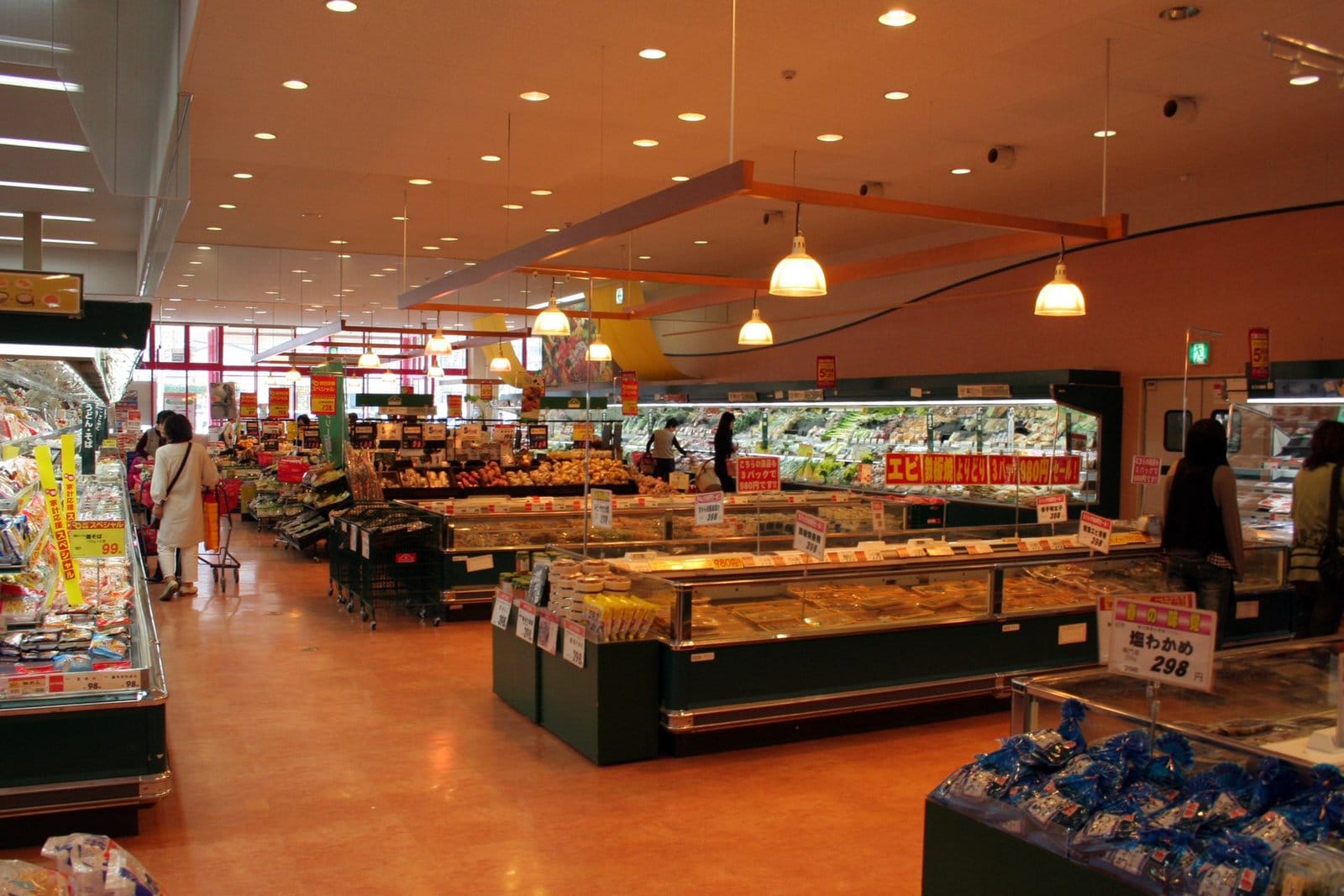
- Cooking at home: If you regularly shop at affordable supermarkets such as Gyomu Super (業務スーパー), Lamu, or Hanamasa, food for one person can cost only around 25,000 - 30,000 JPY/month.
- Eating out: A meal at Yoshinoya or Matsuya costs around 500 - 800 JPY; a meal at a mid-range restaurant costs 1,200 - 2,000 JPY. If you eat out regularly in Tokyo or Osaka, your food expenses can easily exceed 50,000 JPY/month.
4. Transportation Costs 交通費 (kotsuhi)
Most companies in Japan provide a commuting allowance 通勤手当 (tsukin teate) for travel between home and work. However, if you are an international student or travel on weekends:
- Tokyo: The subway and JR systems are expensive, but student commuter passes 定期券 (teikiken) offer discounts of 30% - 50%.
- Fukuoka & Nagoya: These cities are more compact, so many people choose to cycle 自転車 (jitensha) to minimize transportation costs.
Where Is the Most Affordable Place to Live for Each Profession?
Different professions and visa categories call for different location strategies to maximize the amount of money you can save and send home:
1. IT Engineers / Highly Skilled Professionals (Gijinkoku)
- Recommended: Tokyo or Osaka.
- Reason: Although rent is high in Tokyo, the IT and engineering salary range there is broad (4.5 - 8 million JPY/year). The salary difference in Tokyo can more than offset the higher rent. In addition, job-hopping opportunities (転職 - tenshoku) to increase your salary are much more plentiful in Tokyo than in other prefectures.
2. Specified Skilled Workers 特定技能 (tokutei ginou) & Technical Intern Trainees 技能実習生 (ginou jisshusei)
- Recommended: Aichi (Nagoya) or Fukuoka.
- Reason: Salaries for these positions generally follow the regional minimum wage or the standard pay scale for factories and workshops. Living in Fukuoka or Nagoya can reduce your rent by 20,000 - 30,000 JPY per month, while the base salary is not significantly different from Tokyo. This allows you to save more money to send to your family.
3. International Students (Ryugakusei)
- Recommended: Fukuoka or Osaka.
- Reason: International students are limited to 28 hours of part-time work per week. In Tokyo, part-time wages are high (1,226 JPY/hour), but rent takes up nearly the entire paycheck. In Fukuoka, affordable rent and reasonable food costs make the financial pressure of paying tuition and rent much easier to manage.
4. Settled Families / Families with Young Children
- Recommended: The suburbs of Osaka, Nagoya, or prefectures neighboring Tokyo (Saitama, Chiba, Kanagawa).
- Reason: Family apartments (2LDK, 3LDK) in central Tokyo are extremely expensive (150,000 - 250,000 JPY/month). Moving to nearby areas gives you more living space and a good educational environment at only 50-60% of the cost.
Sample Monthly Budget for a Single Worker (Single)
Suppose a single engineer has take-home pay 手取り (tedori) of 190,000 JPY/month (~31.3 million VND). Let’s compare the amount left over for savings in Tokyo and Fukuoka:
| Item | Living in Tokyo (23 wards) | Living in Fukuoka |
|---|---|---|
| Take-home pay (Tedori) | 190,000 JPY | 190,000 JPY |
| Rent (1K) | -72,000 JPY | -42,000 JPY |
| Electricity, water, and gas | -13,000 JPY | -11,000 JPY |
| Food (Cooking + socializing) | -38,000 JPY | -32,000 JPY |
| Internet + phone | -5,000 JPY | -5,000 JPY |
| Personal expenses / Shopping | -15,000 JPY | -12,000 JPY |
| Remaining amount (Savings) | 47,000 JPY (~7.7 million VND) | 88,000 JPY (~14.5 million VND) |
👉 Conclusion from the comparison: With the same take-home pay, living in Fukuoka can help you save nearly twice as much as living in central Tokyo by significantly reducing rent and daily living expenses!
Frequently Asked Questions
Q. Should newcomers to Japan stay in a guesthouse/sharehouse or rent a private apartment?
Answer: During the first 3-6 months, staying in a sharehouse or dormitory is usually the best option. You will not need to pay expensive initial costs 初期費用 (shoki hiyou), find a guarantor (保証人 - hoshonin), or purchase furniture and appliances, since the property already comes furnished and includes internet. Once you have settled in, you can rent your own apartment.
Q. How can I reduce my rent in Tokyo while still commuting conveniently?
Answer: Consider areas along JR lines or private railway lines that take around 30-45 minutes to reach central Tokyo, such as Adachi-ku, Edogawa-ku, Katsushika-ku (Tokyo), or neighboring cities in Saitama Prefecture (Kawaguchi, Omiya), Chiba (Matsudo, Funabashi), and Kanagawa (Kawasaki). Rent here is 20,000 - 30,000 JPY/month cheaper than in the 6 central wards.
Q. What is the most important paperwork to complete immediately after moving to a new area?
Answer: You need to visit the ward or city office (役所 - yakusho) to file a moving-in notification 転入届 (tennyutodoki) within 14 days of moving into your new home. This updates the address on your residence card 在留カード (zairyu card) and allows you to obtain a certificate of residence 住民票 (juminhyo) for banking, job applications, and other procedures.
Q. How much do utility costs differ between summer and winter in Japan?
Answer: Electricity and water bills in summer and winter are typically 30% - 50% higher than in spring and autumn. In winter, gas and electricity costs rise sharply because of the need for hot baths and heating (エアコン/ストーブ). In summer, electricity bills increase because the air conditioner is used continuously.
Final Thoughts
There is no single definitive answer to the question, “Where should you live in Japan?” If you are young and prioritize career opportunities, learning, and experiencing modern city life, Tokyo and Osaka are excellent destinations. On the other hand, if your top priority is building savings, sending money home to your family, or finding a peaceful living environment, Fukuoka and Nagoya certainly will not disappoint.
If you are looking for information on finding a home, choosing an area to live in, or exploring the Land of the Rising Sun, be sure to check out these other helpful articles on our platform:
- Discover more useful tips about daily life and culture at OlaChill Blog.
- Read our detailed guides on procedures and real estate at Japan Rental Housing Blog.
- Sign up for weekend experiences and relaxation with Day Tours from Tokyo.
- Visit the OlaChill homepage for the latest updates every day!
Comments
No reviews yet — be the first!