Do ¥0 Homes in Japan Really Exist? Getting a Free House and the Price You Pay
The truth about ¥0 homes (Akiya) in Japan: why owners give them away, the actual taxes and renovation costs, and who is truly suited to receiving a free house.
Aug 7, 2026·✍️ olablog·⏱ 11 min read
The truth about ¥0 homes (Akiya) in Japan: why owners give them away, the actual taxes and renovation costs, and who is truly suited to receiving a free house.
You may have seen social media posts or heard friends talk about ¥0 homes in Japan and wondered: Is it really possible to get one for free, or is it just a scam? For Vietnamese people living, working, or planning to settle long-term in Japan, the idea of owning a private home without paying a purchase price sounds incredibly appealing. However, the saying “what costs nothing may end up costing you” rings especially true if you do not understand the legal rules and financial realities involved. In this article, OlaChill examines every aspect with you—from why owners are willing to transfer homes for free and where to search through official channels, to a summary of the actual costs, taxes, fees, and risks of taking on a burden of debt as of August 2026.
¥0 Homes (0 yen Akiya) in Japan: Rumor or Reality?
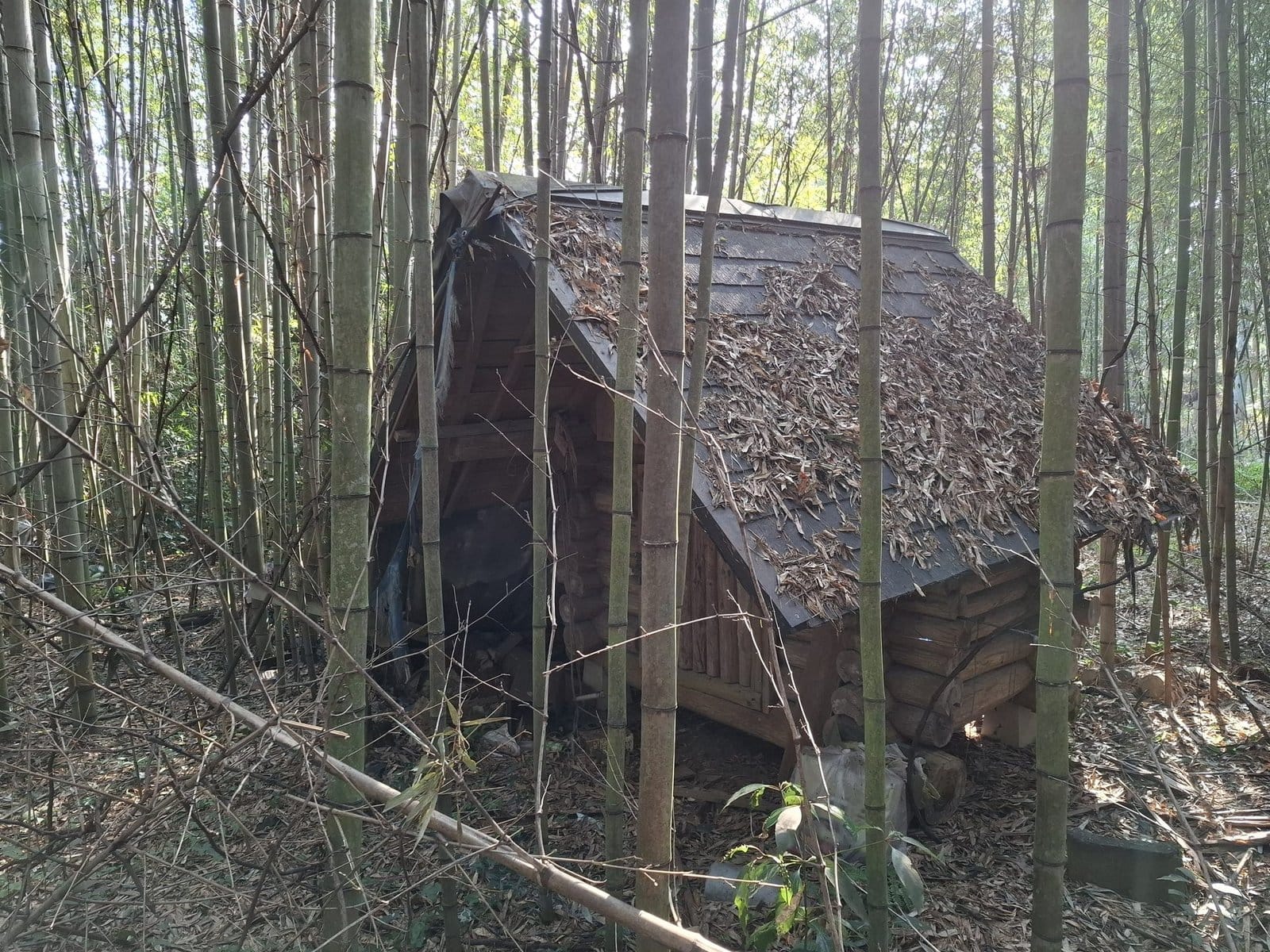
¥0 homes (0円物件 - zero yen bukken) in Japan are completely real. They are usually abandoned houses (空き家 - akiya) located in rural areas, small towns, or suburbs facing an aging population and a declining workforce.
According to the Housing and Land Survey (住宅・土地統計調査) published by Japan’s Ministry of Internal Affairs and Communications, the number of vacant homes nationwide has surpassed 9 million. To address this problem, many local governments and private owners would rather transfer a house for ¥0 than continue holding on to it.
However, “¥0” applies only to the purchase price of the ownership rights to the house (売買価格). It does not mean you can move in without spending a single yen.
Why Are Japanese Homeowners Willing to Give Away Real Estate for Free?
Many Vietnamese people who have recently arrived in Japan wonder: “Why would someone give away a house and land for free?” The answer lies in the financial obligations and legal risks that owners face in Japan.
1. The Burden of Fixed Asset Tax
In Japan, anyone listed as the owner of real estate must pay fixed asset tax (固定資産税 - kotei shisanzei) every year at the standard rate of 1,4% of the assessed value. If the property is located in an urban planning area, the owner must also pay urban planning tax (都市計画税 - toshi keikaku zei) of up to 0,3%.
Normally, residential land benefits from the small residential land tax reduction policy (小規模住宅用地の特例 - shokibo jutaku yochi no tokurei), which reduces the taxable amount to just 1/6. However, if the house has seriously deteriorated and is classified by the authorities as a “Specified Vacant House” (特定空き家 - tokutei akiya), this tax benefit will be revoked. At that point, the land tax can increase sixfold!
2. Demolition Costs Are Extremely High
If they do not want to leave a house vacant, owners may choose to demolish it. However, demolishing (解体費用 - kaitai hiyou) a traditional wooden house in Japan costs between 1,5 million and 3 million yen (~250 - 500 million VND). For houses located on narrow lanes inaccessible to heavy machinery, manual demolition can cost as much as 4 - 5 million yen. Giving the house away for free is one way for owners to get rid of this burden.
3. Complicated Inheritance Issues
Many young people who move to Tokyo or Osaka for work have no desire to return to their hometowns. When their parents die, they inherit (相続 - sozoku) the old family home. Even if they do not live there, they must still pay taxes and maintenance costs every year and may be legally liable if a collapsing roof or fence injures someone passing by.
Where to Find Reliable ¥0 Homes in Japan
If you want to explore or seek an opportunity to own a ¥0 home, there are two legitimate and safe channels in Japan:
1. Government Vacant Home Banks (空き家バンク - Akiya Bank)
This is a database system operated by local ward, town, and city offices (市役所/町役場 - shiyakusho / machiyakuba) throughout Japan.
- How it works: The local government acts as an intermediary between homeowners and people looking to buy or receive a donated property. Many municipalities offer renovation subsidies (リフォーム補助金 - rifomu hojokin) of up to 500.000 – 1.000.000 yen for young people or families moving to the area.
- Major search portals: You can search aggregated listings managed by HOME'S or At Home in cooperation with Japan’s Ministry of Land, Infrastructure, Transport and Tourism (MLIT).
2. Private ¥0 Home Transaction Websites
- Minna no 0-yen Bukken (みんなの0円物件): A website specializing in connecting property owners who want to give away real estate with potential recipients. Information about the legal status, actual condition, and obligations involved is disclosed in considerable detail.
- Zero Yen Estate (0-yen.jp): Specializes in listing real estate priced at ¥0 or at a symbolic price of 1 yen across Japan’s prefectures and municipalities.
Summary of Taxes and Costs When Receiving a ¥0 Home (Updated 8/2026)
This is the most important section for any Vietnamese person to understand. Even if the contract states a price of ¥0, you will still have to pay the following taxes and administrative fees (figures updated as of August 2026):
| Type of Cost / Tax | Japanese Name (Romaji) | Actual Tax Rate / Fee (August 8/2026) | Notes & Calculation |
|---|---|---|---|
| Gift tax | 贈与税 (zouyazei) |
From 10% to 55% of the amount exceeding the tax-free threshold | The tax office calculates this based on the Tax Assessment Value (固定資産税評価額), NOT the ¥0 price stated in the contract. The basic tax-free allowance is 1,1 million yen/year. |
| Registration and license tax for ownership transfer | 登録免許税 (touroku menkyozei) |
2,0% of the assessed property value | Applies when ownership is transferred as a gift (贈与). The rate is 2,0% for land and 2,0% for the house. |
| Real estate acquisition tax when buying/receiving | 不動産取得税 (fudousan shutokuzei) |
3,0% (residential land and house) | Applies through 31/03/2027 to residential land and houses, calculated based on the assessed value. A ¥0 home is still subject to this tax (unlike inherited property, which is exempt). |
| Document preparation & ownership registration fee | 司法書士報酬 (shihoshoshi houshu) |
Approximately 50.000 – 150.000 yen (~8 – 25 million VND) | Hire a judicial scrivener (司法書士) to conduct legal checks and register the ownership transfer at the Legal Affairs Bureau (法務局). |
| Stamp duty | 印紙税 (inshizei) |
200 – 1.000 yen | The cost of affixing a tax stamp to the transfer contract. |
Practical example: You receive a ¥0 home with a total tax-assessed value (固定資産税評価額) of 2,5 million yen for the land and house:
- Gift tax (贈与税): 2,5 million - 1,1 million (tax-free allowance) = 1,4 million yen. Tax rate of 10% = 140.000 yen.
- Registration tax (登録免許税): 2,5 million x 2,0% = 50.000 yen.
- Real estate acquisition tax (不動産取得税): 2,5 million x 3,0% = 75.000 yen.
- Judicial scrivener’s fee (司法書士): Approximately 100.000 yen.
👉 Total initial legal costs: Approximately 365.000 yen (~60 million VND), even though the house costs ¥0.
Hidden Costs: How Much Does It Cost to Renovate and Maintain a ¥0 Home?
Ownership transfer costs are only “the tip of the iceberg.” The expenses that truly disappoint many people arise during renovation and ongoing maintenance.
1. Renovation & Earthquake Retrofitting Costs (リフォーム費用)
Most ¥0 homes in Japan were built before 1981 and comply with the old earthquake-resistance standards (旧耐震基準 - kyu taishin kijun).
- Structural earthquake reinforcement (耐震補強 - taishin hokyo): 1,5 million – 3 million yen.
- Roof replacement & leak repairs: 1 million – 2 million yen.
- Replacing water pipes, toilets, and bathrooms: 1 million – 2,5 million yen.
- Termite treatment (防蟻処理 - bogi shori) & mold remediation: 300.000 – 800.000 yen.
👉 Basic renovation costs to make the house habitable generally range from 3 million to 8 million yen (~500 million - 1,3 billion VND).
2. Annual Maintenance Costs
- Fixed asset tax (固定資産税): Approximately 30.000 – 100.000 yen/year, depending on the location and size.
- Fire and earthquake insurance (火災保険・地震保険): Approximately 30.000 – 80.000 yen/year.
- Neighborhood association fee (町内会費 - chonaikai hi): Approximately 500 – 2.000 yen/month to maintain cleanliness and local street lighting.
Who Should—and Shouldn’t—Look for a ¥0 Home in Japan?
A ¥0 home is not a “bargain” for everyone. Here is some practical advice for the Vietnamese community in Japan:
✅ SUITABLE CANDIDATES:
- People with DIY or construction skills: If you can renovate, paint, and install or repair electrical and plumbing systems yourself, you can save 60-70% on labor costs.
- Remote workers (Telework / Freelancers): People who are not tied to a company location and want to enjoy spacious living in the countryside (田舎暮らし - inaka gurashi).
- People with emergency funds available: Those with 3 – 5 million yen in cash to cover taxes, administrative fees, and home upgrades.
❌ PEOPLE WHO SHOULD NOT TAKE PART:
- Technical interns and newly arrived international students: Their finances are not yet stable, their visas are short-term, and they may not yet understand Japanese laws and administrative procedures.
- People who depend on trains for commuting: ¥0 homes are often far from central stations, making ownership of a private car essential for transportation.
- People who expect to “move in immediately without spending anything”: As explained above, you will still face initial costs ranging from hundreds of thousands to millions of yen.
Frequently Asked Questions
Q. Can foreigners without permanent residency (Eiju) receive a ¥0 home in Japan? Yes. Japanese law does not restrict foreigners’ ability to own real estate, regardless of the type of visa they hold (engineer, student, business visa, etc.). However, owning a home does not automatically help you extend your visa or change to a permanent resident visa. You must still maintain legal residency status in accordance with the rules of the Immigration Services Agency.
Q. Can I get a bank loan (住宅ローン) to renovate a ¥0 home? It is very difficult. Japanese banks require mortgaged property to have collateral value. ¥0 homes often have very low or zero commercial valuations and may not meet newer earthquake-resistance standards, so banks rarely approve home-purchase loans (住宅ローン - jutaku ron). You may have to use an unsecured personal loan (フリーローン) or renovation loan (リフォームローン), both of which generally carry much higher interest rates.
Q. If I stop living in a ¥0 home after receiving it, can I sell it or give it back? You cannot simply “return” it to the local government. If you want to sell it, you must find a buyer. If the house is in an extremely remote location, you may remain stuck with the obligation to pay annual taxes and maintenance costs. Therefore, think very carefully before signing a transfer agreement.
Summary & Advice from OlaChill
¥0 homes in Japan are a genuine opportunity for people with emergency funds, home renovation skills, and a desire for a peaceful living environment. However, the ¥0 price is only the starting point. Behind it lie a range of taxes and fees (August 8/2026), as well as substantial renovation costs. Before deciding to spend money or sign a contract, visit the property in person, carefully inspect its structure, and consult a local judicial scrivener (司法書士).
Suggested further reading:
- Discover more saving strategies and tips for reducing living costs at OlaChill Blog.
- Book a Day Tour from Tokyo to relax with your family and explore the suburbs of Tokyo in person.
- Find more information about daily life, legal matters, and administrative procedures on the OlaChill homepage.
Comments
No reviews yet — be the first!