Buying Auctioned Homes (keibai) in Japan: 30% Cheaper, but What Are the Risks?
Learn how court-ordered home auctions (keibai) work in Japan, understand the santenset document package, assess the risks posed by holdover occupants, and compare keibai with conventional home purchases as of 2026.
Aug 7, 2026·✍️ olablog·⏱ 11 min read
Learn how court-ordered home auctions (keibai) work in Japan, understand the santenset document package, assess the risks posed by holdover occupants, and compare keibai with conventional home purchases as of 2026.
After saving a substantial amount of money over several years of working in Japan, many Vietnamese people dream of owning a home where they can settle down instead of paying high rent every month. However, real estate prices in major cities such as Tokyo, Osaka, and Nagoya continue to rise. This is where the term “court-ordered property auction”—競売 (keibai)—emerges as an attractive shortcut, with prices 20% to 30% below market value. Even so, these “bargain” prices come with numerous legal pitfalls and practical risks that could leave buyers seriously out of pocket. This article takes a practical, detailed look at each aspect to help you decide whether entering the keibai market is right for you.
1. What is buying an auctioned home (keibai) in Japan, and why is it up to 30% cheaper?
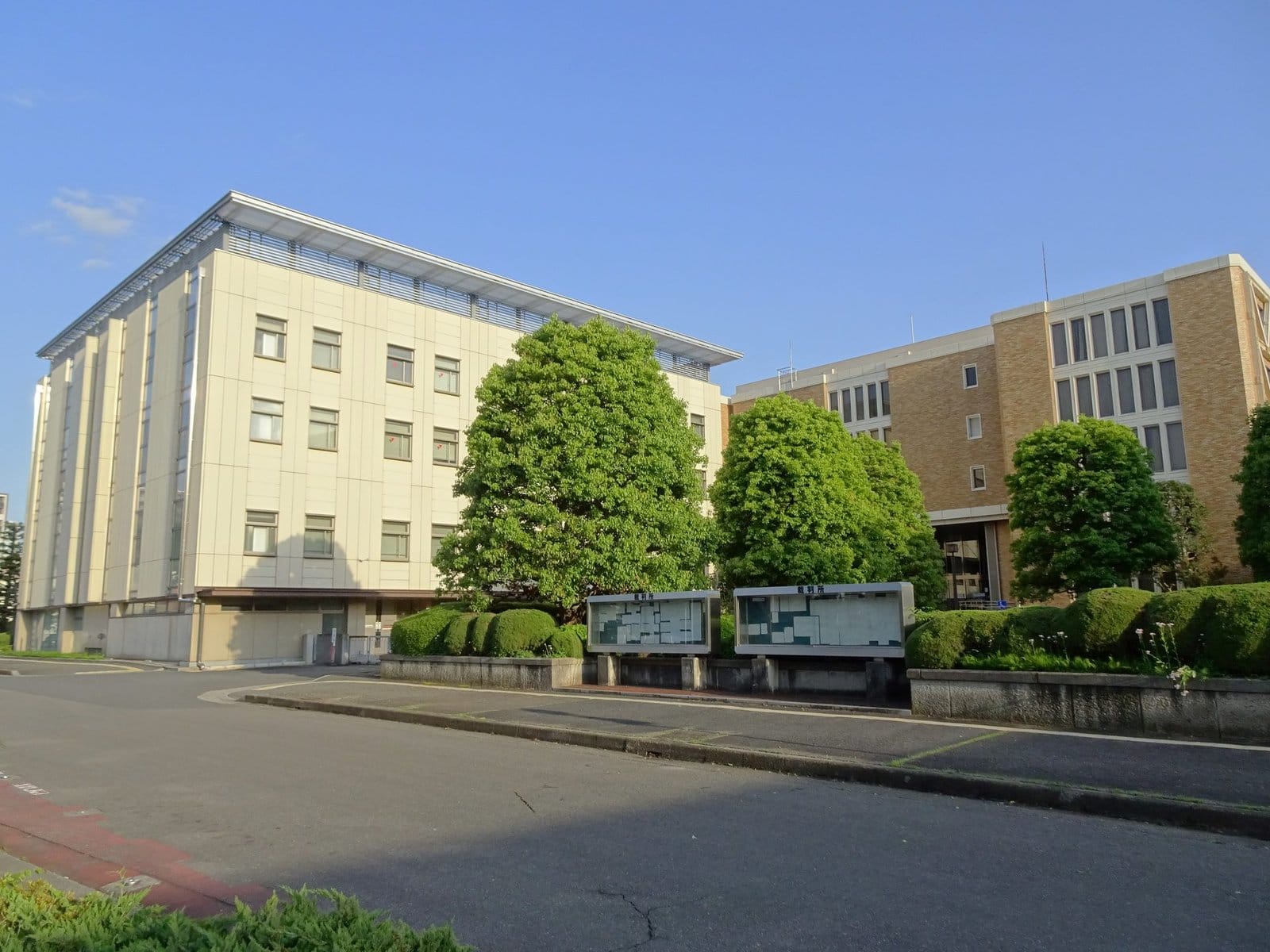
Auctioned properties—競売物件 (keibai bukken)—are houses or apartments put up for forced sale by a local court—地方裁判所 (chiho saibansho)—because the former owner can no longer repay their home loan—住宅ローン (jutaku rōn)—or because a mortgage is being enforced to recover debt.
As of August 2026, the starting price—売却基準価額 (baikyaku kijun kagaku)—for a keibai property is generally appraised at around 20% - 30% below the market price—市場価格 (shijo kakaku)—and, in some cases, run-down older homes may be discounted by as much as 40% - 50%. The main reasons these properties are significantly cheaper include:
- The court does not provide a warranty: The court merely facilitates the forced sale of an asset to recover debt; it is not a regular seller.
- You cannot view the interior (内覧不可 - nairan fuka): Auction participants cannot enter the property to inspect its interior or electrical and plumbing systems before committing their money.
- Outstanding issues become your responsibility: If someone is occupying the property or condominium fees are overdue, the successful bidder must handle or assume those issues themselves.
Residents and investors can search for auction listings on the Japanese courts’ official information platform, BIT (不動産競売物件情報サイト - Fudosan Keibai Bukken Joho Saito).
2. Decoding the “three court documents” (santenset)—your only tool for inspecting a property
Because you cannot enter the property to inspect it in person, buyers must rely on the “three court documents”—3点セット (santen setto). These are public documents issued by the court approximately 2 weeks before the auction.
2.1. Detailed property statement—物件明細書 (bukken meisaisho)
Prepared by the court clerk—裁判所書記官 (saibansho shokikan)—this document clearly records the legal rights associated with the property:
- Whether ownership will be transferred free and clear after purchase.
- Whether any third-party leasehold rights—賃貸権 (chintaiken)—will remain valid after the auction.
- The legal obligations that the successful bidder—買受人 (kaiukenin)—must assume.
2.2. Current-condition investigation report—現況調査報告書 (genkyo chosa hokokusho)
Prepared by a court enforcement officer—執行官 (shikkokan)—who visits the property, knocks on the door, takes photographs, and compiles a report. It includes:
- Exterior photographs and some interior images, if the enforcement officer was able to enter.
- Information about who is living in or occupying the property: the former owner, a tenant, or an unauthorized occupant.
- The actual condition and use of the land and structures on it.
2.3. Appraisal report—評価書 (hyokasho)
Prepared by a licensed real estate appraiser—不動産鑑定士 (fudosan kanteishi)—this report provides:
- A plot map and house floor plans.
- Information about the surrounding environment, including distances to stations, schools, and planned transport infrastructure.
- The standard assessed price—売却基準価額 (baikyaku kijun kagaku)—based on comparisons with nearby transactions and deductions for auction-related risks.
3. The top 4 risks of buying an auctioned home in Japan
Many Vietnamese people see a listed price of 15,000,000 JPY (~ 2.47 billion VND as of August 2026, at an exchange rate of 1 JPY ≈ 165 VND) for a house in the Tokyo suburbs and immediately become eager to place a deposit. However, the hidden risks can add millions of yen to the final cost.
3.1. You cannot inspect the interior (内覧不可 - nairan fuka)
When buying a conventional property, you can visit and inspect the home—内見 (naiken)—thoroughly. With keibai properties, you are completely prohibited from entering the house before paying the full amount.
In many cases, buyers only discover after taking possession that the floors are rotten, the ceiling leaks, the walls are seriously moldy, or the previous owner deliberately damaged bathroom fixtures before moving out. Renovation costs—リフォーム費用 (rifōmu hiyō)—can jump to 3,000,000 - 5,000,000 JPY (~ 495 - 825 million VND), wiping out the original 30% discount.
3.2. The risk of holdover occupants (占有者 - senyusha) and eviction costs
If the former owner or a tenant refuses to move out, you cannot change the locks or throw their belongings into the street yourself, as doing so is illegal in Japan.
- Legal solution: You must apply to the court for a Surrender Order—引渡命令 (hikidashi meirei).
- Compulsory enforcement: If they still deliberately refuse to leave, you must initiate compulsory execution procedures—強制執行 (kyosei shikko).
As of August 2026, compulsory execution takes approximately 2-3 months and costs between 500,000 and 1,500,000 JPY (~ 82.5 - 247.5 million VND), including fees for the enforcement officer, movers, and temporary storage of belongings.
3.3. The court provides no warranty for defects (瑕疵担保責任 - kashi tampo sekinin)
In a conventional transaction, if the house leaks or develops structural problems soon after purchase, the real estate company or former owner may be responsible for repairs under the nonconformity liability provision—契約不適合責任 (keiyaku futekigo sekinin). With keibai, however, the court has absolutely no warranty obligation. You bear 100% of the risk of defects after taking possession.
3.4. Inheriting the former owner’s outstanding condominium fees
If you buy a condominium—マンション (manshon)—at auction, Japanese law requires the successful bidder to jointly pay all outstanding Management Fees—管理費 (kanrihi)—and Repair Reserve Fund contributions—修繕積立金 (shuzen tsumitatekin)—owed by the former owner.
These outstanding amounts may be listed in the santenset documents, but if the former owner has been in arrears for 2-3 years, the total can reach 500,000 - 1,500,000 JPY (~ 82.5 - 247.5 million VND).
4. The keibai deposit, bidding, and completion process
Participating in a court property auction requires absolute accuracy regarding documents and deadlines.
[Bước 1: Tra cứu hồ sơ santenset trên hệ thống BIT]
                       │
                       ▼
[Bước 2: Chuyển khoản tiền cọc 20% (買受申出保証金)]
                       │
                       ▼
[Bước 3: Nộp hồ sơ入札書 kèm 住民票 & 陳述書]
                       │
                       ▼
[Bước 4: Mở thầu (開札) & Xác định người trúng thầu]
                       │
                       ▼
[Bước 5: Thanh toán 80% còn lại trong vòng 1-2 tháng]
                       │
                       ▼
[Bước 6: Tòa án làm thủ tục chuyển quyền sở hữu (所有権移転)]
- Deposit—買受申出保証金 (kaiuke moshide hoshokin): At least 20% of the starting price set by the court. The money is transferred directly to the court’s bank account. If you are not the successful bidder, the court will return 100% of this amount after a few days.
- Documents required when submitting the bid form—入札書 (nyusatsusho):
- Certificate of residence—住民票 (juminhyo), issued within the last 3 months.
- Written declaration confirming that you are not a member of an organized crime group—暴力団員等に該当しない旨の陳述書 (borokudan-in to ni gaitoshinai mune no chinjutsu-sho).
- Bank confirmation showing that the deposit has been paid.
- Payment of the remaining amount: After the Sale Permission Order—売却許可決定 (baikyaku kyoka kettei)—is issued, the successful bidder must pay the remaining 80% within the specified period, usually 1 to 2 months. If you fail to pay the full amount on time, you will forfeit the entire initial 20% deposit.
5. Comparing auction purchases (keibai) with conventional purchases (tsujo baibai)
The table below provides a detailed comparison of the two ways to buy a home in Japan, with costs and rules updated as of August 2026:
| Criteria | Auction purchase—競売 (keibai) | Conventional purchase—通常売買 (tsujo baibai) |
|---|---|---|
| Purchase price | 20% - 30% below market value | Market price, with some room for negotiation |
| Property viewing (naiken) | Not possible; you can only view photos in the santenset | Direct viewings allowed multiple times |
| Bank financing (住宅ローン) | Very difficult to obtain a conventional bank loan; requires substantial personal funds | Loan packages are available covering up to 90% - 100% of the property value |
| Brokerage fee (仲介手数料) | 0 JPY; no broker involved | 3% + 60,000 JPY (+ 10% consumption tax) |
| Defect warranty | No warranty | Warranty available, usually from 1 to 2 years depending on the contract |
| Time to take possession | 2 - 6 months, depending on the handover situation and occupants | 1 - 2 months after the contract is finalized |
| Additional risks | High: holdover occupants, unpaid condominium fees, hidden defects | Low: the property has been carefully checked through the Important Matters Explanation |
6. Who should consider buying a keibai property in Japan?
Buying a keibai property is not a rose-strewn path suitable for everyone.
YOU SHOULD CONSIDER IT IF YOU:
- Are a real estate investor or have experience repairing and renovating homes, either through DIY work or with a trusted team of contractors.
- Have substantial cash flow and personal funds available, without relying entirely on a bank loan.
- Understand legal Japanese or work with a professional auction agency—競売代行会社 (keibai daiko kaisha).
- Accept the risks and have a financial contingency plan for additional costs, such as removing occupants and carrying out renovations.
YOU SHOULD NOT CONSIDER IT IF YOU:
- Are a first-time homebuyer in Japan and need a home for your family to move into immediately.
- Rely entirely on a bank’s 住宅ローン (jutaku rōn).
- Do not have time to inspect the surrounding area in person or read and understand complex legal documents in Japanese.
Frequently Asked Questions
Q. Can Vietnamese citizens on an engineer visa or trainee visa participate in keibai property auctions?
Answer: Yes. Japanese law does not restrict participants based on nationality or status of residence. However, you must have a Certificate of Residence—住民票 (juminhyo)—in Japan and a bank account in your own name to pay the deposit.
Q. What happens if I win the auction but the bank refuses to lend me the money?
Answer: If you cannot pay the remaining 80% within the deadline set by the court, your winning bid will be canceled and you will forfeit the entire 20% deposit—買受申出保証金 (kaiuke moshide hoshokin)—that you paid in advance. You should therefore prepare sufficient personal funds or finalize your financing plan before submitting a bid.
Q. Are taxes on auctioned homes different from those on conventional purchases?
Answer: As of August 2026, the basic tax rates are equivalent. Successful bidders must still pay the Registration and License Tax—登録免許税 (toroku menkyozei)—and the Real Estate Acquisition Tax—不動産取得税 (fudosan shutokuzei)—under the Japanese government’s general rules.
Conclusion
Buying a court-auctioned property (keibai) in Japan can be a promising investment channel, potentially reducing costs by 20% to 30%, but it requires solid legal knowledge and strong financial risk-management skills. Do not let the initial listed price distract you from hidden costs related to renovations, eviction, or inherited arrears. If you are just starting to explore Japan’s housing market, carefully weigh the risks against the potential returns before making a decision.
Recommended further reading:
- Preparing to build your savings and create a stable life in the Land of the Rising Sun? Don’t miss the detailed guides on OlaChill Blog.
- Want to learn more about the standard procedures for buying and selling property in Japan as a Vietnamese buyer? Read our in-depth guide, Tips for Buying a Home in Japan for Vietnamese Buyers.
- For more practical insights into Japanese culture, daily life, and travel experiences, visit the OlaChill homepage or enjoy Day Tours from Tokyo with our friendly Vietnamese-speaking guides!
Comments
No reviews yet — be the first!