How Much Does Moving House (hikkoshi) Cost in Japan? Price Guide and Tips to Cut Costs in Half
A detailed look at moving-house (hikkoshi) costs in Japan in 2026, seasonal price tables, affordable single-person plans, and tips for requesting quotes that can save you 50%.
Aug 7, 2026·✍️ olablog·⏱ 12 min read
A detailed look at moving-house (hikkoshi) costs in Japan in 2026, seasonal price tables, affordable single-person plans, and tips for requesting quotes that can save you 50%.
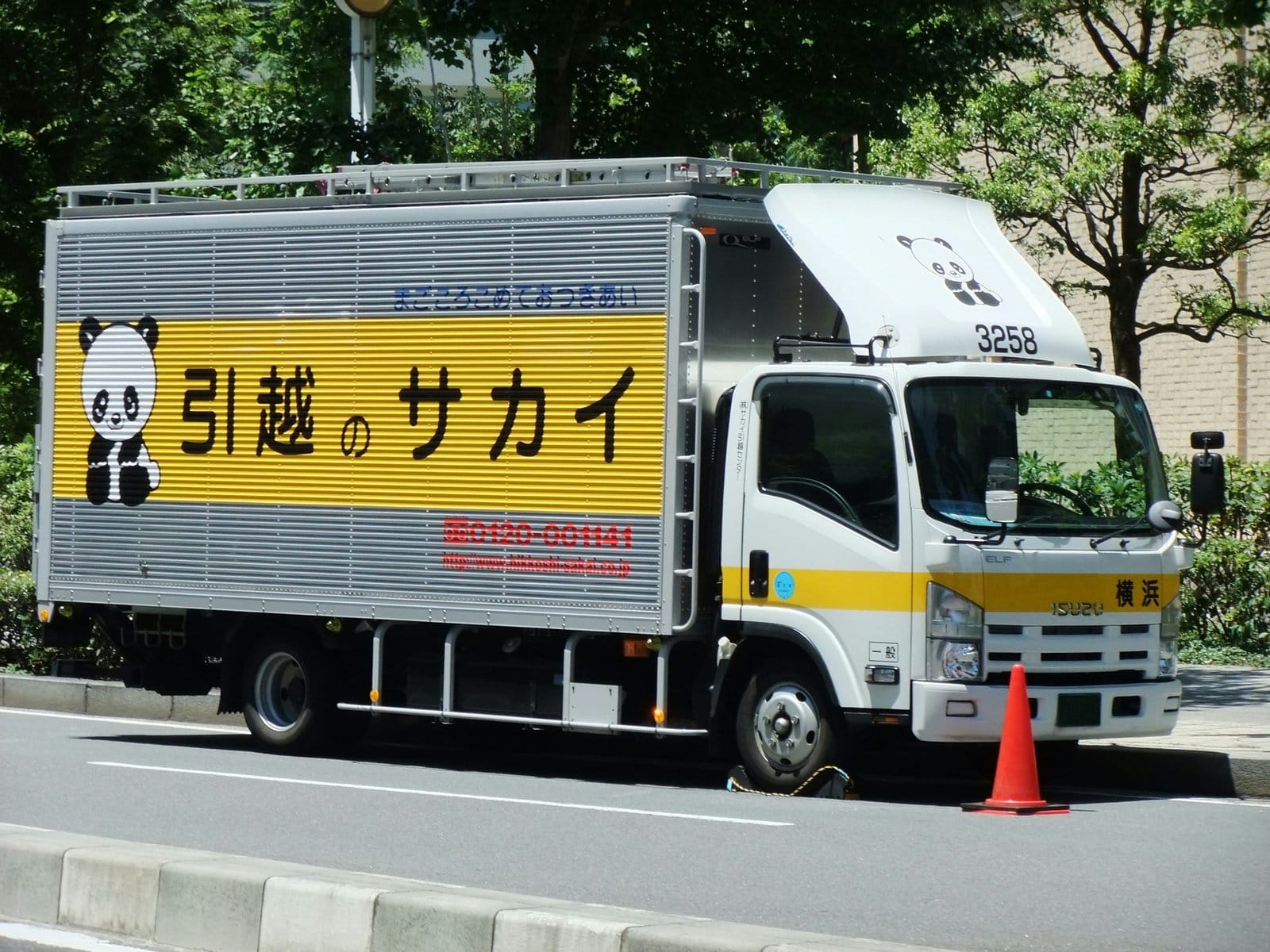
Moving house in Japan—known as 引越し (hikkoshi)—is a constant “headache” for the Vietnamese community living here, from international students and technical interns to engineers and settled families. It is complicated not only by strict rules on waste separation and administrative procedures, but also because the actual cost of hikkoshi is often far higher than initially expected. Many people are shocked to receive a bill running into hundreds of thousands of yen for a journey of just a few kilometers. So how can you accurately budget for your move and avoid being overcharged? OlaChill’s editors will break down each expense and share practical tips to help you cut your moving budget by up to 50% below.
1. Overview of Moving Costs (hikkoshi) in Japan
Moving costs in Japan do not have a fixed price. They fluctuate widely based on 3 key factors: when you move (peak or off-peak season), the distance and the amount of belongings.
It is important to distinguish between the moving fee paid to the moving company and the total cost of relocating. When moving into a new home, you also have to cover the initial rental-contract costs (初期費用 - shoki hiyou), such as the security deposit 敷金 (shikikin), key money 礼金 (reikin), brokerage fee, insurance, and lock replacement.
As of August 2026, the average cost of moving services in Japan is approximately as follows (reference exchange rate: 1 JPY ≈ 165 VND):
- Single-person households (workers and international students): 30.000 – 60.000 JPY (
5,0 – 9,9 million VND) during the regular season; this can rise to 60.000 – 120.000 JPY (9,9 – 19,8 million VND) during peak season. - Households (2–3 people): 60.000 – 110.000 JPY (
9,9 – 18,15 million VND) during the regular season; rising to 120.000 – 200.000+ JPY (19,8 – 33 million VND) during peak season.
2. Detailed Price Table by Household Size and Distance (Updated 2026)
To give you a clearer idea, the table below summarizes average moving-service fees in the Japanese market as of August 2026:
| Household size | Moving distance | Regular season (May – January) | Peak season (February – April) |
|---|---|---|---|
| Single person (Container plan / Few belongings) | Within the city (~15 km) | 18.000 – 35.000 JPY (~3,0 – 5,8 million VND) | 35.000 – 55.000 JPY (~5,8 – 9,1 million VND) |
| Single person (1K apartment / Average amount of belongings) | Within the same prefecture/city (~50 km) | 35.000 – 50.000 JPY (~5,8 – 8,25 million VND) | 60.000 – 90.000 JPY (~9,9 – 14,8 million VND) |
| Single person (1K/1DK apartment / Many belongings) | Another prefecture / Neighboring area (~200 km) | 50.000 – 80.000 JPY (~8,25 – 13,2 million VND) | 90.000 – 140.000 JPY (~14,8 – 23,1 million VND) |
| 2-person household (1LDK/2DK apartment) | Within the city (~15 km) | 55.000 – 80.000 JPY (~9,1 – 13,2 million VND) | 85.000 – 130.000 JPY (~14,0 – 21,4 million VND) |
| 2–3-person household (2LDK apartment) | Another prefecture (~200 km) | 80.000 – 130.000 JPY (~13,2 – 21,4 million VND) | 140.000 – 220.000 JPY (~23,1 – 36,3 million VND) |
Note: The prices above do not include additional services such as air-conditioner removal and installation (エアコン工事 - eakon kouji), washing-machine removal and installation, or insurance for high-value belongings.
3. Factors That Have the Greatest Impact on Moving Costs
Peak Season (繁忙期 - hanbouki) vs. Regular Season (通常期 - tsuujouki)
- Peak season (February to April): This is when school enrollments, graduations, and work-related transfers surge across Japan. The sudden increase in demand can push hikkoshi service prices up by 1,5 to 2 times. If you book too close to your moving date, you may even become a “moving refugee” (引越し難民 - hikkoshi nanmin), as companies run out of trucks and workers.
- Regular season (May through January of the following year): The number of bookings drops significantly, particularly in months such as June, August, November, and December. During this period, companies are much more open to negotiating prices and often offer a range of promotions.
Day of the Week and Time of Day
- Saturdays, Sundays, and public holidays: Service prices are around 15% – 20% higher than on weekdays.
- Working hours: Morning slots (from 8:00–9:00) are always the most expensive because they guarantee a full day’s schedule. By contrast, choosing a “No fixed time” plan (フリー便 - furii ben), meaning the truck arrives whenever a slot becomes available during the day, can reduce the price by as much as 20% – 30%.
Access Conditions and Floor Level
If your home is on a high floor (from the 3rd floor upward) without an elevator (エレベーターなし - erebeetaa nashi), or if the entrance is too narrow for a large truck to park close to the door, the moving company will charge an additional fee for manual carrying or transferring the load to a smaller vehicle.
4. Single-Person Moving Services (tanshin pakku)—A Money-Saving Solution for International Students and Engineers
If you live alone and do not have many bulky furnishings, 単身パック (tanshin pakku) is the most cost-effective solution.
The Difference Between 単身パック (Tanshin pakku) and 単身プラン (Tanshin puran)
- 単身パック (Tanshin pakku - Fixed container plan): Your belongings are neatly packed into a standard metal cage (approximately 105cm x 105cm x 175cm). This cage is loaded onto a large truck together with other customers’ belongings. The all-inclusive price starts at just 18.000 – 30.000 JPY per cage (~3,0 – 5,0 million VND), depending on the distance. Well-known companies offering this plan include NX (Nippon Express - 日本通運) and Yamato Home Convenience.
- 単身プラン (Tanshin puran - Dedicated small-truck plan): The company assigns a small truck exclusively to you (usually a 2t short truck). This is suitable if you also have a large refrigerator, washing machine, or mattress. Prices range from 30.000 – 50.000 JPY.
Advantages and Disadvantages of Tanshin pakku
- Advantages: Extremely affordable, with transparent pricing and no worries about unexpected charges. There is also no need for staff to visit your home to inspect the belongings and provide a quote (訪問見積もり - houken mitsumori).
- Disadvantages: Adding another box or cage doubles the cost. Items that exceed the cage dimensions—such as long sofas, large spring mattresses, or extra-large TVs—cannot be transported.
5. Highly Practical Tips to Cut Moving Costs by Up to 50%
Tip 1: Get Comparison Quotes from Multiple Companies (相見積もり - aimitsumori)
This is the most important “weapon” for avoiding inflated prices. Never sign a contract immediately with the first company you contact.
- Use well-known online hikkoshi quote-comparison websites in Japan, such as SUUMO 引越し (SUUMO Hikkoshi) or 引越し侍 (Hikkoshi Samurai). You only need to enter your departure point, destination, and amount of belongings, and the system will send your information to 3–5 moving companies at once.
- How to negotiate: When a representative from Company B comes to inspect your belongings or calls you, politely say: "Company A just quoted me 45.000 JPY. If you can do it for 38.000 JPY, I’ll sign the contract today." Once they see that there is competition, companies are often willing to lower their prices to fill empty truck slots.
Tip 2: Pack Your Own Cartons and Belongings (セルフプラン - serufu puran)
Moving companies generally offer 3 levels of service:
- Full-service plan (おまかせプラン - omakase puran): Staff handle everything from A to Z (packing, transportation, unpacking, and arranging your belongings). This is the most expensive option.
- Half self-service plan: Staff pack only the large items, while you pack the smaller belongings yourself.
- Self-packing plan (セルフプラン - serufu puran): You buy or request cartons and pack all your clothes, dishes, and books before moving day. Staff only load the boxes and furniture onto the truck. Choosing this plan can save you 20% – 30% of the total cost.
Tip 3: Choose Flexible Dates and Times (おまかせ日時 - omakase nijitsu)
If you are not constrained by a specific delivery time, let the moving company schedule you during an open slot in their weekly calendar. Midweek days (Monday through Thursday) and “open time slots” are always available at specially discounted prices.
6. Dispose of Bulky Waste (sodai gomi) Before Moving
One of the costliest mistakes Vietnamese people in Japan make is waiting until just before moving day to panic and figure out how to dispose of old belongings. In Japan, you are not allowed to throw desks, chairs, cabinets, or mattresses into regular household garbage collection areas.
The Standard Japanese Procedure for Disposing of Bulky Waste (粗大ごみ - sodai gomi)
- Register 2–3 weeks in advance: Call or visit the website of the waste-disposal center for the ward or city where you live (粗大ごみ受付センター) to register the items you want to discard.
- Purchase a disposal sticker (処理券 - shoriken): Go to a convenience store (Conbini), such as 7-Eleven, Lawson, or FamilyMart, and buy a 粗大ごみ処理券 with the appropriate denomination for your reservation (usually from 300 JPY to 1.500 JPY per item, depending on size).
- Attach the sticker and take the item to the collection point: On the morning of the scheduled date (usually before 8:00 a.m.), attach the sticker bearing your name/registration number to the item and place it in the designated location.
Alternatives That Save Money—and May Even Earn You Some
- Sell or give items away: Post in Vietnamese community groups in your area, or use apps such as Jimoty (ジモティー) or Mercari (メルカリ). Many people are happy to come to your home and haul items away themselves, meaning you pay nothing for disposal.
- Secondhand shops (リサイクルショップ - risaikuru shoppu): Contact secondhand chains such as Off-House, Hard-Off, or TreFac and ask them to visit your home to purchase used washing machines, refrigerators, and TVs that are still in good condition.
7. Administrative Procedures Checklist for Moving House in Japan
Don’t forget to complete the important legal procedures below to avoid fines or missing mail:
[ ] Trước khi chuyển (1 - 2 tuần):
    ├─ Nộp giấy báo chuyển đi 転出届 (tenshutsu todoke) tại Shyakusho/Kuyakusho cũ
    ├─ Lấy Giấy chứng nhận chuyển đi 転出証明書 (tenshutsu shoumeisho)
    ├─ Hủy/chuyển hợp đồng Điện (電気), Ga (ガス), Nước (水道), Internet
    └─ Đăng ký chuyển hướng thư từ tại Bưu điện (転居届 - tenkyo todoke)

[ ] Sau khi chuyển (Trong vòng 14 ngày):
    ├─ Nộp giấy báo chuyển đến 転入届 (tennyu todoke) tại Shyakusho/Kuyakusho mới
    ├─ Cập nhật địa chỉ mới lên Mặt sau thẻ ngoại kiều (在留カード - zairyu kaado)
    ├─ Cập nhật Thẻ BHYT (健康保険証) & Thẻ My Number
    └─ Cập nhật địa chỉ tại Ngân hàng, Thẻ tín dụng, Bằng lái xe
Frequently Asked Questions
Q. Can I rent a truck myself (such as a K-truck) and ask friends to help me move?
Answer: Yes, but this is only suitable for short distances, and you must have a valid driving license in Japan (a Japanese license or a standard 1949 international driving permit, IDP). Renting a K-truck costs around 6.000 – 10.000 JPY/day, plus fuel. However, be careful: if you damage the walls or stairs of a rental property while carrying your belongings, restoration compensation (原状回復 - genjou kaifuku) could cost far more than hiring a professional service.
Q. How much does it cost to remove and install an air conditioner (eakon) when moving house in Japan?
Answer: Removing an old air conditioner costs between 5.000 – 8.000 JPY, while installation at the new home costs around 10.000 – 15.000 JPY. If additional refrigerant is needed or longer copper piping must be installed, the total may reach 25.000 – 30.000 JPY/unit. Be sure to ask about this clearly when requesting a quote from a hikkoshi company.
Q. Who pays compensation if my belongings are damaged or the walls are damaged during the move?
Answer: Most reputable moving companies in Japan carry transport-operator liability insurance (運送業者責任保険), with coverage often reaching 3.000.000 JPY. You should photograph the condition of your belongings and the walls before the move as evidence in case a problem occurs.
Q. How far in advance should I book my move?
Answer: During the regular season (May through January), you should book around 2 – 3 weeks in advance. However, if you are moving during peak season (March – April), you must request quotes and finalize your booking 1 – 2 months in advance to avoid all the trucks being booked.
Summary & Advice for the Vietnamese Community
Moving house in Japan can be expensive, but you can significantly optimize the cost if you understand how the market works. Remember the 3 golden rules: Book early, Compare quotes from 3–4 companies (aimitsumori), and Sort through and dispose of bulky waste (sodai gomi) properly and well in advance. Careful preparation can save you tens of thousands of yen while helping ensure that your settling-in journey in the Land of the Rising Sun remains smooth and stress-free.
Recommended further reading:
- Find more useful tips on daily life and administrative procedures in Japan at OlaChill Blog.
- Discover relaxing weekend destinations after the hard work of moving with Day Tours from Tokyo.
- Visit the OlaChill homepage for more practical guides for Vietnamese people in Japan.
Comments
No reviews yet — be the first!