
Vietnamese People in Kobe: Which Areas Are Best for Renting, and What Are the Prices Like?
Explore ideal rental areas for Vietnamese residents in Kobe, including Nagata, Hyogo-ku, and the waterfront; compare rental prices with Osaka and learn useful tips for traveling between Kobe and Osaka.
Aug 7, 2026·✍️ olablog·⏱ 11 min read
Explore ideal rental areas for Vietnamese residents in Kobe, including Nagata, Hyogo-ku, and the waterfront; compare rental prices with Osaka and learn useful tips for traveling between Kobe and Osaka.
Tap a region to browse articles
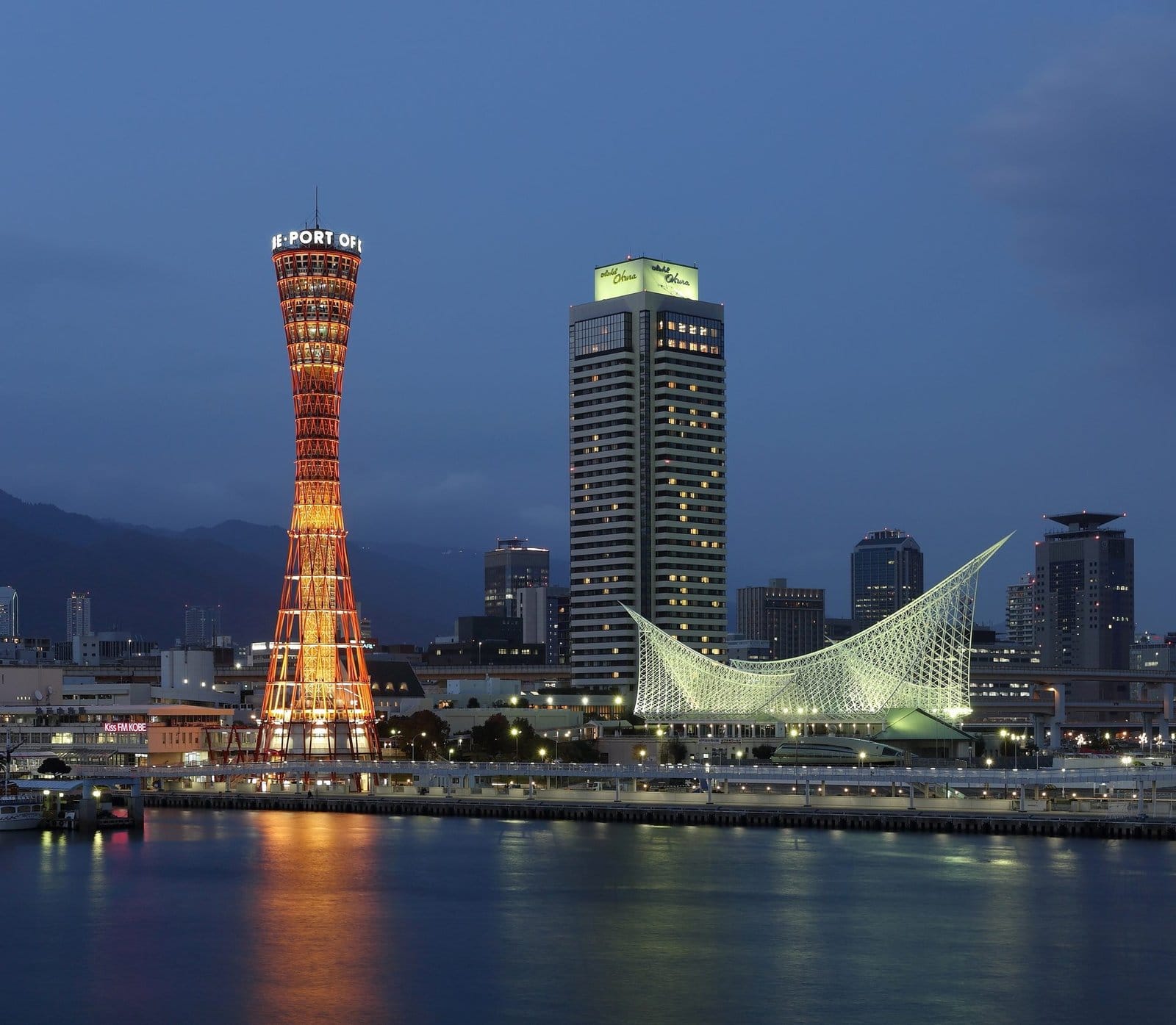
When preparing to live and work in the Kansai (関西 - Kansai) region, many trainees, engineers, international students, and Vietnamese families find themselves deciding between Osaka and Kobe. Osaka is famous for its lively atmosphere, but it also has high rents and crowded streets. Kobe, by contrast, offers a more comfortable living environment, with Mount Rokko behind it and the sea stretching out in front. In particular, Kobe is home to one of the oldest and most closely connected Vietnamese communities in Japan. However, Kobe is made up of 9 wards (区 - ku), each with notably different rents and living environments. Choosing an area that fits your budget, offers convenient transportation, and is close to the community can significantly reduce your expenses and make the initial adjustment easier.
In this article, the OlaChill editorial team takes a detailed look at the most popular areas for Vietnamese residents in Kobe, including Nagata, Hyogo-ku, and the waterfront, while comparing actual rental prices and sharing advice on traveling between Kobe and Osaka.
Why Is Kobe an Ideal Base for Vietnamese Residents in Kansai?
Kobe is not only an important economic and port center in Hyogo Prefecture but also attracts large numbers of foreign residents thanks to its clean and safe living environment.
- A well-balanced living environment: Kobe has a unique landscape, with mountains to the north and the sea to the south. Its climate is slightly cooler than central Osaka in summer, and its population density is moderate—not overly hectic, yet still equipped with all the conveniences of a modern city.
- A long-established Vietnamese community: Unlike places where Vietnamese communities have only formed recently, Vietnamese people in Kobe—particularly in Nagata-ku and Hyogo-ku—have been settling there since the 1970s - 1980s (the refugee era) and grew rapidly after the 1995 Hanshin-Awaji Earthquake. As a result, the area has an abundance of Vietnamese support groups, Vietnamese restaurants, and supermarkets selling familiar ingredients from home.
- More affordable rents than Osaka: Although Kobe is only around 20-30 minutes away from Osaka by train, average rents in Kobe are 15% to 30% lower than in Osaka, depending on the ward.
Comparing Rental Prices in Kobe and Osaka (As of August 2026)
To give you a clearer idea of your monthly budget, the table below summarizes average apartment rents by unit type in several prominent wards of Kobe and central Osaka.
Note: These figures are current as of August 2026, using an approximate exchange rate of 1 JPY ≈ 160 VND.
| Area / Ward | 1K / 1DK (One person) | 1LDK / 2K (Couple / 2 people) | 2LDK / 3LDK (Family) |
|---|---|---|---|
| Nagata-ku (Kobe) | 40,000 – 50,000 JPY (~6,4 – 8,0 million VND) |
55,000 – 70,000 JPY (~8,8 – 11,2 million VND) |
70,000 – 85,000 JPY (~11,2 – 13,6 million VND) |
| Hyogo-ku (Kobe) | 45,000 – 58,000 JPY (~7,2 – 9,3 million VND) |
65,000 – 80,000 JPY (~10,4 – 12,8 million VND) |
80,000 – 100,000 JPY (~12,8 – 16,0 million VND) |
| Chuo-ku / Kobe Waterfront | 55,000 – 72,000 JPY (~8,8 – 11,5 million VND) |
85,000 – 115,000 JPY (~13,6 – 18,4 million VND) |
120,000 – 160,000 JPY (~19,2 – 25,6 million VND) |
| Osaka Central (Kita/Naniwa) | 65,000 – 85,000 JPY (~10,4 – 13,6 million VND) |
100,000 – 140,000 JPY (~16,0 – 22,4 million VND) |
140,000 – 220,000 JPY (~22,4 – 35,2 million VND) |
The comparison shows that renting a 1K apartment in Nagata-ku costs only around 4,5萬 JPY per month (approximately 7,2 million VND), whereas a unit of the same size in central Osaka costs from 6,5萬 - 8,5萬 JPY per month.
A Detailed Look at the Best Rental Areas for Vietnamese Residents in Kobe
1. Nagata-ku (長田区 - Nagata-ku): The “Capital” of Kobe’s Long-Established Vietnamese Community
- Overview: Nagata-ku is located west of central Kobe. It is the area with the largest concentration of Vietnamese residents in Hyogo Prefecture. The district is home to the Tetsujin 28-go monument at Shin-Nagata Station (新長田駅 - Shin-Nagata eki).
- Advantages:
- Rents are among the lowest of Kobe’s central wards.
- Around Shin-Nagata and Komagabayashi stations (駒ヶ林駅), you will find many Vietnamese grocery stores, pho restaurants, banh mi shops, and Vietnamese-owned restaurants.
- Multicultural support centers such as the Kobe Foreigners Friendship Center (KFC) assist Vietnamese residents with procedures, language support, and their children’s education.
- Disadvantages: Many buildings are older, although the interiors of many apartments have been renovated / リフォーム - reform.
- Best suited for: Trainees, newcomers to Japan who want to keep costs down, and families with young children who want to live close to the Vietnamese community.
2. Hyogo-ku (兵庫区 - Hyogo-ku): Affordable and Conveniently Connected
- Overview: Located between Chuo-ku, the city center, and Nagata-ku. The main stations include Hyogo (兵庫駅), Shinkaichi (新開地駅), and Minatogawa (湊川駅).
- Advantages:
- Its excellent location means it takes only around 5-7 minutes by train to reach central Sannomiya.
- Minatogawa Shopping Street (湊川商店街) is one of Kobe’s liveliest traditional markets, offering fresh food, vegetables, seafood, and exceptionally affordable prices.
- Rents are considerably lower than in Chuo-ku, while the quality of housing and transportation infrastructure is highly modern.
- Disadvantages: The area around Shinkaichi Station has many lively bars and restaurants at night, and some streets can be somewhat noisy.
- Best suited for: Engineers and office workers commuting to Sannomiya or Osaka, as well as people who enjoy shopping at markets and cooking at home.
3. Chuo-ku & the Waterfront Area (中央区 - Chuo-ku): Bustling and Modern
- Overview: This is Kobe’s central ward and the heart of the city, encompassing Sannomiya (三宮), Motomachi (元町), Kobe Station (神戸駅), and the Harborland waterfront area (ハーバーランド).
- Advantages:
- Extremely lively, with major shopping centers, restaurants, companies, and entertainment venues all concentrated here.
- The scenery around the harbor is beautiful, making it ideal for people who enjoy a modern, energetic lifestyle.
- Trains to Osaka are extremely convenient because this is a major transportation hub.
- Disadvantages: Rents are the highest in Kobe, and parking fees are quite expensive.
- Best suited for: International students attending language schools or universities around Sannomiya, engineers with relatively high incomes, and people who prioritize living near the city center.
Traveling Between Kobe and Osaka: The Best Transportation Options for Commuters and Students
Many Vietnamese residents choose to rent in Kobe because rents are lower, while working or studying in Osaka. The two cities are only about 30km apart and are very well connected by 3 major railway lines:
- JR Tokaido/Sanyo Main Line (JR 神戸線):
- Rapid Service (新快速 - Shin-kaisoku): It takes only 21 - 22 minutes from Sannomiya Station to Osaka Station (Umeda). A one-way ticket costs 420 JPY (~67.000 VND). This is the fastest option, but trains are often quite crowded during peak hours.
- Hankyu Kobe Line (阪急神戸線):
- Tokyu Train (特急 - Limited Express): It takes 25 minutes from Kobe-Sannomiya Station to Osaka-Umeda. The fare is exceptionally affordable at just 330 JPY (~53.000 VND). Hankyu trains are known for being clean, attractive, and comfortable.
- Hanshin Main Line (阪神本線):
- It takes 30 minutes from Kobe-Sannomiya to Osaka-Umeda (fare: 330 JPY). If you want to travel directly to the Namba area (難波), you can take the Hanshin Namba Line, which takes around 45 minutes (fare: 420 JPY).
Tip: If your company covers the cost of a monthly commuter pass (Commuter Pass - 通勤定期券 / Tsuukin Teikiken), JR is the best choice for the fastest commute. If you pay your own transportation costs, the Hankyu or Hanshin lines can help you save money each month.
Initial Rental Costs in Kobe & Important Japanese Terms
When signing a rental contract in Japan, in addition to the first month’s rent, you should prepare initial costs (初期費用 - Shoki hiyou) totaling approximately 3 - 4 times one month’s rent.
Key Fees and Terms to Remember:
- 敷金 (Shikikin - Security deposit): Usually equivalent to 1 month’s rent. This amount is used to cover repairs for damage when you move out, and any remaining balance is refunded.
- 礼金 (Reikin - Key money): Usually equivalent to 1 month’s rent, depending on the apartment. This is a gift to thank the landlord and is NOT refundable.
- 共益費 (Kyoekihi) / 管理費 (Kanrihi - Maintenance / Common-area fees): 3,000 – 8,000 JPY/month, paid together with the rent to maintain elevators, hallway lighting, and garbage disposal.
- 保証会社 (Hoshogaisha - Guarantee company): A fee of approximately 50% – 100% of the first month’s rent. This is mandatory for most foreign residents who do not have a personal guarantor in Japan.
- 鍵交換代 (Kagi kokandai - Lock replacement fee): Approximately 15,000 – 22,000 JPY when moving into a new home.
- 火災保険 (Kasai hoken - Fire insurance): Approximately 15,000 – 20,000 JPY for 2 years.
- 住民票 (Juminhyo - Certificate of residence): An administrative document obtained from the City Hall/Ward Office (区役所 - Kuyakusho) that must be submitted to the real estate company.
Note as of August 2026: These days, quite a few apartments in Nagata and Hyogo-ku offer 敷金礼金ゼロ (no deposit and no key money) or are UR Housing properties (government-managed apartments with no brokerage fee, no key money, and no guarantor required).
Frequently Asked Questions
Q. Is it easy for someone who is not good at Japanese to rent a home in Nagata or Hyogo-ku?
Yes. Because Nagata and Hyogo-ku have large international populations, many real estate companies in the area are accustomed to working with foreign residents. You can also ask community support centers such as KFC Kobe or Vietnamese-operated real estate agencies in Kansai for assistance.
Q. Does commuting to Osaka from a home in Kobe take too much time?
Not really. The rapid JR Shin-kaisoku train takes only 21 minutes from Sannomiya to Osaka Station. Including the time needed to walk from your home to the station, the total one-way commute typically ranges from 35 - 50 minutes—roughly equivalent to living in one of Osaka’s outer wards.
Q. How much are the total monthly living expenses for 1 person living in Kobe?
As of August 2026, a frugal single resident in Kobe will spend approximately 90,000 – 120,000 JPY/month (~14,4 – 19,2 million VND) on average. This includes rent (45,000 JPY), electricity, water, gas, and internet (15,000 JPY), groceries for home cooking (30,000 JPY), and other personal living expenses.
Q. What documents do I need to prepare when applying to rent a home in Kobe?
You will need: a Residence Card (在留カード - Zairyu card), Passport, Certificate of Residence 住民票 (Juminhyo), health insurance card, proof of income or an employment contract/student certificate, and a Japanese bank account for automatic monthly rent payments.
Summary
Kobe is an excellent choice for Vietnamese residents looking for a peaceful, affordable home while still enjoying convenient access to work throughout the Kansai region. If you want to minimize costs and live near a large Vietnamese community, Nagata-ku should be your top choice. If you prefer a balance between convenience and affordability, choose Hyogo-ku. If you have a larger budget and enjoy a lively atmosphere, Chuo-ku/the waterfront is the ideal location.
More Reading on OlaChill:
- Learn more about the experience and procedures involved in renting a home in Japan through the detailed article on OlaChill Blog.
- Read more about registering administrative documents and everyday life for newcomers at OlaChill.
- If you have time off or a weekend free, you can enjoy exciting travel programs at Day Tours from Tokyo.
Comments
No reviews yet — be the first!
More from this region — Kyoto, Nara & Kansai
View all →
Kyoto by Private Alphard: A Comfortable Day for Small Groups
8 min · tips
Chartering a 45-Seat Bus in Kyoto: A Complete Group Travel Guide
9 min · tips
Charter Bus vs Shinkansen for Groups: The Real Tokyo–Kyoto Math
8 min · tips
Tokyo to Kyoto by Charter Bus: Route Time, Stops and When It Makes Sense
9 min · tips