
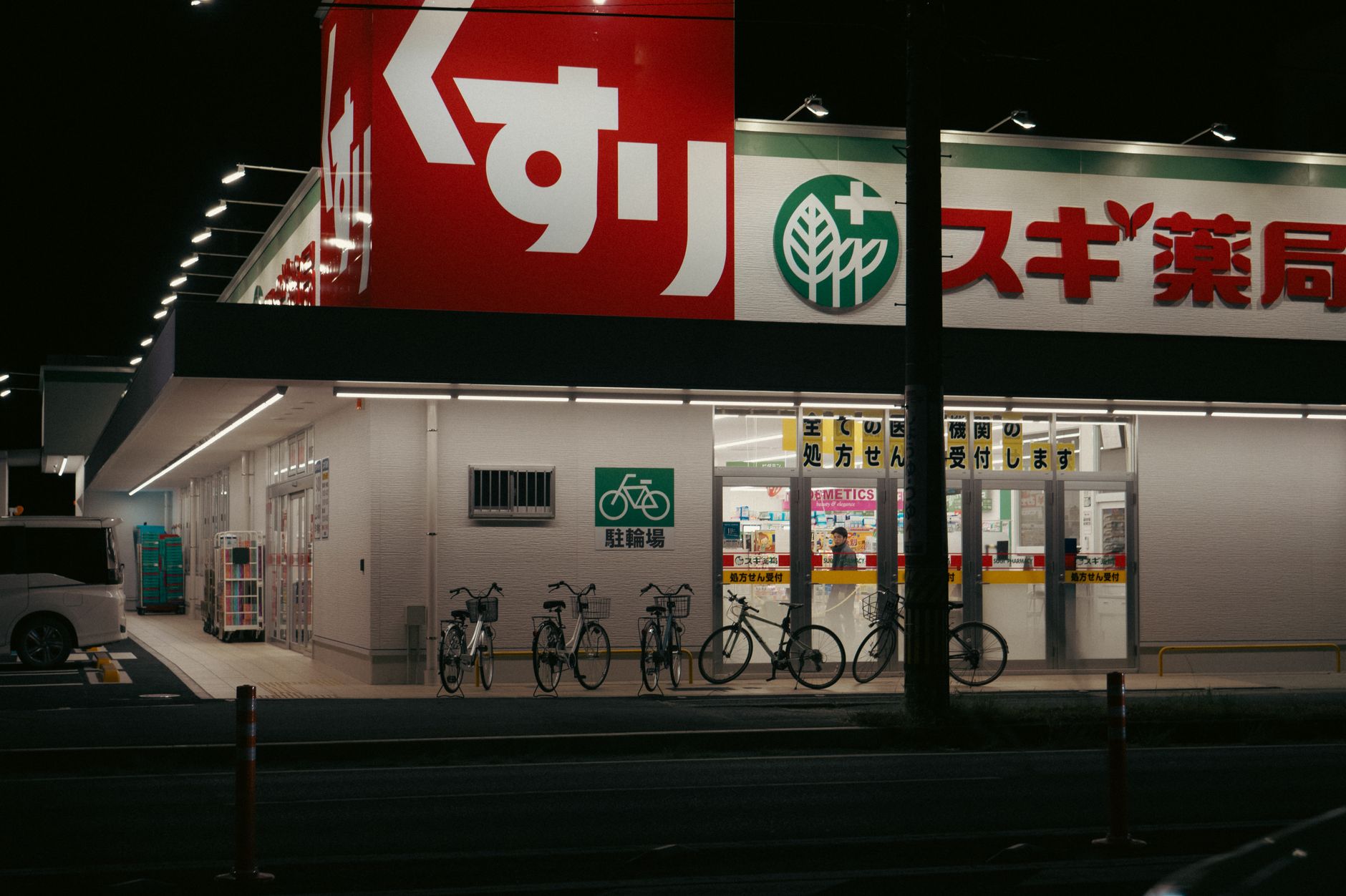
Apporter ses médicaments au Japon et acheter des médicaments au Japon
Les règles générales pour emporter ses médicaments sur ordonnance au Japon, les cas où le certificat d’importation Yakkan Shoumei s’applique, les substances interdites, le fonctionnement des ordonnances et des pharmacies après une consultation à l’hôpital, ainsi que les produits vendus ou non dans les drugstores japonais.
6 sept. 2026·✍️ olablog·⏱ 6 min de lecture
Les règles générales pour emporter ses médicaments sur ordonnance au Japon, les cas où le certificat d’importation Yakkan Shoumei s’applique, les substances interdites, le fonctionnement des ordonnances et des pharmacies après une consultation à l’hôpital, ainsi que les produits vendus ou non dans les drugstores japonais.
Deux questions reviennent dans presque tous les séjours médicaux que nous organisons : puis-je apporter les médicaments que je prends déjà, et comment obtenir les médicaments prescrits par un établissement japonais ? Les deux questions ont des réponses claires, mais il faut d’abord poser une limite. Les règles d’importation relèvent des douanes et du ministère de la Santé ; nous pouvons uniquement vous orienter et vous rappeler de vérifier les informations. Le choix des traitements relève de la médecine et se décide entre vous et vos médecins. Voici donc les aspects pratiques.
Partie 1 : apporter ses propres médicaments
La franchise générale
Le Japon autorise les voyageurs à apporter des médicaments sur ordonnance pour leur usage personnel sans formalités, dans une certaine limite généralement présentée comme l’équivalent d’un mois de traitement pour les médicaments sur ordonnance. Des limites différentes s’appliquent aux produits en vente libre et à certaines formes, comme les injectables. Conservez les médicaments dans leur emballage d’origine, avec l’ordonnance ou une lettre du médecin indiquant le nom générique, le dosage et le fait qu’ils vous sont destinés.
Quand le Yakkan Shoumei s’applique
Au-delà de la franchise autorisée, ou pour certaines catégories quelle que soit la quantité, le Japon exige un certificat d’importation demandé à l’avance. Il s’agit du Yakkan Shoumei et, depuis les récentes modifications, la demande se fait via un système en ligne géré par le ministère de la Santé. Vous fournissez les détails du médicament, la quantité et vos dates de voyage, puis recevez un certificat à présenter aux douanes. La procédure prend du temps : commencez bien avant votre vol. Nous avons consacré un article distinct aux médicaments sur ordonnance et au Yakkan Shoumei, avec davantage de détails.
Les substances interdites
Certains médicaments courants dans d’autres pays sont réglementés ou interdits au Japon, et les transporter peut entraîner de graves problèmes, même avec une ordonnance étrangère. Les médicaments stimulants utilisés pour les troubles de l’attention sont l’exemple le plus souvent cité ; certains décongestionnants et certains produits à base de codéine sont également soumis à des restrictions. La liste relève du ministère de la Santé, pas de nous. Si vous prenez un médicament dont vous n’êtes pas sûr, renseignez-vous auprès de l’ambassade du Japon ou du ministère avant de partir et, si nécessaire, demandez à votre médecin de vous proposer une alternative pour le voyage.
Conseils pratiques pour les bagages
- Transportez vos médicaments dans votre bagage à main, et non dans vos bagages enregistrés.
- Une liste des médicaments indiquant les noms génériques, les dosages et les horaires, en anglais, conservée avec votre passeport.
- Une quantité suffisante pour la durée prévue du séjour, avec une marge en cas de changement de programme, dans les limites autorisées ou accompagnée du certificat requis.
- Pour les médicaments qui doivent rester au frais : une petite pochette isotherme, et prévenez l’hôtel ; la plupart des chambres disposent d’un réfrigérateur.
Partie 2 : obtenir des médicaments prescrits au Japon
Les ordonnances sont délivrées en dehors de l’hôpital
Au Japon, la plupart des hôpitaux et des cliniques vous remettent une ordonnance papier plutôt que le médicament lui-même. Vous l’apportez dans une pharmacie, souvent celle qui se trouve juste à la sortie de l’hôpital ou de l’autre côté de la rue ; le pharmacien prépare les médicaments et vous explique leur posologie. Les ordonnances ont une durée de validité courte, généralement de quelques jours : faites-les délivrer le jour même.
Que se passe-t-il à la pharmacie ?
Vous remettez l’ordonnance et, si vous en avez une, la carte de patient de l’établissement. Le pharmacien peut vous poser des questions sur vos allergies et les autres médicaments que vous prenez. Les médicaments sont accompagnés d’une notice imprimée, généralement en japonais, qui indique chaque produit, le nombre de prises quotidiennes et s’il doit être pris avant ou après les repas. Si vous avez réservé un interprète médical certifié pour ce jour et que le temps prévu couvre la pharmacie, il interprète les explications du pharmacien et lit la notice avec vous. L’interprète ne prend aucune décision : il interprète.
Le paiement
La pharmacie se règle séparément de l’hôpital, à son propre comptoir, par carte ou en espèces. Conservez le reçu avec celui de l’hôpital si vous envisagez de demander un remboursement à votre assurance dans votre pays.
Partie 3 : drugstores et produits en vente libre
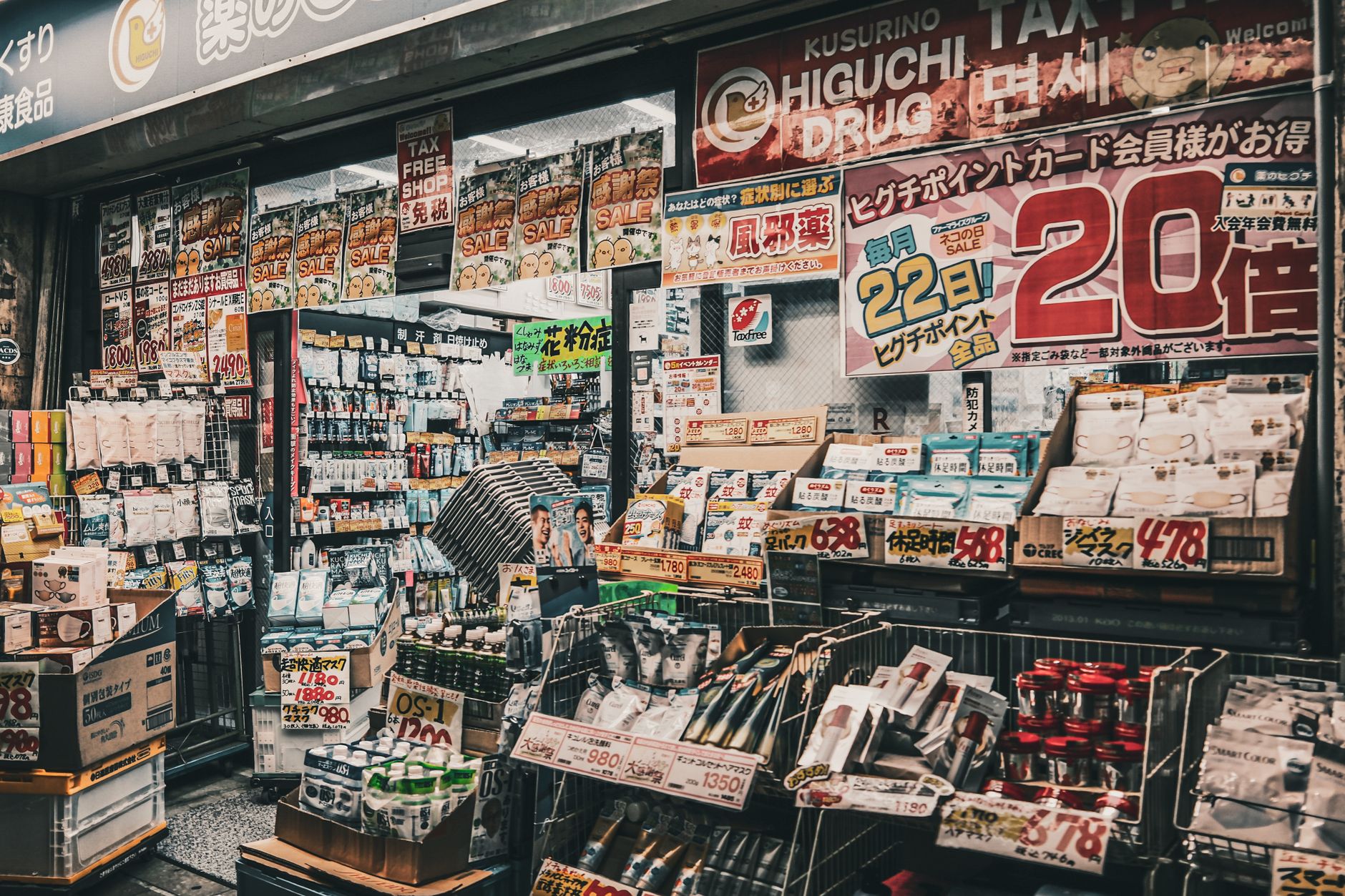
Les drugstores japonais sont grands, bien approvisionnés et ouverts tard. Ils vendent des médicaments en vente libre contre le rhume, la douleur, les troubles digestifs, les allergies et les problèmes de peau, ainsi que des produits du quotidien. Les étiquettes sont en japonais ; certaines chaînes disposent de personnel parlant anglais ou chinois dans leurs magasins centraux.
Ce que nous pouvons faire : vous orienter vers un drugstore proche de l’hôtel. Ce que nous ne faisons pas : recommander un médicament. Si vous suivez un traitement ou êtes en période post-opératoire, demandez à votre médecin ou au pharmacien qui a délivré votre ordonnance avant d’acheter quoi que ce soit en vente libre, car les interactions relèvent d’une question médicale.
À propos des horaires et de la conservation au frais
Les pharmacies rattachées aux hôpitaux suivent les horaires de l’hôpital, généralement en journée du lundi au vendredi et le samedi matin ; une ordonnance reçue tard le vendredi après-midi doit être délivrée avant votre départ du quartier de l’hôpital, et non le dimanche. Certains médicaments délivrés au Japon doivent être conservés au réfrigérateur ; demandez conseil au pharmacien et prévenez la réception de l’hôtel si le réfrigérateur de la chambre ne refroidit pas suffisamment. La voiture vous ramène directement à l’hôtel avec le sac de la pharmacie ; demandez au pharmacien d’inscrire l’heure de la première prise sur le sac.
Ramener des médicaments japonais chez soi
Votre propre pays applique également des règles d’importation. Un médicament sur ordonnance délivré au Japon doit généralement être accompagné de l’ordonnance ou de la notice de la pharmacie pour pouvoir voyager avec vous. Consultez les consignes douanières de votre pays avant votre vol retour, en particulier s’il s’agit de quantités importantes correspondant à un traitement de longue durée.
En bref
Apportez vos médicaments habituels dans leur emballage d’origine, avec une liste de leurs noms génériques, dans les limites autorisées ou avec un certificat Yakkan Shoumei demandé suffisamment tôt. Vérifiez tout médicament dont vous n’êtes pas sûr auprès de l’ambassade du Japon ou du ministère de la Santé avant votre départ. Au Japon, faites délivrer vos ordonnances à la pharmacie le jour même, avec un interprète qui lira la notice avec vous si vous en avez réservé un. N’achetez des produits en vente libre qu’après avoir demandé conseil à votre médecin ou à votre pharmacien si vous êtes sous traitement.
Pour avoir une vue d’ensemble de la manière dont nous organisons un séjour médical, notamment l’aide pour trouver un interprète médical certifié, consultez la page consacrée aux séjours médicaux.
Plus d'articles dans cette région — Autres
Tout voir →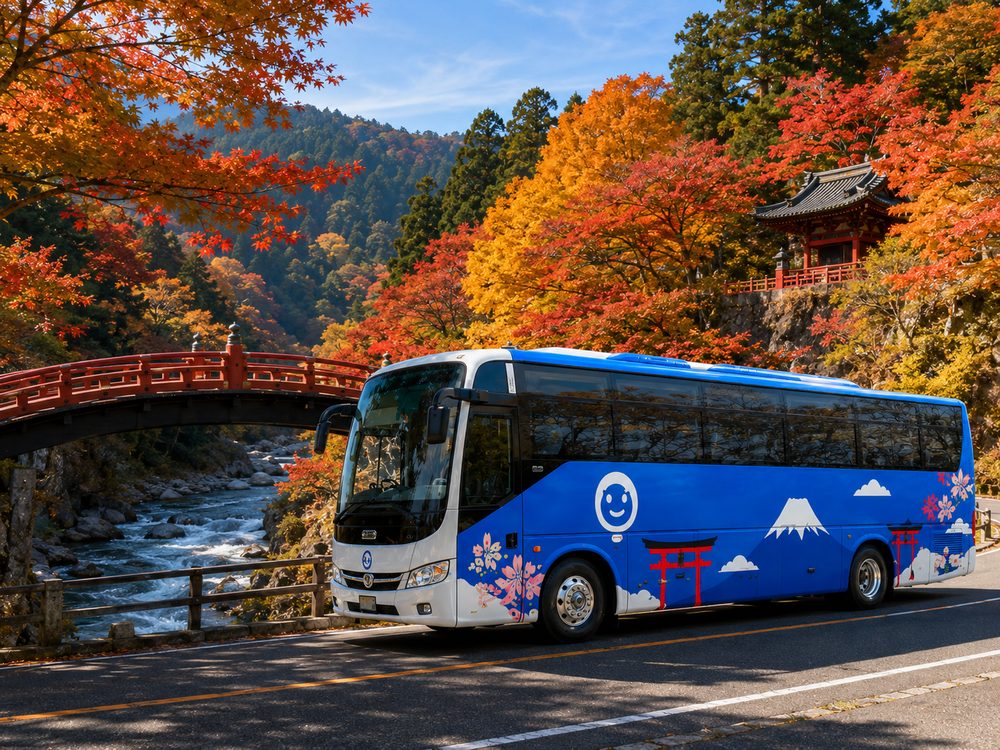
Caractéristiques des autocars au Japon : Wi-Fi, karaoké, toilettes et plus encore
11 min · tips
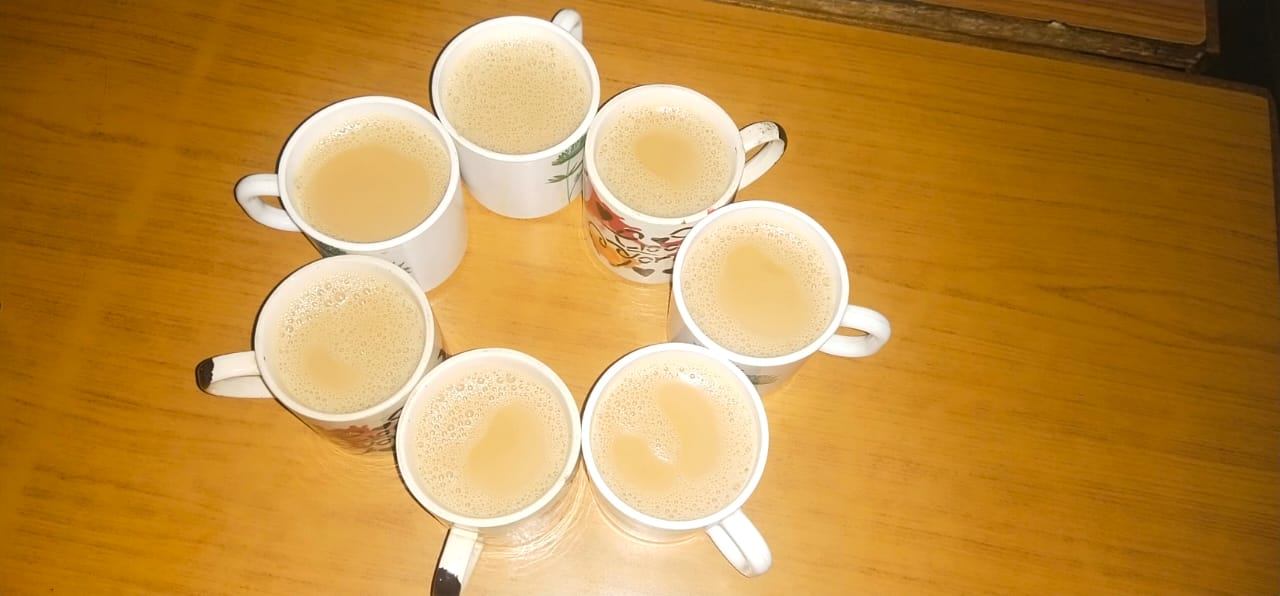
Le guide du Japon du chaï pour les amateurs de thé
20 min · food

Prix de location d’un minibus de 29 places au Japon : à quoi s’attendre
10 min · tips
Combien coûte un autocar affrété de 45 places au Japon ?
9 min · tips