Difference #1: Fabric
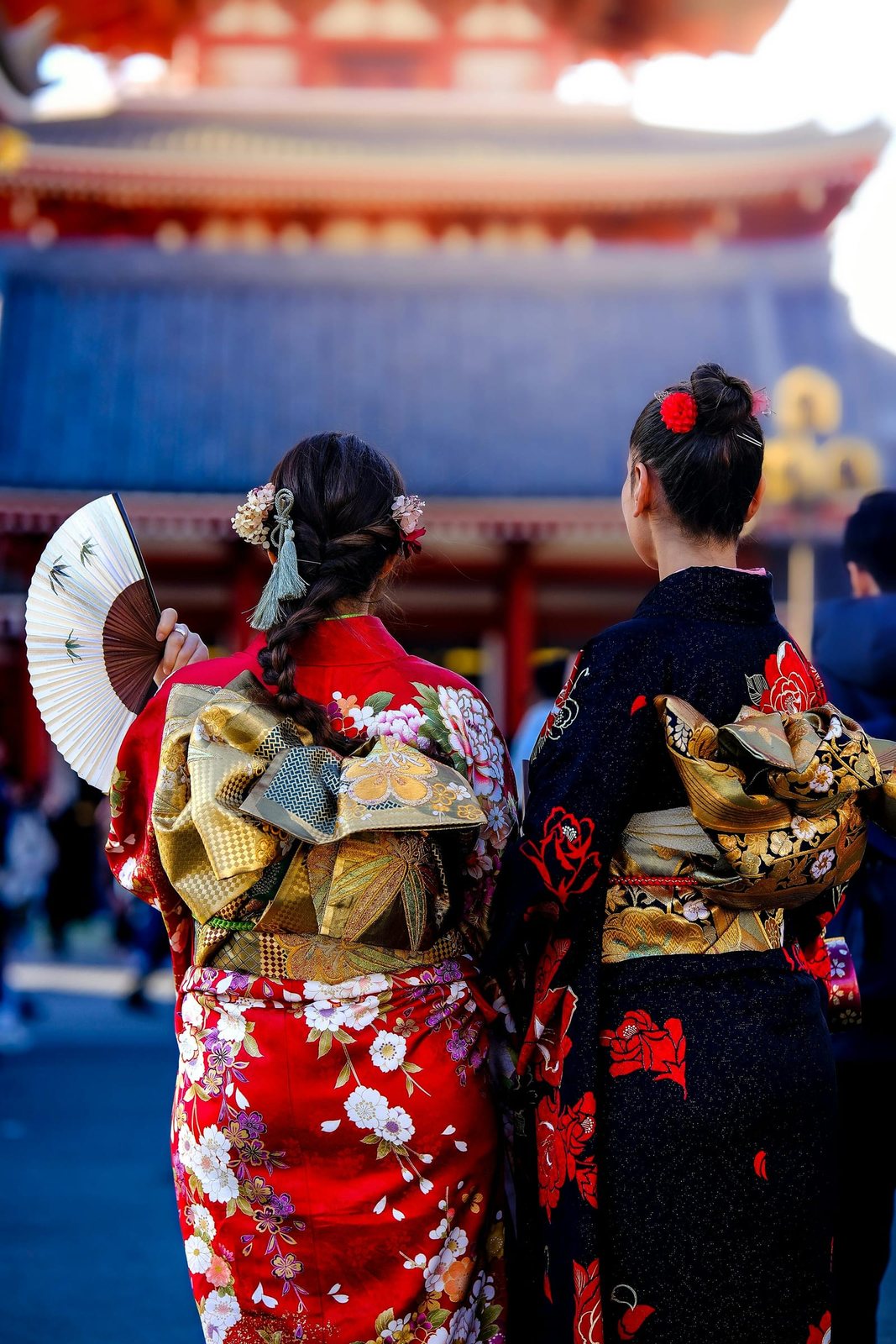
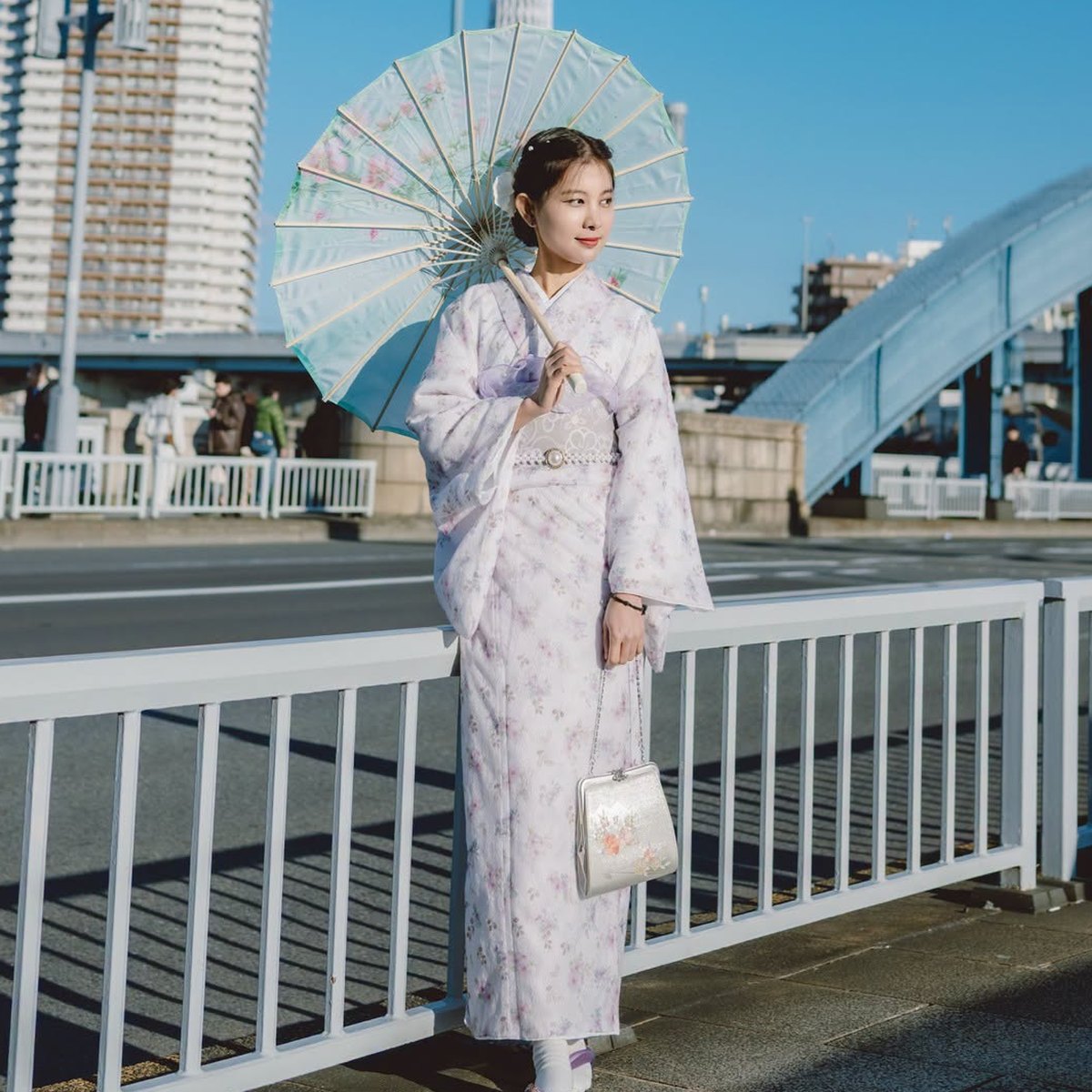
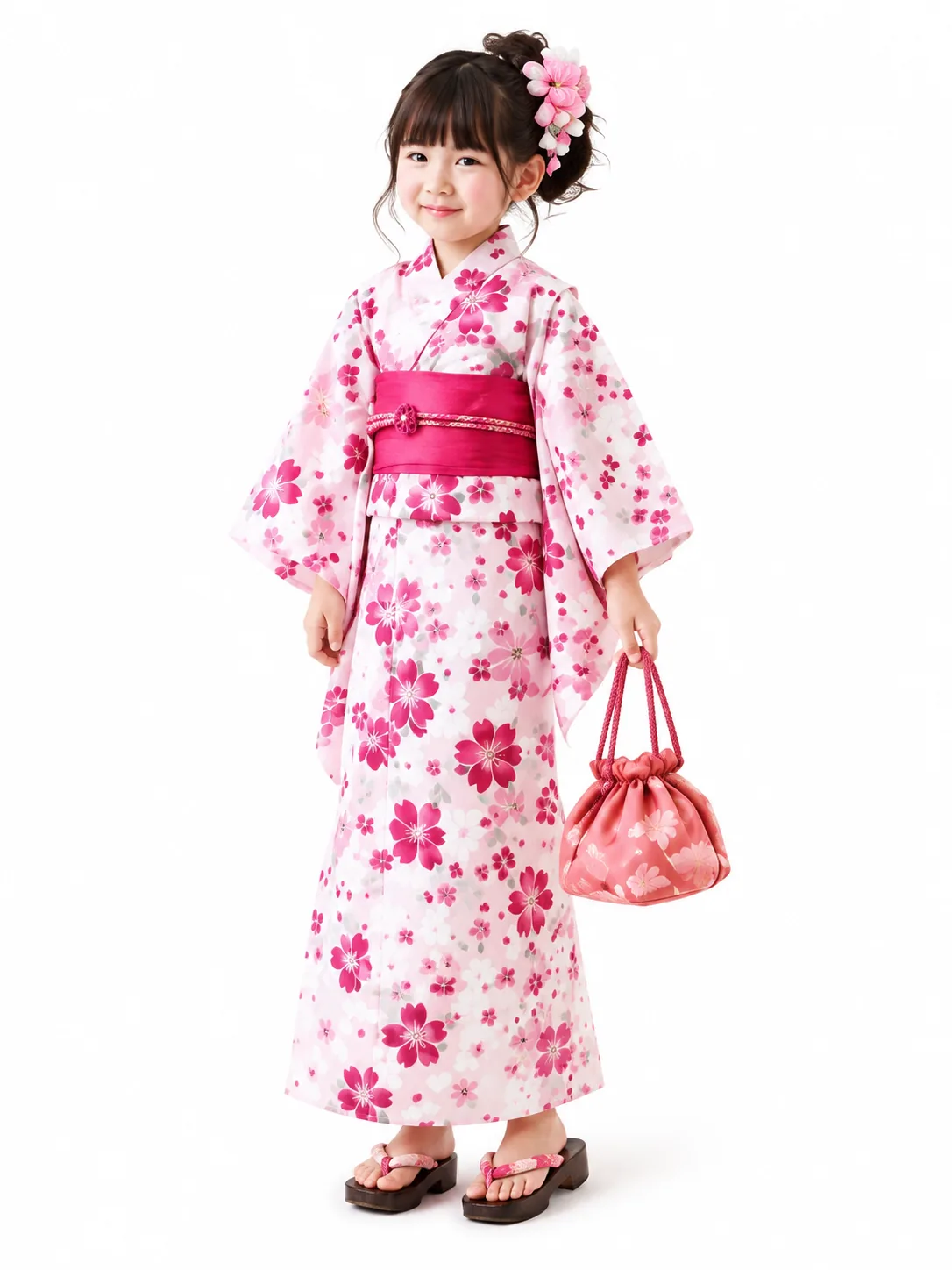
**Kimono**: High-quality silk or polyester. Several inner layers (juban, hadajuban). Very warm. **Yukata**: 100% cotton, just 1 SINGLE LAYER. Lightweight and breathable. Machine-washable (kimono must be dry-cleaned). Yukata is cheaper to produce, so rental prices are lower.
Difference #2: Season + occasions
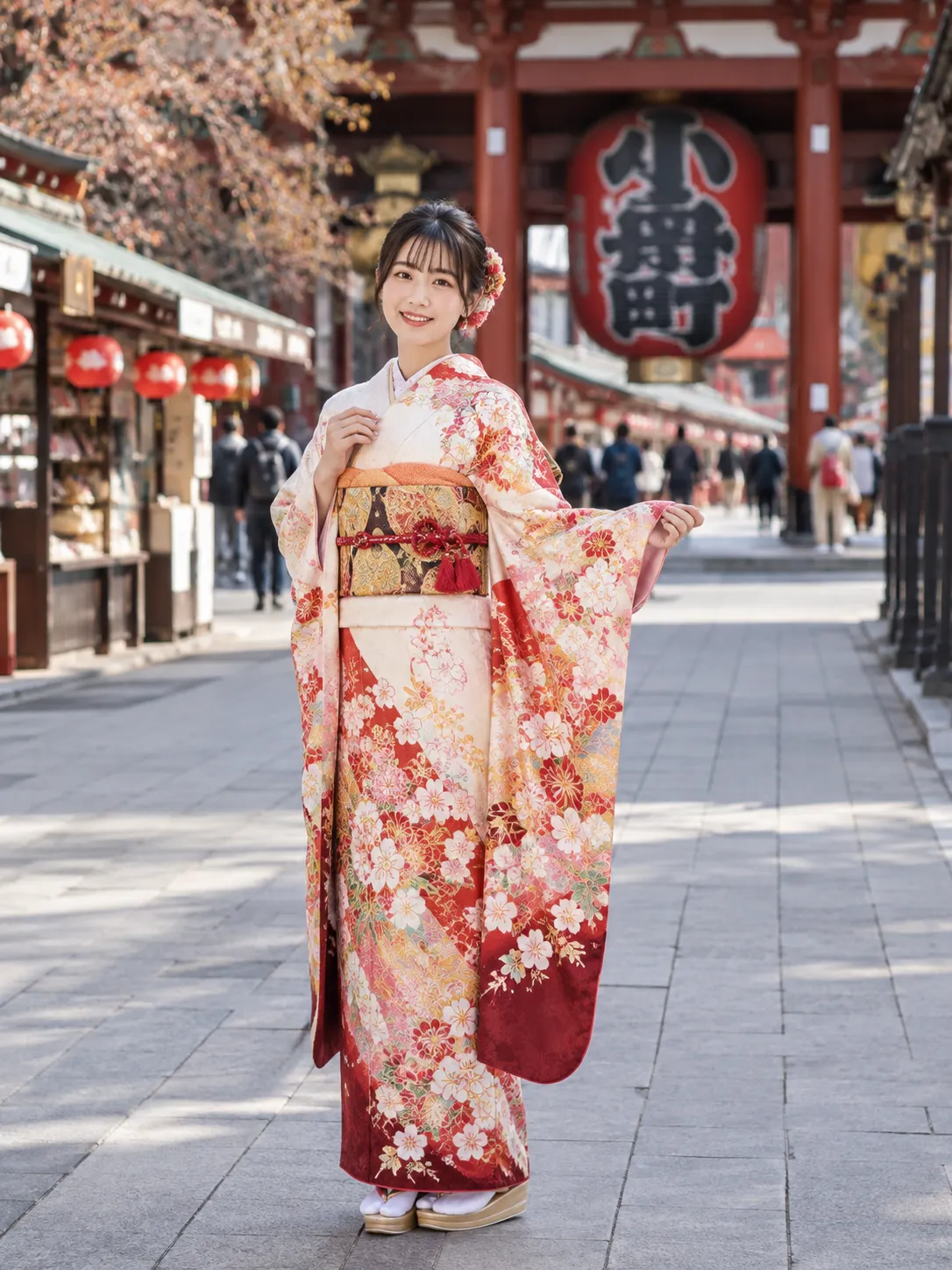
**Kimono**: Worn year-round, especially during the autumn foliage season (T10-11), sakura season (T3-4), weddings, and New Year. Formal. **Yukata**: ONLY for summer (T6-9), worn to matsuri (festivals), hanabi (fireworks), and in onsen towns. Casual. Wearing a thick kimono in summer is considered inappropriate.
Difference #3: Footwear + accessories
**Kimono**: zori (raised wooden sandals), tabi socks (split-toe socks). **Yukata**: geta (raised sandals with 2 teeth), with NO tabi required (worn barefoot). A yukata obi is thinner and easier to tie. A kimono obi is 30cm wide and requires more advanced tying techniques.
Difference #4: Prices at OlaChill
**Kimono** (adults): from ¥4,500 up to ¥22,500. **Yukata** (adults): from ¥3,600. These are online prices; hair styling is extra. Yukata cost less because they have fewer layers and are quicker to put on — in summer they are both cheaper and cooler.
When to choose Yukata over Kimono?
✓ Visiting Japan in June–September (above 28°C). ✓ Going to a matsuri, hanabi or onsen town. ✓ On a tight budget — adult yukata start at ¥3,600. ✓ Renting for the first time — yukata are easy to wear and less restrictive. Choose kimono for: October–December autumn leaves, March–April sakura, formal occasions, or if you want photos in a Furisode.
Book your kimono now
2 shops · From ¥2,700 · Full set and dressing included · Free cancellation up to 2 days before
👘 See 14 plans →