Classifica: dove l'inglese funziona davvero in Giappone (da Tokyo al Kyushu rurale)
A Tokyo, Kyoto e Osaka l'inglese è facile; a Sapporo e Fukuoka la situazione è mista; nel Kyushu rurale e nello Shikoku si parla praticamente solo giapponese. Scopri la classifica completa delle città divisa in tre livelli e le app di traduzione su cui gli americani fanno davvero affidamento.
28 mar 2026·✍️ olablog·⏱ 9 min di lettura
A Tokyo, Kyoto e Osaka l'inglese è facile; a Sapporo e Fukuoka la situazione è mista; nel Kyushu rurale e nello Shikoku si parla praticamente solo giapponese. Scopri la classifica completa delle città divisa in tre livelli e le app di traduzione su cui gli americani fanno davvero affidamento.
Tocca una regione per vedere gli articoli
La vera risposta che gli americani vogliono
Si può viaggiare in Giappone senza parlare giapponese? Sì, nelle grandi città. Non con la stessa facilità dell'Europa, ma abbastanza agevolmente. Nei piccoli centri e nei ristoranti locali più autentici serviranno app di traduzione.
Città di livello 1 — insegne, menu e nozioni di base del personale in inglese: Tokyo, Kyoto, Osaka, Yokohama, Nagoya
Livello 2 — l'inglese varia, ma gli strumenti bilingui funzionano: Sapporo, Fukuoka, Hiroshima, Nara
Livello 3 — preparati a trovare solo il giapponese: Kyushu rurale, Shikoku, località termali di montagna, ovunque fuori dalla rete dello Shinkansen
Livello 1: Tokyo, Kyoto, Osaka, Yokohama, Nagoya (ottimo)
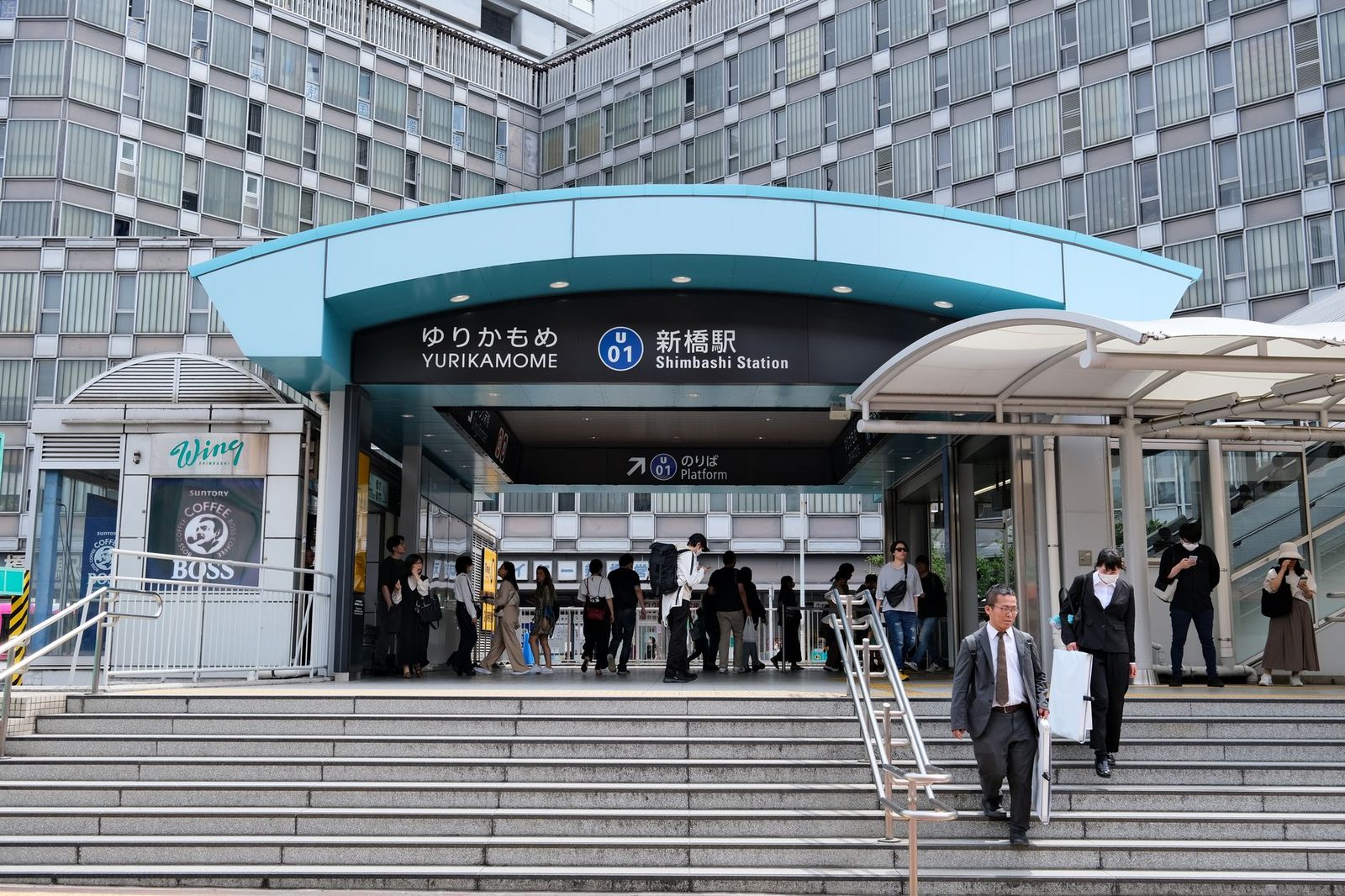
Tokyo
- Trasporti: tutta la segnaletica JR e Metro è bilingue. Sulle linee principali gli annunci sono anche in inglese. Il personale delle stazioni di Shinjuku, Tokyo e Shibuya parla un inglese di base.
- Hotel: negli hotel da 3 stelle in su troverai sempre personale alla reception che parla inglese.
- Ristoranti: le catene internazionali e i locali nelle zone turistiche hanno menu in inglese. Nei piccoli izakaya spesso non ci sono, ma il personale indicherà le foto.
- Negozi: i grandi magazzini (Isetan, Mitsukoshi) offrono assistenza in inglese. Nelle piccole boutique dovrai affidarti ai gesti e a Google Translate.
- Tassisti: l'inglese è minimo. Mostra la destinazione sul telefono (uno screenshot della mappa o il biglietto dell'hotel).
- La realtà: passerai tutto il giorno a interagire con giovani addetti al servizio nei caffè, nei konbini e da Uniqlo. Spesso parlano un inglese discreto, soprattutto dal 2018, quando l'inglese è diventato di fatto un requisito per le assunzioni nel commercio al dettaglio a Tokyo.
Difficoltà per gli americani: ⭐⭐ (2/5) — molto gestibile
Kyoto
La situazione è simile a Tokyo: il personale parla un inglese leggermente meno fluente, ma la segnaletica rivolta ai turisti è MOLTO più diffusa.
- Stazione di Kyoto: tutto in inglese
- Templi: opuscoli in inglese nella maggior parte dei siti principali
- Gion/Pontocho: ristoranti e locali completamente accessibili in inglese
- Sistema degli autobus: bilingue ma confuso — usa Google Maps per pianificare il percorso
- Kyoto Craft Beer Pub, Katsukura, Ippudo: menu in inglese
Difficoltà: ⭐⭐ (2/5)
Osaka
Osaka è più rumorosa, calorosa e orientata alla contrattazione rispetto a Tokyo: il personale spesso si impegna di più con l'inglese, grazie all'enorme afflusso turistico di Dotonbori.
- Stazione di Shin-Osaka: bilingue ed efficiente
- Dotonbori: menu in inglese al 100%
- Zona del Castello di Osaka: insegne e audioguide in inglese
Difficoltà: ⭐⭐ (2/5)
Yokohama e Nagoya
- Yokohama: una cultura anglofona nata dopo l'arrivo del Commodoro Perry e l'atmosfera internazionale di una città portuale. È facile cavarsela.
- Nagoya: meno frequentata dai turisti, quindi l'inglese è meno diffuso, ma tutte le infrastrutture sono bilingui.
Difficoltà: ⭐⭐⭐ (2.5/5)
Livello 2: Sapporo, Fukuoka, Hiroshima, Nara (situazione mista)
Sapporo (Hokkaido)
- Il turismo invernale favorisce una certa presenza dell'inglese — le zone di Niseko e Furano sono molto frequentate dagli sciatori
- Nel centro di Sapporo l'inglese va bene negli hotel e nei ristoranti delle zone turistiche
- Appena fuori dalle strade principali, l'inglese diminuisce rapidamente
- Taxi: inglese quasi inesistente; tieni pronto il nome dell'hotel in giapponese
Difficoltà: ⭐⭐⭐ (3/5)
Fukuoka (Kyushu)
- Ha un aeroporto internazionale, ma è meno orientata ai turisti stranieri in arrivo rispetto a Tokyo
- Hotel: inglese discreto
- Ramen molto famosi (Ichiran, Ippudo): menu in inglese
- Locali frequentati dalla gente del posto: quasi esclusivamente in giapponese
- Minimarket: il sistema «indica e paga» funziona
Difficoltà: ⭐⭐⭐ (3/5)
Hiroshima
- Museo Memoriale della Pace: ampia segnaletica in inglese
- Traghetto e isola di Miyajima: inglese adatto ai turisti
- Ristoranti di okonomiyaki a Hiroshima: menu in inglese a Okonomi-mura
- Fuori dalle zone turistiche: solo giapponese
Difficoltà: ⭐⭐⭐ (2.5/5)
Nara
- Tōdai-ji, parco dei cervi e Kasuga: insegne bilingui ovunque
- Caffè del parco di Nara: menu in inglese
- Treni Kintetsu: bilingui
- Piccoli ramen shop nelle strade secondarie: solo giapponese (ma i menu hanno le foto)
Difficoltà: ⭐⭐ (2/5)
Livello 3: Giappone rurale (preparati a trovare solo il giapponese)
Kyushu rurale (fuori da Fukuoka)
- Kumamoto, Kagoshima, Aso, Yufuin, Beppu
- Tra il personale più anziano l'inglese è raro
- Il personale ferroviario parla occasionalmente un inglese di base nelle stazioni principali
- Piccoli ryokan: accoglienza in giapponese e menu in giapponese
- Usa Google Translate senza risparmiarti
Difficoltà: ⭐⭐⭐⭐ (4/5)
Shikoku
- Il percorso di pellegrinaggio degli 88 templi
- Atmosfera molto tradizionale e inglese molto limitato
- La cultura degli henro (pellegrini) fa sì che la gente del posto sia cordiale nonostante la barriera linguistica
- Vale la pena visitarlo; porta con te app di traduzione
Difficoltà: ⭐⭐⭐⭐ (4/5)
Località termali di montagna
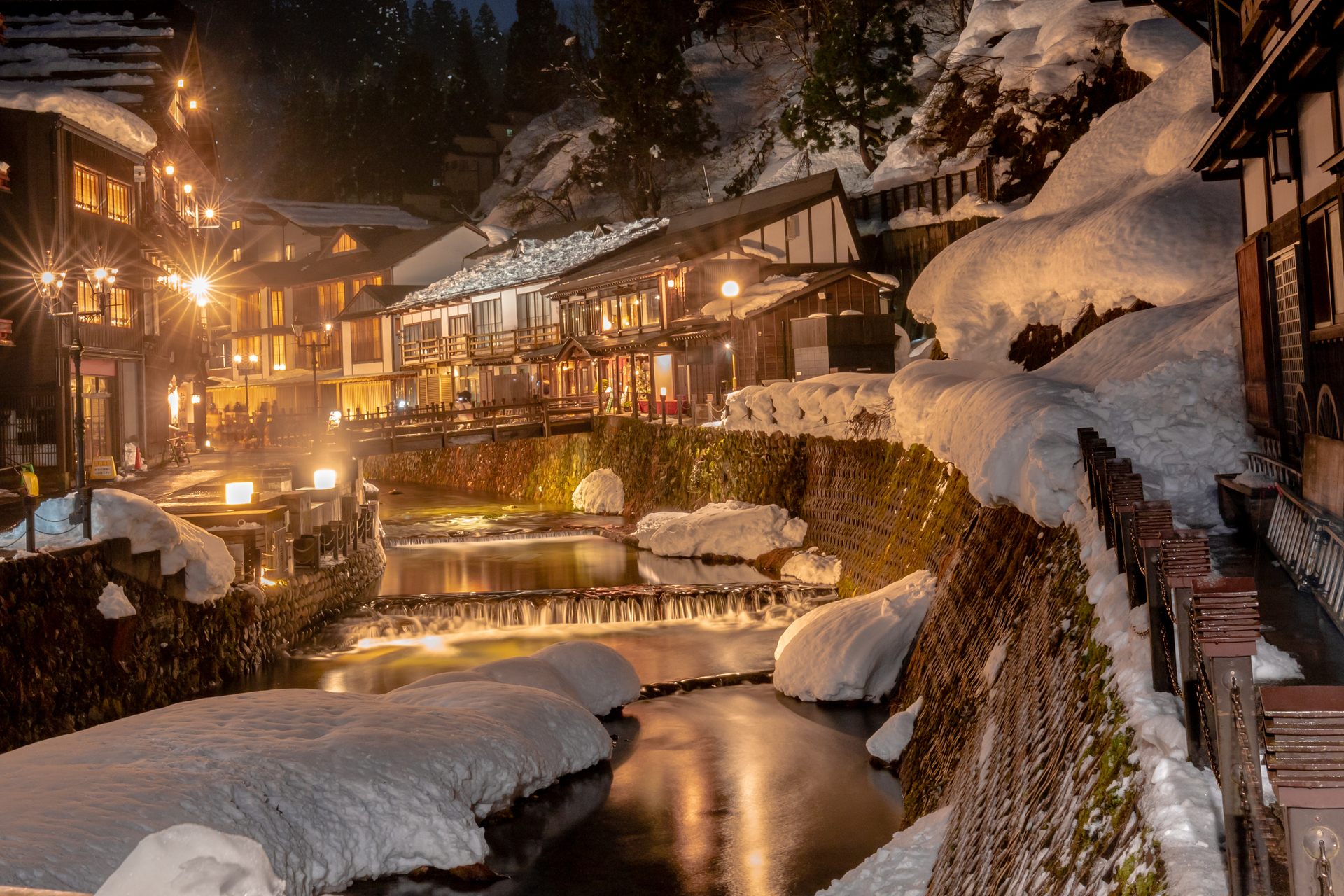
- Noboribetsu, Kurokawa, i vicoli di Hakone, i villaggi termali di Gunma
- I ryokan più grandi hanno gli elenchi degli ospiti in inglese; nelle strutture a conduzione familiare non troverai nulla
- Le regole di comportamento vengono comunicate in giapponese e a gesti
- Menu della cena kaiseki: interamente in giapponese
Difficoltà: ⭐⭐⭐⭐ (4/5)
Isole remote (Yakushima, Amami, Rebun)
- La gente del posto è cordiale, ma parla esclusivamente giapponese
- Gli operatori turistici spesso conoscono un po' d'inglese; nei negozi normali, invece, no
- Vale la fatica; è necessario pianificare
Difficoltà: ⭐⭐⭐⭐⭐ (5/5 — ma ne vale la pena)
App di traduzione che funzionano in Giappone
Google Translate (gratuita, la migliore a tutto tondo)
- Traduzione tramite fotocamera: inquadra un menu o un'insegna in giapponese con il telefono e vedrai una sovrapposizione in inglese. Funziona offline se scarichi il pacchetto del giapponese.
- Modalità conversazione: traduzione vocale bidirezionale in tempo reale. Ci si passa il telefono.
- Testo: digita o incolla il giapponese e ottieni la traduzione in inglese. Precisione dell'85-95% per le frasi comuni.
- Verdetto: scaricala prima di partire. È indispensabile per i menu e le insegne delle stazioni.
DeepL Translate (versione gratuita + abbonamento)
- Maggiore precisione di Google per i testi lunghi quanto un paragrafo
- Migliore con gli idiomi e il giapponese dal suono naturale
- La versione gratuita è limitata a 5.000 caratteri al mese
- Verdetto: usala per email, recensioni o per leggere lunghi contenuti in giapponese. Google Translate è più veloce quando sei in movimento.
Papago (azienda coreana, gratuita)
- Specializzata nelle lingue asiatiche
- Spesso migliore di Google per coreano, giapponese e cinese
- La traduzione tramite fotocamera funziona bene
- Verdetto: app di riserva. Alcuni utenti la considerano indispensabile per il confronto tra coreano e giapponese.
VoiceTra (gratuita, sostenuta dal governo giapponese)
- 31 lingue, compresa la traduzione vocale inglese/giapponese in entrambe le direzioni
- Finanziata dal governo e progettata per i turisti in Giappone
- Funziona offline dopo il download
- Verdetto: la migliore precisione vocale per giapponese <-> inglese. Installala prima dell'arrivo.
Le 20 frasi giapponesi che risolvono il 90% delle situazioni
Imparale a memoria. Sono 30 minuti di lavoro per 2 settimane di viaggio molto più semplici:
| Inglese | Giapponese | Romaji |
|---|---|---|
| Ciao | こんにちは | Konnichiwa |
| Grazie | ありがとう | Arigatou |
| Grazie (formale) | ありがとうございます | Arigatou gozaimasu |
| Mi scusi / scusa | すみません | Sumimasen |
| Per favore | お願いします | Onegaishimasu |
| Sì | はい | Hai |
| No | いいえ | Iie |
| Avete un menu in inglese? | 英語メニューありますか? | Eigo menyū arimasu ka? |
| Quanto costa? | いくらですか? | Ikura desu ka? |
| Dov'è [X]? | [X] はどこですか? | [X] wa doko desu ka? |
| Questo, per favore | これ、お願いします | Kore, onegaishimasu |
| Il conto, per favore | お会計 | O-kaikei |
| Acqua, per favore | お水お願いします | O-mizu onegaishimasu |
| Delizioso | おいしい | Oishii |
| Cin cin (bevande) | 乾杯 | Kanpai |
| Stazione ferroviaria | 駅 | Eki |
| Ristorante | レストラン | Resutoran |
| Bagno | トイレ | Toire |
| Non piccante | 辛くない | Karakunai |
| Aiuto! | 助けて! | Tasukete! |
Situazioni in cui rischierai davvero di trovarti in difficoltà
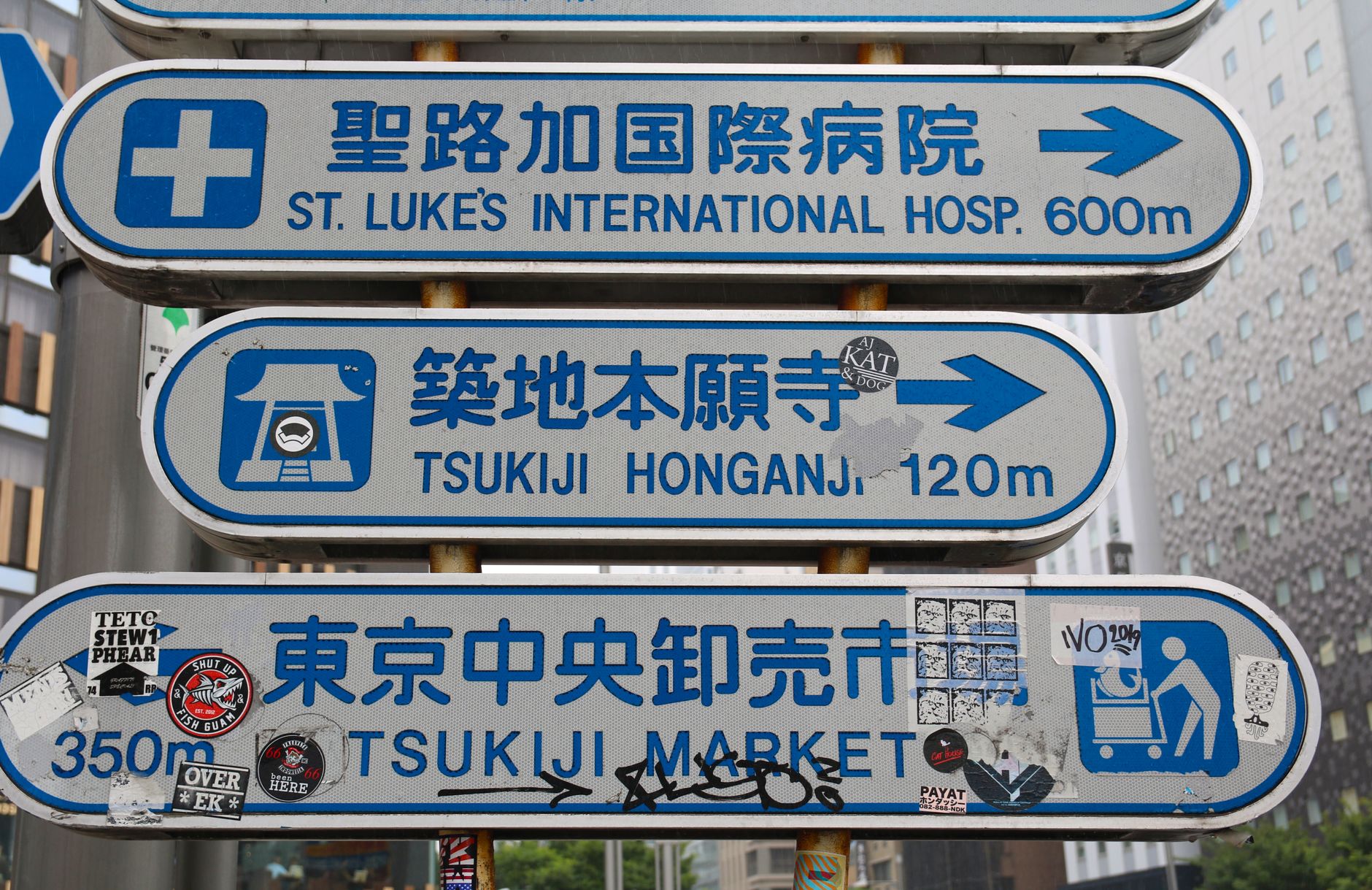
Ordinare in un piccolo ramen shop con una macchina per i biglietti — la macchina avrà pulsanti con kanji. Usa la fotocamera di Google Translate e inquadra i pulsanti.
Chiedere indicazioni a una persona anziana — potrebbe non parlare inglese. Tieni pronto uno screenshot della mappa; i gesti funzionano.
Emergenza medica — il numero giapponese 119 (ambulanza) offre un certo supporto in inglese, ma non è garantito. In Giappone esiste una hotline medica in inglese 24/7: 03-5285-8181 (area di Tokyo). Salvalo.
Pratiche in posta o in banca — solo in giapponese. Se possibile, evita; usa invece gli ATM.
Cena kaiseki di fascia molto alta — lo chef potrebbe spiegare ogni portata esclusivamente in giapponese. La maggior parte dei ryokan fornisce menu in inglese se lo richiedi al momento della prenotazione.
In sintesi
Per un classico viaggio Tokyo-Kyoto-Osaka, te la caverai bene anche senza conoscere neanche una parola di giapponese. Per viaggi in Hokkaido, Kyushu o nelle località termali di montagna, installa Google Translate e VoiceTra e aspettati 2-3 momenti di difficoltà al giorno.
I giapponesi sono tra le persone più pazienti e disponibili al mondo quando vedono uno straniero confuso. Indica, sorridi, chiedi scusa («sumimasen») e qualcuno ti accompagnerà al binario giusto.
L'elenco delle 20 frasi qui sopra è il tuo kit minimo. Tutto il resto è un extra.