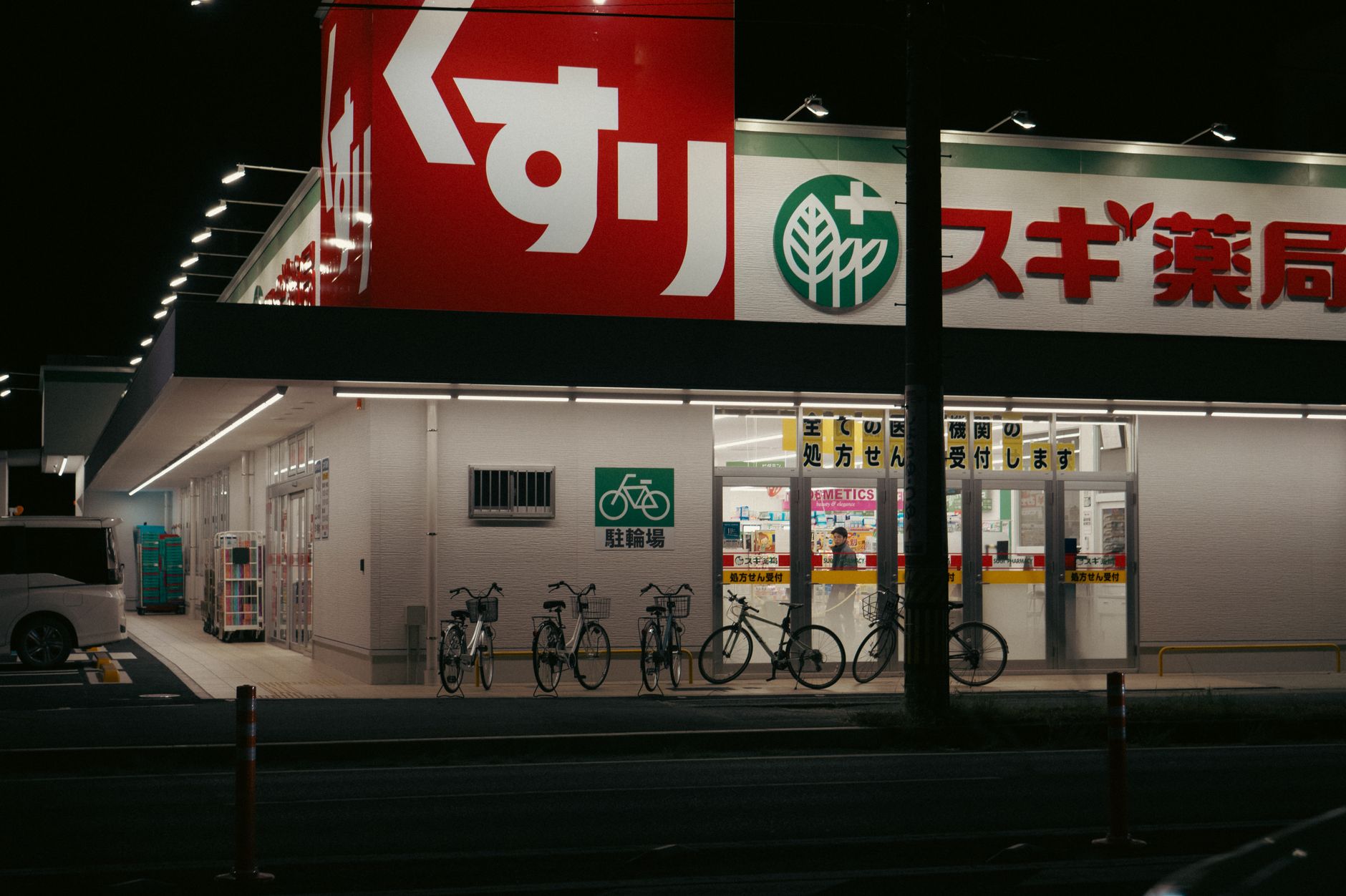
Portare medicinali in Giappone e acquistare farmaci in Giappone
Le regole generali per portare in Giappone i medicinali prescritti che si assumono abitualmente, i casi in cui si applica il certificato d’importazione Yakkan Shoumei, le sostanze vietate, il funzionamento delle prescrizioni e delle farmacie dopo una visita ospedaliera e ciò che le drugstore giapponesi vendono o non vendono.
6 set 2026·✍️ olablog·⏱ 6 min di lettura
Le regole generali per portare in Giappone i medicinali prescritti che si assumono abitualmente, i casi in cui si applica il certificato d’importazione Yakkan Shoumei, le sostanze vietate, il funzionamento delle prescrizioni e delle farmacie dopo una visita ospedaliera e ciò che le drugstore giapponesi vendono o non vendono.
In quasi ogni viaggio medico che organizziamo sorgono due domande: posso portare con me i medicinali che assumo già e come posso procurarmi quelli prescritti dalla struttura giapponese? Entrambe hanno risposte chiare, ma è importante precisare subito un limite. Le regole d’importazione rientrano nelle competenze della dogana e del ministero della Salute: possiamo solo indicarti le procedure e ricordarti di verificarle. La scelta dei medicinali da assumere è invece una questione medica da discutere con i tuoi medici. Quello che segue riguarda gli aspetti pratici.
Parte 1: portare con sé i propri medicinali
La franchigia generale
Il Giappone consente ai viaggiatori di portare con sé medicinali soggetti a prescrizione per uso personale senza documenti fino a una determinata quantità, generalmente descritta come una fornitura di circa un mese per i farmaci prescritti, con limiti diversi per i prodotti da banco e per alcune forme, come gli iniettabili. Conserva i medicinali nella confezione originale, insieme alla prescrizione o a una lettera del medico che riporti il nome generico, il dosaggio e l’indicazione che il medicinale è destinato a te.
Quando si applica lo Yakkan Shoumei
Oltre la franchigia personale, oppure per determinate categorie indipendentemente dalla quantità, il Giappone richiede un certificato d’importazione da richiedere in anticipo. Si chiama Yakkan Shoumei e, in seguito a recenti modifiche, la domanda viene presentata tramite un sistema online gestito dal ministero della Salute. Devi inviare i dettagli del medicinale, la quantità e le date del viaggio, quindi riceverai un certificato da esibire alla dogana. L’elaborazione richiede tempo: inizia la procedura con largo anticipo rispetto alla partenza. Abbiamo pubblicato un articolo separato su medicinali soggetti a prescrizione e Yakkan Shoumei con maggiori dettagli.
Sostanze vietate
Alcuni medicinali normalmente disponibili in altri Paesi sono soggetti a restrizioni o vietati in Giappone, e portarli con sé può causare seri problemi anche se si dispone di una prescrizione straniera. I medicinali stimolanti utilizzati per i disturbi dell’attenzione sono l’esempio più noto; anche alcuni decongestionanti e certi prodotti a base di codeina sono soggetti a limiti. L’elenco è stabilito dal ministero della Salute, non da noi. Se assumi un medicinale sul quale hai dubbi, informati presso l’ambasciata giapponese o il ministero prima di partire e, se necessario, parla con il tuo medico per valutare alternative durante il viaggio.
Consigli pratici per preparare i bagagli
- Porta i medicinali nel bagaglio a mano, non in quello imbarcato.
- Tieni con il passaporto un elenco dei medicinali con nomi generici, dosaggi e orari, redatto in inglese.
- Porta una quantità sufficiente per il soggiorno previsto, più una piccola riserva in caso di modifiche al programma, rispettando la franchigia o munendoti del certificato.
- Per i medicinali che devono essere mantenuti al fresco: usa una piccola borsa termica e informa l’hotel; la maggior parte delle camere dispone di un frigorifero.
Parte 2: ottenere medicinali prescritti in Giappone
Le prescrizioni vengono ritirate fuori dall’ospedale
In Giappone, la maggior parte degli ospedali e delle cliniche consegna una prescrizione cartacea invece del medicinale. Devi portarla in farmacia, spesso in quella situata appena fuori dall’ingresso dell’ospedale o dall’altra parte della strada; il farmacista preparerà i medicinali e ne spiegherà il dosaggio. Le prescrizioni hanno una validità breve, generalmente di pochi giorni, quindi ritirale il giorno stesso.
Cosa succede in farmacia
Consegni la prescrizione e, se ne possiedi una, la tessera del paziente della struttura. Il farmacista potrebbe chiederti informazioni su allergie e altri medicinali che assumi. I farmaci vengono consegnati insieme a un foglio illustrativo stampato, generalmente in giapponese, che indica ciascun prodotto, quante volte al giorno assumerlo e se prenderlo prima o dopo i pasti. Se hai prenotato un interprete medico certificato per quel giorno e il tempo copre la farmacia, interpreta le spiegazioni del farmacista e legge con te il foglio illustrativo. L’interprete non prende decisioni al posto tuo: si limita a interpretare.
Pagamento
La farmacia si paga separatamente dall’ospedale, alla propria cassa, con carta o in contanti. Conserva la ricevuta insieme a quella dell’ospedale se intendi presentare una richiesta di rimborso alla tua assicurazione una volta rientrato.
Parte 3: drugstore e prodotti da banco
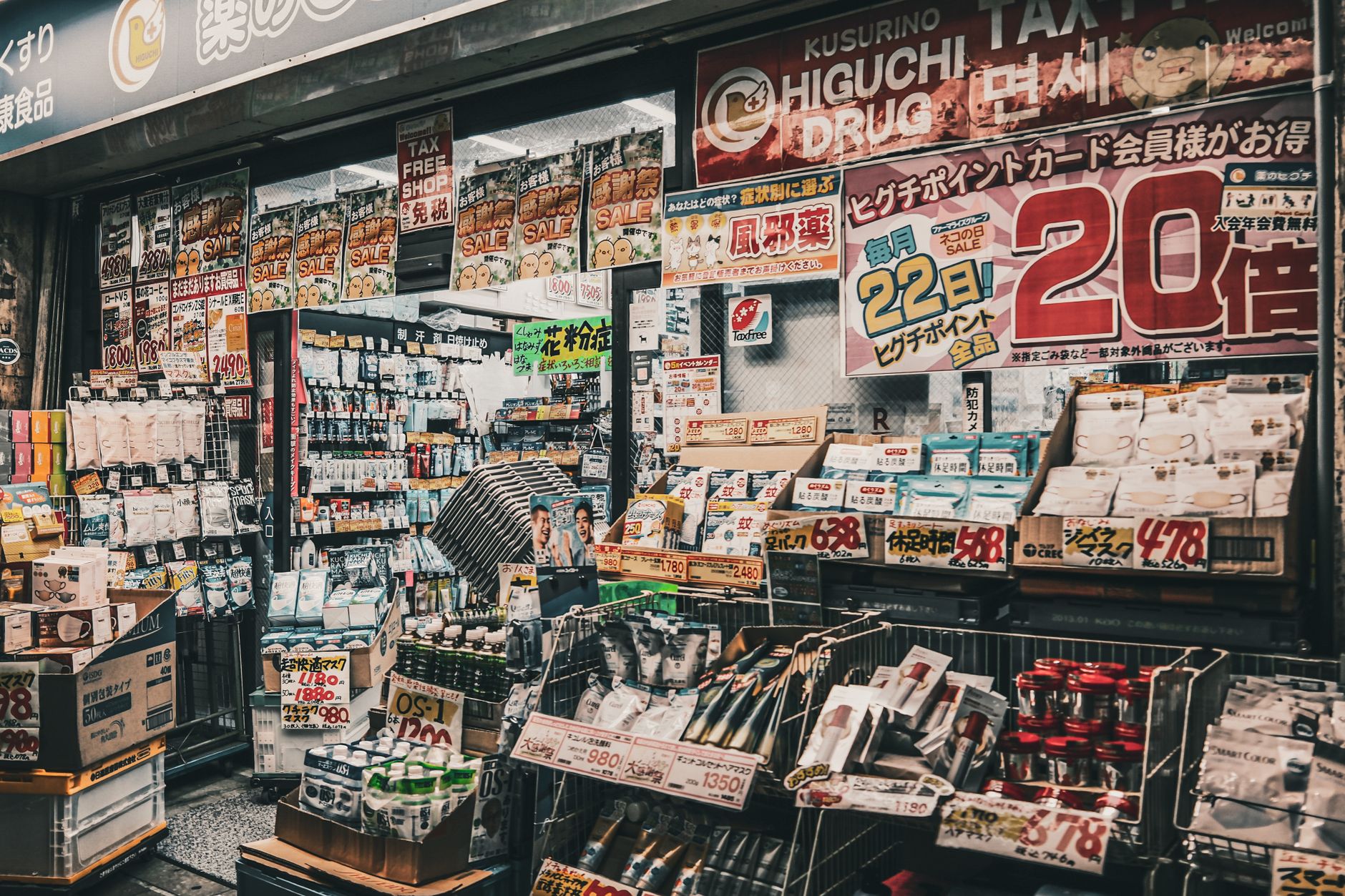
Le drugstore giapponesi sono grandi, ben fornite e aperte fino a tardi. Vendono medicinali da banco per raffreddore, dolori, disturbi di stomaco, allergie e problemi della pelle, oltre a prodotti di uso quotidiano. Le etichette sono in giapponese; alcune catene hanno personale che parla inglese o cinese nelle filiali principali.
Cosa possiamo fare: indicarti una drugstore vicino all’hotel. Cosa non facciamo: consigliarti un medicinale. Se stai seguendo una terapia o ti stai riprendendo da una procedura, prima di acquistare qualsiasi prodotto da banco chiedi al tuo medico o al farmacista che ha preparato la prescrizione, perché le interazioni sono una questione medica.
Una nota sugli orari e sulla conservazione al fresco
Le farmacie collegate agli ospedali rispettano gli orari dell’ospedale, generalmente durante il giorno nei feriali e il sabato mattina; una prescrizione ricevuta nel tardo pomeriggio di venerdì dovrebbe essere ritirata prima di lasciare la zona dell’ospedale, non la domenica. Alcuni medicinali dispensati in Giappone devono essere conservati in frigorifero: chiedi al farmacista e informa la reception dell’hotel se il frigorifero della camera non è abbastanza freddo. L’auto ti riporta direttamente in hotel con la busta della farmacia; chiedi al farmacista di scrivere sulla busta l’orario della prima dose.
Portare a casa medicinali giapponesi
Anche il tuo Paese ha le proprie regole d’importazione. Un medicinale soggetto a prescrizione dispensato in Giappone deve generalmente viaggiare insieme alla prescrizione o al foglio illustrativo della farmacia. Consulta le indicazioni doganali del tuo Paese prima del volo di ritorno, soprattutto se si tratta di quantità elevate per una terapia prolungata.
In breve
Porta con te i medicinali che assumi, nelle confezioni originali e con un elenco dei nomi generici, rispettando la franchigia oppure richiedendo per tempo un certificato Yakkan Shoumei. Se hai dubbi, verifica le informazioni con l’ambasciata giapponese o il ministero della Salute prima della partenza. In Giappone, ritira le prescrizioni in farmacia lo stesso giorno e fatti accompagnare da qualcuno che possa leggere con te il foglio illustrativo. Se stai seguendo una terapia, acquista prodotti da banco solo dopo aver consultato il medico o il farmacista.
Per una panoramica più ampia di come organizziamo un viaggio medico, compreso l’aiuto per trovare un interprete medico certificato, consulta la pagina sui viaggi medici.