
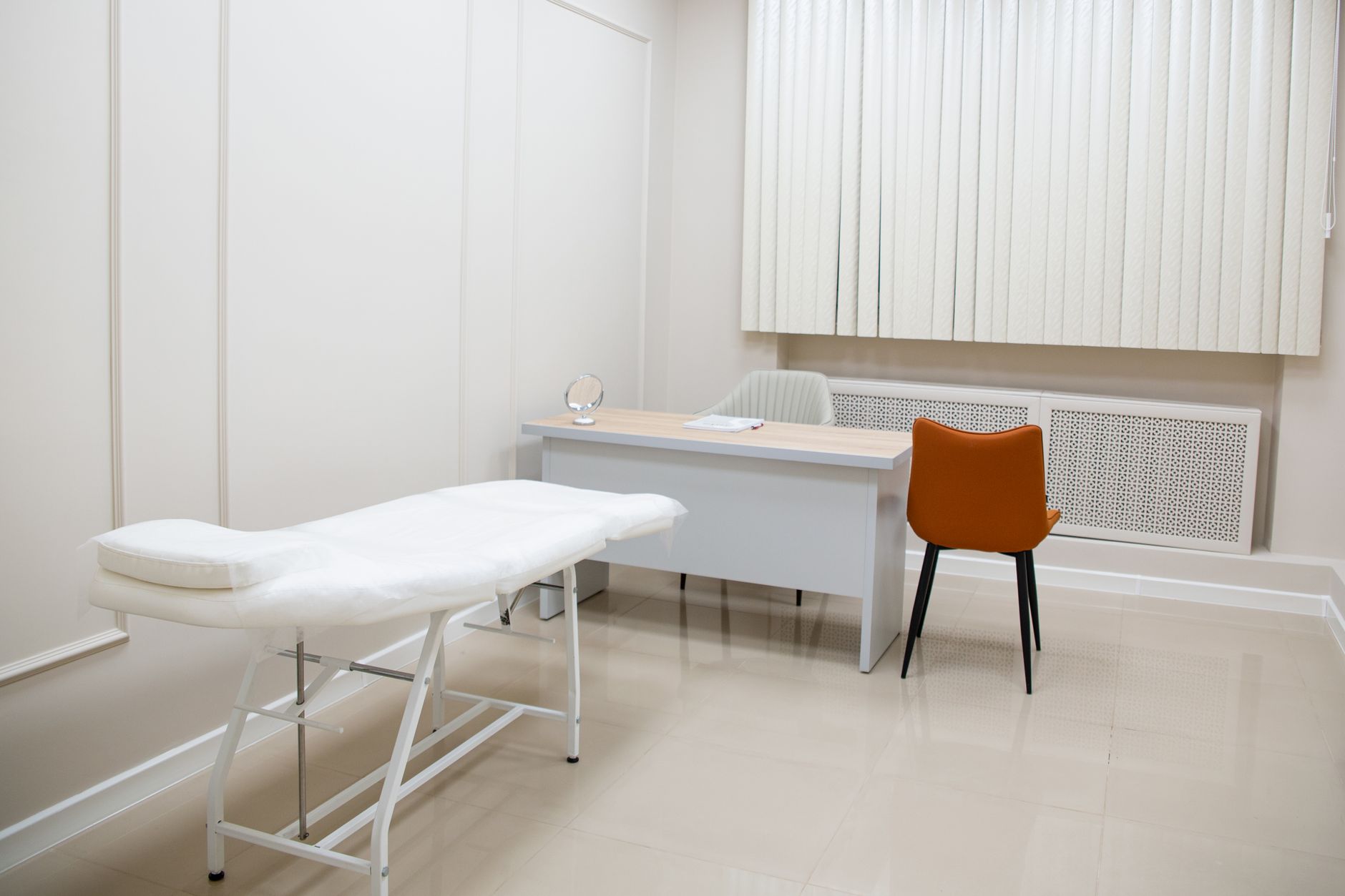
Phiên dịch tại bệnh viện Nhật Bản: Bạn nên chuẩn bị gì và có thể yêu cầu những gì
Tìm hiểu cách giao tiếp trong một lần khám tại bệnh viện Nhật Bản: mức độ sử dụng tiếng Anh, phiên dịch y tế có chứng chỉ làm gì tại quầy tiếp nhận, khu vực chờ, phòng khám, quầy thanh toán và nhà thuốc, những việc họ không được làm, và cách chúng tôi hỗ trợ tìm phiên dịch đúng chuyên khoa, đúng ngôn ngữ.
6 thg 9, 2026·✍️ olablog·⏱ 7 phút đọc
Tìm hiểu cách giao tiếp trong một lần khám tại bệnh viện Nhật Bản: mức độ sử dụng tiếng Anh, phiên dịch y tế có chứng chỉ làm gì tại quầy tiếp nhận, khu vực chờ, phòng khám, quầy thanh toán và nhà thuốc, những việc họ không được làm, và cách chúng tôi hỗ trợ tìm phiên dịch đúng chuyên khoa, đúng ngôn ngữ.
Điều khiến nhiều khách sang Nhật khám chữa bệnh bất ngờ đầu tiên là tiếng Anh được dùng rất ít khi đã qua quầy tiếp đón, kể cả ở bệnh viện lớn. Biển chỉ dẫn bằng tiếng Nhật, số thứ tự được gọi bằng tiếng Nhật, điều dưỡng giải thích bằng tiếng Nhật, còn bác sĩ có thể chuyển sang tiếng Anh hoặc không. Các cơ sở có bộ phận tiếp nhận bệnh nhân quốc tế giúp được một phần, nhưng trong phòng khám, bạn thường sẽ muốn có một người bên cạnh chỉ làm đúng một việc là ngôn ngữ.
Bài viết này giải thích phiên dịch y tế làm gì trong một lần khám, những việc họ không nên làm, và cách để việc phiên dịch chính xác nhất. Bài cũng nói rõ chúng tôi giúp gì. Chúng tôi không cử nhân viên của mình đi dịch. Chúng tôi điều phối xe đưa đón và phần còn lại của chuyến đi, và hỗ trợ bạn tìm phiên dịch y tế có chứng chỉ đúng với bệnh hoặc chuyên khoa và đúng ngôn ngữ của bạn: ví dụ khám dạ dày thì cần phiên dịch có chứng chỉ ở mảng đó. Chúng tôi có thể tìm phiên dịch tiếng Việt, Hàn, Anh, Trung giản thể và phồn thể, và Nhật.
Vì sao chứng chỉ và chuyên khoa quan trọng
Phiên dịch y tế khác phiên dịch thông thường. Mỗi khoa có bộ từ vựng riêng, và một buổi khám về dạ dày, tim hay mắt dùng những từ mà phiên dịch thông thường có thể không nắm chính xác. Vì vậy chúng tôi tìm phiên dịch có chứng chỉ phiên dịch y tế ở đúng lĩnh vực của buổi khám. Hãy cho chúng tôi biết khoa khám và, nếu bạn thấy thoải mái, bệnh của mình; thông tin này chỉ dùng để tìm đúng người.
Những lúc cần đến ngôn ngữ trong một lần khám
Quầy tiếp nhận. Tên bạn được đăng ký, đôi khi bằng chữ katakana, và bạn nhận thẻ bệnh nhân cùng số thứ tự. Biểu mẫu hỏi địa chỉ, thông tin liên lạc, người liên hệ khẩn cấp, dị ứng và thuốc đang dùng. Đây là điền giấy tờ, không phải y khoa, và phiên dịch giúp bạn phần này.
Khu vực chờ. Số thứ tự hiện trên màn hình và được gọi bằng loa. Phiên dịch lắng nghe và báo bạn khi nào cần di chuyển, đi đâu. Ở bệnh viện lớn, bạn có thể đổi qua vài khu chờ trong một buổi sáng.
Phòng khám. Bác sĩ hỏi, bạn trả lời, bác sĩ giải thích. Mọi điều ở đây cần được dịch đúng như lời nói, cả hai chiều, không thêm không bớt. Một phiên dịch giỏi gần như vô hình: câu ngắn, ngôi thứ nhất, không bình luận.
Quầy thanh toán. Hoá đơn được giải thích, bạn trả bằng thẻ hoặc tiền mặt và nhận biên lai đứng tên mình. Phiên dịch giúp bạn hiểu từng dòng, nhưng khoản thanh toán là của bạn trả cho cơ sở.
Nhà thuốc. Đơn thuốc được cấp, thường ở nhà thuốc cạnh bệnh viện, và dược sĩ giải thích liều và giờ uống. Nếu giờ đặt phiên dịch có bao gồm, phiên dịch dịch cả phần này và đọc tờ hướng dẫn với bạn.
Điều chúng tôi và phiên dịch không làm
Phần này quan trọng không kém phần trên. Cả OlaChill lẫn phiên dịch đều không:
- Đưa ra lời khuyên hay ý kiến y khoa, hoặc chọn giữa các phương án bác sĩ đưa ra.
- Ký giấy đồng ý hay bất kỳ giấy tờ nào thay bạn.
- Cầm hay xử lý hồ sơ bệnh án của bạn. Giấy tờ đi từ bạn tới cơ sở.
Và chúng tôi không hứa một phiên dịch mà mình chưa tìm được. Nếu không có phiên dịch có chứng chỉ phù hợp với ngôn ngữ, chuyên khoa và ngày của bạn, chúng tôi báo trước khi bạn đặt.
Nếu có ai đề nghị làm những việc trên thay bạn, hãy cẩn thận. Ranh giới này để bảo vệ bạn: quyết định và chữ ký phải là của bạn, dựa trên lời đã được dịch trung thực.
Phiên dịch có vào phòng khám được không?
Thường là được, nếu bạn yêu cầu và cơ sở cho phép, phần lớn cho để phiên dịch. Một số khoa chỉ cho bệnh nhân vào. Khi đó phiên dịch chờ bên ngoài, và bạn có thể xin bác sĩ ghi lại các điểm chính bằng tiếng Nhật hoặc tiếng Anh để dịch sau. Hãy hỏi việc này khi xác nhận lịch hẹn, đừng để đến hôm khám.
Làm sao để phiên dịch chính xác
Viết sẵn câu hỏi. Trước buổi khám, ghi ra những câu bạn muốn hỏi và gửi trước cho phiên dịch. Vào phòng khám, hồi hộp dễ làm người ta quên.
Nói câu ngắn và ngừng. Phiên dịch làm theo từng đoạn. Một đoạn dài dễ rơi mất chi tiết. Nói một ý, để phiên dịch dịch, rồi mới nói ý tiếp theo.
Hỏi lại qua phiên dịch, đừng bỏ qua họ. Nếu bác sĩ dùng từ bạn không hiểu, hãy nói ra. Phiên dịch sẽ nhờ bác sĩ giải thích thay vì đoán.
Mang danh sách thuốc ghi tên hoạt chất. Tên thương mại khác nhau giữa các nước. Tên hoạt chất giúp bác sĩ và dược sĩ biết bạn đang dùng gì.
Bản tóm tắt viết thường bằng tiếng Nhật. Nhiều cơ sở giao kết quả và hướng dẫn bằng tiếng Nhật, đôi khi kèm tiếng Anh. Nếu muốn dịch sang ngôn ngữ của bạn sau đó, hãy báo chúng tôi để tìm người dịch; giải thích ý nghĩa là việc của bác sĩ.
Bộ phận bệnh nhân quốc tế làm gì và không làm gì
Cơ sở lớn có bộ phận quốc tế lo việc tiếp nhận bệnh nhân nước ngoài, lịch hẹn và đôi khi câu hỏi về thanh toán. Họ có thể có phiên dịch riêng cho buổi khám, bằng tiếng Anh hoặc ngôn ngữ khác, và có khoa bắt buộc phải có. Đây là nơi chúng tôi kết nối bạn khi điều phối chuyến đi, và chúng tôi hỏi bộ phận này xem đã có phiên dịch chưa trước khi đi tìm. Bộ phận quốc tế không lo xe đón sân bay, khách sạn hay xe đưa bạn về sau buổi khám. Đó là phần chúng tôi điều phối.
Phiên dịch được báo giá thế nào
Theo từng ca. Phí tuỳ chuyên khoa, ngôn ngữ, bệnh viện và thời lượng buổi khám, mà thời gian ở bệnh viện khó đoán: một buổi khám tổng quát có thể xong lúc trưa hoặc lúc ba giờ chiều. Vì vậy chúng tôi báo giá khi đã tìm được phiên dịch phù hợp, theo lịch khám bạn gửi, và báo giá đi kèm kế hoạch chuyến đi. Trang của chúng tôi không có bảng giá vì mỗi ca mỗi khác.
Ngôn ngữ, nói thật
Chúng tôi có thể tìm phiên dịch y tế có chứng chỉ tiếng Việt, Hàn, Anh, Trung giản thể và phồn thể, và Nhật. Hãy ghi ngôn ngữ và khoa khám khi gửi yêu cầu. Nếu không tìm được phiên dịch có chứng chỉ phù hợp cho đúng ngày, chúng tôi nói thẳng thay vì gửi người không đủ chứng chỉ.
Sau buổi khám
Chúng tôi đưa ngày giờ hẹn tiếp vào lịch xe và đặt lại phiên dịch nếu bạn cần. Xe đưa bạn về khách sạn, hoặc ghé quán đồ mềm, nhà thuốc trên đường. Không việc nào trong đó là y khoa. Nhưng tất cả giúp phần y khoa nhẹ nhàng hơn.
Để yêu cầu phiên dịch y tế cho buổi khám, hãy dùng biểu mẫu trên trang phiên dịch y tế, hoặc bắt đầu từ trang du lịch y tế nếu bạn chưa lên kế hoạch cho chuyến đi.
Bài viết cùng vùng — Khác
Xem tất cả →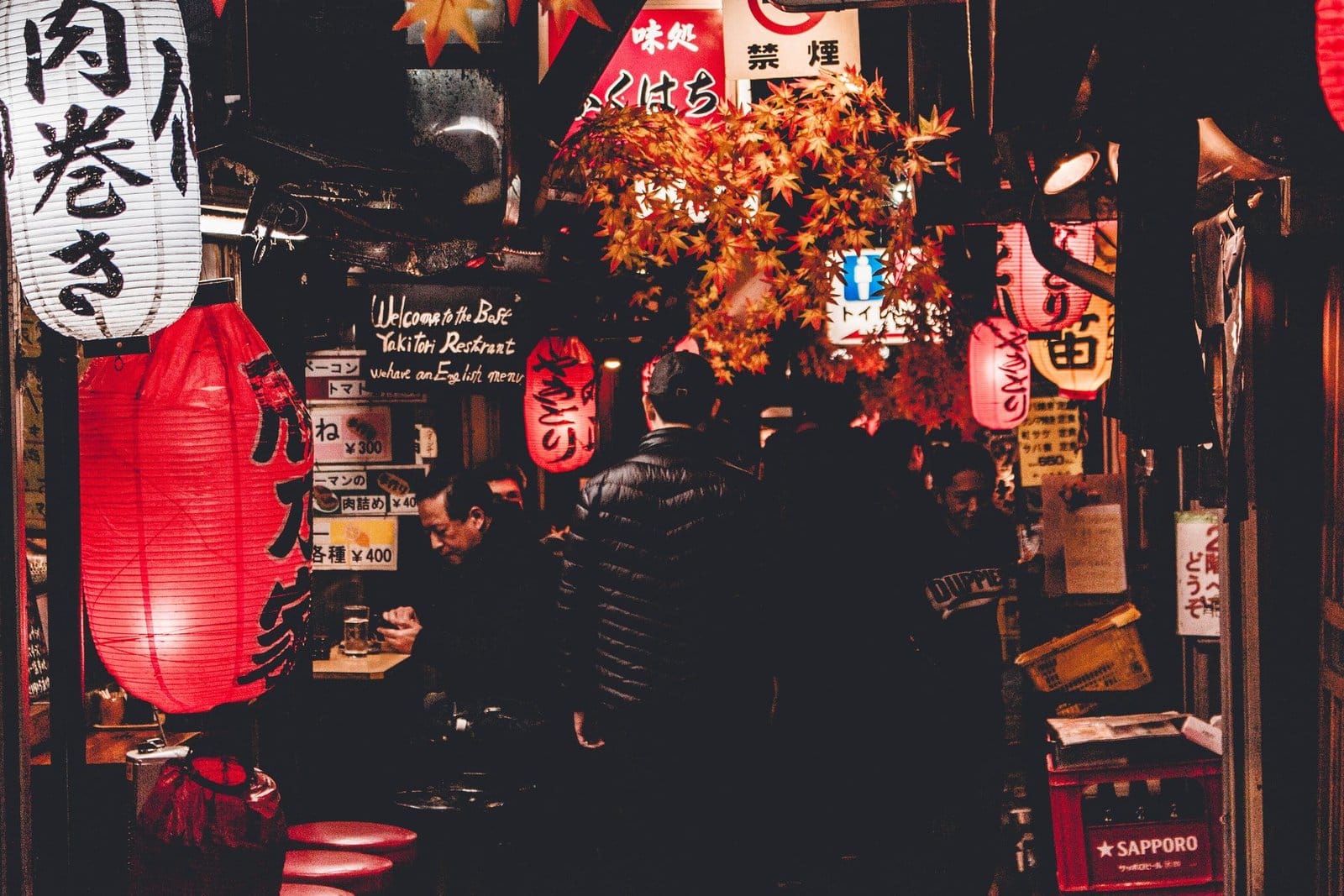
Đi izakaya lần đầu: Cẩm nang từ otoshi, gọi món theo đợt đến lúc thanh toán
6 min · food
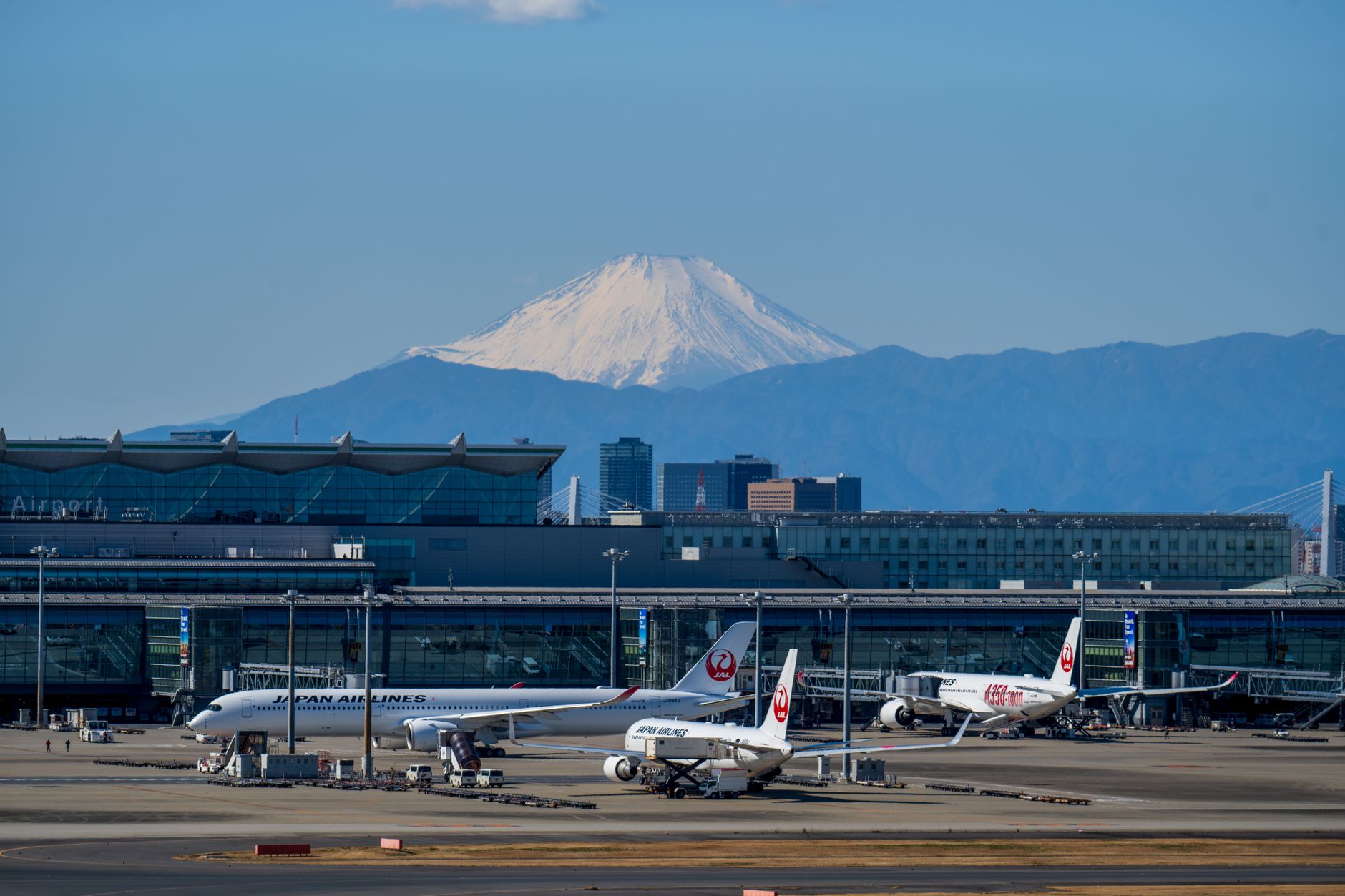
Dịch vụ đưa đón sân bay riêng tại Nhật Bản
7 min · tips

Checklist đồ đi camp & outdoor ở Nhật — In ra là xách vali đi được
17 min · tips

Xe khách 29 chỗ hay 45 chỗ ở Nhật: bạn cần loại nào và chi phí nào sẽ phát sinh
7 min · tips