
Full-Day Trip: Osaka's Historic Kokubun-ji Temple, the Legendary Matazaemon Cherry Blossom Tree, Nara's Scenic Park, and Kasuga Taisha Shrine
✨ Highlights
A private day trip in your own Toyota Alphard with driver: hotel pickup in Osaka, then Nara Park, Matazaemon Cherry Tree (Matazaemon-zakura) and Kokubun-ji Temple (Nanpōka-ji) / Chōgosonshi-ji Temple. About 11 hours on this route, priced per car for up to 6 guests. You enter your hotel (or a station) and the pickup time in the booking form.
The car price does not include a guide, entry tickets, rides, experiences, meals, tolls or parking.
Between late March and early April, some 1,700 cherry trees blanket the park in successive blooms. Soft pink Somei-yoshino petals frame ancient temples and open grassland, while free-roaming deer complete the archetypal Nara spring landscape.
Tōdai-ji. Spring cherry blossoms soften the austere presence of this temple's Great Buddha Hall, creating one of Nara's most iconic seasonal views. Founded in 752 by Emperor Shōmu to house the Great Buddha and serve as the principal temple for Japan's provincial monasteries, Tōdai-ji is now the head temple of the Kegon sect. Fire destroyed the complex twice; the present structures date to 1692 and measure roughly two-thirds the original size. (Admission: Great Buddha Hall - Adults 800 JPY, Ages 13-18 800 JPY, Ages 6-12 400 JPY; Great Buddha Hall + Museum - Adults 1200 JPY, Children 6-12 600 JPY)
Mt. Wakakusa At 342 meters high, this mountain features gentle, grass-covered slopes that resemble three stacked hats, earning the nickname "Mikasa-yama." The peak attracts visitors annually for January's Yamayaki festival, a traditional mountain-burning ceremony unique to Nara.
Kasuga Taisha. Established in 768 under Empress Kōken's orders, this shrine differs from typical shrines by enshrining four deities brought from Kashima (Saga), Katori (Chiba), Hiraoka (Osaka), and other locations.
Matazaemon Cherry Tree Located in Ōuda City's Hongō district, this weeping cherry of the Shidare-zakura type ranks among Nara Prefecture's most celebrated specimens. Local tradition ties it to Sengoku warrior Gotō Matazaemon, who allegedly settled here following the Siege of Osaka; the tree stands near his former residence and carries his name in local memory.
Kokubun-ji Temple. Beyond celebrated destinations like Nara Park and Mt. Yoshino, this lesser-known temple offers stunning spring cherry blossoms alongside spiritual significance. Devotees come to pray for eye health while over a thousand trees on the grounds burst into bloom during peak season.
Read moreShow less▾
🎫 Options
⏸ Join-a-group seats are paused for now. This day tour is currently available as a private Alphard (7 seats) only.
🚌 Shared group tour
- Meeting / pick-up point: Nihonbashi Exit 2
- Departs 07:30
- Guide language: English
- Free cancellation up to 7 days before
- Reserve now, pay on the day or online
From¥6,900/person
🚘 Private Alphard Tour
- Private Toyota Alphard + driver
- Up to 6 guests
- Hotel pickup in Osaka
- About 11 hours · book 7+ days ahead
- Reserve now, pay on pickup or online
- Free cancellation up to 24h before pickup
−30%Book by 31 Dec (JST), then ¥104,300
Campaign price:¥73,000/car · fixed price
Up to 6 guests · from ¥12,167/person with 6
Guide, entry tickets, tolls and parking not included.
- Capacity
- 1+
- Itinerary
- 1 day · 6 stops
🚘 Your private Alphard and driver follow this route. The car price does not include a guide, entry tickets, rides, experiences, meals, tolls or parking.
- 07:30
Hotel pickup in Osaka
You enter your hotel (or a station) and the pickup time in the booking form.
- 08:30
Nara Park & Mt. Wakakusa Area · 180 min
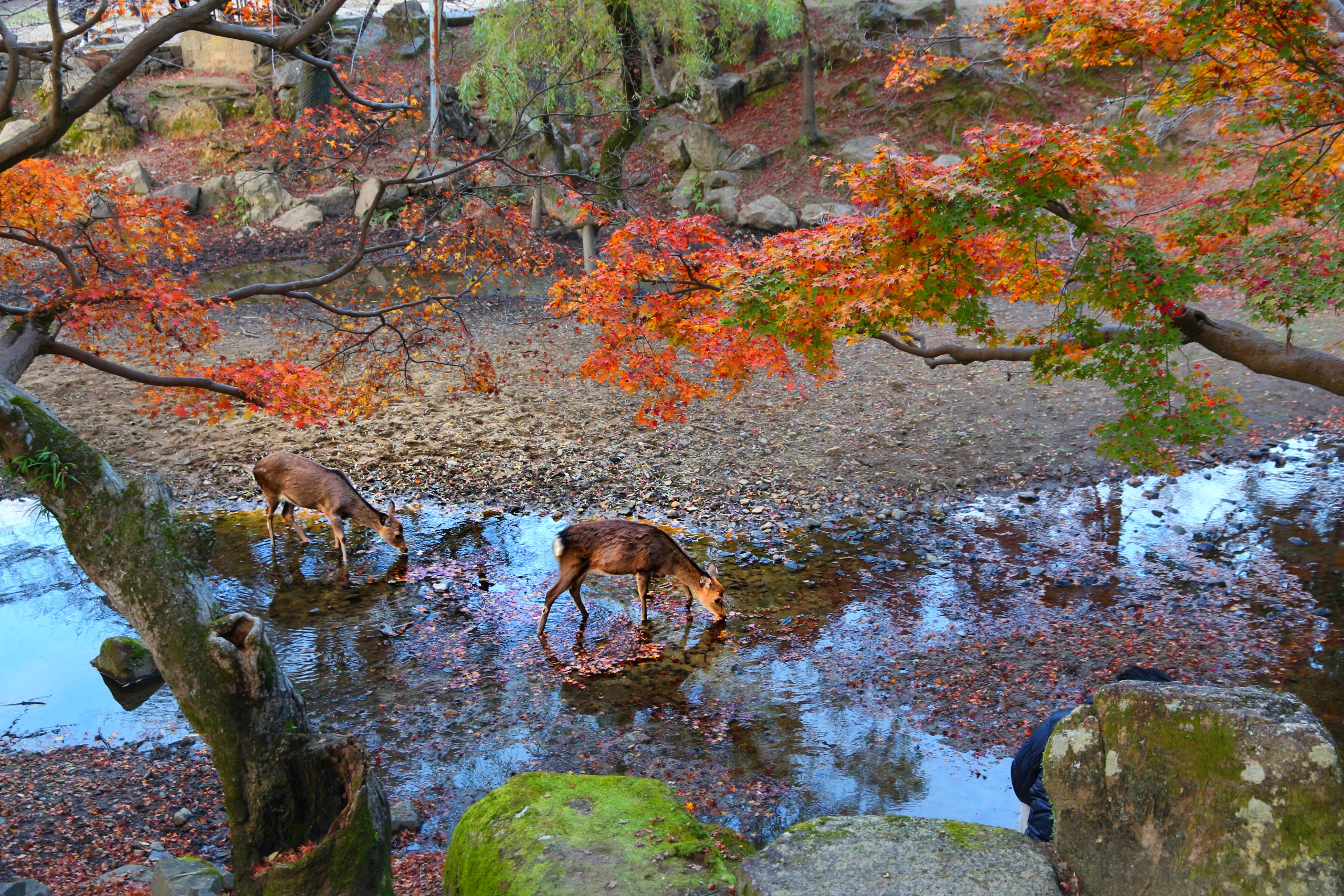
Nara Park is an urban park located at the foot of Mt. Wakakusa in Nara City. Major Nara landmarks such as Tōdai-ji and Kasuga Taisha are situated here, making it a must-visit when exploring Nara. From late March to early April, approximately 1,700 cherry trees in the park bloom in succession.
- 12:40
Matazaemon Cherry Tree · 30 min
The Matazaemon Cherry Tree (also known as Hongō Taki-zakura) is located in the Hongō area of Ōuda City, Nara Prefecture. It is one of the prefecture's most representative weeping cherry trees. This tree is a Shidare-zakura variety. Local legend connects it to the Sengoku-period warrior Gotō Matazaemon.
- 16:30
Kokubun-ji Temple · 60 min
More than just beautiful cherry blossoms and a great Buddha – come here to pray for eye health! In springtime Nara, beyond popular spots like Nara Park and Mt. Yoshino, lies a cherry blossom hidden gem known to connoisseurs – Kokubun-ji Temple. When the cherry blossoms are in full bloom, over a thousand trees on the temple grounds burst into flower.
- 16:30
Chōgosonshi-ji Temple · 60 min
Located on Mt. Shigisan in Nara Prefecture, Chōgosonshi-ji Temple is famous for its deep connection with the “tiger” and is an ancient temple of both religious and sightseeing value. Legend says that when Emperor Daigo fell ill, he ordered the monk Renshō to pray to Bishamonten for recovery.
- 18:30
End of the tour
※ Actual timings vary with road conditions on the day.
🗺️ Route map
Tap a number to see that day
Day 1 — Nara Park
Nara Park
- Your private Alphard and driver follow this route. The car price does not include a guide, entry tickets, rides, experiences, meals, tolls or parking.
- Hotel pickup in Osaka. You enter your hotel (or a station) and the pickup time in the booking form.
- Two ways to pay: the driver on the day (cash or card, nothing upfront), or online at checkout right after you send the booking. Either way we confirm the car and pickup time by email.
- Free cancellation up to 24h before pickup
📍 Hotel pickup
🏨 Hotel pickup in Osaka
You enter your hotel (or a station) and the pickup time in the booking form.
- Private Toyota Alphard + driver
- Hotel pickup in Osaka
- About 11 hours on this tour's route
- Guide
- Entry tickets, rides and experiences at the stops
- Meals
- Expressway tolls and parking
How long does this tour last?+
The tour runs 1 day with 4 scheduled stops laid out hour by hour.
Where is the pickup?+
Hotel pickup in Osaka. You enter your hotel (or a station) and the pickup time in the booking form.
What's the minimum group size?+
The price is per car, so the private Alphard runs from 1 guest. Up to 6 guests per car — for more, we add a second car.
Does the car come with a guide?+
The private Alphard comes with a driver; a guide is not included in the car price.
Can I cancel or reschedule?+
Free cancellation up to 24 hours before pickup (full refund). Within 24 hours or no-show: charged in full. To cancel or change the date, email us with your booking ID; date changes depend on car availability.
🗾 Related tours
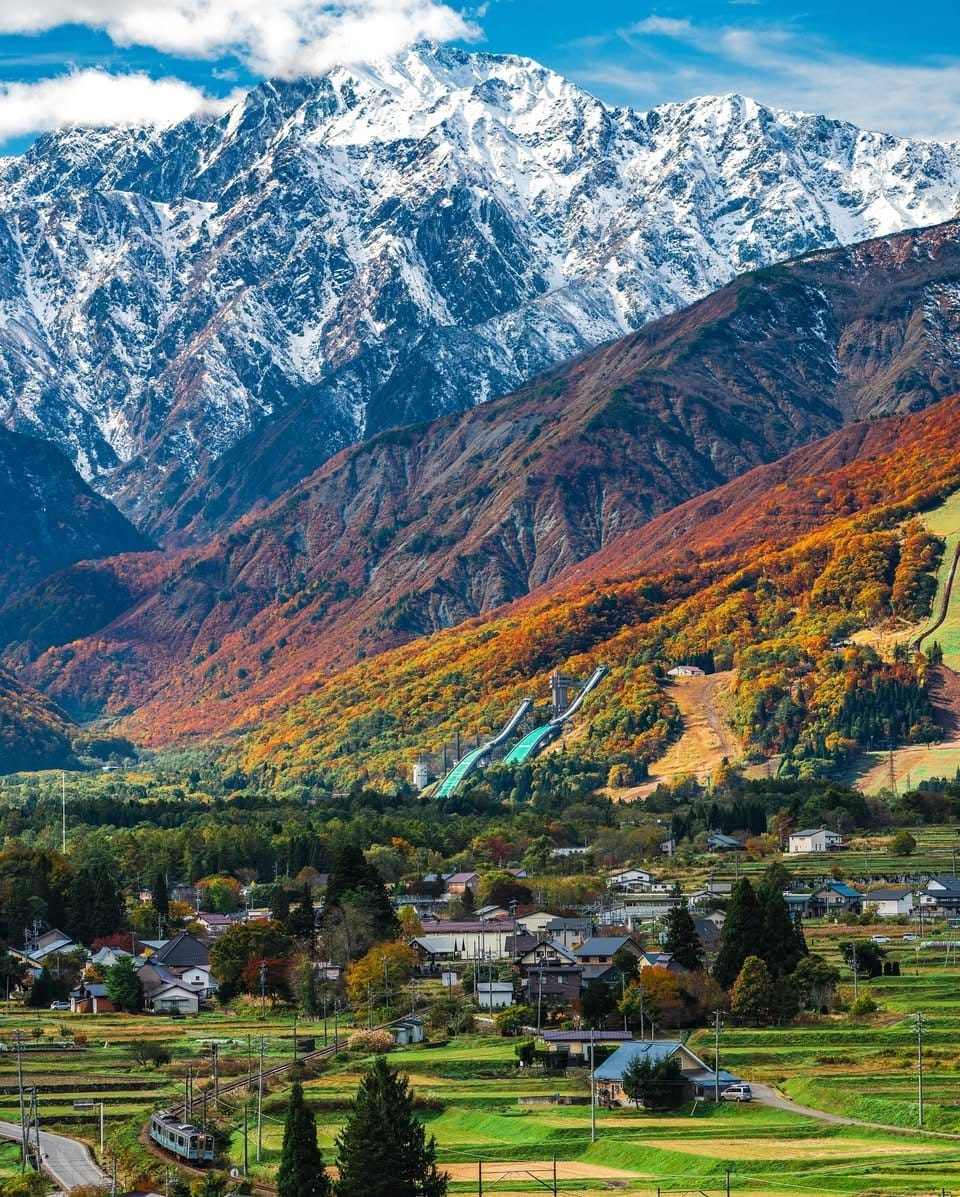
Hakuba & Kamikochi Autumn Overnight-Bus Tour: Mountain Harbor and Japan's Little Switzerland (no hotel)
¥19,000
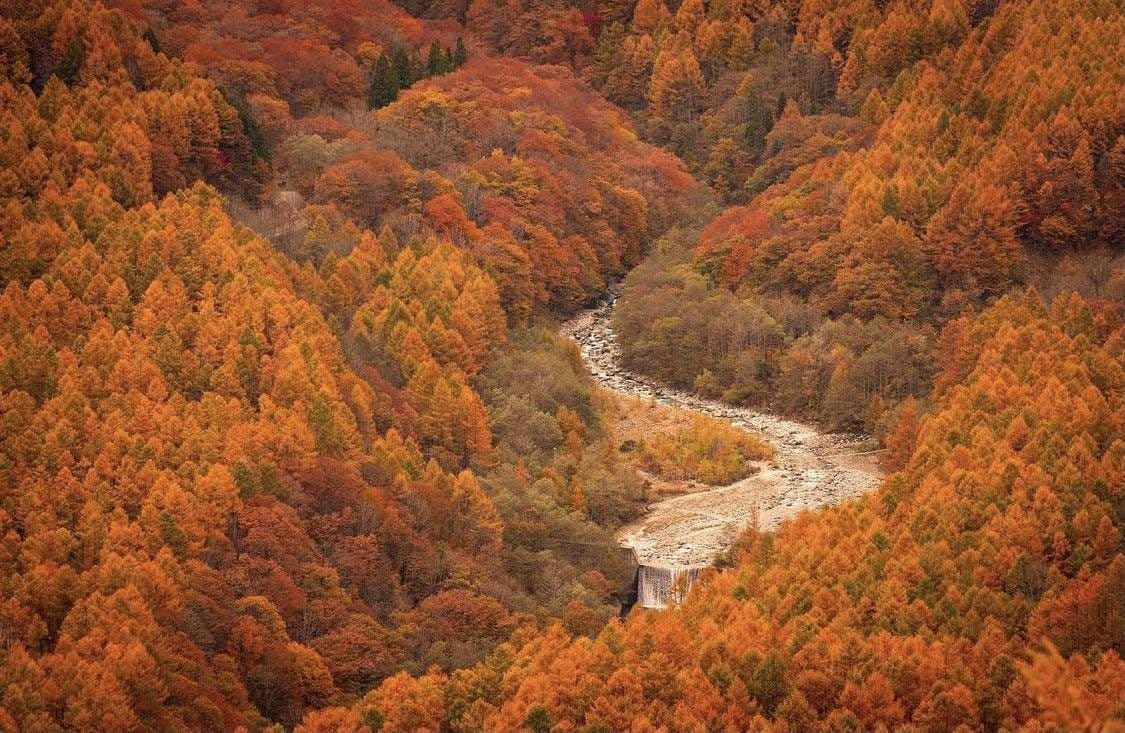
Kamikochi–Hakuba Autumn Tour, 2 Days 2 Nights by Night Bus — from Tokyo, Nagoya or Osaka
¥29,000
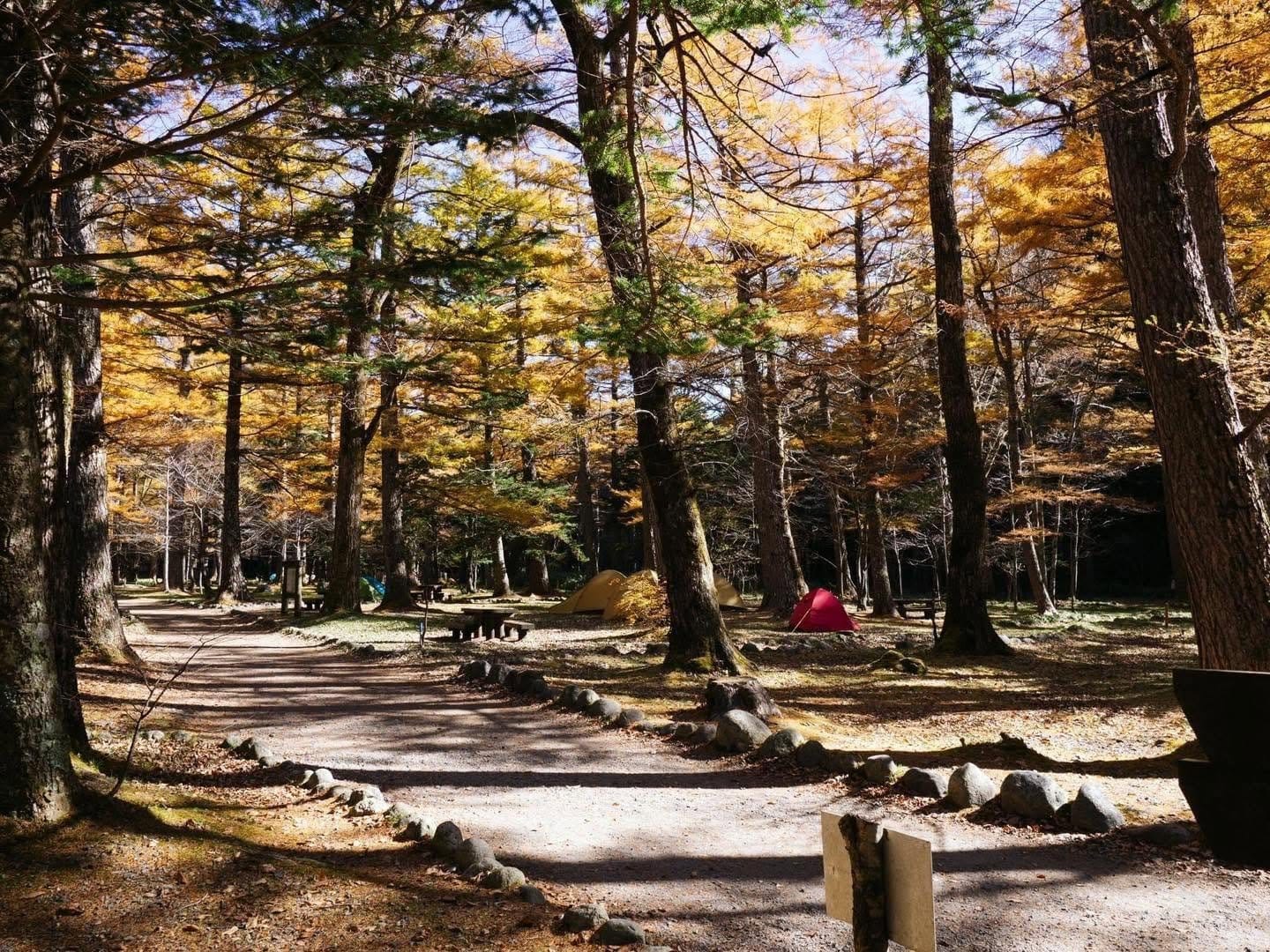
Kamikochi–Hakuba–Matsumoto Autumn Camping Tour, 2 Days — a tent night in the red-leaf valley
¥25,000
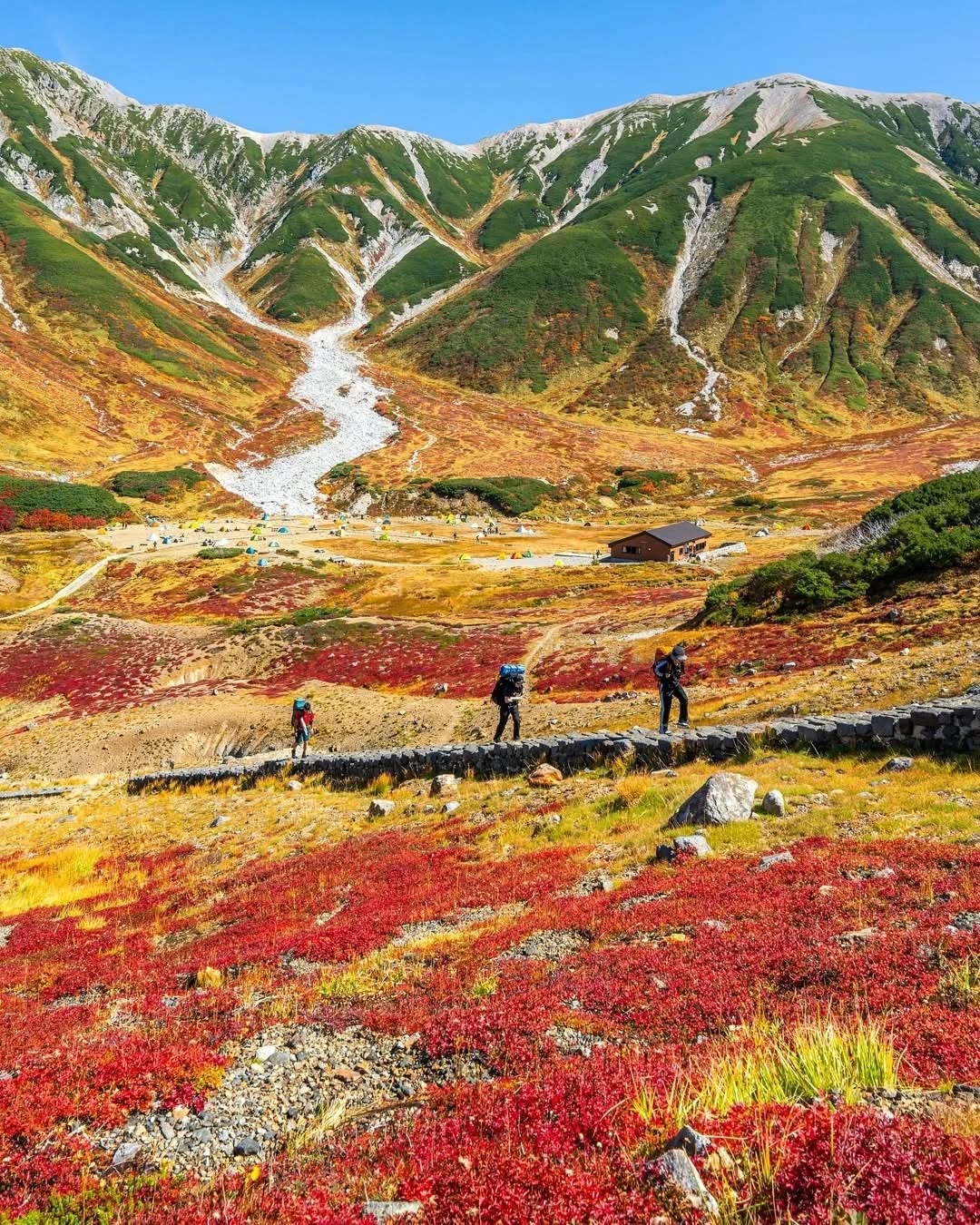
Tateyama 2-Day 1-Night Autumn Camping Tour — Alpine Route, Murodo, Mt. Tateyama trek
¥25,000
⚠️ Must-read1 items · tap to read▾
- •The itinerary and time at each stop may be adjusted for traffic, weather or facility maintenance; in force-majeure cases a stop may be replaced with a comparable alternative.