
A private day trip in your own Toyota Alphard with driver: hotel pickup in Osaka, then Katsuo-ji Temple, Otagi Nenbutsu-ji Temple and Arashiyama. About 10 hours on this route, priced per car for up to 6 guests. You enter your hotel (or a station) and the pickup time in the booking form.
The car price does not include a guide, entry tickets, rides, experiences, meals, tolls or parking.
Katsuo-ji Temple. Two hours provides sufficient time to complete the temple's stamp rally card and participate in its Daruma prayer ritual. Sanmon Gate & Purification Bridge The striking crimson Sanmon Gate marks the temple's sacred entrance and displays a nameplate referencing Katsuo-ji's earlier designation as "Shōō-ji" (Victory King Temple). This imposing structure represents the threshold between the secular and spiritual realms. Beyond it lies the Purification Bridge, designed to wash away misfortune. As visitors cross, vapor rising from the pond below creates a cleansing mist that purifies both body and spirit. Daruma (Bodhidharma) Doll Altar The temple's most visually compelling feature, this altar brims with countless red Daruma dolls arranged on tiered shelves. Their painted eyes represent determination and inner strength, each doll embodying someone's wish for triumph. The Japanese expression "nana korobi ya oki"—fall seven times, stand up eight—captures the Daruma's essence: resilience through repeated effort and ultimate victory. Proceeding uphill past the altar leads toward the temple's deeper sanctums. Main Hall (Hondō) – Open Year-Round for Prayer The principal hall houses the Eleven-Faced, Thousand-Armed Kannon Bodhisattva. Tradition credits Toyotomi Hideyori and his mother Yodo-dono with reconstructing this structure. Sutra recitation continues daily throughout the year without pause, offering visitors peaceful moments of spiritual reflection whenever they arrive. Across from the Main Hall hangs a large bell dedicated to dispelling misfortune, surrounded by gracefully positioned Daruma dolls. Muzaiten & Tahōtō Pagoda Muzaiten, derived from the Hindu goddess Saraswati and known in Japan as Benzaiten or Benten-sama, represents one of the Seven Lucky Gods. At Katsuo-ji, she embodies prosperity, intellectual growth, artistic pursuits, music, and harmonious relationships. The nearby Tahōtō pagoda, reconstructed in Heian-period style, displays the traditional two-tiered structure with square lower section and rounded upper roof. It contains Tahō Nyorai (Prabhūtaratna), signifying the unchanging and indestructible essence of Buddhist teaching. Otagi Nenbutsu-ji Temple – Thousand-Rakan Sanctuary from Spirited Away Nestled within Sagano's forest landscape, this temple exists as an enchanted sanctuary removed from the tourist pathways frequenting better-known destinations like Kiyomizu-dera or Kinkaku-ji.
Read moreShow less▾
🎫 Options
⏸ Join-a-group seats are paused for now. This day tour is currently available as a private Alphard (7 seats) only.
🚌 Shared group tour
- Meeting / pick-up point: Nihonbashi Exit 2
- Departs 08:00
- Language: English
- Free cancellation up to 7 days before
- Reserve now, pay on the day or online
From¥6,900/person
🚘 Private Alphard Tour
- Private Toyota Alphard + driver
- Up to 6 guests
- Hotel pickup in Osaka
- About 10 hours · book 7+ days ahead
- Reserve now, pay on pickup or online
- Free cancellation up to 24h before pickup
−30%Book by 31 Dec (JST), then ¥104,300
Campaign price:¥73,000/car · fixed price
Up to 6 guests · from ¥12,167/person with 6
Guide, entry tickets, tolls and parking not included.
- Capacity
- 1+
- Itinerary
- 1 day · 5 stops
🚘 Your private Alphard and driver follow this route. The car price does not include a guide, entry tickets, rides, experiences, meals, tolls or parking.
- 08:00
Hotel pickup in Osaka
You enter your hotel (or a station) and the pickup time in the booking form.
- 09:00
Katsuo-ji Temple · 120 min
With 2 hours of ample activity time, you'll have plenty of time for Katsuo-ji's stamp rally postcard and Daruma prayer experience. Sanmon Gate & Purification Bridge The Sanmon Gate serves as the sacred boundary leading into Katsuo-ji, and the Purification Bridge is meant to dispel misfortune.
- 12:10
Otagi Nenbutsu-ji Temple · 50 min
Otagi Nenbutsu-ji Temple – Spirited Away's "Hidden" Thousand-Rakan Temple. Tucked away in the forests of Sagano, Kyoto, Otagi Nenbutsu-ji feels like a hidden, mystical world.
- 13:10
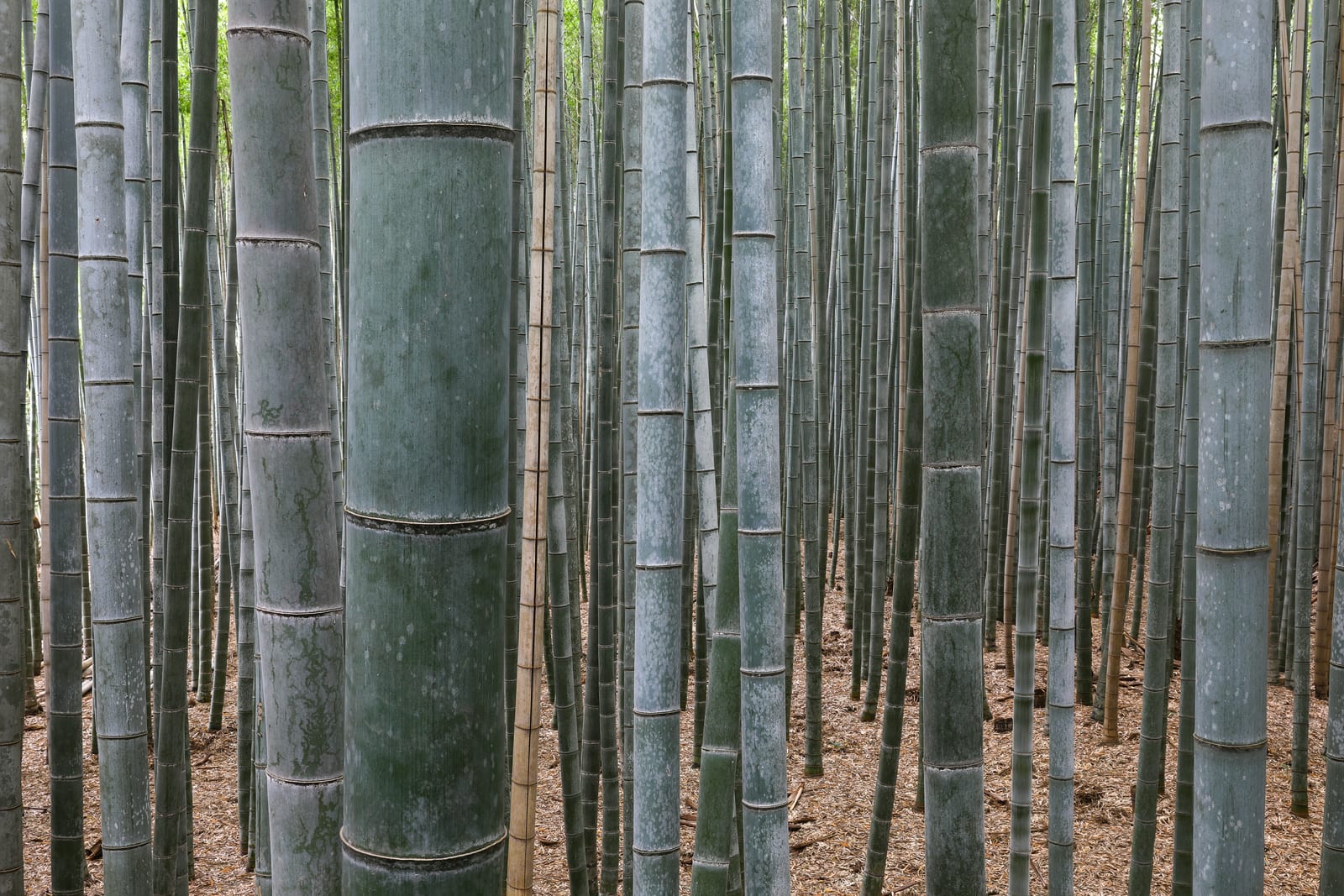
Arashiyama Area · 180 min
Free Time in the Arashiyama Area (approx. 3 hours) After visiting Otagi Nenbutsu-ji Temple, you can either take the vehicle to the area near Togetsukyo Bridge or walk there on your own.
- 18:00
End of the tour
※ Actual timings vary with road conditions on the day.
🗺️ Route map
Tap a number to see that day
Day 1 — Arashiyama
Arashiyama
- Your private Alphard and driver follow this route. The car price does not include a guide, entry tickets, rides, experiences, meals, tolls or parking.
- Hotel pickup in Osaka. You enter your hotel (or a station) and the pickup time in the booking form.
- Two ways to pay: the driver on the day (cash or card, nothing upfront), or online at checkout right after you send the booking. Either way we confirm the car and pickup time by email.
- Free cancellation up to 24h before pickup
📍 Hotel pickup
🏨 Hotel pickup in Osaka
You enter your hotel (or a station) and the pickup time in the booking form.
- Private Toyota Alphard + driver
- Hotel pickup in Osaka
- About 10 hours on this tour's route
- Guide
- Entry tickets, rides and experiences at the stops
- Meals
- Expressway tolls and parking
How long does this tour last?+
The tour runs 1 day with 3 scheduled stops laid out hour by hour.
Where is the pickup?+
Hotel pickup in Osaka. You enter your hotel (or a station) and the pickup time in the booking form.
What's the minimum group size?+
The price is per car, so the private Alphard runs from 1 guest. Up to 6 guests per car — for more, we add a second car.
Does the car come with a guide?+
The private Alphard comes with a driver; a guide is not included in the car price.
Can I cancel or reschedule?+
Free cancellation up to 24 hours before pickup (full refund). Within 24 hours or no-show: charged in full. To cancel or change the date, email us with your booking ID; date changes depend on car availability.
🗾 Related tours
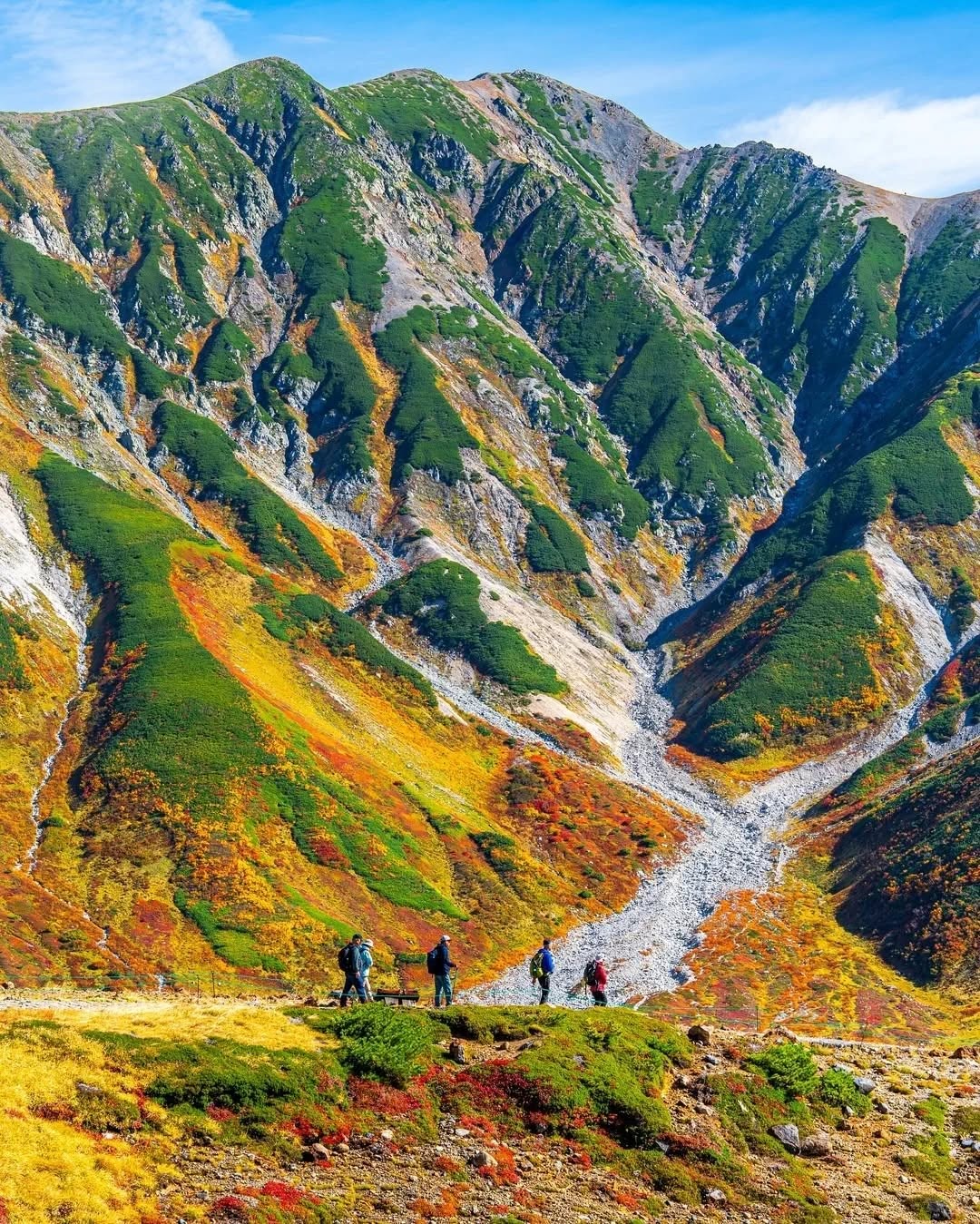
Tateyama Overnight Bus Tour — Alpine Route, Kurobe Dam, Murodo (no hotel)
¥19,000
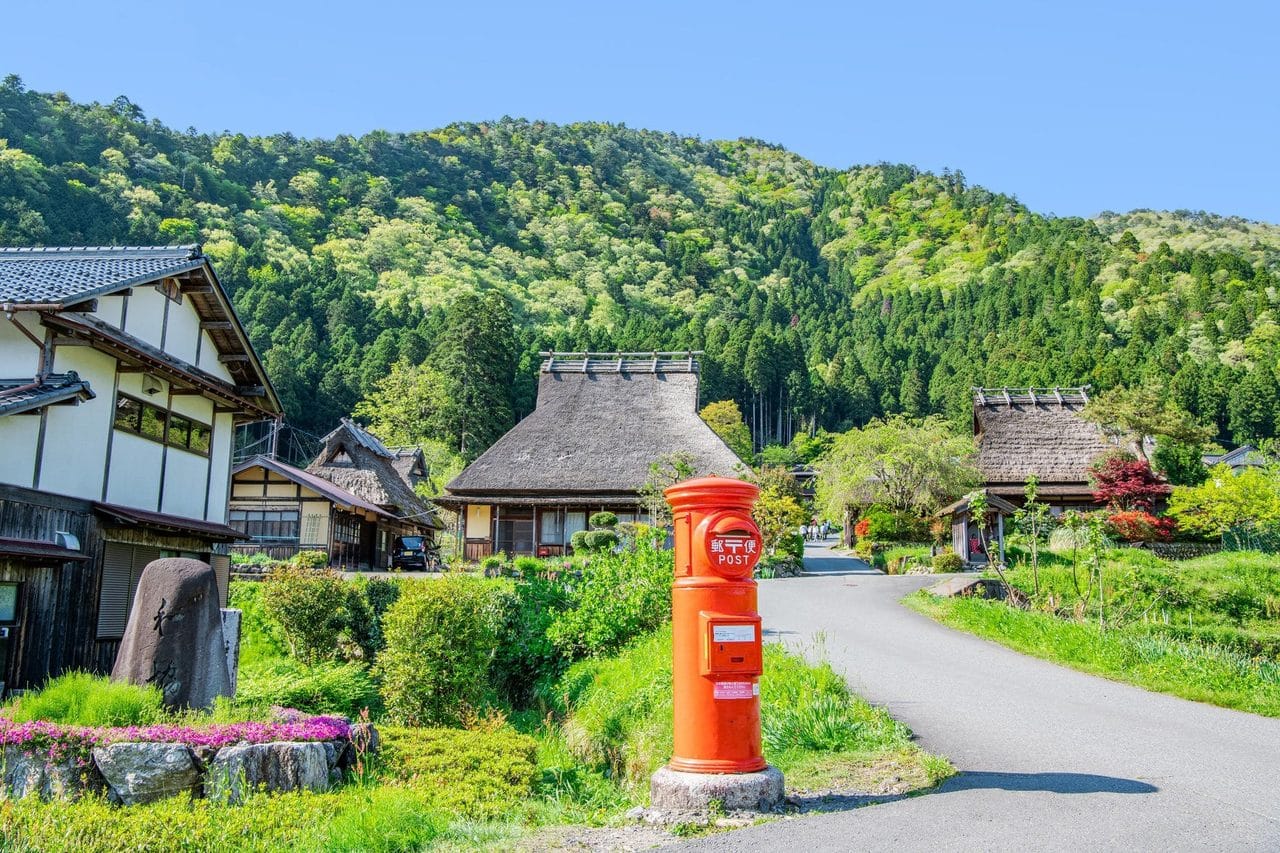
Discover Ine Funaya and Miyama Gassho Village on a Day Excursion from Amanohashidate
¥73,000/car
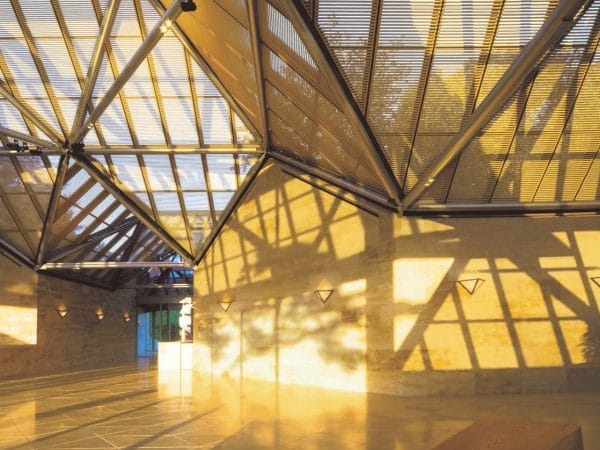
Sakura Festival Day Trip: Nighttime Cherry Blossom Experience at Miho Museum and Mii-dera Temple
¥73,000/car
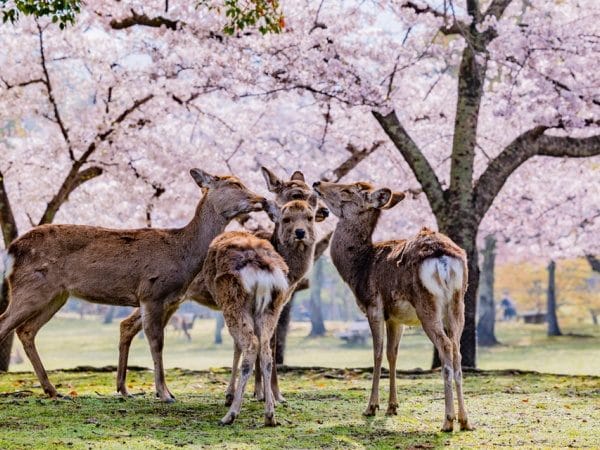
Explore Kyoto and Nara in a Single Day
¥73,000/car
⚠️ Must-read1 items · tap to read▾
- •The itinerary and time at each stop may be adjusted for traffic, weather or facility maintenance; in force-majeure cases a stop may be replaced with a comparable alternative.