
Sakura Festival Day Trip: Nighttime Cherry Blossom Experience at Miho Museum and Mii-dera Temple
✨ Highlights
A private day trip in your own Toyota Alphard with driver: hotel pickup in Osaka or Kyoto, then Miho Museum, Mii-dera Temple and Lake Biwa Canal. About 10 hours on this route, priced per car for up to 6 guests. You enter your hotel (or a station) and the pickup time in the booking form.
The car price does not include a guide, entry tickets, rides, experiences, meals, tolls or parking.
Miho Museum. Architect I.M. Pei designed this museum with inspiration drawn from The Peach Blossom Spring, positioning it in a secluded setting away from urban centers. The structure's defining characteristic is its integration into the mountainous landscape, with roughly 80% of the building excavated into the earth below. Winter closures occur when heavy snow makes the site inaccessible. The museum houses artifacts spanning multiple ancient cultures: Japan, China, South Asia, Central Asia, West Asia, Egypt, Greece, and Rome. Important Note: The Miho Museum closes on March 30, April 6, and April 13. On these dates, the itinerary shifts to Hachimanbori in Ōmihachiman City, Shiga Prefecture. This Edo-period waterway stands as a monument to Ōmi merchant heritage and ranks among Japan's significant historical and cultural landmarks. During cherry blossom season, the canal becomes a picturesque spring landscape and draws crowds as one of Kansai's premier hanami destinations. Mii-dera Temple Founded in 686 AD, Mii-dera Temple (also called Nagarasan Onjō-ji) boasts over 1,300 years of continuous history. This head temple of the Tendai Jimon sect combines profound historical significance, cultural richness, and tranquil Buddhist surroundings. Its greatest appeal emerges each spring when cherry blossoms reach peak bloom. Cherry Blossom Season | An Illuminated Floral Haven Mii-dera ranks among Kansai's most celebrated cherry blossom viewing destinations. Spring brings special nighttime illumination programs that bathe over a thousand Somei-yoshino, Yamazakura, and Shidare-zakura trees in ethereal light, transforming the temple grounds into an otherworldly garden beneath the stars. Reference Admission Fee during Cherry Blossom Season: Adult: 600 JPY Junior High / High School Student: 300 JPY Elementary School Student: 200 JPY ※ Illumination dates vary according to actual bloom progression. Lake Biwa Canal (Biwako Sosui) Constructed during the Taisho era, the First Lake Biwa Canal extends roughly 2.7 kilometers and ranks among Japan's historical waterway systems. Known as the "King of Canals," it transported water from Lake Biwa to Kyoto for municipal consumption and farm irrigation. Finished in 1912, this engineering accomplishment managed water distribution across the lake system, prevented flooding, and sustained agricultural operations throughout the surrounding region.
Read moreShow less▾
🎫 Options
⏸ Join-a-group seats are paused for now. This day tour is currently available as a private Alphard (7 seats) only.
🚌 Shared group tour
- Meeting / pick-up point (choose one): Nihonbashi Exit 2 / Kyoto Station Hachijo Exit Sightseeing Bus Stop
- Departs 11:30 / 12:50
- Guide language: English
- Free cancellation up to 7 days before
- Reserve now, pay on the day or online
From¥6,900/person
🚘 Private Alphard Tour
- Private Toyota Alphard + driver
- Up to 6 guests
- Hotel pickup in Osaka or Kyoto
- About 10 hours · book 7+ days ahead
- Reserve now, pay on pickup or online
- Free cancellation up to 24h before pickup
−30%Book by 31 Dec (JST), then ¥104,300
Campaign price:¥73,000/car · fixed price
Up to 6 guests · from ¥12,167/person with 6
Guide, entry tickets, tolls and parking not included.
- Capacity
- 1+
- Itinerary
- 1 day · 5 stops
🚘 Your private Alphard and driver follow this route. The car price does not include a guide, entry tickets, rides, experiences, meals, tolls or parking.
- 11:30
Hotel pickup in Osaka or Kyoto
You enter your hotel (or a station) and the pickup time in the booking form.
- 14:00
Miho Museum · 120 min
Designed by the renowned architect I.M. Pei and inspired by The Peach Blossom Spring, the Miho Museum is located away from the city. Its most unique feature is that approximately 80% of the structure is built into deep mountains. It is closed during winter when heavy snow blocks access.
- 17:00
Mii-dera Temple · 120 min
Mii-dera Temple, also known as Nagarasan Onjō-ji, was founded in 686 AD and has a history of over 1,300 years. It is the head temple of the Tendai Jimon sect, renowned for its profound history, rich cultural heritage, and serene Buddhist atmosphere. What truly makes it a treasure for visitors is its spectacular cherry blossom season.
- 19:10
Lake Biwa Canal · 30 min
The First Lake Biwa Canal is one of Japan's oldest canal systems, constructed during the Taisho era and spanning approximately 2.7 kilometers. Hailed as the "King of Canals," its primary function was to channel water from Lake Biwa to Kyoto for drinking water and agricultural irrigation.
- 21:30
End of the tour
※ Actual timings vary with road conditions on the day.
🗺️ Route map
Tap a number to see that day
Day 1 — Miho Museum
Miho Museum
- Your private Alphard and driver follow this route. The car price does not include a guide, entry tickets, rides, experiences, meals, tolls or parking.
- Hotel pickup in Osaka or Kyoto. You enter your hotel (or a station) and the pickup time in the booking form.
- Two ways to pay: the driver on the day (cash or card, nothing upfront), or online at checkout right after you send the booking. Either way we confirm the car and pickup time by email.
- Free cancellation up to 24h before pickup
📍 Hotel pickup
🏨 Hotel pickup in Osaka or Kyoto
You enter your hotel (or a station) and the pickup time in the booking form.
- Private Toyota Alphard + driver
- Hotel pickup in Osaka or Kyoto
- About 10 hours on this tour's route
- Guide
- Entry tickets, rides and experiences at the stops
- Meals
- Expressway tolls and parking
How long does this tour last?+
The tour runs 1 day with 3 scheduled stops laid out hour by hour.
Where is the pickup?+
Hotel pickup in Osaka or Kyoto. You enter your hotel (or a station) and the pickup time in the booking form.
What's the minimum group size?+
The price is per car, so the private Alphard runs from 1 guest. Up to 6 guests per car — for more, we add a second car.
Does the car come with a guide?+
The private Alphard comes with a driver; a guide is not included in the car price.
Can I cancel or reschedule?+
Free cancellation up to 24 hours before pickup (full refund). Within 24 hours or no-show: charged in full. To cancel or change the date, email us with your booking ID; date changes depend on car availability.
🗾 Related tours
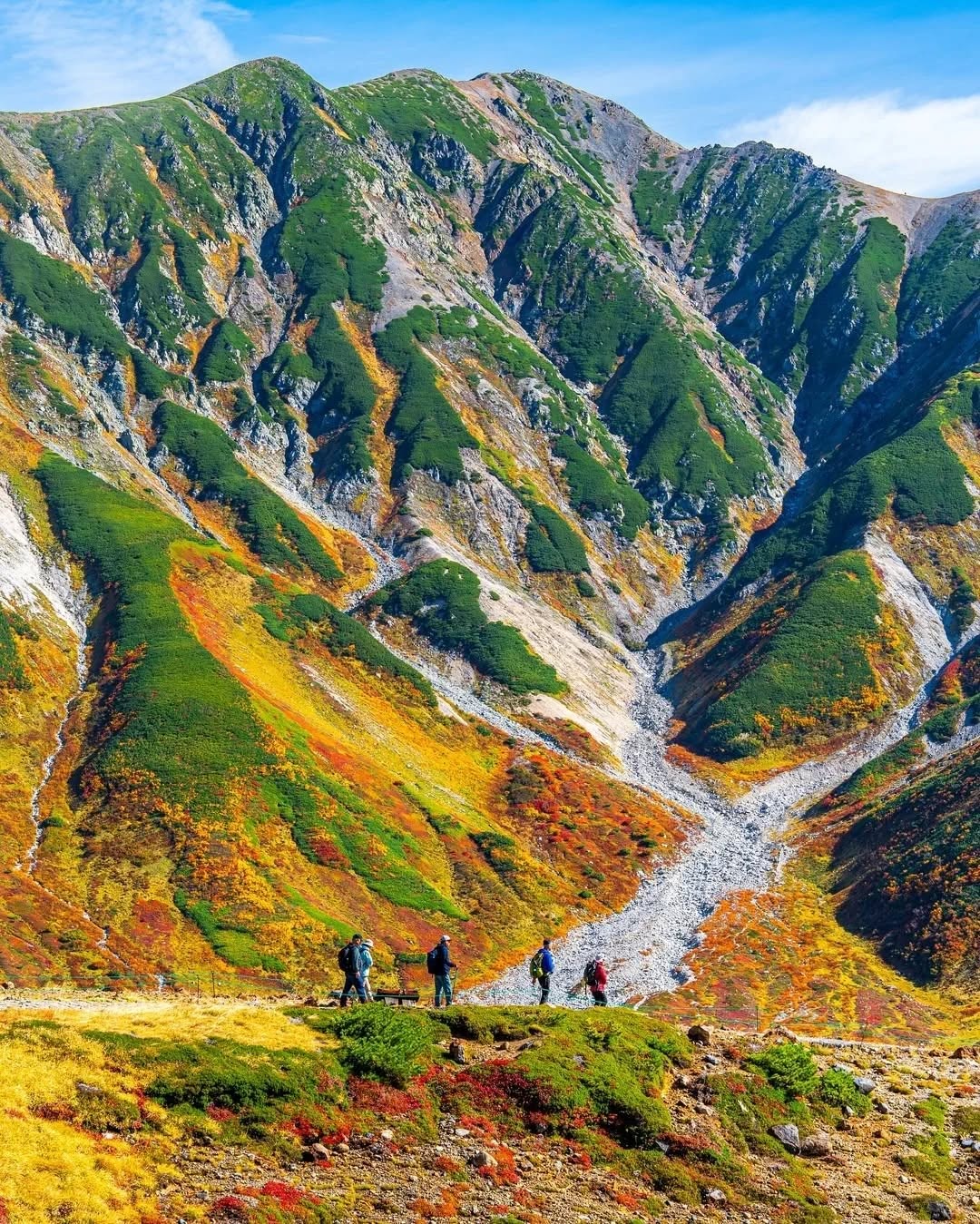
Tateyama Overnight Bus Tour — Alpine Route, Kurobe Dam, Murodo (no hotel)
¥19,000
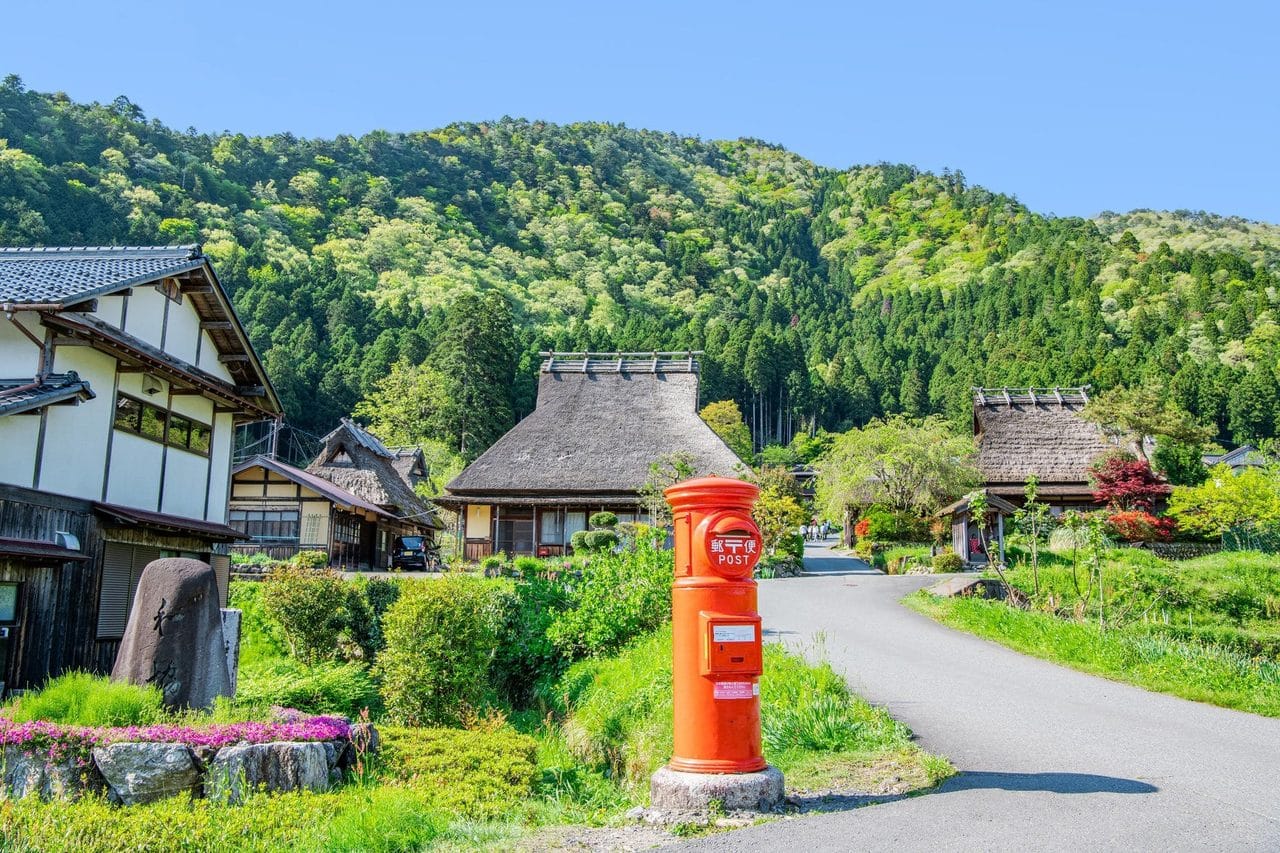
Discover Ine Funaya and Miyama Gassho Village on a Day Excursion from Amanohashidate
¥73,000/car
Explore Kyoto and Nara in a Single Day
¥73,000/car
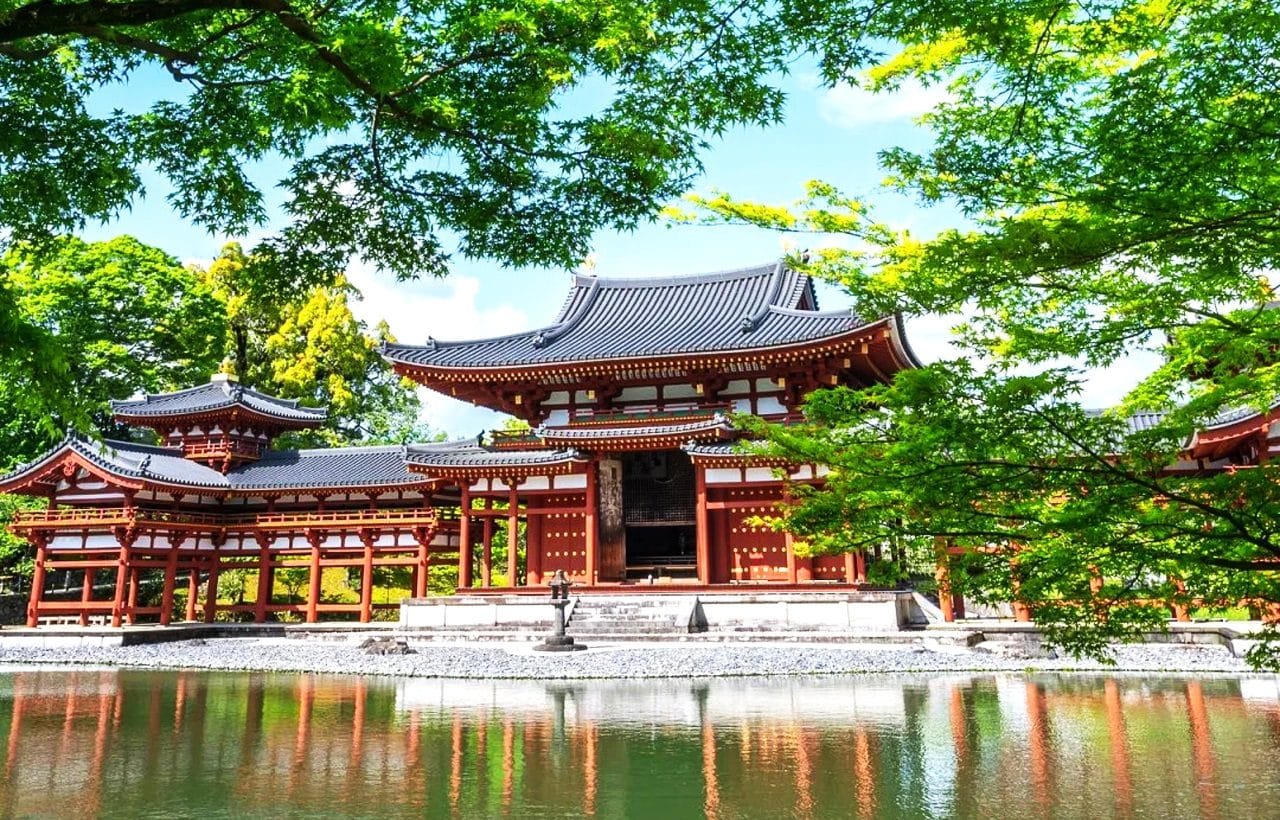
Nara and Uji Hot Springs Immersion: A Full Day Cultural Experience
¥73,000/car
⚠️ Must-read1 items · tap to read▾
- •The itinerary and time at each stop may be adjusted for traffic, weather or facility maintenance; in force-majeure cases a stop may be replaced with a comparable alternative.