
A private day trip in your own Toyota Alphard with driver: hotel pickup in Osaka or Kyoto, then Golden Pavilion Temple, Kiyomizudera Temple and Fushimi Inari Taisha Shrine. About 10 hours on this route, priced per car for up to 6 guests. You enter your hotel (or a station) and the pickup time in the booking form.
The car price does not include a guide, entry tickets, rides, experiences, meals, tolls or parking.
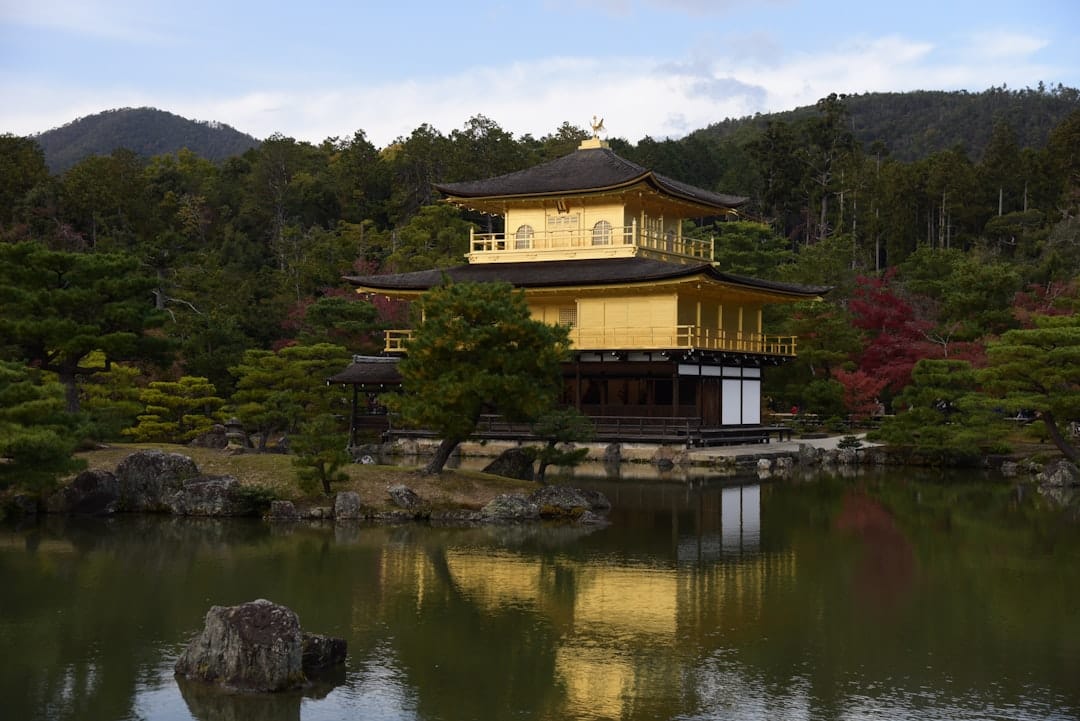
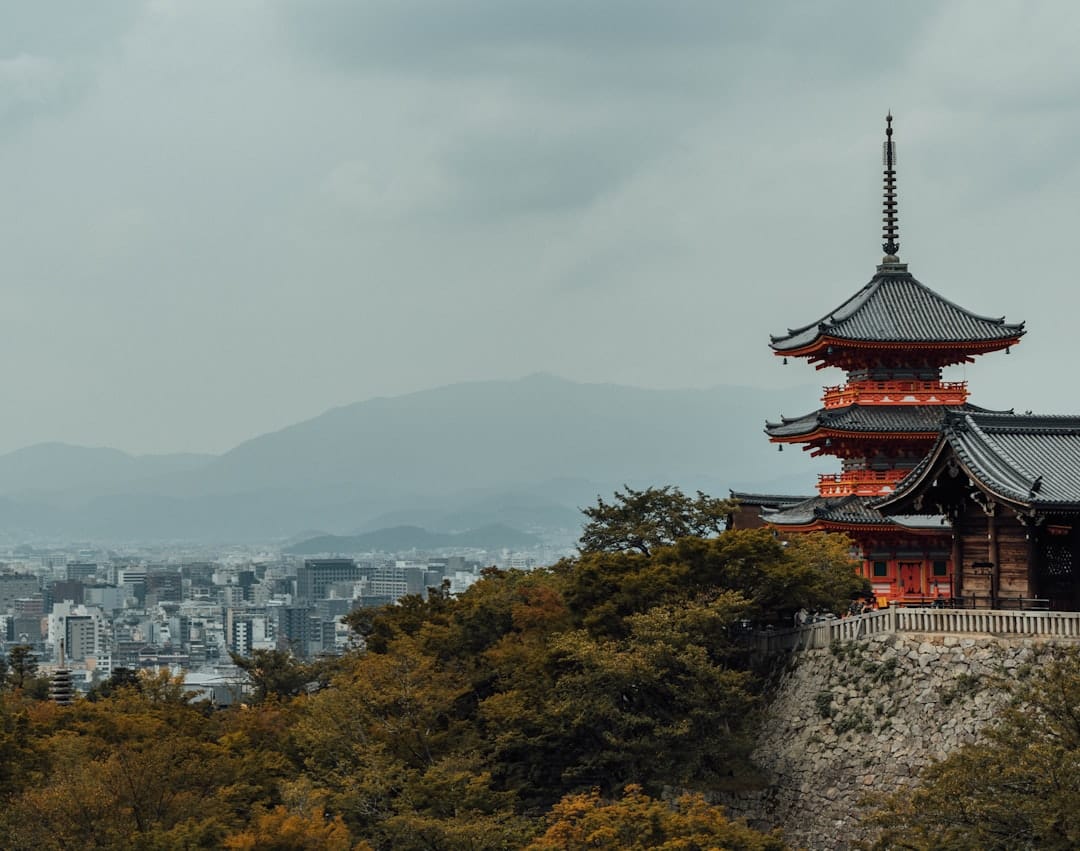
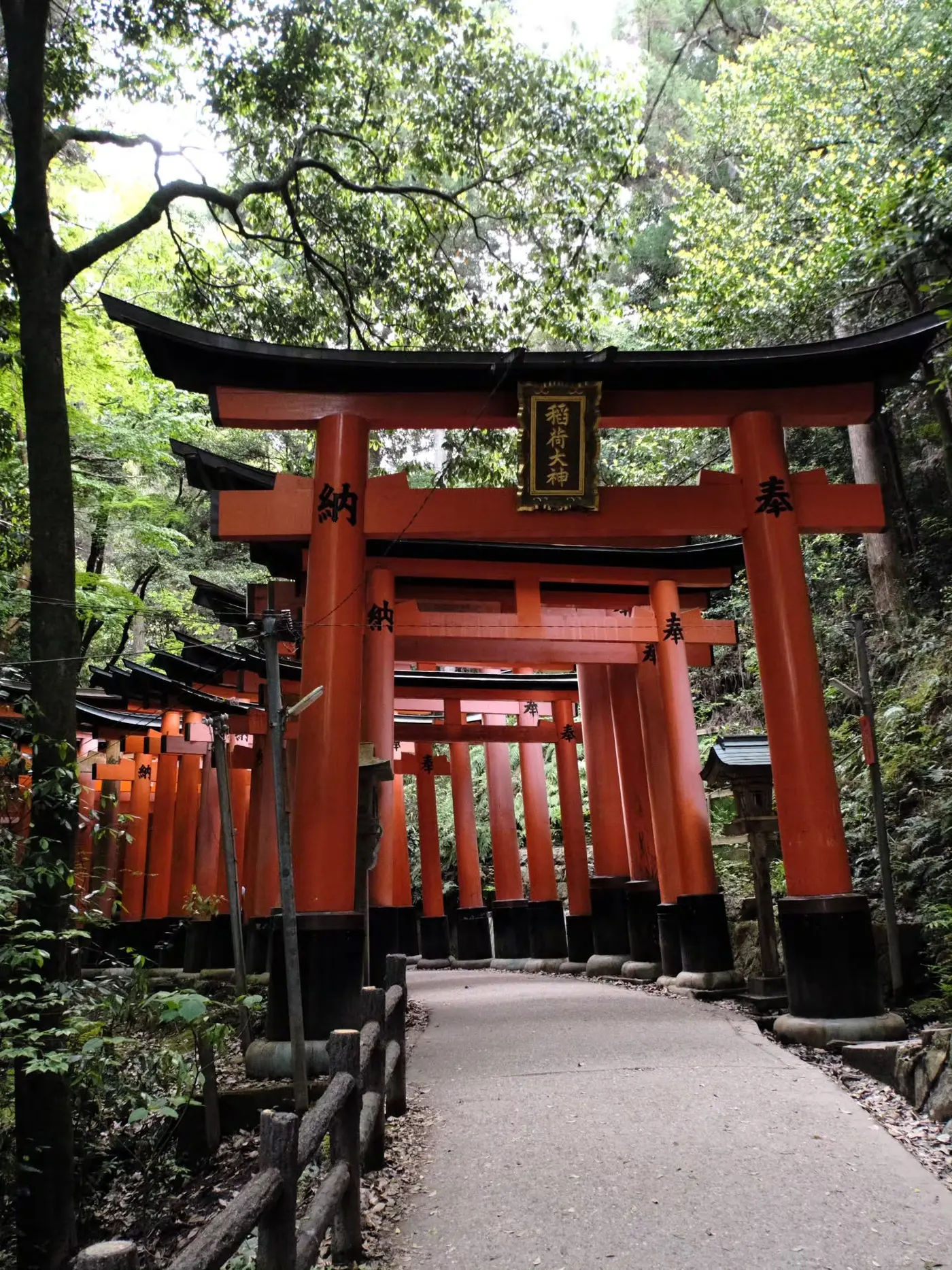
The structure began as the mountain residence of Shogun Ashikaga Yoshimitsu before transforming into a Zen temple known as Bodhisora. Kiyomizu-dera Temple stands as Kyoto's oldest religious site, established in 778 and recognized as both a UNESCO World Heritage site and National Treasure. Adjacent to the main temple, Jishu Jinja Shrine serves as a dedicated space for matchmaking and romantic devotion. Just outside Kiyomizu-dera, the slopes of Ninenzaka and Sannenzaka form an Important Traditional Buildings Preservation Area where wooden structures line both sides of the streets. The neighborhood bustles with vendors selling regional specialties, handcrafted fans, dolls, chopsticks, and artisan goods that define Kyoto's character. Continuing north from Ninenzaka's end leads to Ishibe-Alley, a quieter passage with fewer crowds. Stone pathways wind between well-preserved traditional houses that transport visitors to an earlier era, offering peaceful respite from busier districts. Hanami-koji, Gion's historic flower street, retains the refined atmosphere of Japan's geisha heritage. While Kyoto once supported nearly a thousand geisha during the 1960s, today's instructors continue training new practitioners in traditional tea ceremony, flower arrangement, koto, gagaku, kyogen, maiko, and bunraku. The street's one-kilometer stretch from north to south reveals contrasting personalities—modern establishments in the north, traditional venues toward the south, each contributing distinctive character. Yasaka Shrine, positioned in Higashiyama district, ranks among the Kansai region's most significant shrines. Visitors can access fortune-telling stations, write wishes on ema wooden plaques, and purchase protective amulets. Heart-shaped ema designed for romantic intentions prove especially sought-after. Fushimi Inari Taisha Shrine draws international crowds through its iconic Thousand Torii Gates and has earned top rankings on the world's largest travel platform as Japan's most visited destination by foreign tourists three years running. Visitors come here to offer prayers for themselves and those they cherish.
Read moreShow less▾
🎫 Options
⏸ Join-a-group seats are paused for now. This day tour is currently available as a private Alphard (7 seats) only.
🚌 Shared group tour
- Meeting / pick-up point (choose one): Nihonbashi Exit 2 / Kyoto Station Hachijo Exit - Sightseeing Bus Stop in Front of the Station
- Departs 08:40 / 09:50
- Guide language: English
- Free cancellation up to 7 days before
- Reserve now, pay on the day or online
From¥6,900/person
🚘 Private Alphard Tour
- Private Toyota Alphard + driver
- Up to 6 guests
- Hotel pickup in Osaka or Kyoto
- About 10 hours · book 7+ days ahead
- Reserve now, pay on pickup or online
- Free cancellation up to 24h before pickup
−30%Book by 31 Dec (JST), then ¥104,300
Campaign price:¥73,000/car · fixed price
Up to 6 guests · from ¥12,167/person with 6
Guide, entry tickets, tolls and parking not included.
- Capacity
- 1+
- Itinerary
- 1 day · 5 stops
🚘 Your private Alphard and driver follow this route. The car price does not include a guide, entry tickets, rides, experiences, meals, tolls or parking.
- 08:40
Hotel pickup in Osaka or Kyoto
You enter your hotel (or a station) and the pickup time in the booking form.
- 10:30
Kinkaku-ji Temple · 40 min
Kinkaku-ji Temple, originally known as Rokuon-ji Temple, is nicknamed "Golden Pavilion Temple" because its core building, the Shariden, is decorated entirely with gold leaf. Founded in 1397, the temple was originally the mountain retreat of Shogun Ashikaga Yoshimitsu (the inspiration for Shogun Yoshimitsu in the anime "Clever Ikkyu") and later converted into a Zen temple called "Bodhisora."
- 12:00
Kiyomizu- dera Temple · 180 min
Kiyomizu-dera Temple is a World Cultural Heritage site and a popular tourist attraction in Kyoto. Founded in 778, it's Kyoto's oldest temple and a designated National Treasure. Jishu Jinja Shrine, located north of the main shrine, is a shrine dedicated to matchmaking and love in Japan.
- 15:20
Fushimi Inari Taisha Shrine · 70 min
- 18:30
End of the tour
※ Actual timings vary with road conditions on the day.
🗺️ Route map
Tap a number to see that day
Day 1 — Golden Pavilion Temple
Golden Pavilion Temple
- Your private Alphard and driver follow this route. The car price does not include a guide, entry tickets, rides, experiences, meals, tolls or parking.
- Hotel pickup in Osaka or Kyoto. You enter your hotel (or a station) and the pickup time in the booking form.
- Two ways to pay: the driver on the day (cash or card, nothing upfront), or online at checkout right after you send the booking. Either way we confirm the car and pickup time by email.
- Free cancellation up to 24h before pickup
📍 Hotel pickup
🏨 Hotel pickup in Osaka or Kyoto
You enter your hotel (or a station) and the pickup time in the booking form.
- Private Toyota Alphard + driver
- Hotel pickup in Osaka or Kyoto
- About 10 hours on this tour's route
- Guide
- Entry tickets, rides and experiences at the stops
- Meals
- Expressway tolls and parking
How long does this tour last?+
The tour runs 1 day with 3 scheduled stops laid out hour by hour.
Where is the pickup?+
Hotel pickup in Osaka or Kyoto. You enter your hotel (or a station) and the pickup time in the booking form.
What's the minimum group size?+
The price is per car, so the private Alphard runs from 1 guest. Up to 6 guests per car — for more, we add a second car.
Does the car come with a guide?+
The private Alphard comes with a driver; a guide is not included in the car price.
Can I cancel or reschedule?+
Free cancellation up to 24 hours before pickup (full refund). Within 24 hours or no-show: charged in full. To cancel or change the date, email us with your booking ID; date changes depend on car availability.
🗾 Related tours
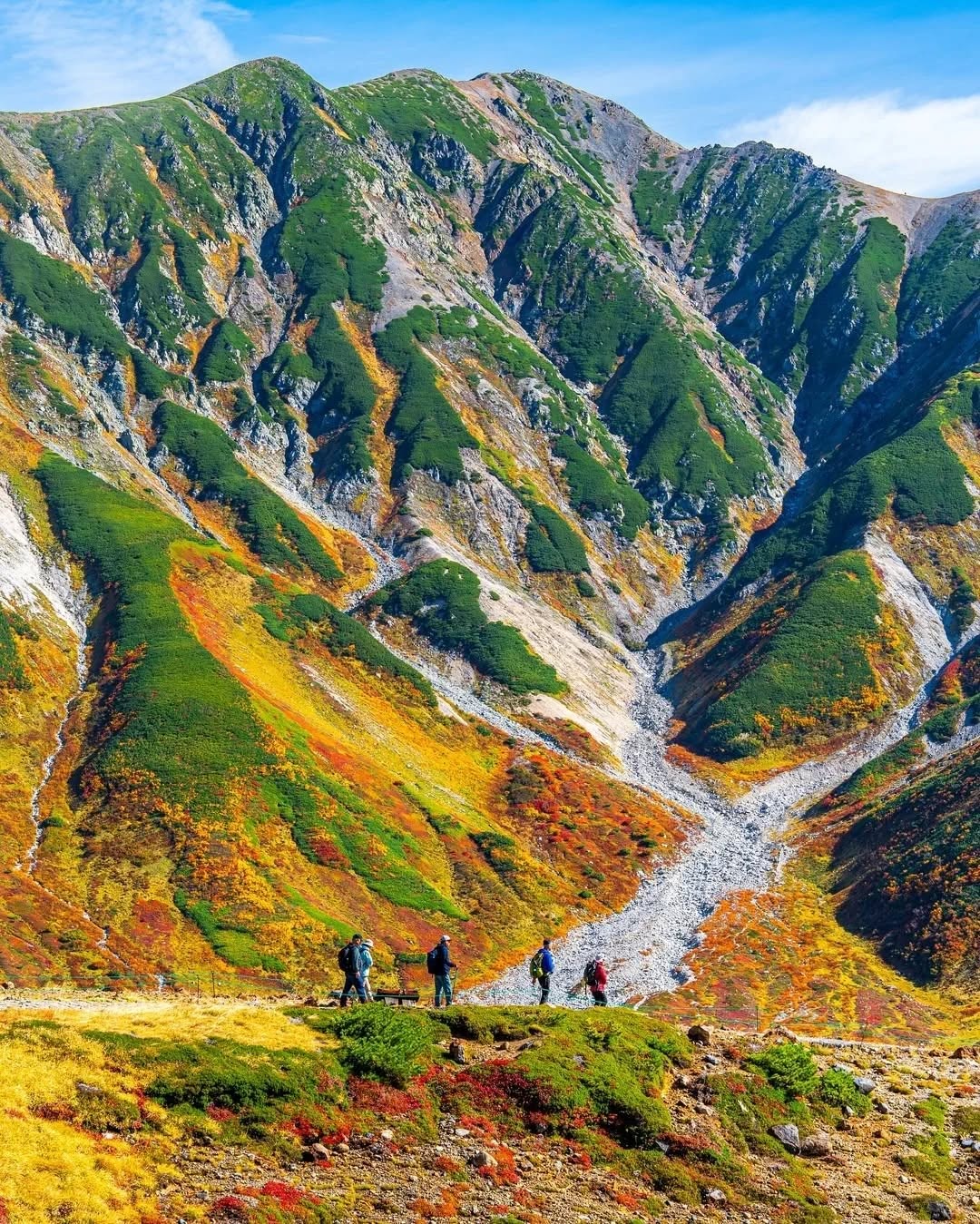
Tateyama Overnight Bus Tour — Alpine Route, Kurobe Dam, Murodo (no hotel)
¥19,000
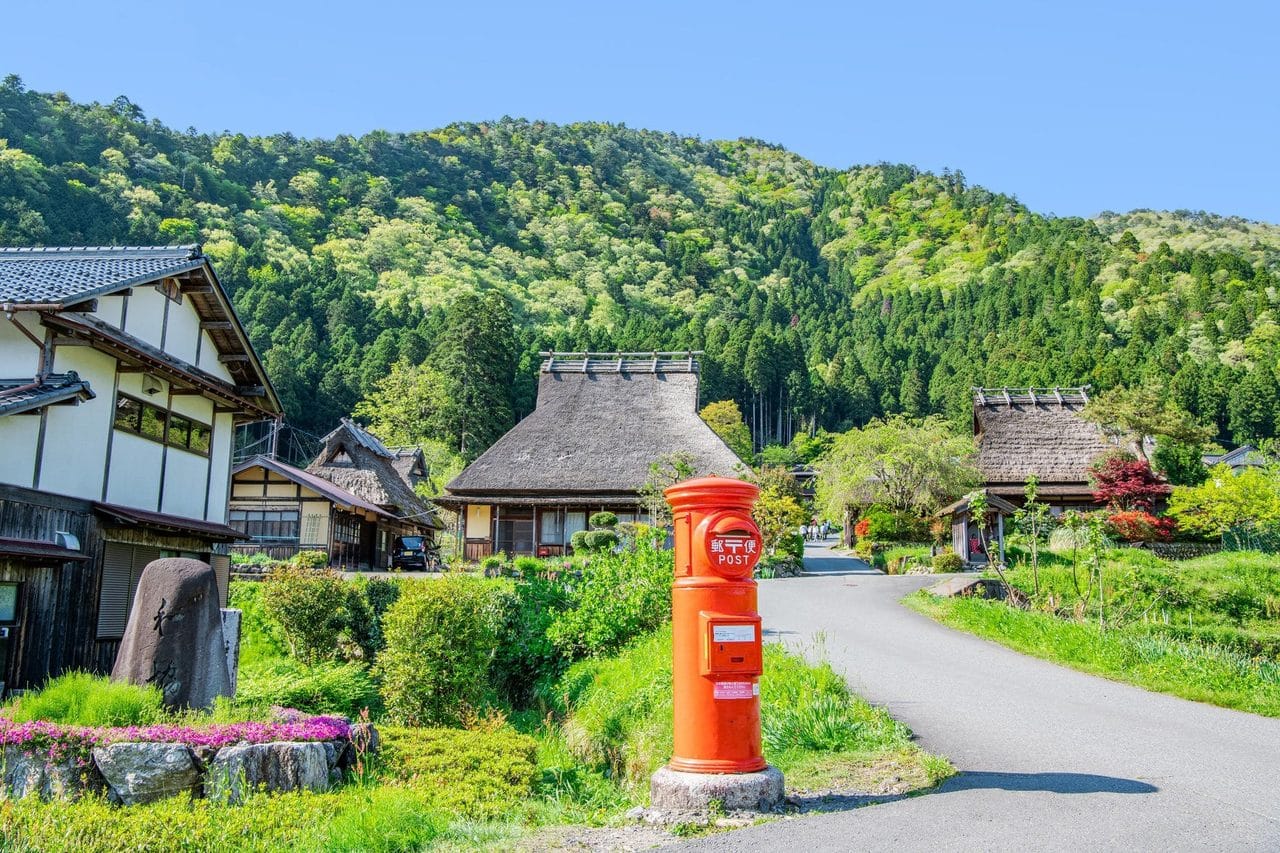
Discover Ine Funaya and Miyama Gassho Village on a Day Excursion from Amanohashidate
¥73,000/car
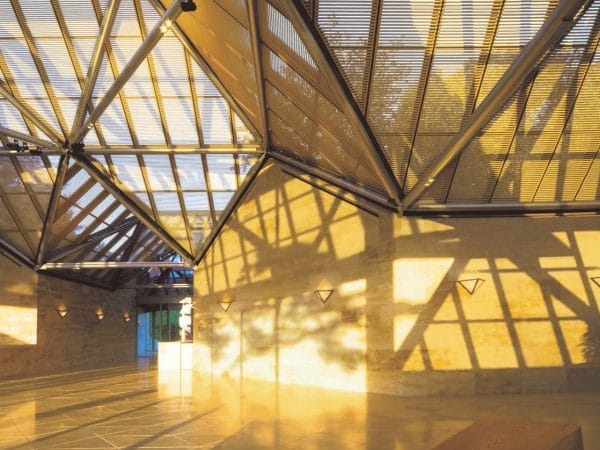
Sakura Festival Day Trip: Nighttime Cherry Blossom Experience at Miho Museum and Mii-dera Temple
¥73,000/car
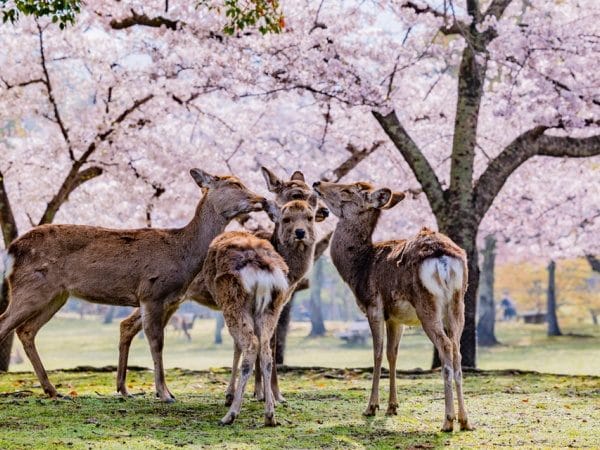
Explore Kyoto and Nara in a Single Day
¥73,000/car
⚠️ Must-read1 items · tap to read▾
- •The itinerary and time at each stop may be adjusted for traffic, weather or facility maintenance; in force-majeure cases a stop may be replaced with a comparable alternative.