Memilih Hotel untuk Menginap Lama Dekat Rumah Sakit di Tokyo atau Osaka
Hal-hal yang benar-benar penting saat Anda akan menginap dekat rumah sakit selama satu hingga empat minggu: jarak tempuh dengan mobil, dapur, fasilitas laundry, lift, kamar mandi tanpa anak tangga, tanggal yang fleksibel, serta distrik di Tokyo dan Osaka tempat kamar-kamar seperti ini tersedia.
6 Sep 2026·✍️ olablog·⏱ 6 menit baca
Hal-hal yang benar-benar penting saat Anda akan menginap dekat rumah sakit selama satu hingga empat minggu: jarak tempuh dengan mobil, dapur, fasilitas laundry, lift, kamar mandi tanpa anak tangga, tanggal yang fleksibel, serta distrik di Tokyo dan Osaka tempat kamar-kamar seperti ini tersedia.
Ketuk wilayah untuk melihat artikel
Hotel untuk liburan dan hotel untuk keperluan medis dipilih dengan pertimbangan yang berbeda. Saat berlibur, Anda menginginkan lokasi, pemandangan, dan sarapan. Jika harus berada dekat rumah sakit selama dua atau tiga minggu, yang Anda butuhkan adalah perjalanan singkat dan dapat diprediksi ke fasilitas tersebut, kamar tempat Anda bisa beristirahat dengan tenang, tempat untuk mencuci pakaian, serta tarif yang bisa diubah ketika pihak rumah sakit mengubah jadwal. Panduan ini membahas kebutuhan kedua, khususnya untuk Tokyo dan Osaka, dua kota tempat sebagian besar tamu medis menginap.
Kami tidak menyebutkan nama rumah sakit di sini dan tidak merekomendasikan hotel tertentu secara tertulis, karena pilihan yang tepat bergantung pada lokasi fasilitas Anda. Namun, kami bisa memberi tahu hal-hal apa yang perlu ditanyakan.
Jarak diukur berdasarkan menit perjalanan dengan mobil, bukan kilometer
Kemacetan di Tokyo dan Osaka membuat jarak dalam kilometer kurang bermakna. Tanyakan waktu tempuh dengan mobil ke fasilitas tersebut pada pukul 8 pagi di hari kerja, karena sebagian besar janji temu dimulai pada waktu itu. Targetnya kurang dari 20 menit. Kurang dari 10 menit tentu lebih baik saat kondisi Anda sedang kurang sehat.
Ada dua alasan praktis. Pertama, jika Anda sedang berpuasa atau dalam masa pemulihan, perjalanan panjang terasa tidak nyaman. Kedua, jika janji temu selesai lebih cepat atau molor, jarak yang singkat membuat jadwal mobil tetap fleksibel, bukan kaku.
Jangan berasumsi bahwa hotel yang berada tepat di sebelah rumah sakit adalah pilihan terbaik. Lingkungan sekitar rumah sakit di Jepang sering kali berupa kawasan permukiman atau perkantoran yang tenang dengan sedikit hotel; pilihan menginap lama yang bagus mungkin berjarak dua stasiun, yang tetap hanya sekitar 10 menit dengan mobil.
Hotel atau apartemen berlayanan?
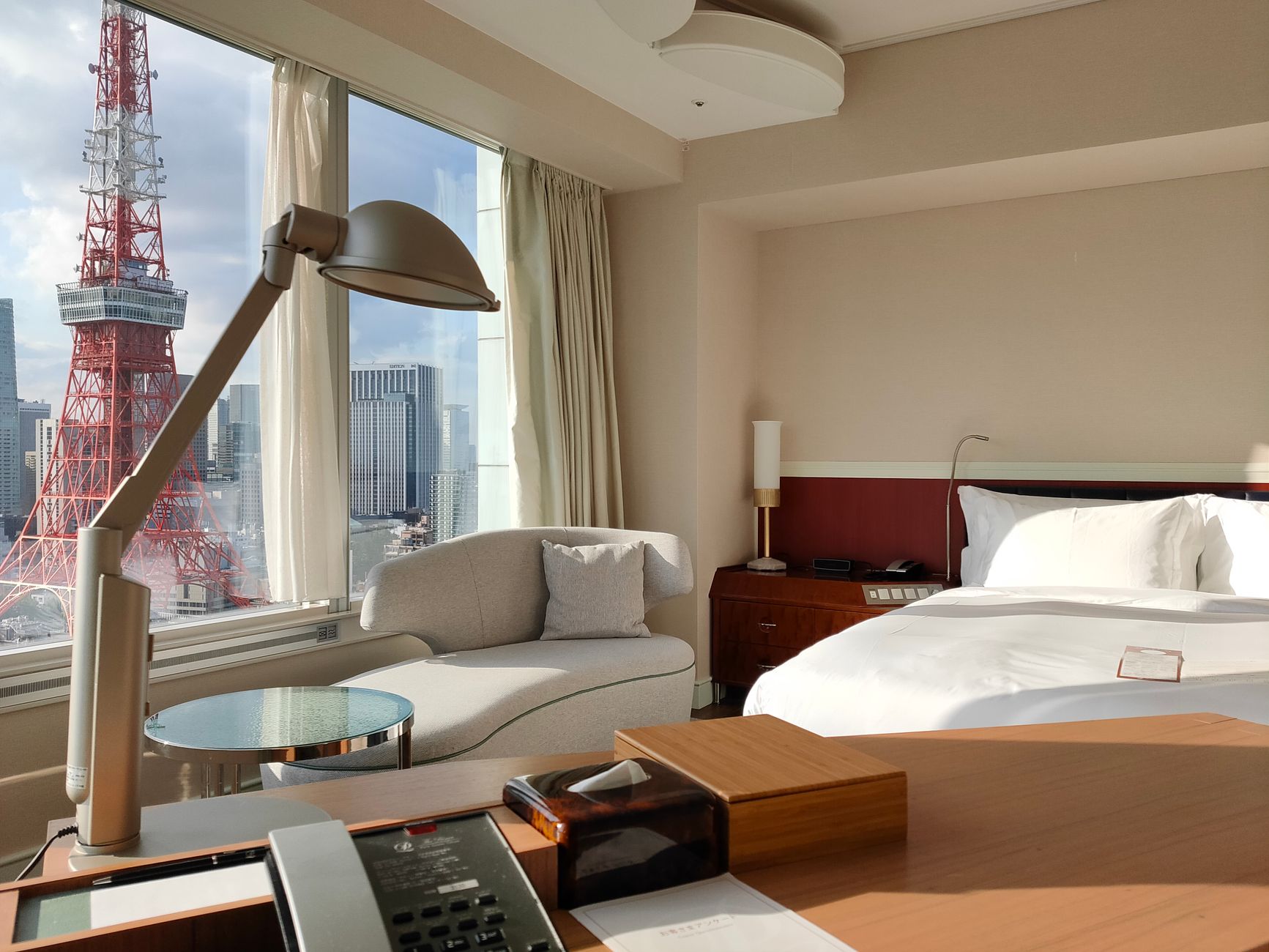
Untuk masa inap hingga satu minggu, kamar hotel biasa sudah cukup, idealnya hotel bisnis yang tenang atau jaringan internasional dengan layanan kamar.
Untuk masa inap satu minggu atau lebih, hotel untuk menginap lama atau apartemen berlayanan biasanya lebih cocok. Perbedaannya terletak pada dapur kecil, mesin cuci-pengering di kamar atau di lantai yang sama, serta tarif per malam yang semakin rendah semakin lama Anda menginap. Dapur lebih penting daripada yang dibayangkan banyak orang: Anda bisa membuat teh, menghangatkan sup, menyimpan buah dan yogurt, serta mengatur makanan yang dikonsumsi pada pagi hari saat berpuasa atau setelah menjalani perawatan gigi. Fasilitas laundry juga penting karena membawa pakaian untuk tiga minggu di dalam koper tidak menyenangkan, sementara hari-hari di rumah sakit menghasilkan banyak cucian.
Di Tokyo, apartemen berlayanan banyak terdapat di distrik pusat dan barat serta di sekitar kawasan teluk; di Osaka, pilihan ini terkonsentrasi di distrik bisnis pusat dan dekat stasiun-stasiun utama. Lokasi fasilitas Anda akan menentukan klaster mana yang dapat dicapai dalam 20 menit.
Daftar pertanyaan yang kami ajukan kepada hotel
Saat memesan untuk tamu medis, kami mengajukan pertanyaan-pertanyaan berikut kepada pihak hotel dan hanya melakukan pemesanan jika jawabannya sesuai:
- Apakah tersedia lift menuju lantai kamar, dan seberapa jauh jarak dari lift ke kamar?
- Apakah kamar mandinya tidak memiliki anak tangga di pintu masuk dan memiliki shower yang memungkinkan Anda duduk, jika mobilitas menjadi perhatian?
- Apakah kamar berada jauh dari jalan, di lantai yang lebih tinggi, dan dilengkapi tirai penghalang cahaya?
- Apakah tersedia check-out terlambat atau ruang istirahat pada hari keberangkatan, karena janji temu dapat selesai pada waktu yang tidak biasa?
- Apakah tarif dapat diubah atau dipersingkat dengan pemberitahuan satu hari sebelumnya, atau dengan biaya paling banyak satu malam?
- Apakah tamu kedua dapat ditambahkan di tengah masa inap jika anggota keluarga datang belakangan?
- Apakah resepsionis bersedia menerima kursi roda, kiriman obat, atau pesan dari pengemudi?
Sebagian besar properti menjawab pertanyaan-pertanyaan ini dalam satu hari. Properti yang memberikan jawaban jelas biasanya juga merupakan tempat yang mampu menangani kebutuhan tamu medis dengan baik.
Tanggal yang fleksibel lebih berharga daripada diskon
Rumah sakit dapat menjadwalkan ulang janji temu. Konsultasi hasil pemeriksaan bisa bergeser dua hari, kunjungan kedua dapat ditambahkan, atau rencana perawatan berubah menjadi lebih panjang. Jika tarif hotel yang dipilih adalah tarif termurah yang tidak dapat dikembalikan, setiap perubahan akan menambah biaya dan stres. Untuk masa inap medis, kami secara default memilih tarif fleksibel dan menjelaskan dengan tepat bagian mana dari rencana yang tidak fleksibel sebelum Anda melakukan konfirmasi.
Dua orang, satu pasien
Sebagian besar tamu medis tidak bepergian sendirian. Kamar twin adalah pilihan standar; dua kamar terhubung lebih baik jika pasien membutuhkan ketenangan sementara pendamping perlu melakukan panggilan telepon. Di apartemen berlayanan, apartemen satu kamar tidur dengan ruang keluarga terpisah memiliki fungsi yang sama. Boleh tidaknya kerabat menginap di kamar rumah sakit merupakan aturan rumah sakit, dan banyak rumah sakit di Jepang tidak mengizinkannya. Jadi, sejak awal, rencanakan tempat tidur pendamping di hotel.
Tokyo: gambaran distrik untuk masa inap medis
Distrik bisnis di pusat Tokyo tenang pada malam hari, dipenuhi restoran saat jam makan siang, dan dapat menjangkau banyak fasilitas besar dalam waktu singkat. Distrik permukiman di bagian barat lebih tenang, dengan taman dan supermarket kecil, sementara properti untuk menginap lama di sana terasa lebih seperti tempat tinggal daripada akomodasi sementara. Kawasan teluk bergaya modern, dengan trotoar yang luas dan hotel-hotel besar, tetapi dari sana perjalanan melalui jalan raya ke beberapa klaster rumah sakit lebih jauh. Tanyakan kepada kami klaster mana yang mencakup fasilitas Anda, dan kami akan mencocokkan distriknya.
Osaka: jarak lebih pendek, pilihan lebih sederhana
Osaka lebih kompak. Dari distrik-distrik pusat, sebagian besar fasilitas besar dapat dicapai dalam 20 menit dengan mobil, dan properti untuk menginap lama di dekat dua stasiun utama sudah memenuhi sebagian besar kebutuhan. Bagi tamu yang fasilitasnya berada di Kobe atau Kyoto, menginap di kota tersebut alih-alih bepergian pulang-pergi dari Osaka hampir selalu merupakan rencana yang lebih baik; mobil dari Bandara Kansai dapat langsung menuju salah satunya tanpa perlu berganti kereta.
Hal-hal yang tidak dilakukan hotel
Hotel tidak akan mengetahui alasan Anda berada di Jepang kecuali Anda memberi tahu mereka, dan kami tidak akan memberitahukannya. Mereka tidak akan menyimpan rekam medis Anda, dan Anda juga tidak seharusnya meminta mereka melakukannya. Mereka dapat menerima kursi roda, kiriman dari apotek, dan pesan.
Cara kami melakukan pemesanan
Beri tahu kami distrik tempat fasilitas berada, jumlah malam, apakah ada kebutuhan terkait mobilitas atau pola makan, serta siapa saja yang bepergian. Kami akan mengirimkan dua atau tiga pilihan beserta waktu tempuh dengan mobil ke fasilitas tersebut, jenis tarif, dan jawaban atas daftar pertanyaan di atas. Anda memilih; kami memesan; jadwal pengemudi akan mengikuti alamat tersebut.
Jika perjalanan Anda masih berada pada tahap “kota mana”, mulailah dari halaman perjalanan medis, dan pertanyaan tentang hotel akan terjawab dengan sendirinya setelah fasilitasnya dipastikan.