Merencanakan Perjalanan Pemeriksaan Kesehatan ke Tokyo: Kerangka 3 Hari yang Efektif
Cara menyusun perjalanan singkat ke Tokyo untuk pemeriksaan kesehatan: waktu kedatangan, pagi saat berpuasa, kunjungan untuk membahas hasil, tempat menginap, cara bepergian, dan kegiatan untuk mengisi sore yang luang. Tanpa nama rumah sakit dan tanpa nasihat medis.
6 Sep 2026·✍️ olablog·⏱ 6 menit baca
Cara menyusun perjalanan singkat ke Tokyo untuk pemeriksaan kesehatan: waktu kedatangan, pagi saat berpuasa, kunjungan untuk membahas hasil, tempat menginap, cara bepergian, dan kegiatan untuk mengisi sore yang luang. Tanpa nama rumah sakit dan tanpa nasihat medis.
Ketuk wilayah untuk melihat artikel
Pemeriksaan kesehatan menyeluruh di Jepang, yang umumnya dikenal dengan nama Jepangnya, ningen dock, adalah salah satu perjalanan medis yang paling mudah direncanakan. Anda dalam kondisi sehat, pemeriksaan di rumah sakit biasanya selesai dalam satu pagi, dan pembahasan hasilnya dilakukan pada sore hari yang sama atau beberapa hari kemudian. Tantangannya bukan pada aspek medis, melainkan logistik: tiba pada waktu yang tepat, sudah berpuasa pada jam yang ditentukan, tidak mengantre taksi pada pukul 7 pagi, serta tidak menyia-nyiakan sore karena tidak tahu bahwa waktu tersebut akan luang.
Artikel ini adalah kerangka yang kami gunakan saat mengatur perjalanan pemeriksaan kesehatan ke Tokyo. Tidak ada nama rumah sakit atau saran mengenai pemeriksaan apa yang perlu dilakukan. Fasilitas mana yang dipilih dan apa saja yang diperiksa merupakan urusan Anda dan dokter di sana. Berikut ini hanya membahas sisi perjalanannya.
Sebelum berangkat: tiga hal yang perlu dipastikan
Tanggal janji temu dan waktu check-in. Sebagian besar pusat pemeriksaan kesehatan meminta Anda tiba antara pukul 8:00 dan 9:00, serta mulai berpuasa sejak malam sebelumnya. Beberapa mengizinkan minum air hingga jam tertentu, sementara yang lain tidak. Mintalah informasi yang tepat dari meja layanan pasien internasional fasilitas tersebut dan simpan di ponsel Anda. Jika Anda belum memilih fasilitas, inilah bagian yang dapat kami bantu atur: kami menghubungkan Anda dengan fasilitas yang sesuai melalui meja layanan internasionalnya dan membantu mengonfirmasi tanggal, lalu menyusun semua kebutuhan berikutnya berdasarkan jadwal tersebut.
Barang yang perlu dibawa sesuai permintaan fasilitas. Biasanya berupa paspor, konfirmasi janji temu, kuesioner yang dikirim sebelumnya, serta daftar obat yang Anda konsumsi. Jika diminta membawa hasil pemeriksaan sebelumnya, terjemahkan dokumen tersebut sesuai petunjuk fasilitas. Pendamping dapat membantu menyerahkannya, tetapi dokumen harus diserahkan langsung dari Anda kepada pihak fasilitas, bukan melalui orang lain.
Jumlah malam menginap. Untuk program dengan hasil yang dibahas pada hari yang sama, tiga malam sudah cukup nyaman. Untuk program yang dokternya menjelaskan hasil beberapa hari kemudian, siapkan lima hingga tujuh malam, dengan beberapa hari luang di antaranya.
Kerangka 3 hari
Hari 1: tiba, beristirahat, dan bersiap
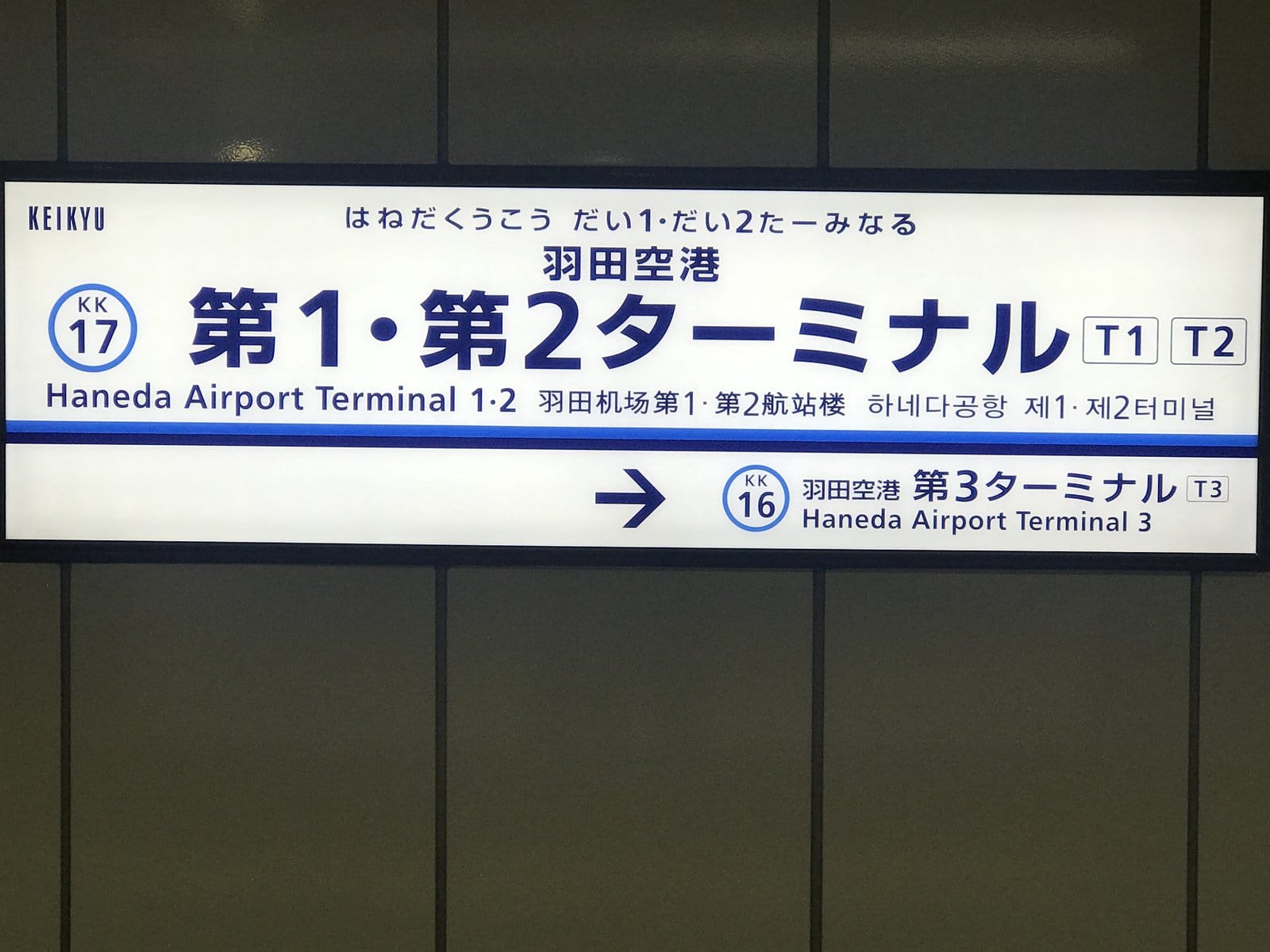
Jika bisa memilih, mendaratlah di Haneda. Dari pusat Tokyo, perjalanan dengan mobil memakan waktu sekitar 30 hingga 45 menit, dibandingkan 60 hingga 90 menit dari Narita, tergantung kondisi lalu lintas. Pengemudi dengan papan nama akan menjemput Anda di aula kedatangan dan mengantar ke hotel yang berjarak sekitar 20 menit berkendara dari fasilitas. Jarak ini lebih penting daripada peringkat bintang hotel: pagi hari dimulai lebih awal dan Anda tentu tidak ingin menempuh perjalanan jauh dalam keadaan berpuasa.
Pada malam hari, kami mengirim pesan berisi waktu penjemputan, instruksi puasa dari fasilitas, barang-barang yang perlu dibawa, dan, jika Anda memesan penerjemah, tempat bertemu dengannya. Setelah itu, Anda makan malam lebih awal karena instruksi dari fasilitas biasanya memulai periode puasa pada malam tersebut.
Hari 2: pagi pemeriksaan kesehatan
Mobil berangkat dari hotel dengan waktu cadangan untuk mengantisipasi lalu lintas. Jika Anda memesan penerjemah medis bersertifikat, ia menemui Anda di sana dan membantu check-in di resepsionis, mengisi formulir terkait nama, alamat, dan informasi kontak, serta menemani Anda di ruang tunggu. Pusat pemeriksaan kesehatan di Tokyo biasanya menggunakan urutan bernomor: pengukuran, pengambilan darah, pencitraan, dan seterusnya. Petugas akan mengarahkan Anda dari satu ruangan ke ruangan berikutnya. Jika diizinkan oleh fasilitas, penerjemah masuk ke ruang konsultasi dan menerjemahkan penjelasan yang disampaikan, lalu menyampaikan kembali pertanyaan Anda.
Menjelang siang atau awal sore, biasanya pemeriksaan sudah selesai. Mobil mengantar Anda makan siang—setelah pagi yang dihabiskan dengan berpuasa, inilah santapan yang paling Anda ingat—atau kembali ke hotel. Sore hari bebas. Anda bisa mengunjungi taman, museum, atau kafe yang tenang, dengan mobil menunggu di setiap tempat.
Hari 3: hasil dan keberangkatan, atau hasil dan hari-hari luang
Jika konsultasi hasil dilakukan pada hari ke-3, mobil akan mengantar Anda kembali ke fasilitas untuk janji temu tersebut. Penerjemah, jika dipesan, menerjemahkan konsultasi dan membantu di loket pembayaran. Apa yang disampaikan dokter tetap menjadi urusan Anda dan dokter.
Jika fasilitas memberikan laporan tercetak, simpanlah. Jika ingin menerjemahkannya ke bahasa Anda setelah tiba di rumah, Anda dapat mengirimkannya kepada kami dan kami akan menerjemahkan kata-katanya. Kami tidak menafsirkan maknanya karena itu merupakan peran dokter.
Setelah itu, mobil dapat mengantar Anda ke bandara atau perjalanan bisa dilanjutkan dengan beberapa hari luang.
Tempat menginap
Untuk perjalanan singkat, hotel bisnis atau hotel internasional yang tenang dan dekat dengan fasilitas sudah memadai. Mintalah kamar yang jauh dari jalan dan memiliki tirai blackout yang baik karena pagi hari dimulai lebih awal. Jika dua orang bepergian dan hanya satu orang yang menjalani pemeriksaan, kamar twin merupakan pilihan yang wajar.
Untuk program yang lebih panjang dengan jeda beberapa hari di antara kunjungan, hotel untuk tinggal jangka panjang atau apartemen berlayanan dengan dapur kecil dapat membuat perjalanan jauh lebih mudah. Pagi saat berpuasa menjadi lebih praktis ketika Anda bisa merebus air dan mengatur sendiri apa saja yang tersedia di kamar. Kami telah menulis panduan terpisah tentang cara memilih tempat seperti ini di Tokyo atau Osaka.
Berkeliling
Mobil pribadi dengan pengemudi bukanlah kemewahan pada hari pemeriksaan. Layanan ini menghilangkan satu hal yang tidak dapat Anda kendalikan di pagi hari: mencari transportasi saat berpuasa dan sedikit gugup. Pengemudi akan menunggu atau kembali pada waktu yang Anda tentukan. Jika pemeriksaan pagi berlangsung lebih lama, Anda cukup mengirim satu pesan dan pengemudi akan tetap menunggu.
Pada hari-hari luang, mobil yang sama dapat mengantar Anda ke Hakone, Kamakura, atau berkeliling kota, tetapi ini bersifat opsional. Kereta Tokyo sangat baik digunakan saat Anda tidak sedang berpacu dengan waktu.
Peran penerjemah, dalam satu paragraf
Jika Anda mau, kami mencari penerjemah medis bersertifikat yang sesuai dengan pemeriksaan dan bahasa Anda (Vietnam, Korea, Inggris, Mandarin, atau Jepang), dihitung per kasus. Penerjemah membantu proses check-in, pengisian formulir, menemani di ruang tunggu, menerjemahkan selama janji temu jika diizinkan, mengurus loket pembayaran, dan membantu di apotek. Mereka tidak memberikan pendapat medis, tidak memilihkan salah satu opsi yang ditawarkan dokter, dan tidak menandatangani dokumen apa pun atas nama Anda. Batasan ini melindungi Anda sekaligus melindungi mereka.
Soal biaya, secara jelas
Biaya pemeriksaan kesehatan dibayarkan oleh Anda langsung kepada fasilitas di loket pembayarannya, berdasarkan tagihan dari fasilitas tersebut. Kami tidak memungut, menambahkan, atau menahan biaya itu. Tagihan dari kami mencakup koordinasi, mobil, hotel, dan penerjemah yang kami atur, dengan setiap komponen dicantumkan secara terpisah sehingga Anda dapat menghapus layanan yang tidak diperlukan.
Jadwal realistis untuk pemesanan
Memesan tiga hingga empat minggu sebelumnya merupakan waktu yang nyaman. Fasilitas membutuhkan waktu untuk meninjau permintaan pasien asing, dan kamar-kamar tenang yang bagus di dekat rumah sakit biasanya cepat habis. Dengan pemberitahuan satu minggu sebelumnya, kami masih dapat membantu, meski pilihannya lebih terbatas.
Jika Anda siap merencanakan perjalanan, kirimkan tujuan dan tanggal perjalanan Anda melalui halaman perjalanan medis. Kami akan membalas dalam 24 jam dengan rencana terkoordinasi, dan biaya medis tidak akan tercantum di dalamnya.