
Kumano Nachi Taisha & Nachi Falls in One Day
Climb the cobbled Daimonzaka through the cedars, reach the Grand Shrine and its pagoda above the falls, then end with tuna and a seaside bath in Katsuura.
Last updated 2026-09-03 · 1-day self-guided plan
Nachi Falls & Kumano Kodo
A short pilgrim's climb to the tallest waterfall in Japan
For travellers with one day on the Kii Peninsula who want a taste of the Kumano Kodo without committing to a multi-day trek.
 1
1Daimonzaka
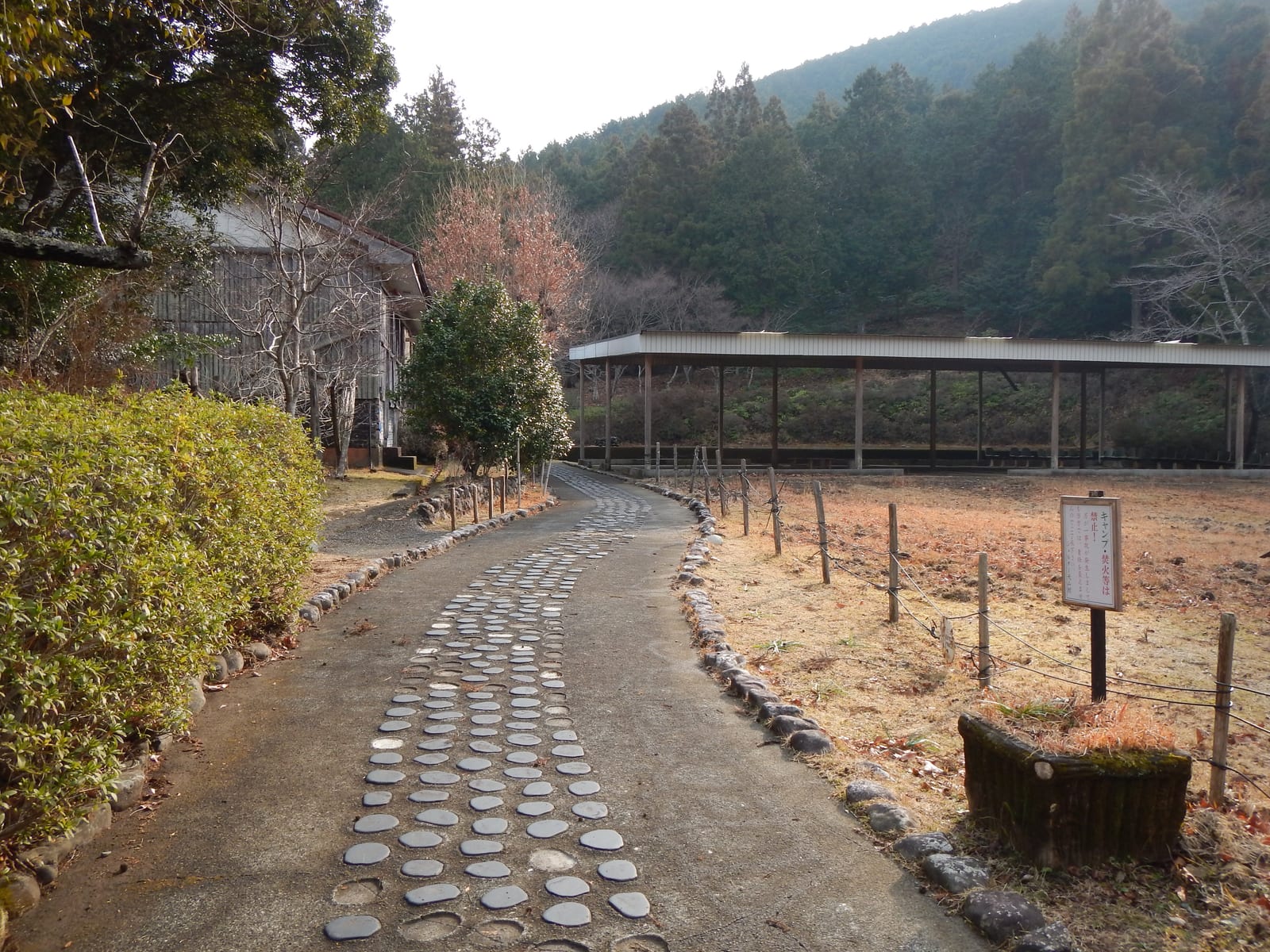
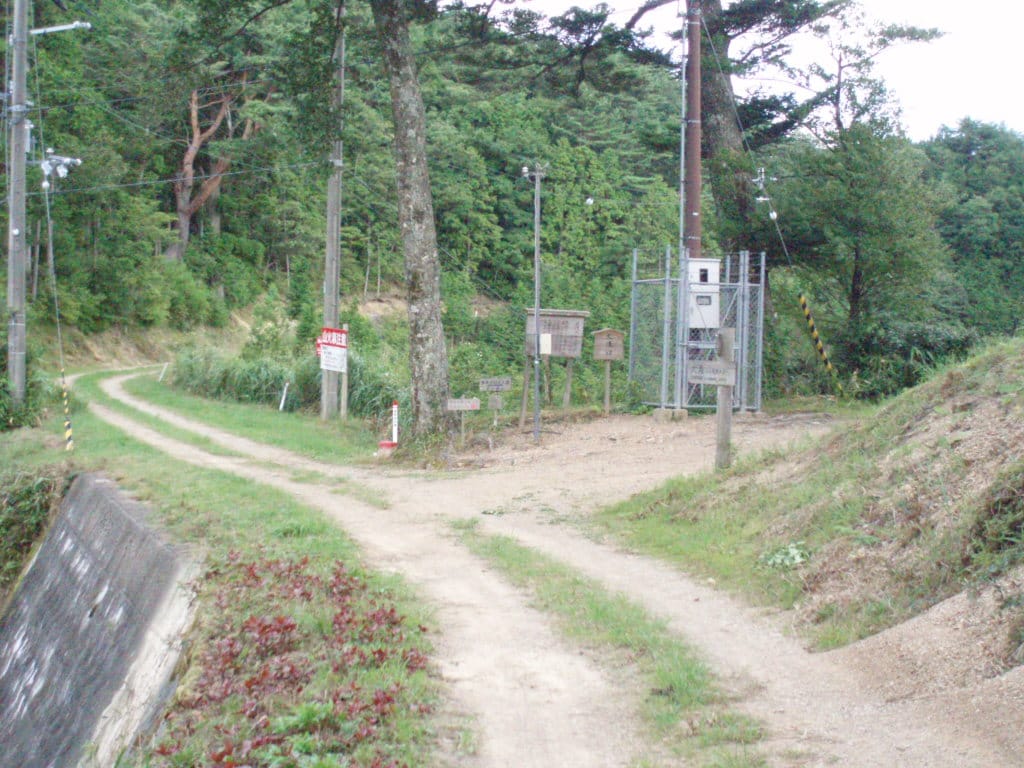
From Kii-Katsuura station, buses toward Nachisan take about 20 minutes to the Daimonzaka stop; be on one around 8:30. The path starts past a pair of giant cedars said to be eight centuries old and climbs 267 stone steps through the forest, the best-preserved short stretch of the Kumano Kodo. It is only 600 metres, but take it slowly; this is the stretch pilgrims walked in straw sandals.
45 MinutesCost: Free- 2
Kumano Nachi Taisha
A further flight of steps past souvenir shops brings you to the vermilion halls of the Grand Shrine around 9:45, one of the three great Kumano shrines. The eight-hundred-year-old camphor tree by the main hall has a hollow you can walk through for a small offering. Look for the three-legged crow, Yatagarasu, on the amulets and flags; it is the messenger of Kumano and the emblem of the Japanese football team.
45 MinutesCost: Free - 3
Seiganto-ji and the three-storey pagoda
Next door, without a boundary, stands the Buddhist temple Seiganto-ji, the first stop of the Saigoku pilgrimage; shrine and temple shared this hilltop long before religion was tidied into categories. Walk down to the vermilion pagoda, which frames the waterfall in the photograph everyone comes for. You can climb inside for a small fee for a higher view of the falls.
45 MinutesCost: ¥300–800 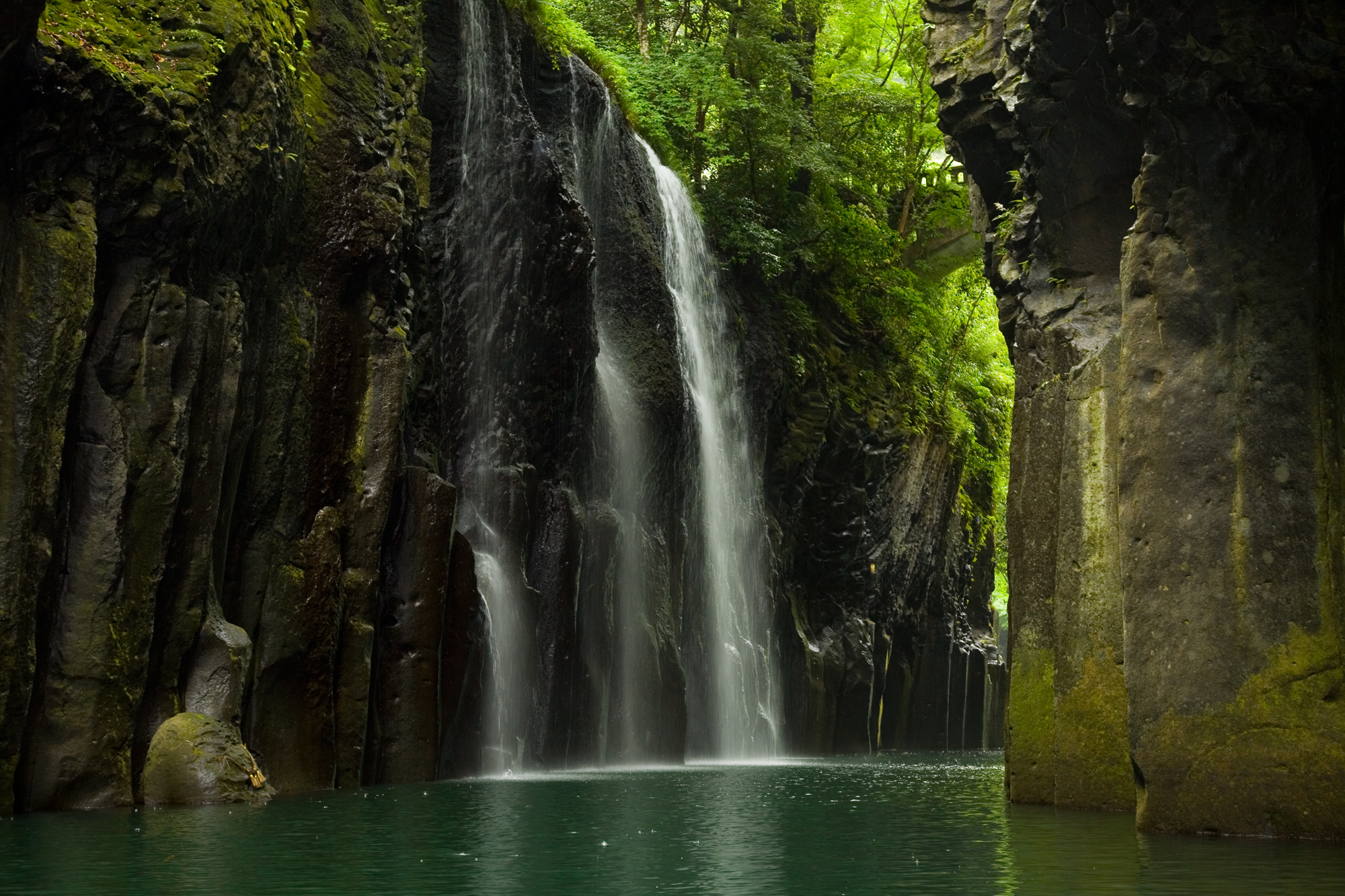 4
4Nachi Falls and Hiro Shrine
Follow the road and steps down about 15 minutes to Hiro-jinja at the foot of the falls. The water drops 133 metres in a single column and the shrine's object of worship is the waterfall itself. Pay the small fee for the viewing platform closest to the base, where the spray reaches you in spring and after rain. Have a simple lunch at the shops by the bus stop, then catch a bus back to Katsuura.
1 HourCost: ¥300–800- 5
Katsuura harbour, tuna and a seaside onsen
Back at Kii-Katsuura by around 14:00, one of the largest tuna ports in Japan. Restaurants around the station and harbour serve maguro in every cut, and the covered market by the port is worth a look even after the morning auction. Several hotels on the bay open their seawater and rock-cave baths to day visitors in the afternoon; a boat shuttles across the harbour to the most famous of them.
2 HoursCost: ¥2,000–5,000
Day 1 Estimated Cost
- Food¥3,000–6,000
- Buses & trains¥1,500–2,500
- Admissions & bath¥1,500–3,000
Tips
Buses to Nachisan run roughly hourly from Kii-Katsuura; note the return times at the stop before you climb, since the last one back leaves in the late afternoon.
Daimonzaka's cobbles are polished and uneven, slick with moss after rain; proper shoes, and a pole if your knees complain on the way down.
Eat the tuna in Katsuura, not on the mountain: the shops by the falls sell snacks and mehari-zushi, but the real meal is at the port.
The pagoda-and-falls shot is from the pagoda's own steps, facing east; morning light is on the water, afternoon light is on the pagoda, so pick your priority.