
Harajuku & Omotesando in One Day
Meiji Shrine's forest at opening, the crepe queues of Takeshita-dori, the mirror entrance of Omotesando, vintage hunting in Ura-Harajuku, and an evening at the
Last updated 2026-09-03 · 1-day self-guided plan
Harajuku & Omotesando
A shrine forest, a teen street, a boulevard of glass
For visitors who want Tokyo's fashion district in one loop, from the calm of the shrine to the chaos of Takeshita-dori and the quiet money of Omotesando, all within a kilometre of one station.
- 1
Meiji Jingu
Take the JR Yamanote Line to Harajuku and cross the bridge to the great cypress torii by 8:30, before the crowds. A gravel avenue runs 10 minutes through a planted forest of 100,000 trees to the shrine buildings, where you will often see a wedding procession on weekend mornings. Wash your hands at the basin, bow twice, clap twice, bow once. The Inner Garden with its iris field is a small extra ticket in June.
1 HourCost: Free 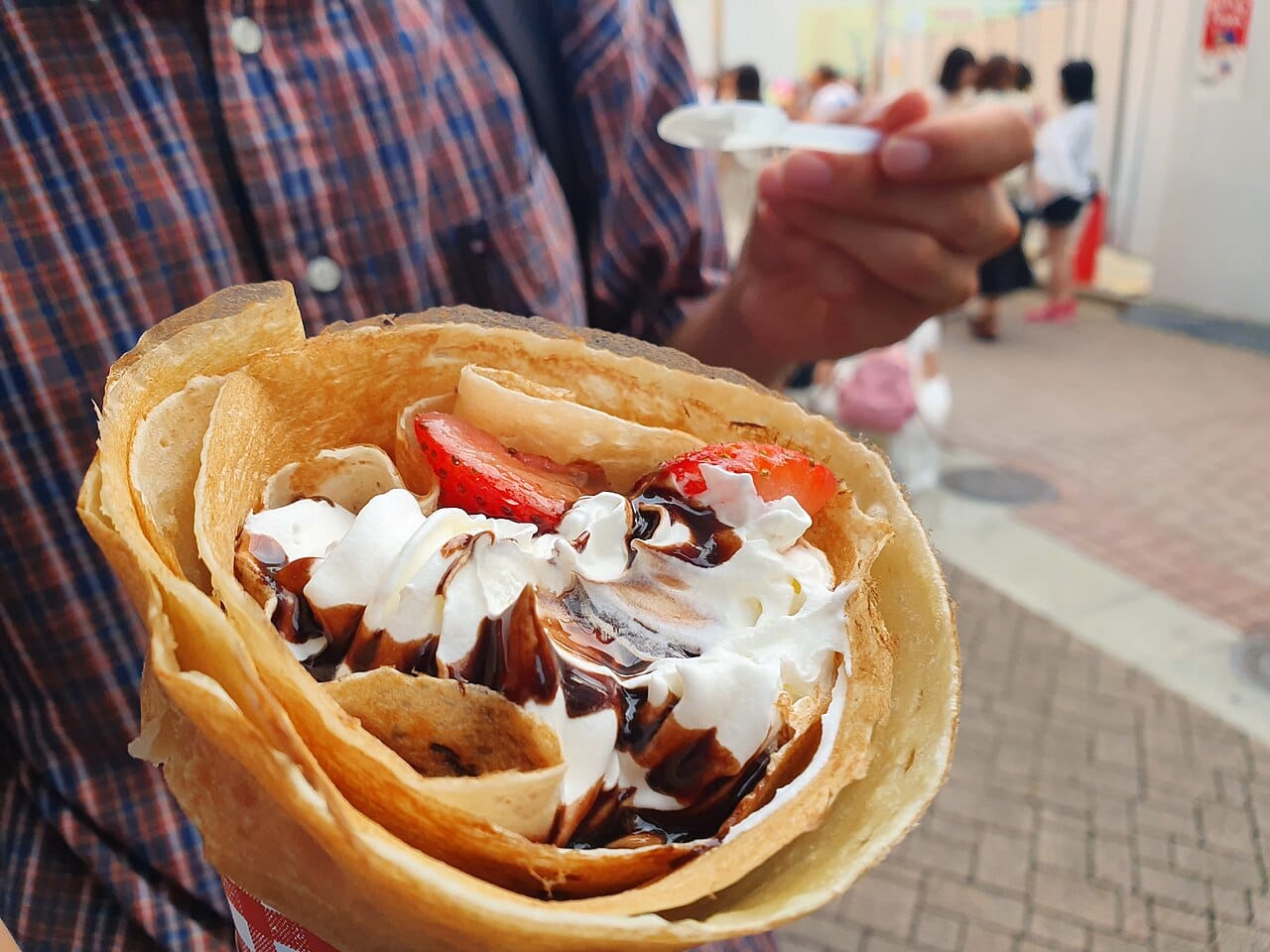 2
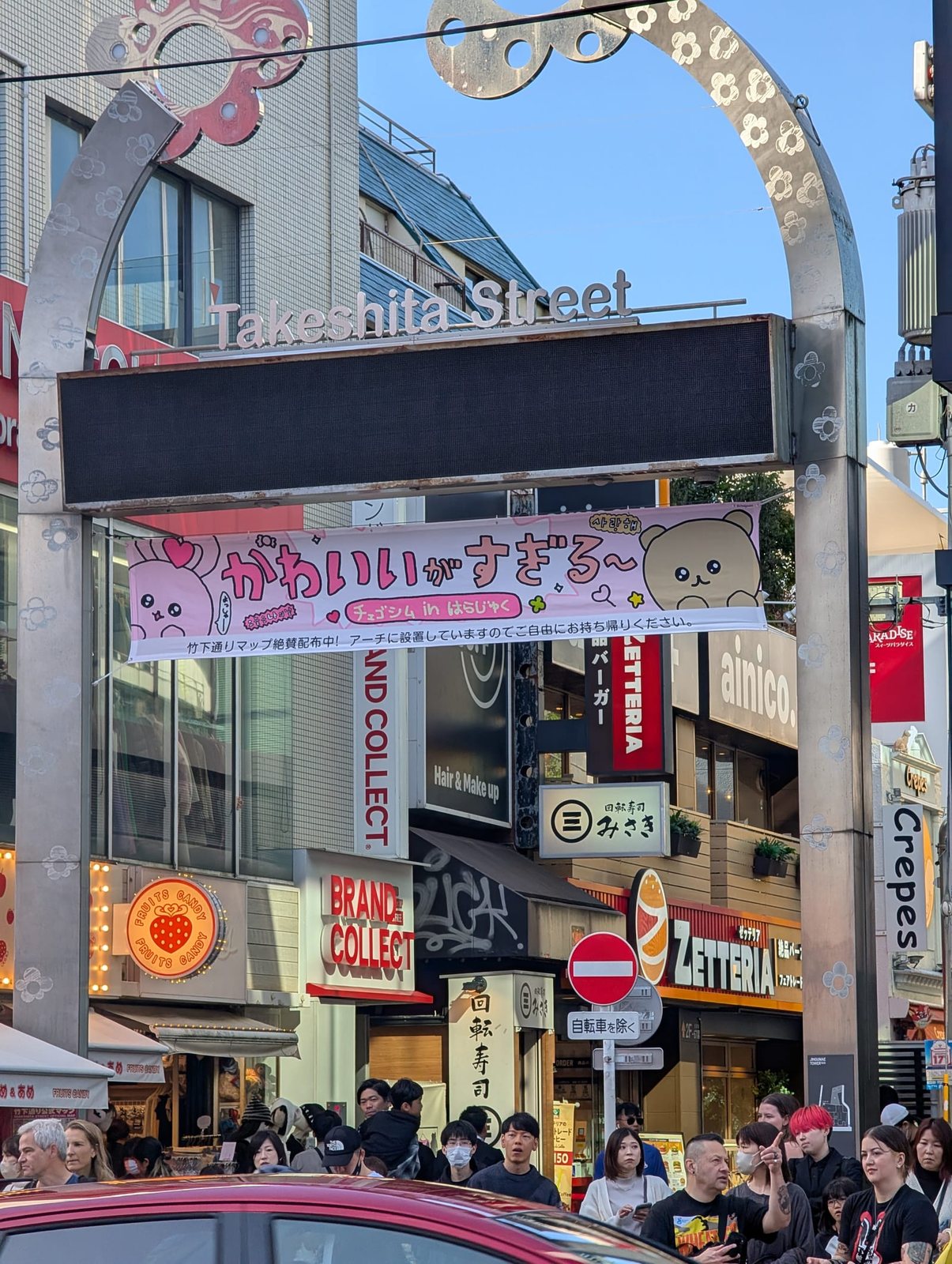
2Takeshita-dori
Back at the station, the narrow pedestrian street opposite the exit opens mid-morning; walk it around 10:30 before the school groups. It is 350 metres of cheap fashion, cat cafes, rainbow cotton candy and the famous crepe stands, where a crepe rolled around whipped cream, strawberries and a slice of cheesecake is the essential purchase. Eat it standing; there is nowhere to sit.
1 HourCost: ¥500–1,500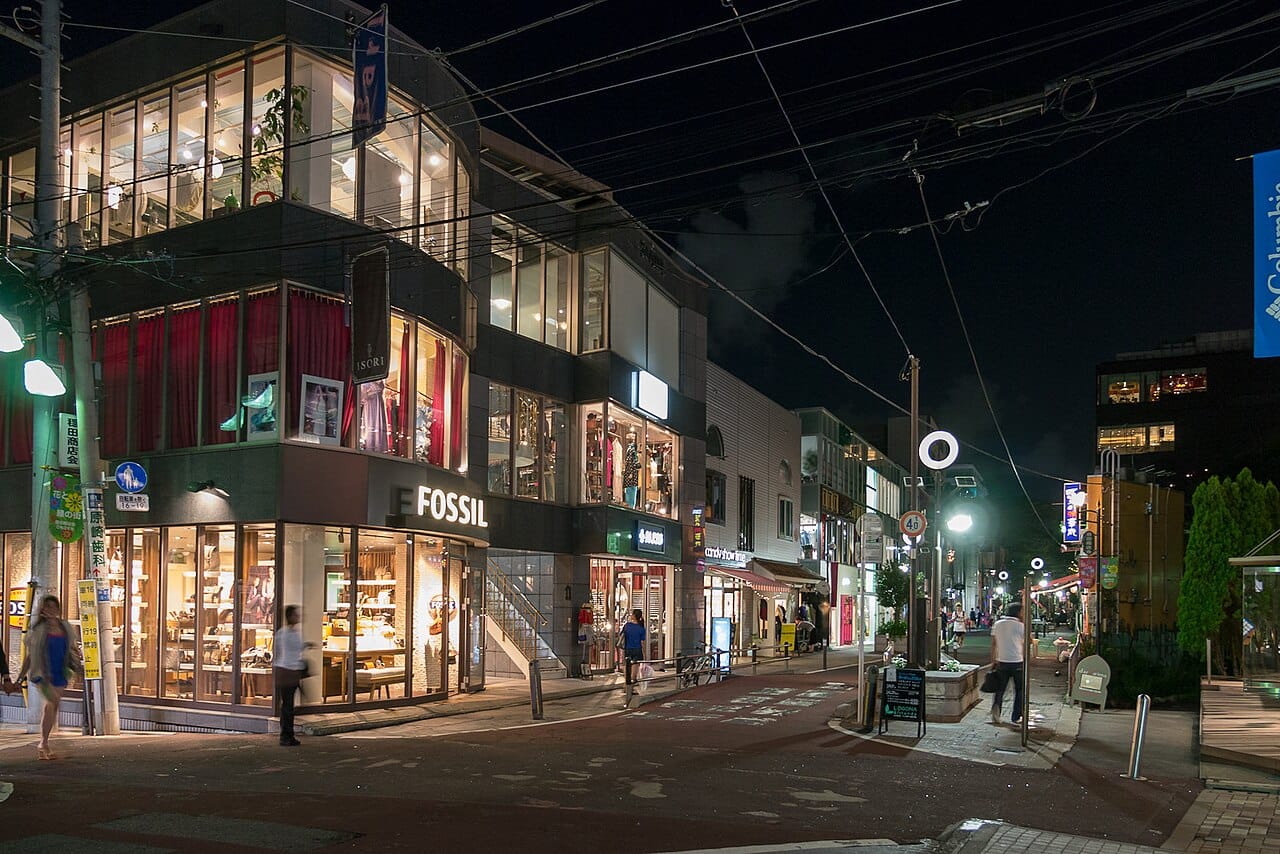 3
3Ura-Harajuku back streets
Turn off Takeshita-dori into the lanes toward Cat Street, the quieter, cooler Harajuku of vintage shops, sneaker stores, and small-label boutiques in converted houses. This is where you spend money, if you spend any. Cat Street itself, a former streambed, winds south to Shibuya; walk it as far as Omotesando for lunch around 13:00 at one of the cafes along it, ramen or a gyoza counter.
1.5 HoursCost: ¥1,000–3,000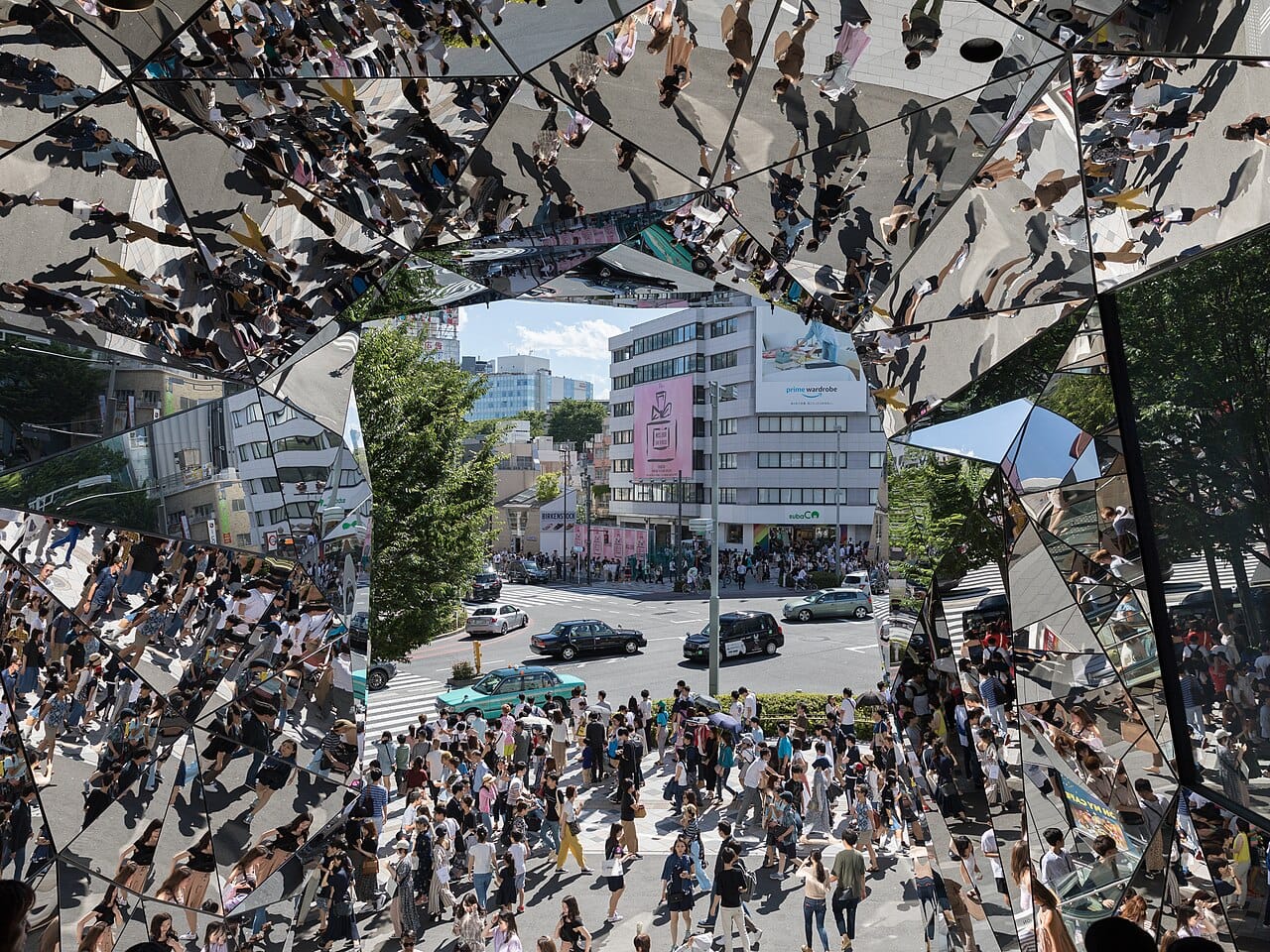 4
4Omotesando boulevard
Omotesando is the zelkova-lined avenue from Harajuku up to Aoyama, the flagship street of every luxury brand, each in a building by a famous architect: the Prada glass hive, the Tod's tree-branch facade, Omotesando Hills by Tadao Ando. At the Harajuku end, the mirrored kaleidoscope entrance of Tokyu Plaza is the photo everyone takes; the roof garden above it is free and a good place to sit.
1 HourCost: Free- 5
Nezu Museum and garden
Walk 15 minutes to the top of Omotesando and beyond it into Minami-Aoyama to the Nezu Museum, a Kengo Kuma building housing a private collection of East Asian art, with a bamboo-walled approach and a hillside garden of stone lanterns, tea houses and a pond. Arrive around 15:30; the garden is at its best in the late-afternoon light, and the cafe over the pond does a good tea. It is closed on Mondays. Omotesando station is 10 minutes away.
1.5 HoursCost: ¥1,300–1,800
Day 1 Estimated Cost
- Food¥2,500–5,000
- Transport¥400–800
- Admissions¥1,300–2,500
Tips
Arrive at JR Harajuku and leave from Omotesando on the Ginza, Chiyoda or Hanzomon subway lines: the whole day is a one-way walk of about 4 km, so no need to double back.
The shrine avenue is gravel and Cat Street is longer than it looks: flat shoes, and go early, because Takeshita-dori after noon on a weekend is shoulder to shoulder.
A Harajuku crepe is a snack, not lunch; the real meal is in the Ura-Harajuku lanes, and the Nezu garden cafe is the place for a late-afternoon tea rather than a coffee chain on Omotesando.
The Tokyu Plaza mirror entrance is best on the escalator going up, shooting back down toward the street; at Meiji Jingu the sake-barrel wall along the avenue photographs better than the shrine itself.