
Zao Snow Monsters in One Winter Day
Up the ropeway from Zao Onsen to the frozen juhyo of Mount Zao, a walk or ski along the ridge among them, then a sulphur hot spring and a bowl of Yamagata soba.
Last updated 2026-09-03 · 1-day self-guided plan
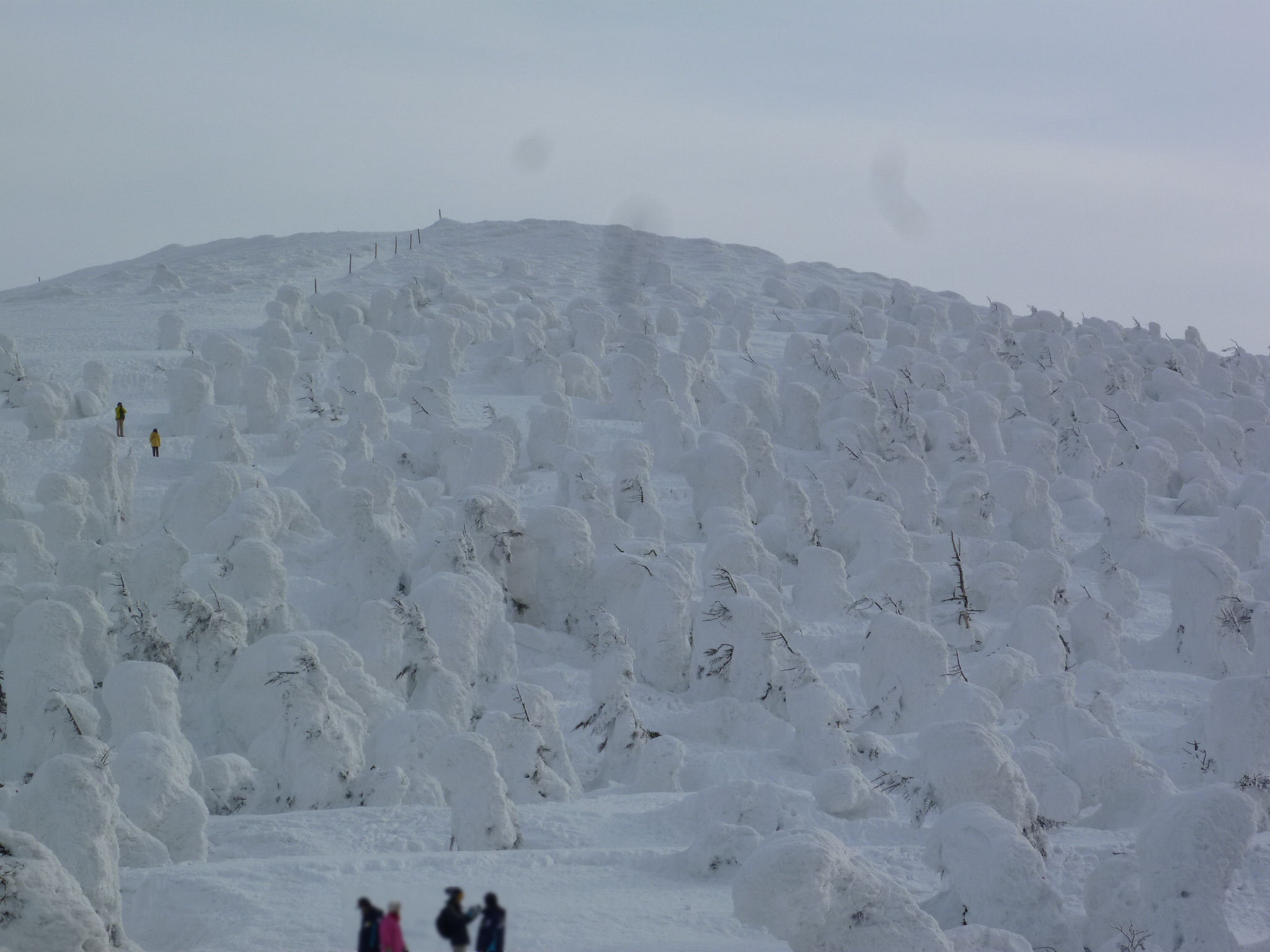
Zao Snow Monsters
Ice-caked firs on a ridge, then a sulphur bath
For winter travellers, skiers or not, who want to stand among the snow monsters in daylight and thaw out in one of Japan's most sulphurous onsen before the last bus down.
- 1
Bus up to Zao Onsen
From Yamagata station, reached by shinkansen from Tokyo in under three hours, buses climb to Zao Onsen in about 40 minutes and leave roughly hourly from the east exit. Take a morning bus so you are at the village by 10:00; the ropeway base station is a 10-minute walk uphill from the bus terminal. Check the mountain weather at the terminal before you go up.
45 MinutesCost: ¥1,000–2,000 - 2
Zao Ropeway to Jizo Sancho
Two ropeway sections carry you from the village to the Jizo summit station at about 1,660 metres. The trees turn white as you rise; by the top station, from late January to early March, the Aomori firs are fully buried in rime ice and snow, the juhyo or snow monsters. Buy the return ticket at the bottom and expect a queue on weekend mornings.
45 MinutesCost: ¥3,000–4,000 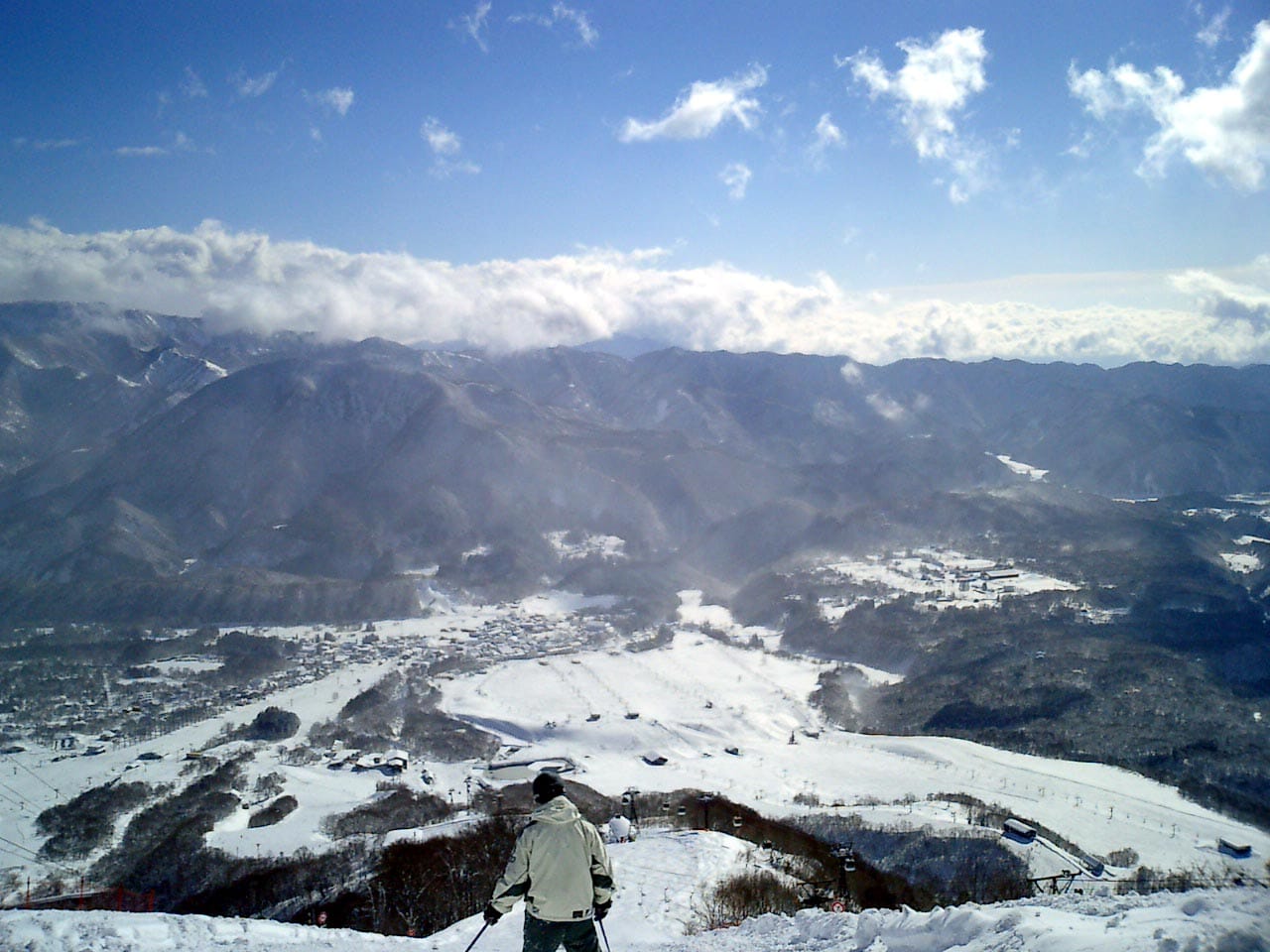 3
3Walk among the snow monsters
Outside the summit station a short marked route leads to the Jizo statue, usually buried to its shoulders in snow, and along the ridge between the monsters. Stay on the packed path; the snow off it is chest-deep. It is often minus ten with wind, and whiteouts close in fast, so shoot quickly and duck back inside the station cafe for hot amazake when your hands go numb.
1 HourCost: Free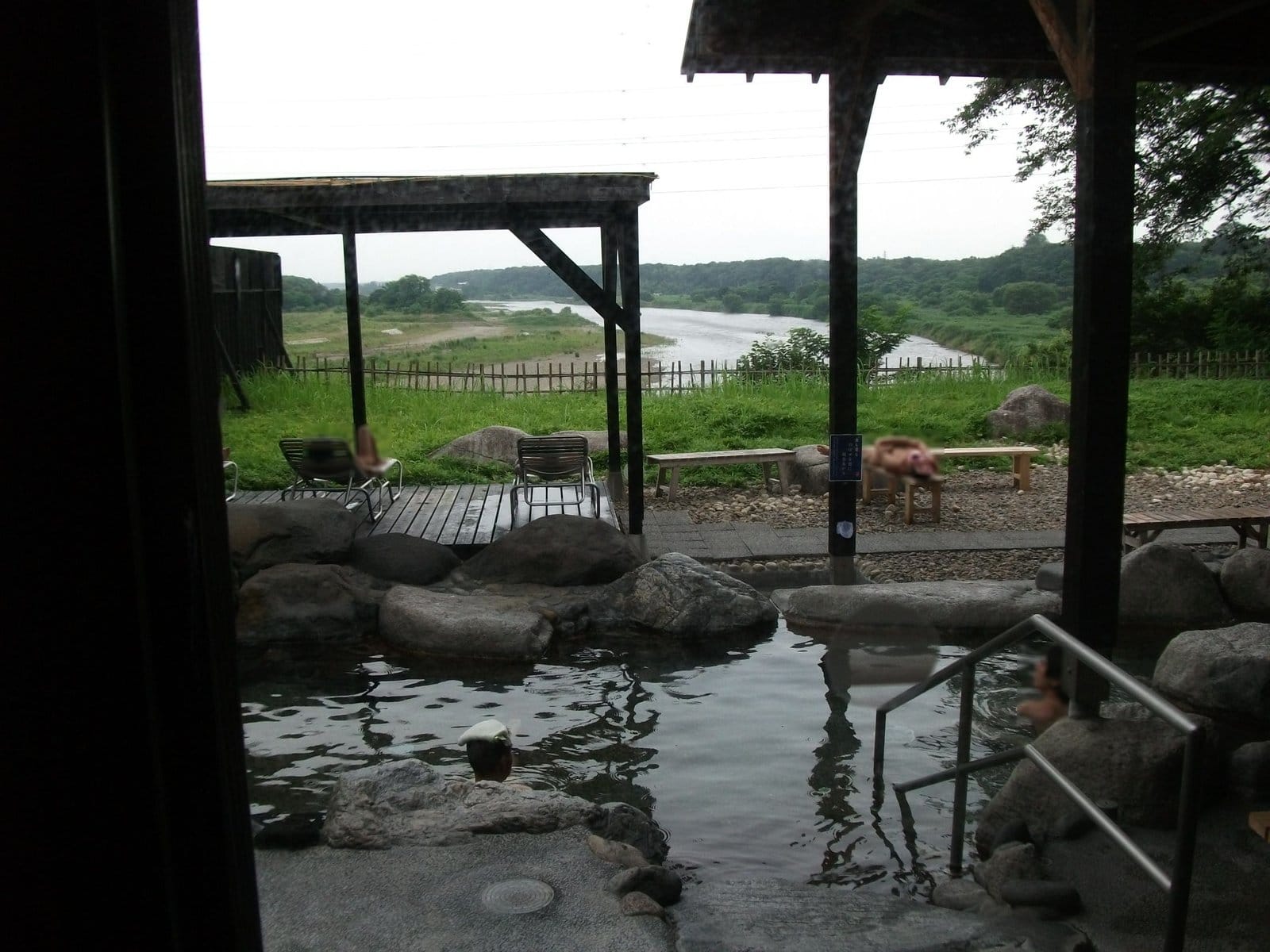 4
4Ski the Juhyogen course, or ride back down
Skiers can descend the long, gentle Juhyogen course, which winds through the monsters themselves, then down the resort's linked runs to the village; rental gear is available at the base. Non-skiers take the ropeway down and walk the village's steep lanes, where the sulphur smell rises from the stream and the shops sell tama-konnyaku, jelly balls simmered in soy, on skewers.
1.5 HoursCost: ¥2,000–5,000- 5
Zao Onsen Dai-Rotenburo and dinner
The big outdoor bath above the village is closed under snow in midwinter, so use one of the public bathhouses in the village or the day-use bath of a ryokan; the water is strongly acidic and milky, and silver jewellery will tarnish. After the bath, a bowl of Yamagata soba or a plate of Yonezawa beef before the evening bus, which leaves the terminal after dark. Do not miss the last one.
1.5 HoursCost: ¥1,500–3,000
Day 1 Estimated Cost
- Food¥2,500–4,500
- Transport¥5,000–6,000
- Ropeway & onsen¥4,500–9,000
Tips
The Yamagata to Zao Onsen bus is the only public link and stops early in the evening: buy a return ticket, check the last departure, and build the onsen around it rather than the other way round.
Waterproof insulated boots, goggles and a balaclava: the ridge is exposed to wind straight off the Sea of Japan, and the summit station path is icy; crampons are not needed, grip soles are.
Tama-konnyaku from a street pot in the village is the local snack, and the mountain-top cafe does hot amazake; save the proper meal for after the bath, when the soba shops are quiet.
Blue-sky days are rare, so go up the moment the weather board says clear; shoot into the low sun for rim-lit monsters, and come back in early evening if the light-up is running for the coloured floodlit version.