
Saga in One Day: Yutoku Inari and Arita Porcelain
A vermilion shrine on stilts, oysters grilled by the Ariake Sea, the porcelain kilns and museum of Arita, and a soak in the silky water of Ureshino Onsen.
Last updated 2026-09-03 · 1-day self-guided plan
Yutoku Inari & Arita
A stilted shrine, oyster huts, kilns and a hot bath
For travellers based in Fukuoka or Nagasaki who want the quieter side of Kyushu: one spectacular shrine, real food by the sea and Japan's original porcelain town.
- 1
Yutoku Inari Shrine
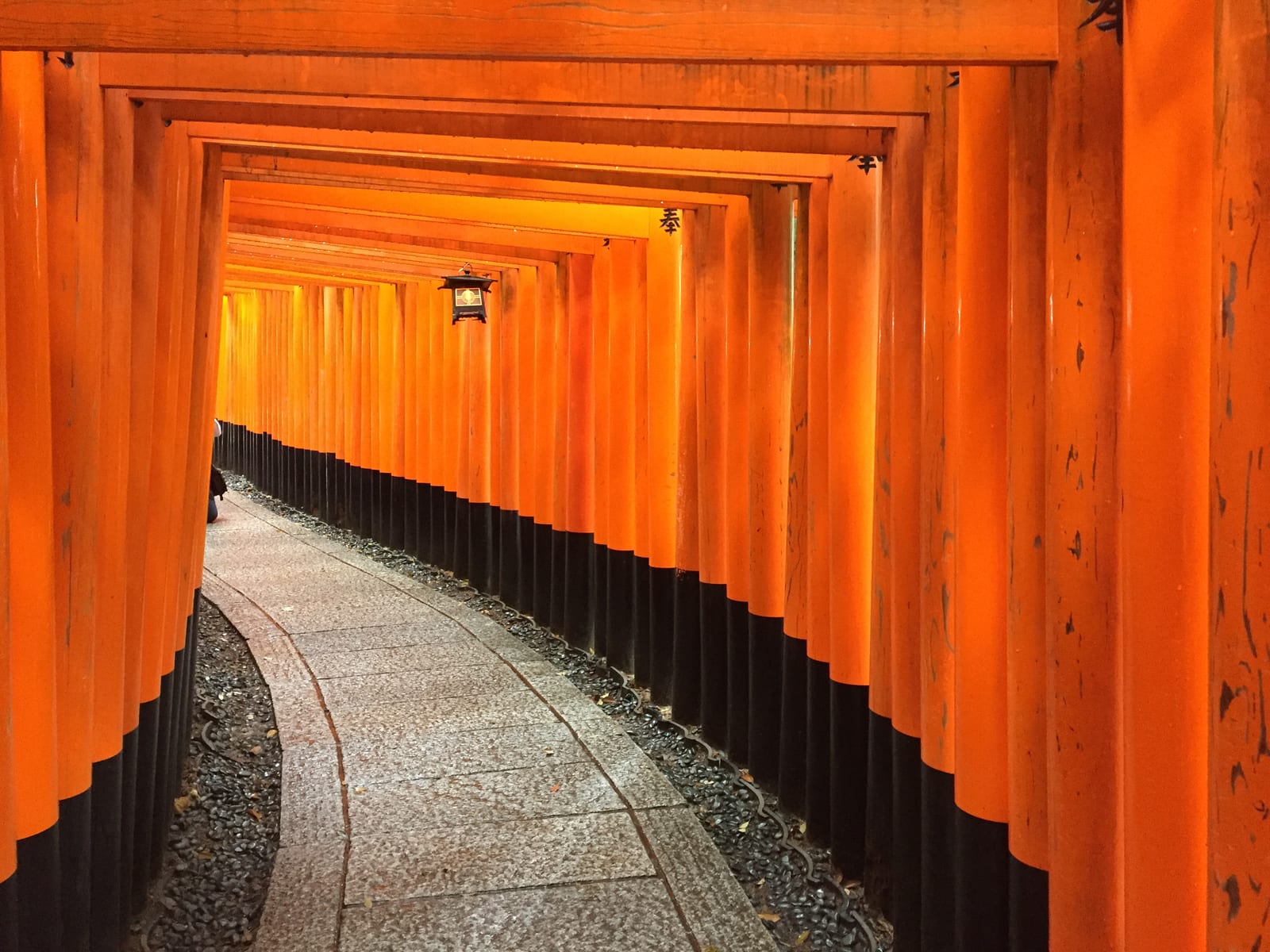
A limited express from Hakata reaches Hizen-Kashima on the Nagasaki Main Line in a little over an hour; from there a bus or a 10-minute taxi takes you to the shrine. Arrive around 9:30. Yutoku Inari is one of the three great Inari shrines of Japan, its vermilion main hall raised 18 metres on a lattice of timber pillars against the hillside. Climb the steps behind it past a tunnel of small torii to the upper shrine for the view over the plain to the Ariake Sea.
1 HourCost: Free 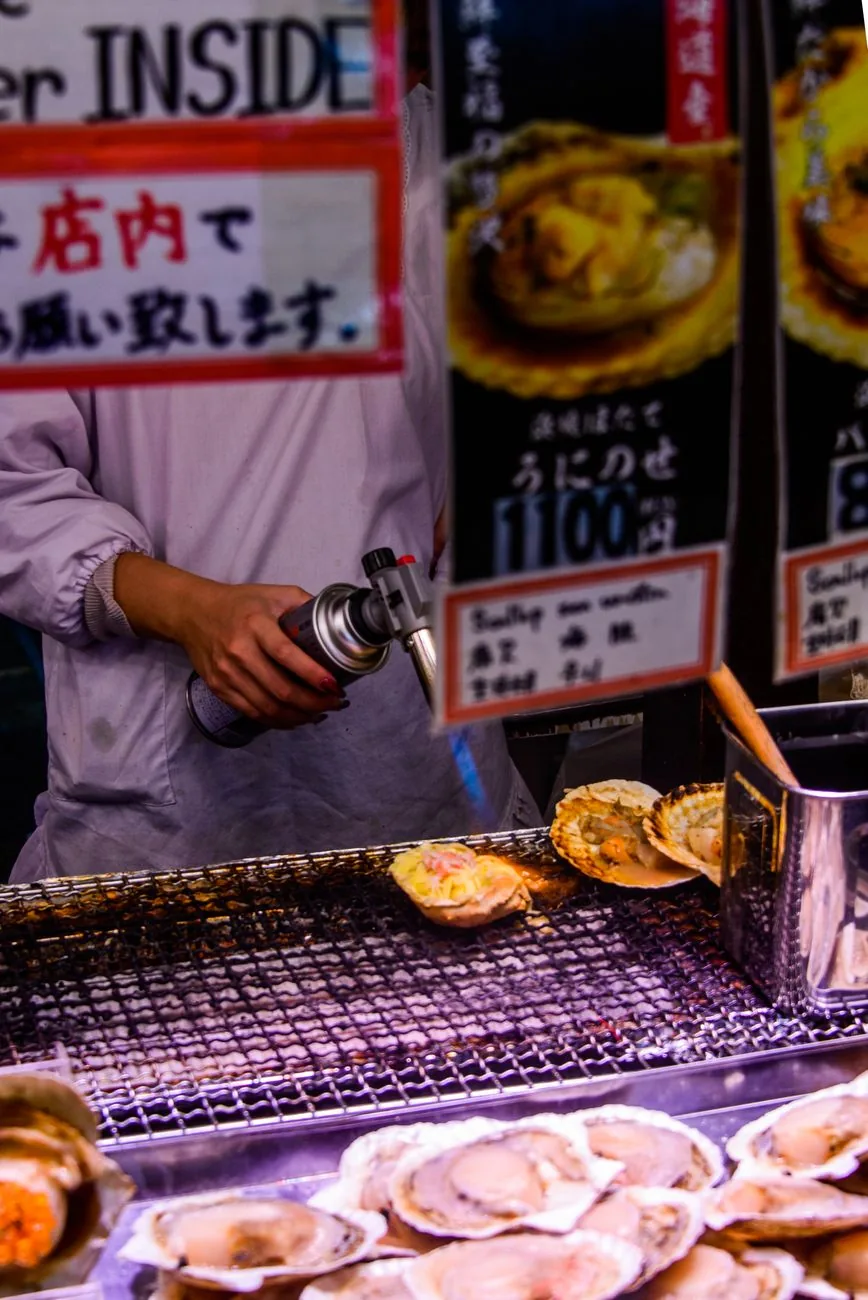 2
2Oyster huts on the Tara coast
Back at Hizen-Kashima, a local train south along the coast takes about 15 minutes to Tara, where from roughly November to March the kaki-goya huts along the shore road grill the fat Ariake oysters over charcoal at plastic tables; you buy by the kilo and cook them yourself. Outside oyster season the same coast serves mudskipper and other Ariake tidal-flat oddities in the small restaurants of Kashima; eat around 12:00 either way.
1 HourCost: ¥1,500–3,000- 3
Tozan Shrine and the kiln town of Arita
Return north to Hizen-Kashima, change at Hizen-Yamaguchi for the Sasebo Line to Arita via Takeo-Onsen, about an hour in total, arriving early afternoon. Walk from Kami-Arita Station along the main street of old kiln houses and shops, then up to Tozan Shrine, where the torii, lanterns and guardian dogs are all made of blue-and-white porcelain. The town is where Japan first fired porcelain from local kaolin four centuries ago.
1 HourCost: Free - 4
Kyushu Ceramic Museum
A 10-minute walk from Arita Station, the prefectural ceramic museum tells the story from the Korean potters brought to Kyushu to the Imari export trade that filled European palaces, with a superb collection of Old Imari and Kakiemon pieces. Entry to the main galleries is free and it closes around dusk. Kiln outlet shops along the road sell seconds at a fraction of gallery prices.
1 HourCost: Free 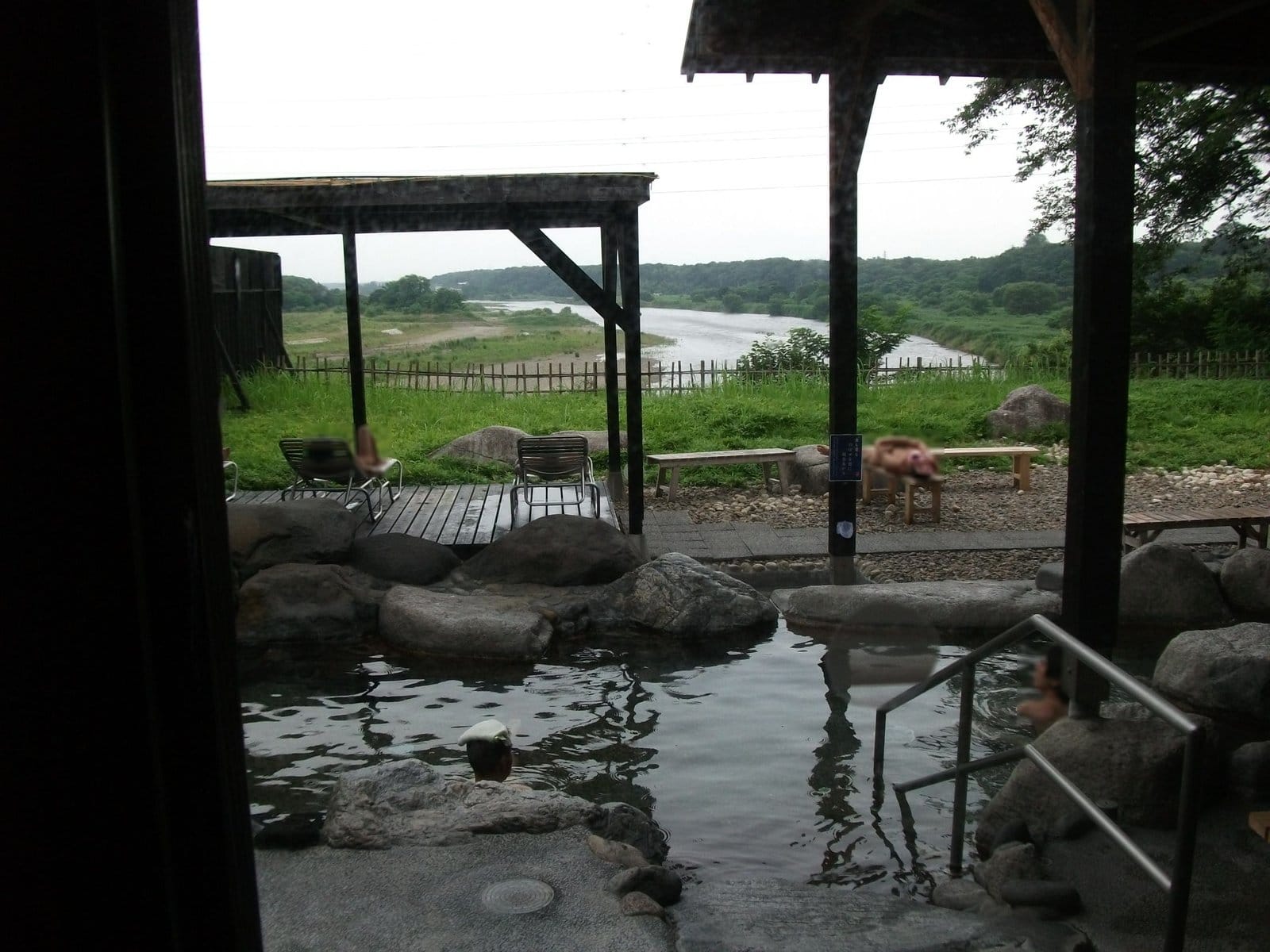 5
5Ureshino Onsen
Take the Sasebo Line back to Takeo-Onsen, about 15 minutes, then a bus of roughly 30 minutes to Ureshino, arriving around 17:00. Ureshino's slightly alkaline water is famous for leaving skin smooth; the public Siebold bathhouse in the centre is the easy day-use option, and several ryokan open their baths in the early evening. Finish with a cup of the local Ureshino green tea, then the Nishi-Kyushu Shinkansen and connecting express return you to Hakata in about an hour and a half.
1.5–2 HoursCost: ¥500–1,500
Day 1 Estimated Cost
- Food & tea¥3,000–5,000
- Transport (express + local trains, buses)¥6,000–9,000
- Baths & admissions¥500–1,500
Tips
This is a rail day with tight connections: check the Sasebo Line and Ureshino bus times the night before, or rent a car at Hakata, which turns the same loop into an easy drive of under three hours total.
Yutoku Inari's upper path is a steep 15-minute climb on stone, and the oyster huts are smoky; wear shoes you do not mind smelling of charcoal.
Oyster season is winter only, so between April and October swap the Tara stop for lunch in Kashima and give the extra hour to Arita's kiln shops.
Shoot Yutoku Inari from the bridge over the stream at the entrance, where the stilted hall stacks up against the hill; at Tozan Shrine, get low to frame the porcelain torii against the sky.